
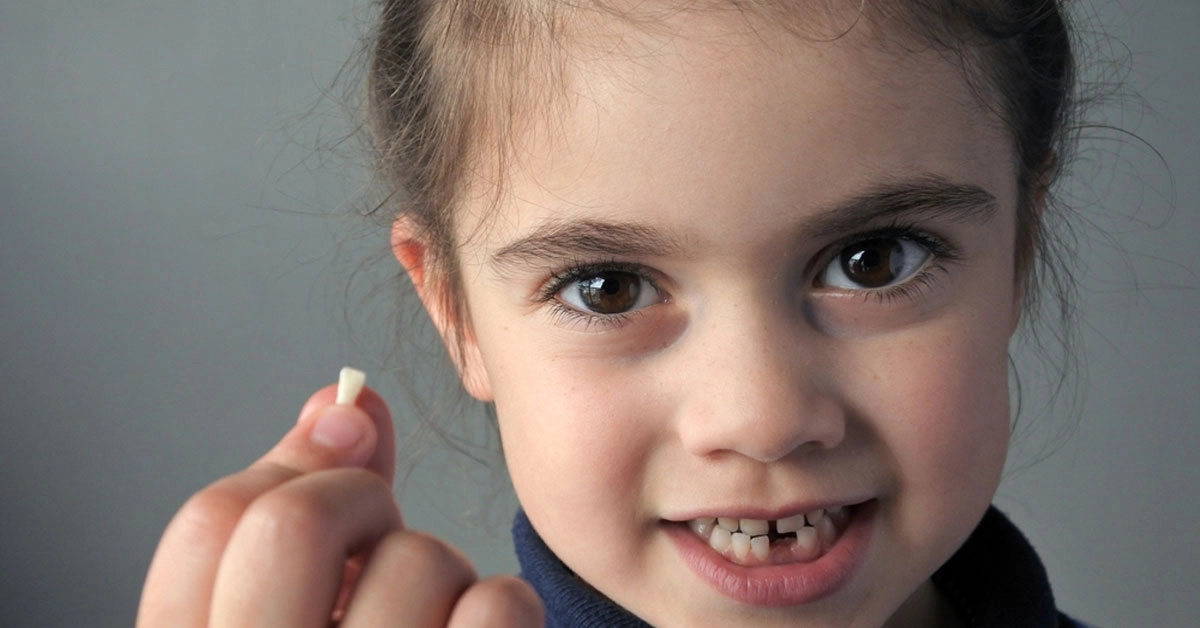

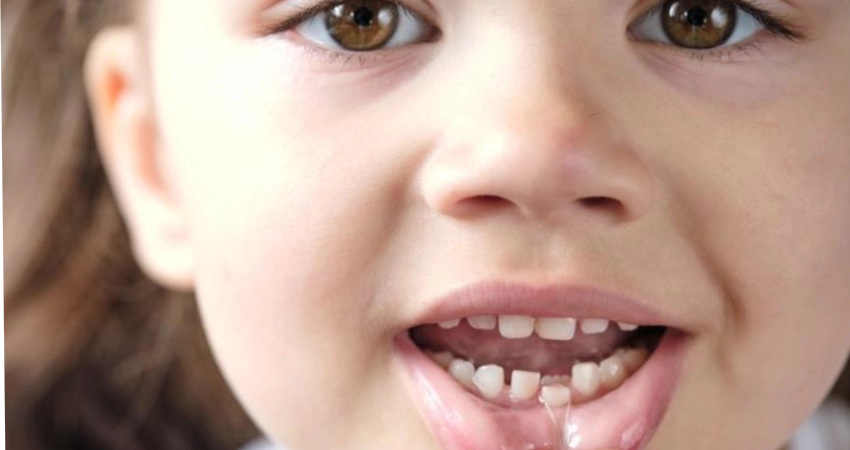
For most children, baby teeth (primary teeth) start to fall out between the ages of 5 and 7. This is a normal transition phase from primary to permanent teeth. Usually, the first teeth to fall out are the lower front incisors, followed by the upper front incisors, then the remaining baby teeth gradually until about age 12 or 13.
The timing can vary from one child to another. Some children may lose their teeth a few months earlier or later than others without this indicating a health problem, as long as the permanent teeth are developing normally.
The loss of baby teeth helps prepare the mouth to receive permanent teeth in the correct positions. That’s why it’s important during this stage to maintain good oral hygiene and visit a pediatric dentist regularly to monitor tooth replacement and make sure there is no delay or crowding that could affect the growth of the permanent teeth.
What Is the Normal Sequence of Tooth Replacement?
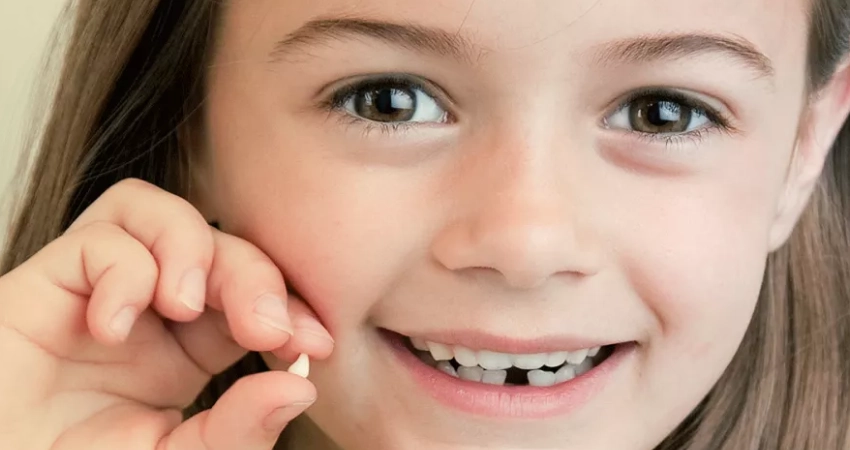
The normal sequence of replacing baby teeth usually occurs between the ages of 6 and 12. During this period, primary teeth gradually fall out and are replaced by stronger, larger permanent teeth. Typically, the first to be replaced are the lower front incisors, then the upper front incisors, followed by the canines, and then the first and second premolars and molars in sequence, until most permanent teeth have erupted by around age 12–13.
In the back of the mouth, the first permanent molars (the “six-year molars”) erupt without any baby teeth falling out beforehand. Parents may think these are baby teeth, but they are actually permanent teeth that require careful care.
Understanding the stages of baby tooth loss and permanent tooth eruption helps parents monitor their child’s dental development, identify any early delays or misalignment, and reduce the risk of needing complex orthodontic treatment later, while maintaining a healthy smile.
Causes of Early Loss of Baby Teeth
Early loss of baby teeth can result from several factors that affect oral and dental health in children. The most important is severe, untreated tooth decay, which can damage the tooth roots and make early extraction necessary. Direct trauma to the mouth—such as falls or accidents during play—can also fracture the tooth or weaken its root, leading to premature loss of baby teeth. Gum disease and inflammation of the tissues surrounding the teeth are also common causes, especially when teeth are not cleaned properly and dental checkups are neglected.
Harmful oral habits such as thumb sucking or prolonged pacifier use can put continuous pressure on the teeth and gradually shift them out of place. In addition, genetic factors, certain systemic diseases, and nutritional deficiencies can affect jawbone and tooth root development, weakening the stability of baby teeth and increasing the likelihood of early tooth loss.
Taking good care of baby teeth from the time they erupt and scheduling regular dental visits can help prevent the common causes of early tooth loss and support healthy development of the permanent teeth.
Causes of Delayed Loss of Baby Teeth
Delayed loss of baby teeth in children can be linked to multiple causes. One of the main factors is genetics, which influences the timing of development and eruption of permanent teeth. In some families, late tooth replacement is a normal pattern and does not necessarily indicate a serious problem.
Deficiencies in key nutrients for bone and tooth development—such as calcium and vitamin D—can also slow the development and eruption of permanent teeth, which in turn delays the shedding of baby teeth.
Other common causes include congenitally missing permanent tooth buds (teeth that never form) or the presence of extra teeth that block the normal eruption path. Chronic gum infections or deep decay affecting the roots of the teeth can also interfere with normal tooth replacement. In some cases, repeated trauma or blows to the jaw and teeth can disrupt normal dental development and delay tooth loss.
Regular checkups with a pediatric dentist are essential for early diagnosis of the reasons behind delayed shedding of baby teeth and for treating any problems in the formation or eruption of permanent teeth before they affect alignment and long‑term oral health.
You may also be interested in: Why Is It Important to Preserve Tooth Structure?
When Is Tooth Loss Considered Abnormal?
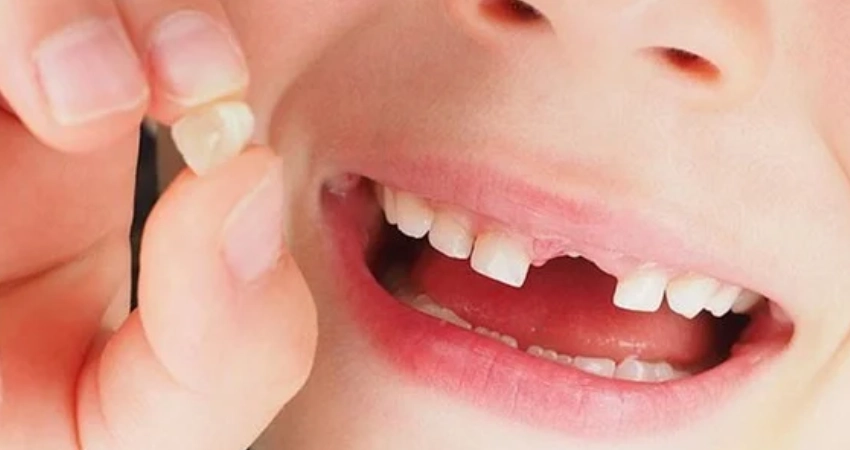
Losing baby teeth is generally normal between ages 6 and 12. It becomes abnormal and needs evaluation by a pediatric dentist in the following situations:
– Baby teeth still haven’t fallen out after age 13
– Teeth fall out very early, before age 4, without a clear cause such as trauma or severe decay
Tooth loss is also considered abnormal if it is accompanied by:
– Severe pain
– Heavy or persistent bleeding
– Swelling of the gums
– A noticeable change in gum color to dark red or blue
– Pus or discharge from the area
These signs may point to infection or an abscess that needs immediate treatment.
You should also be concerned if baby teeth fall out and no permanent teeth appear in their place within about 6–12 months, or if permanent teeth start erupting behind the baby teeth while the baby teeth are still in place. This can cause crowding and bite problems.
In all these cases, it is recommended to consult a pediatric dentist to assess the development of both baby and permanent teeth early and ensure healthy dental growth while avoiding future complications.
Warning Signs That Require an Immediate Dental Visit
When baby teeth fall out, certain signs mean your child should see a dentist right away to prevent complications that could affect the development of permanent teeth and overall oral health:
– Bleeding that lasts a long time after a baby tooth falls out or is heavy and does not stop with gentle pressure
– Severe pain, or noticeable swelling in the gums or cheek
– Intense redness, pus, or discharge at the site where the tooth came out, suggesting infection
– The tooth falls out much earlier than expected for the child’s age
– A strong blow or injury to the mouth that causes several teeth to become loose
You should also seek immediate dental care if part of a baby tooth remains embedded in the gums, if the gum turns blue or purple, or if the child has trouble chewing or speaking after the tooth falls out.
Early dental evaluation in these situations helps protect the permanent teeth, ensures that baby teeth are lost in a safe and natural way, and supports long‑term oral health.
Read more: Dental Injuries in Children – A Comprehensive Guide
Does the Loss of Baby Teeth Affect Permanent Teeth?
When baby teeth fall out at the right age and in the proper sequence, they do not harm the permanent teeth. In fact, this process is essential to prepare the mouth for healthy and well‑aligned permanent teeth.
Problems arise when baby teeth are removed or lost too early due to decay or trauma. In such cases, neighboring teeth may drift into the empty space, reducing the room available for the permanent tooth and leading to crowding or misalignment later on.
Untreated infection or inflammation around the roots of baby teeth can also affect the developing permanent tooth buds beneath them, potentially altering the color or shape of the permanent tooth or delaying its eruption.
For these reasons, dentists recommend closely monitoring the shedding of baby teeth, treating any decay or injuries early, and using space maintainers when indicated to ensure permanent teeth erupt in the right position and to preserve a healthy smile for the future.
Monitoring Tooth Replacement in Children at Batal Dental Center
At Batal Dental Center, we monitor tooth replacement in children from the moment baby teeth start to fall out until permanent teeth have fully erupted, with the goal of ensuring healthy and proper development of your child’s smile.
Our pediatric dental team carefully evaluates each stage of tooth replacement, making sure permanent teeth are erupting in the correct positions without abnormal crowding, misalignment, or delay.
We use the latest digital radiographic imaging technologies to assess the roots of baby teeth, the position of permanent tooth buds, and to detect early problems such as retained baby teeth that stay longer than they should, or permanent teeth erupting in the wrong place.
Keeping regular follow‑up appointments for tooth replacement helps reduce the future need for complex orthodontic treatment, allows early treatment of any decay in both baby and permanent teeth, and helps maintain healthy jaw development and proper chewing function.
Dentists at Batal Dental Center also focus on educating parents and children about proper dental care during the tooth‑replacement phase, including brushing with a fluoride toothpaste, following a healthy diet, and limiting sugary foods and drinks. This supports the development of strong, healthy permanent teeth.
Patient Guide: Frequently Asked Questions About Baby Teeth Loss in Children
When do baby teeth start to fall out in children?
They usually start to fall out between ages 5 and 7 and continue gradually until about age 12.
Is delayed loss of baby teeth a problem?
It can be normal, but significant delay may indicate issues with the development of permanent teeth or crowding in the jaw.
Is early loss of baby teeth normal?
It may occur due to tooth decay or trauma and should be evaluated by a dentist to prevent negative effects on permanent teeth.
Should a baby tooth be extracted if it doesn’t fall out on its own?
The dentist decides based on the condition of the baby tooth and the position of the permanent tooth underneath it.
Can tooth replacement affect jaw shape?
Yes. The alignment of the permanent teeth depends on baby teeth falling out at the right time and maintaining proper space.
Does a child need follow‑up during the tooth‑replacement phase?
Yes. Regular checkups help detect and manage any problems early.
Can baby teeth remain in the mouth for an unusually long time?

In some cases, yes—this may happen if the permanent tooth is missing or impacted (trapped and unable to erupt).