


Dental injuries are very common in children for several reasons related to their growth and daily activities. Early childhood is full of movement and exploration; kids spend a lot of time running, jumping, and playing, which raises the risk of falls and blows to the mouth or teeth. Because their muscles and balance are not fully developed, children are less able to protect themselves when they trip or experience sudden impact, especially when learning to walk, riding a bike, or playing sports.
Baby teeth (primary teeth) can also be more vulnerable to injury because they are smaller and have shorter roots than permanent teeth, making them more likely to become loose or be knocked out by trauma. In addition, not using proper protective gear such as mouthguards during contact sports significantly increases the risk of dental injuries in children. All these factors make injuries like fractured teeth, avulsed (knocked-out) teeth, and concussed or traumatized teeth very common in childhood, and they require parents’ attention, early prevention, and regular follow-up with a pediatric dentist.
What Types of Dental Injuries Can Affect Children?
Dental injuries in children range from minor bruises to complex fractures that may affect one or several teeth and may also involve the gums and jawbone. The most common types include: crown fractures (cracks or breaks in the visible part of baby or permanent teeth), loosening of a tooth due to trauma, complete avulsion (tooth knocked out of its socket), and intrusion, where the tooth is pushed into the gum or bone after a strong blow. Children may also develop small, hidden cracks in the root that are only seen on dental X‑rays, or damage to the dental pulp (nerve) that can cause discoloration or pain on biting.
Dental injuries in children are often accompanied by cuts in the gums, lips, or tongue, which increases the risk of infection or ongoing bleeding. Understanding the different types of dental trauma helps parents respond quickly and seek help from a pediatric dentist at the right time to preserve the health, function, and appearance of their child’s teeth.
Fracture of the front teeth is one of the most common dental injuries in children, especially during the toddler years and active play. It may occur after a fall or a direct blow to the mouth. The fracture can be minor, involving a small chip, or more severe, extending into the pulp and causing significant pain and sensitivity. Trauma to the front teeth doesn’t only affect chewing and speech; if left untreated, it can also impact the child’s smile and self-confidence. When you notice a broken tooth in your child, try to save any broken fragment if possible and go immediately to a pediatric dentist to assess the damage and ensure that the root, surrounding teeth, and gums are intact. Early intervention helps save permanent teeth, reduces the need for complex future treatment, and lowers the risk of complications like pulpitis (nerve inflammation) or periodontal infection.
Tooth Avulsion Due to a Fall
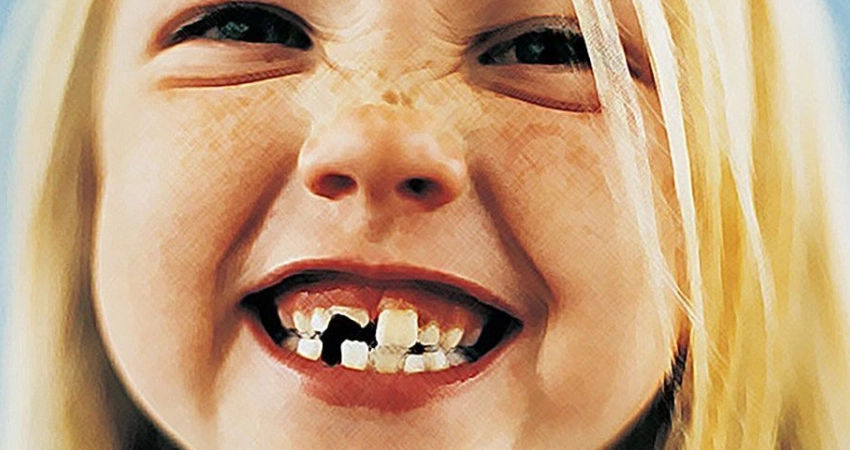
A tooth being completely knocked out due to a fall is considered a true dental emergency in children, especially when it involves a permanent tooth. Falling from a bicycle, during play, or at school can cause a tooth to come out entirely, usually with significant pain and bleeding. If a permanent tooth is avulsed, hold it only by the crown (the white part you normally see in the mouth) without touching the root. Rinse it gently with clean water without scrubbing, then—if possible—reinsert it carefully into its socket. If you cannot reinsert it, place the tooth in cold milk or a saline solution and head straight to a dentist. Every minute counts for successful reimplantation; delaying treatment reduces the chances of saving the tooth and increases the risk of later problems such as poor bone development or crowding of the teeth.
For baby teeth, the pediatric dentist may decide not to reinsert the tooth in order to protect the underlying permanent tooth bud, and will design a treatment plan to maintain function and the appearance of the child’s smile.
Find the best pediatric dentist in Jeddah
Gum Injuries and Bleeding
Gum injuries and oral bleeding are common findings along with dental trauma in children and can look frightening to parents because of the amount of blood in the mouth. Gum injuries may result from a strong blow, a fall, or an accidental bite, leading to tears in the soft tissues and bleeding that may be heavy in the first few minutes. Although gum bleeding in children often stops with light pressure using gauze or a clean cloth, persistent bleeding or a deep cut requires evaluation by a dentist or in the emergency department. Ignoring gum injuries can lead to local infections, abscess formation, or interference with the development of nearby baby and permanent teeth. It is important to examine the entire mouth after any injury, since gum bleeding can sometimes hide a tooth fracture or loosening that the parents do not notice.
Tooth Displacement
Tooth displacement (partial extrusion from the socket or a noticeable change in position) is a more subtle type of dental injury that parents may not notice immediately after an accident. A blow to the mouth can cause a tooth to tilt forward or backward, or become higher or lower than adjacent teeth, often with pain when chewing or closing the mouth. Tooth displacement in children can affect root development of permanent teeth and the balance of the bite (occlusion). If not treated early, it can lead to long-term problems in tooth alignment and jaw function.
A pediatric dentist will carefully examine the injured tooth clinically and with X‑rays, and may reposition it to its correct place and stabilize it for a period using a simple splint, allowing the bone and surrounding tissues to heal. Quick response as soon as you notice any change in tooth position, even if it seems minor, is an essential part of properly managing dental injuries in children and protecting oral health in the long term.
What Should You Do Right After Your Child Hurts a Tooth? (Proper First Aid)
When a child experiences a dental injury, stay calm, reassure your child, and gently examine the mouth to check for bleeding, a chipped or broken tooth, or a completely knocked-out tooth. If there is bleeding from the gums or around the tooth, apply gentle pressure with a piece of gauze or a clean tissue for several minutes until the bleeding stops. If a tooth is broken, try to collect any broken pieces and place them in a cup of cold milk or saline solution; this helps preserve the tooth fragment until you reach the dentist.
If a permanent tooth has been completely avulsed, hold it by the crown (the white part), avoiding the root. Rinse it gently under water without rubbing or using soap, and try to reinsert it into the socket carefully if possible. If you cannot, keep it in milk or in the child’s saliva. Do not attempt to reimplant a knocked‑out baby tooth, as this could damage the developing permanent tooth underneath. Avoid putting ice directly on the tooth or giving your child pain medication without medical advice; instead, you can use a cold compress on the cheek to reduce swelling. After any dental trauma, it is crucial to see a pediatric dentist or visit the emergency department urgently—ideally within the first hour—because early treatment greatly improves the chance of saving the tooth and reduces complications such as infections or problems with permanent tooth development.
Read more about children’s dental care | A guide on how to take care of your child’s teeth
Managing Bleeding
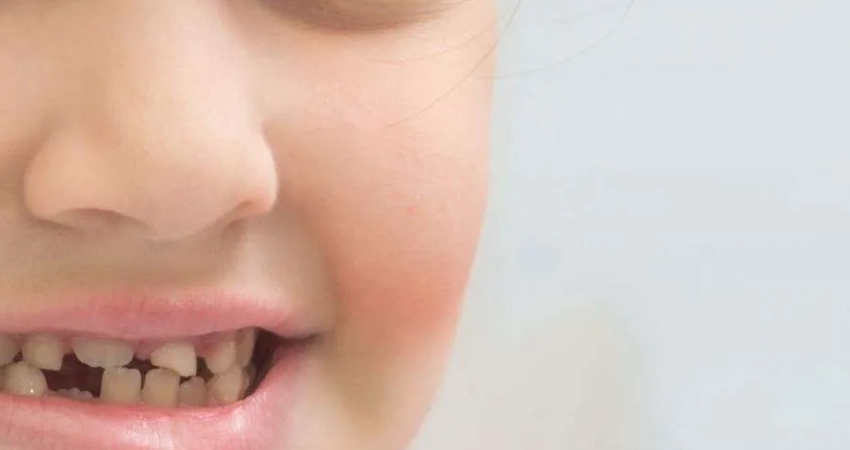
If your child’s tooth injury causes gum bleeding, first remain calm, then apply gentle pressure over the bleeding area using sterile gauze or a clean cloth for at least 10 minutes. Ask your child to bite down lightly on the gauze while keeping the head slightly elevated to reduce blood flow. Do not rinse the mouth vigorously or allow your child to suck on the wound, as this can worsen the bleeding and disrupt clot formation.
You can place an ice cube wrapped in a cloth on the outside of the cheek to help reduce swelling and pain associated with dental injuries in children. If the bleeding continues for more than 15–20 minutes or is very heavy, go immediately to a dentist or emergency room. Persistent bleeding may indicate a deeper injury to the tooth, gums, or surrounding bone. Prompt and proper management of bleeding after a dental injury is a key step in effective first aid and in protecting your child’s long-term oral health.
Managing a Broken Tooth
If your child’s tooth is broken—whether it is a small chip or a deeper fracture—first rinse the mouth gently with lukewarm water to remove blood and any loose fragments. If you find a piece of the broken tooth, keep it in saline solution or cold milk and take it with you to the dentist; in some cases, the dentist may be able to reattach it or use it as part of the restoration. Never use sharp tools or try to file or reshape the broken tooth at home, as this can damage the nerve and cause severe pain.
You may give your child an age‑appropriate pain reliever if needed, and place a cold compress on the cheek to reduce swelling from the injury. It is essential to book an urgent appointment with a pediatric dentist, even if the fracture looks minor, because tooth fractures can affect the pulp (nerve) or, in very young children, the developing permanent tooth buds. Quick first aid for a broken tooth improves the chances of saving it and reduces the need for complex treatments later on.
Managing a Knocked-Out Tooth
When a tooth is completely knocked out due to a blow or fall, management differs between baby (primary) and permanent teeth. If the tooth is a baby tooth, it is usually not recommended to reinsert it, to avoid damaging the underlying permanent tooth. Instead, you should go immediately to a pediatric dentist for evaluation.
If the avulsed tooth is permanent, time is critical—ideally within the first 30 minutes. Hold the tooth by the crown (white part) and avoid touching the root. Rinse it gently with water without scrubbing and without using soap. If you can, gently reinsert it into the socket and ask your child to bite down on clean gauze to hold it in place.
If reinsertion is not possible, place the tooth in a cup of cold milk, saline solution, or even in the child’s own saliva, and do not let it dry out—moisture is essential to keep the root surface cells alive. Then go straight to a dentist or emergency room. Speed of action is the single most important factor in saving a permanent tooth after dental trauma in children.
Situations That Should Not Be Handled at Home
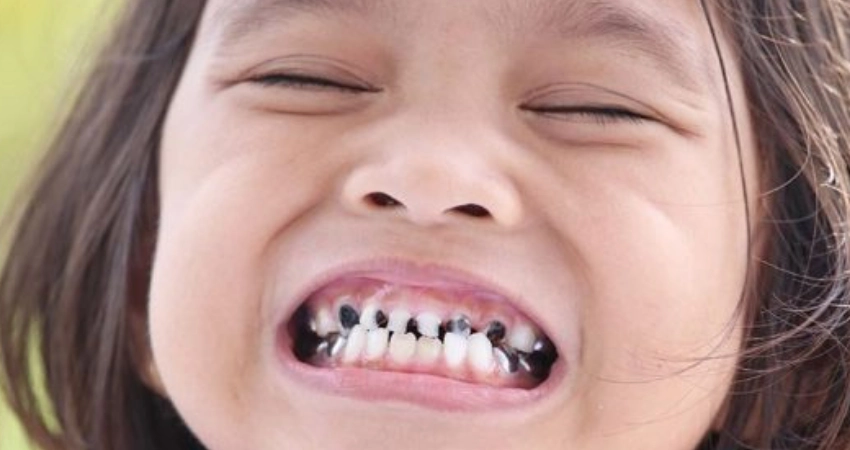
Although first aid for dental injuries in children is important, some situations require you to avoid doing anything beyond very basic measures and to seek immediate professional care. These include: uncontrollable heavy bleeding, a suspected jaw fracture, obvious deformity of the jaw, difficulty opening or closing the mouth, severe pain that does not respond to simple painkillers, or loss of consciousness after the injury. You should also never attempt to reinsert a knocked‑out baby tooth, pull out a severely loose tooth yourself, or lance/open a gum abscess at home.
Avoid using topical medications or home remedies that are not medically approved—such as alcohol or caustic substances—on the injured tooth or gums, as they can worsen inflammation and delay healing. Whenever you are worried about the severity of your child’s dental injury, your first step should be to consult a pediatric dentist or go to the emergency department. Early professional intervention protects both oral and general health and reduces long‑term complications of dental trauma.
You may also be interested in: When does a child need early orthodontic or jaw intervention?
When Is a Dental Injury an Emergency?
A dental injury in children is considered an emergency requiring immediate attention by a dentist or emergency department when it is accompanied by severe, persistent pain; bleeding that does not stop within 10–15 minutes of direct pressure; a deep fracture that exposes the pulp (a red spot or bleeding from inside the tooth); any obvious displacement of the tooth; intrusion of the tooth into the gums; or complete avulsion.
It is also an emergency if the injury is associated with swelling of the gums, lips, or face; difficulty chewing, speaking, or closing the mouth; suspected jaw fracture; or a strong blow to the mouth during a fall, sports accident, or other trauma. The faster the medical response, the better the chances of saving the permanent tooth and reducing complications such as pulp necrosis, dental abscesses, or problems in the future development of permanent teeth. Parents should not ignore any dental injury and should monitor pain, tooth appearance, gum condition, and the child’s ability to eat and speak, and seek urgent care if any concerning sign is present.
How Does the Dentist Diagnose Your Child’s Injury?
A dentist diagnoses dental trauma in children through a thorough clinical examination, starting with a detailed medical and injury history: when and how the accident happened, and the type and direction of the impact. This helps estimate the severity of the injury and the likelihood of damage to the tooth, gums, or supporting bone. The dentist then carefully examines the mouth and face, looking for tooth fractures, discoloration, abnormal mobility or position of teeth, gum bleeding, swelling of the lips or cheeks, and any cuts in the surrounding soft tissues.
In most cases, the pediatric dentist will order dental X‑rays to evaluate the roots of the permanent teeth, the dental pulp, and to detect hidden fractures or jawbone injury. These findings guide the treatment plan, such as whether the tooth needs repositioning, splinting, or endodontic (root canal) treatment. In some cases, the dentist may perform sensitivity tests (to hot, cold, or gentle tapping) to assess nerve vitality and anticipate whether root canal therapy may be needed later. Finally, the dentist explains home care instructions and the importance of follow-up visits to monitor healing of the injured tooth and normal development of the permanent teeth.
Treatment Options for Dental Injuries in Children
Treatment of dental injuries in children depends on the type and severity of trauma, with the main goal of saving the tooth whenever possible and supporting normal growth of the mouth and jaws. For loosened or fractured permanent teeth, the dentist may reposition and stabilize the tooth using a dental splint and perform root canal treatment if necessary to prevent infection and tooth loss.
For injuries to baby teeth, the extent of damage is carefully evaluated to decide whether the tooth can be preserved or should be extracted to protect the underlying permanent tooth bud.
Treatment options for children’s dental trauma may include tooth‑colored fillings (composite restorations) for minor fractures, pulp therapy or full root canal treatment, or placing pediatric crowns to protect weakened teeth. The dentist may also prescribe appropriate pain relief and antibiotics if there is a risk of infection. Regular follow‑up visits after the injury are essential to monitor healing of the tissues, guide proper eruption of permanent teeth, and prevent long‑term complications.
Do Injuries to Baby Teeth Affect Permanent Teeth?
Yes. Trauma to baby teeth can directly affect the development and eruption of the underlying permanent teeth, because the roots of primary teeth lie very close to the permanent tooth buds inside the jawbone. When a baby tooth is fractured, displaced, or knocked out due to a fall or accident, the permanent bud may be compressed or damaged. This can lead to changes in the color of the permanent tooth later on, white or brown enamel spots, malformation of the crown, delayed eruption, or eruption in an abnormal position.
For this reason, prompt management of dental injuries in children and early evaluation by a pediatric dentist are essential. Clinical examination and dental X‑rays help assess any impact on permanent teeth and allow the dentist to design a preventive treatment plan that reduces future complications and protects the health of both baby and permanent teeth.
Complications of Ignoring Dental Injuries in Children
Ignoring dental injuries in children can lead to serious, long‑lasting complications if treatment is delayed. Untreated fractures or avulsed teeth can cause severe infection in the gums and surrounding bone, which may progress to painful abscesses requiring urgent antibiotics or even surgery. Failing to treat trauma to baby teeth can directly affect permanent tooth development, resulting in malformed enamel, discoloration, delayed eruption, or misalignment of the permanent teeth.
Unmanaged dental trauma can also lead to problems with speech and chewing, chronic jaw pain, and psychological or social effects due to an uneven smile or early loss of front teeth. For all these reasons, seeing a pediatric dentist promptly after any dental injury is crucial to prevent complications and maintain long-term oral health.
Specialized Care for Children’s Dental Injuries at Batal Dental Center
Batal Dental Center provides specialized care for children with dental injuries, following the latest international pediatric dentistry guidelines to preserve injured teeth whenever possible and protect normal growth of the mouth and jaws. The center receives cases of fractured teeth, avulsed permanent teeth, trauma to the front teeth, and injuries to gums and surrounding tissues as emergencies, with thorough assessment using clinical examination and radiographs to determine the extent of damage and the best treatment plan for each child.
Our pediatric dental team focuses on saving and stabilizing at‑risk permanent teeth, including repositioning and reimplantation when appropriate, using child‑safe restorative materials and age‑appropriate pulp and root treatments. We also pay close attention to the psychological comfort of the child, by creating a reassuring environment, minimizing pain and fear, and educating parents on how to manage dental injuries at home before reaching the clinic.
This comprehensive approach has made Batal Dental Center a trusted destination for timely and effective treatment of dental injuries in children, achieving the best possible long‑term outcomes.
Patient Guide: Frequently Asked Questions About Dental Injuries in Children
Are dental injuries in children serious?
Not all injuries are serious, but situations like tooth avulsion or heavy bleeding require rapid medical intervention to prevent complications.
What should I do right after my child’s tooth breaks?
Calm your child, control any bleeding, keep any broken fragment if possible, and see a dentist as soon as you can.
Will a knocked-out tooth grow back in a child?
It depends on whether the tooth is baby or permanent, and how it was handled after the injury. A dentist must evaluate it immediately.
Do injuries to baby teeth affect permanent teeth?
Yes. They can affect how permanent teeth develop or the direction in which they erupt.
When should I consider a dental injury an emergency?
When there is ongoing bleeding, severe pain, a knocked‑out tooth, or swelling of the face or gums.
Can broken teeth in children be treated?
Yes. Teeth can often be restored or treated with pulp therapy or root canal treatment, depending on the severity of the fracture.
How can I protect my child from dental injuries?
Through regular dental checkups, using a mouthguard during sports, and teaching your child safe, healthy habits.
Does every dental injury require a dentist visit?

It is best to have any dental injury evaluated, even if it looks minor, because some complications only appear later.