


Have you ever had a toothache at any point in your life? Do you remember how exhausting and irritating it was? We’re not trying to remind you of that awful pain, but it’s worth noting that even mild tooth pain can be bothersome enough to ruin your entire day. Toothache can affect people of all ages – children, adults, and older adults alike. The causes are varied and range from poor oral hygiene and mouth infections to structural problems in the teeth. Below, you’ll find an overview of what toothache is, whether the inflammation is inside the tooth or around it, and the most common causes, which often include tooth decay and infection.
What Is Toothache?
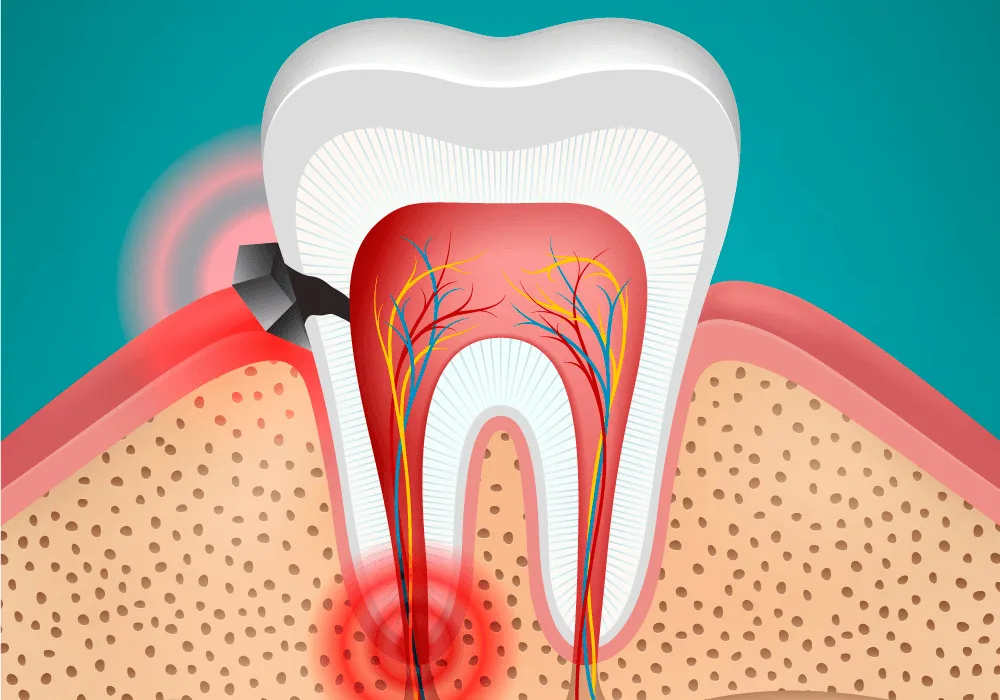
Pain in or around the teeth and jaws is generally referred to as a toothache. In many cases, tooth pain results from inflammation or infection of the tooth’s inner pulp, and may also be triggered by a lost filling or a fractured tooth.Sometimes it can be hard to pinpoint tooth pain because it may feel like it’s coming from the ear, sinuses, or jaw. Toothache typically worsens when eating or drinking, especially with cold foods or beverages.If you suspect you have a toothache, the best step is to schedule an appointment with your dentist to diagnose the problem and develop a treatment plan.
Toothache in English
Toothache is commonly referred to in English as “toothache” or “tooth pain.”
Causes of Toothache
Toothache can have several underlying causes, including:

Tooth Decay (Dental Caries)
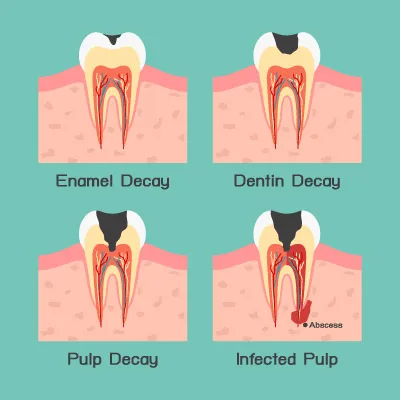
When bacteria in the mouth produce acids that erode the tooth enamel, cavities can form. As decay progresses and reaches the more sensitive inner layers of the tooth, it can lead to tooth pain.
Gum Disease
Inflammation and infection of the gums, known as gum disease or periodontal disease, can cause tooth pain. Advanced gum disease may lead to gum recession, exposing the tooth roots and resulting in sensitivity and discomfort.
Cracked or Fractured Teeth
Cracks or fractures in a tooth can cause pain, especially when chewing or biting down. These fractures may result from trauma, teeth grinding (bruxism), or a structurally weakened tooth.
Root Infection (Dental Abscess)
When bacteria reach the inner pulp of the tooth—usually through deep decay or a crack—this can cause a root infection or dental abscess. This often leads to severe toothache along with other symptoms such as swelling and fever.
Pulpitis (Inflammation of the Dental Pulp)
Inflammation of the tooth’s pulp, which contains nerves and blood vessels, can cause significant tooth pain. Pulpitis may occur due to untreated decay, trauma, or extensive dental procedures.
Tooth Sensitivity
Tooth sensitivity can cause short, sharp pain when exposed to hot or cold temperatures, sweet or acidic foods, or even during toothbrushing. It may be due to enamel erosion, gum recession, or exposed tooth roots.
Wisdom Teeth
Impacted or partially erupted wisdom teeth can cause pain and discomfort, especially if they press against neighboring teeth or contribute to gum inflammation around the area.
Temperature Changes
Sudden temperature changes—such as eating or drinking something very hot or very cold—may trigger tooth pain, particularly if the enamel is damaged or there are existing dental problems.
Certain Medications
Some medications, such as bisphosphonates used to treat osteoporosis or certain chemotherapy drugs, can cause tooth or jaw pain as a side effect.
Types of Toothache
Toothache can be classified into different types based on the source of the pain. The three main categories include:
Pain Originating from Dentin
Dentin is the layer beneath the enamel that contains microscopic tubules leading to the tooth’s nerve. When dentin is exposed—due to enamel loss, gum recession, or tooth wear—it can cause sensitivity and discomfort. This type of pain is often triggered by hot or cold temperatures, sweet or acidic foods, or even brushing.
Pain Originating from the Pulp
The pulp is the soft tissue inside the tooth that contains nerves and blood vessels. When the pulp becomes inflamed or infected because of decay, trauma, or extensive dental procedures, it can cause intense, sometimes throbbing toothache.
Pain Originating from the Gums
Gum disease, also known as periodontal disease, can cause tooth-related pain that actually stems from the gums. In its early stages, gums may appear red, swollen, and tender, leading to discomfort. As the disease progresses, the gums may recede, exposing the roots and causing increased sensitivity and tooth pain. Gum abscesses or localized gum infections can also cause pain and swelling in a specific area.
Signs and Symptoms of Toothache
Key symptoms of toothache may include:– Persistent or intermittent pain in or around a tooth – Sharp, throbbing, or aching pain – Sensitivity to hot, cold, sweet, or acidic foods and drinks – Pain when biting or chewing – Swelling of the gums or face around the affected tooth – Red, inflamed, or bleeding gums – Bad breath or a bad taste in the mouth – In more severe cases, fever or difficulty opening the mouth fully
Examination and Diagnosis of Toothache
To evaluate and diagnose toothache, dental professionals typically perform the following:
Clinical Examination
The dentist will visually examine your teeth, gums, and surrounding oral tissues. They will look for signs of tooth decay, gum disease, fractures, or other visible problems. A dental mirror and probe may be used to assess the condition of the teeth and gums.
Dental X‑Rays
Dental radiographs (X‑rays) provide detailed images of the teeth, roots, and underlying bone. X‑rays help identify issues that may not be visible during a clinical exam, such as decay between teeth, impacted wisdom teeth, root infections, or bone loss from periodontal disease.
Tooth Sensitivity Tests
Sensitivity tests help determine the source and extent of tooth pain. Common tests include:– Application of cold or heat to the tooth – Gentle tapping (percussion) on the tooth – Biting tests to identify cracks or bite-related painIn some cases, additional diagnostic procedures may be required, such as pulp vitality testing (to assess the health of the pulp) or advanced imaging like cone beam computed tomography (CBCT) for more detailed evaluation.
Treatment of Toothache
Treatment depends on the underlying cause and severity of the toothache. Common toothache treatment options include:
Dental Fillings
Fillings are used to stop the progression of tooth decay or correct cosmetic and structural damage. They are one of the primary ways dentists help maintain oral health. The main types include composite fillings, which are color-matched to your natural teeth, and amalgam (commonly called silver fillings).
Tooth Extraction
If a tooth is severely decayed, extensively fractured, causing significant pain, and cannot be restored, extraction may be necessary. The dentist will carefully remove the tooth and, if needed, discuss replacement options such as dental implants, bridges, or dentures.
Periodontal (Gum) Treatment
If gum disease is the cause of toothache, the dentist may recommend periodontal treatment. This usually involves professional cleaning (scaling and root planing) to remove plaque and tartar from the teeth and below the gumline. In more advanced cases, surgical procedures may be needed to treat deep pockets or correct gum recession.
Root Canal Treatment (Endodontic Therapy)
If tooth pain is due to inflammation or infection of the pulp, the dentist may recommend root canal treatment. This procedure involves removing the inflamed or infected pulp, cleaning and disinfecting the root canals, and then filling and sealing them to prevent further infection. The tooth is often restored with a filling and/or crown afterward.

Pain Relievers
Over‑the‑counter pain medications such as acetaminophen (Tylenol) or nonsteroidal anti‑inflammatory drugs (NSAIDs) like ibuprofen (Advil, Motrin) can provide temporary relief from tooth pain. However, it is important to see a dentist for proper diagnosis and definitive treatment.
Antibiotics
If there is a dental infection or signs that an infection is spreading, the dentist may prescribe antibiotics to control and eliminate the infection. Antibiotics alone are not a substitute for dental treatment; the source of infection must still be treated.
Home Remedies
Some home measures may offer short‑term relief from toothache symptoms, such as rinsing with warm salt water, applying a cold compress to the affected area to reduce swelling, or using over‑the‑counter topical anesthetic gels. However, these are not a replacement for professional dental care, and proper diagnosis and treatment by a dentist are essential.

Toothache Treatment at the Dental Center in Batal Medical Complex
The Dental Center at Batal Medical Complex is well equipped to provide comprehensive toothache management. When you visit Batal Specialized Complex in Jeddah with tooth pain, the dental team will perform a thorough examination to identify the underlying cause of your discomfort. They may use a combination of clinical examination, X‑rays, and sensitivity tests to arrive at an accurate diagnosis.Based on the findings, they will recommend the most appropriate treatment, which may include procedures such as root canal therapy to save the affected tooth, tooth extraction if the tooth is beyond repair, or periodontal treatment for gum‑related tooth pain.The Dental Center at Batal Medical Complex can also prescribe pain relievers and antibiotics when necessary to manage pain and eliminate infection. The experienced dental team at Batal Specialized Complex will work to ensure you receive the care you need, relieve your toothache, restore your oral health, and support your overall well‑being.
Preventing Toothache: Tips from Batal Medical Complex Dental Center
Preventing toothache is a key part of maintaining good oral health. Here are some general tips commonly recommended by dental centers to help reduce the risk of toothache:– Brush your teeth at least twice a day with fluoride toothpaste – Floss daily to remove plaque and food particles between teeth – Limit sugary and acidic foods and drinks – Visit your dentist regularly for checkups and professional cleanings – Treat cavities, gum disease, and other dental problems early – Wear a mouthguard if you grind your teeth or play contact sports
Frequently Asked Questions About Toothache
How can I relieve toothache?
To temporarily relieve toothache, you can rinse your mouth with warm salt water, apply a cold compress to the affected area, take over‑the‑counter pain relievers (following the instructions), or use over‑the‑counter numbing gels. However, you must see a dentist to address the underlying cause.
When should I see a dentist for a toothache?
You should see a dentist if the pain lasts more than a day or two, is severe enough to interfere with daily activities, is accompanied by swelling or fever, or if you notice signs of infection such as a pimple‑like bump on the gums or discharge.
What are the signs of toothache?
Signs of toothache include constant or throbbing pain in or around a tooth, sensitivity to hot or cold, pain when biting or chewing, swelling around the tooth or gums, and sometimes a bad taste or bad breath.
How do I know if the pain is from the tooth nerve (pulp)?
Nerve‑related tooth pain is often sharp, intense, or throbbing and is frequently triggered by hot or cold temperatures, sweet or acidic foods, or pressure on the tooth. The pain may linger even after the stimulus is removed.
Why is toothache worse at night?
Toothache may feel worse at night due to changes in blood flow when lying down, which can increase pressure in inflamed areas, and because clenching or grinding during sleep can put additional pressure on a painful tooth. The lack of distractions at night can also make pain feel more noticeable.
How can a pregnant woman relieve toothache?
Pregnant women should consult their dentist or healthcare provider for safe pain relief options. In general, acetaminophen (Tylenol) is considered relatively safe during pregnancy when taken as directed, but dosage and duration should always be discussed with a healthcare professional. Dental treatment during pregnancy is often both safe and recommended when needed.
How can I tell the difference between tooth pain and gum pain?
Tooth pain is usually localized to a specific tooth and may be associated with sensitivity to temperature or biting pressure. Gum pain tends to be more diffuse, often accompanied by redness, swelling, bleeding, or tenderness of the gums.
What causes tooth pain from air exposure?
Tooth pain triggered by air can result from exposed dentin (the sensitive layer beneath the enamel), which may occur due to decay, enamel erosion, gum recession, or cracks in the tooth.
How can I relieve a child’s toothache?
If your child has a toothache, contact a pediatric dentist for guidance. They may recommend age‑appropriate over‑the‑counter pain relievers (at the correct dose), warm salt‑water rinses if the child is old enough to rinse and spit, and a cold compress on the outside of the cheek. A prompt dental visit is important to treat the cause.
When does toothache start in infants?
Infants may experience mild discomfort or irritability with teething. Toothache related to decay or infection can occur once baby teeth have erupted and may present as pain, swelling, or general discomfort. Any suspicion of dental pain in infants should be evaluated by a dentist.
When does nerve pain in a tooth subside?
Nerve pain may subside once the underlying cause has been treated, such as after a root canal or other appropriate dental procedure. However, it is important to consult a dentist for proper diagnosis and treatment rather than waiting for the pain to resolve on its own.
What causes nerve pain in a tooth?
Nerve pain occurs when the dental pulp becomes inflamed or infected, often due to deep decay, trauma, cracks, or other factors. The nerve endings inside the pulp send pain signals to the brain in response to this irritation or damage.
Is toothache a sign of pregnancy?
Toothache is not a direct sign of pregnancy. However, hormonal changes during pregnancy can increase the risk of gum disease, which may in turn cause tooth‑related pain or discomfort in the gums.
What are pharmacy treatments for toothache?
Over‑the‑counter pain relievers such as acetaminophen (Tylenol) or NSAIDs like ibuprofen (Advil, Motrin) can provide temporary relief from toothache. Topical numbing gels may also help. These options do not replace dental care and should be used as a short‑term measure until you see a dentist.
Can sinus problems cause toothache?
Yes. Pain from sinus congestion or sinusitis—especially in the maxillary sinuses—can sometimes be felt as pain in the upper back teeth. Treating the underlying sinus condition often helps relieve the tooth‑like pain.
How can I get rid of toothache?
To truly get rid of toothache, the underlying cause must be treated. Visit a dentist for a proper diagnosis and definitive treatment. In the meantime, over‑the‑counter pain relievers, warm salt‑water rinses, and cold compresses can offer temporary relief.
How can I stop toothache?
Stopping toothache involves identifying and treating the root cause. See a dentist for an accurate diagnosis and appropriate treatment. Practicing good oral hygiene and having regular dental checkups can help prevent future toothaches.
How can I relieve toothache at home?
At home, you can try rinsing with warm salt water, applying a cold compress, using over‑the‑counter numbing gels, and taking over‑the‑counter pain relievers as directed. These measures are only temporary; professional dental care is still necessary.
How can I get rid of severe toothache?

Severe toothache requires urgent dental attention. Contact your dentist as soon as possible to schedule an emergency visit. Until then, you can take over‑the‑counter pain relievers (following dosing instructions) and apply a cold compress to the affected side of the face for temporary relief. Do not place aspirin or any medication directly on the tooth or gums, as this can damage the tissues.Read more about:– Dental crowns – Pain after dental crowns – Symptoms of decay reaching the tooth nerve