


Braces work by putting gentle pressure on your teeth so they slowly straighten and line up properly. Because of this, it’s completely normal to feel pain or soreness in your teeth, gums, and jaw after getting braces.Keep in mind that braces discomfort is usually short‑lived and can often be managed with over‑the‑counter pain relievers and simple home remedies. Most patients feel some level of discomfort during orthodontic treatment, but the end result is a beautiful smile.At Batal Specialized Medical Complex in Jeddah, we focus on providing practical, effective strategies to reduce or even eliminate braces pain. Our goal is to make your orthodontic journey as comfortable as possible.
What Is Braces Pain?
Braces pain refers to the discomfort or pain that can occur during orthodontic treatment, which involves using brackets, aligners, or other orthodontic appliances to correct dental misalignment or malocclusion. This pain is a common and expected side effect of the forces applied to the teeth and surrounding tissues throughout treatment.During orthodontic treatment, brackets or clear aligners apply pressure to the teeth, gradually moving them into the desired positions. This pressure stimulates the periodontal ligament (the connective tissue that anchors the teeth in the jawbone). As a result, the bone around the teeth remodels, allowing the teeth to move.Braces pain typically appears during the first few days after the braces are initially placed or after each adjustment. The intensity can range from mild to moderate and often lasts from a few days up to a week. Patients usually describe it as a dull ache or soreness, which becomes more noticeable when biting or chewing.
Types of Pain After Getting Braces
After starting orthodontic treatment, patients may experience several different types of pain. Here are some of the most common:
Pain When Eating With Braces
This type of pain is usually felt when biting or chewing. It results from the pressure placed on the teeth and surrounding tissues during eating. Pain when eating with braces is often more noticeable in the early stages of treatment or right after an adjustment appointment.
Pain From Orthodontic Elastics
Elastic bands (orthodontic rubber bands) are sometimes used to correct bite problems or jaw alignment. These elastics can cause temporary discomfort or soreness, especially when they are first placed or when their strength is increased. The pain may be felt in the teeth, jaw, or facial muscles.
Pain From Brackets
Brackets are the small attachments bonded to the teeth that hold the archwire in place. At first, brackets can irritate or rub against the lips, cheeks, or tongue, causing soreness or small ulcers. This type of pain usually decreases as the mouth adapts to the braces but may flare up again briefly after adjustments or repairs.
Pain After Braces Tightening
When your orthodontist in Jeddah adjusts the archwires or makes changes to your braces, you may feel temporary discomfort afterward. The new pressure applied to the teeth stimulates the periodontal ligaments, which can lead to pain or sensitivity. Pain after tightening typically lasts a few days and gradually eases as the teeth adapt to the new forces.It’s important to remember that these types of braces pain are normal side effects of orthodontic treatment and are usually temporary. Over‑the‑counter pain medications recommended by your orthodontist can help reduce discomfort. If the pain becomes severe or lasts longer than expected, you should contact your orthodontist for further assessment and guidance.See also: amazing braces colors for kids and teens, especially girls and women.
Causes of Pain After Braces
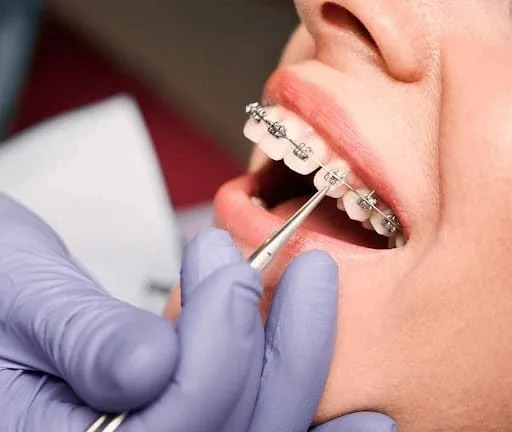
To better understand why braces can be painful at first, it helps to know the basics of how they work.Braces move teeth by applying light, controlled forces to the teeth and jaws so they gradually shift into proper alignment. The two main components commonly used in orthodontic treatment are fixed braces and clear aligners.Traditional braces consist of brackets, archwires, and bands. Brackets are bonded to the front surfaces of the teeth, and an archwire runs through these brackets. During follow‑up visits, the orthodontist adjusts the tension in the archwire to guide the teeth into better alignment. Metal bands may be placed around the back teeth to provide extra anchorage.Orthodontic treatment usually lasts from several months to a few years, depending on how complex the case is and how well the patient responds to treatment. Regular follow‑up appointments are essential to monitor progress, make adjustments, and ensure that treatment is advancing as planned.Although braces are very effective at straightening teeth, it’s common for patients to experience pain after adjustments. Factors that can cause braces pain include:
How Long Does Braces Pain Last?
The duration of braces pain varies from person to person and depends on several factors, such as individual pain tolerance, the type of orthodontic appliance used, and the specific adjustments made during treatment. In general, braces pain is temporary and usually lasts from a few days to about a week after the braces are placed or tightened.The initial discomfort that appears after first getting braces or after an adjustment is usually the most intense. This is because the teeth and surrounding tissues need time to adapt to the new pressure and movement. As the teeth and periodontal ligaments get used to the braces and treatment progresses, the pain typically subsides gradually.
How to Relieve Braces Pain
Fortunately, there are many ways to reduce or relieve the temporary pain associated with braces. Here are 10 of the most effective methods:
1. Over‑the‑Counter Pain Relievers
Simple pain medications such as paracetamol (acetaminophen) and ibuprofen can be very effective for braces pain when used as directed and if they are safe for you medically.
2. Topical Anesthetics
Rubbing an oral numbing gel or cream on your teeth and gums can help desensitize them and reduce pain for a short period.
3. Orthodontic Wax
Non‑toxic orthodontic wax can be placed over brackets or wires to form a protective barrier, preventing them from rubbing against the cheeks, lips, and gums and reducing irritation.
4. Soft Foods
Soft foods like soups, mashed potatoes, smoothies, yogurt, and well‑cooked pasta help prevent or ease pain while your mouth is adjusting. This adaptation period is usually about a week. Avoid hard or sticky foods such as lollipops, nuts, or chewing gum.
5. Cold Compresses
A simple ice pack can effectively ease pain and inflammation. Wrap it in a clean towel and place it on the outside of your cheek over the painful area for short intervals.
6. Ice‑Cold Water
If needed, slowly sipping a glass of very cold water can help reduce discomfort and mild swelling caused by braces.
7. Warm Salt‑Water Rinses
Rinsing your mouth with warm salt water can soothe irritated tissues and help heal any small sores or ulcers inside the mouth.
8. Gum Massage
Gentle massage is a well‑known method of pain relief and can be helpful for inflamed gums. Using a clean finger, gently rub the gums in a circular motion until the swelling and discomfort start to calm down.
9. Good Oral Hygiene
It’s crucial to keep your braces and teeth clean and free of food debris. Regular brushing and flossing (or using interdental brushes and water flossers) are essential. Brush very gently around sore teeth and gums to avoid further irritation while still maintaining hygiene.
Medical Treatment Options for Braces Pain
Although braces pain is a routine and expected part of orthodontic treatment, certain medical or advanced techniques may be used in selected cases to help reduce discomfort. These may include:
Using Botulinum Toxin (Botox) Injections
Using Dental Lasers
Using Clear Orthodontic Techniques (Clear Aligners)
It is important to note that the medical methods listed above for managing braces pain are not suitable or recommended for every patient. The best way to manage your discomfort is to communicate openly with your orthodontist, who can provide personalized advice and adjust your treatment plan according to your specific needs.
General Tips for Dealing With Pain After Braces
Here are some general recommendations to help minimize pain and discomfort from braces:– Follow your orthodontist’s instructions carefully, including how and when to wear elastics or other appliances. – Stick to soft foods during the first few days after getting braces or after each adjustment. – Avoid biting directly into very hard foods (such as whole apples, crusty bread, or ice). – Use orthodontic wax on any brackets or wires that are causing irritation. – Maintain excellent oral hygiene to reduce inflammation of the gums. – Keep all scheduled follow‑up appointments so necessary adjustments can be made smoothly.These are general guidelines, and it’s important to consult your orthodontist for personalized advice.
FAQs About Braces Pain

One simple way to relieve braces pain is to apply an oral numbing gel directly to sensitive teeth and gums.You can also place an ice pack or a bag of ice cubes wrapped in a towel on the outside of the jaw over the sore gums for about 20 minutes at a time to help reduce pain.Effective home measures for braces pain include: 1. Taking appropriate over‑the‑counter pain relievers 2. Using orthodontic wax on irritating brackets and wires 3. Rinsing with warm salt water 4. Using cold water or cold compresses 5. Watching what you eat and choosing soft foods 6. Brushing your teeth more frequently but gentlyIn general, it takes about a month for most people to fully get used to the new feeling of having braces in their mouth.The first time you get your braces placed, you can expect tooth soreness to last for about a week.