
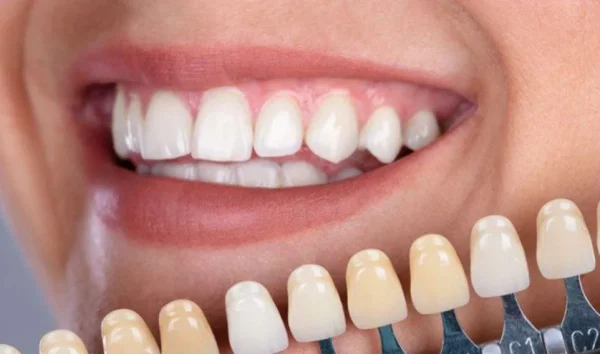

Tooth stains and discoloration can occur for many unavoidable reasons, such as aging, trauma, or illness. Other causes are preventable, like smoking and poor oral hygiene. In addition, certain foods, drinks, and tobacco products can cause staining and change the color of teeth over time.These issues can often be corrected with professional teeth whitening treatments, which use bleaching agents to remove stains and restore the teeth’s natural brightness. At Batal Dental Center in Saudi Arabia, our team can also advise you on the causes of tooth discoloration and how to maintain good oral health and a bright, attractive smile.Read also: Dental Calculus (Tartar) Treatment and How to Remove It
Types of Tooth Discoloration
There are several main types of tooth stains and discoloration:
Extrinsic Discoloration
This type of discoloration affects the outer surface of the teeth—the enamel. As mentioned, exposure to certain environmental factors, such as specific foods and beverages, can lead to external staining on the enamel.
Intrinsic Discoloration
This type of discoloration develops inside the tooth and affects the dentin (the layer beneath the enamel). Causes may include dental trauma, certain medications, and other internal factors.Localized, dark intrinsic discoloration is more common than uniform discoloration of the entire tooth. Unlike surface stains, intrinsic stains are incorporated into the tooth structure itself.In addition, changes in tooth color may result from excessive fluoride exposure, certain illnesses, or enamel erosion that exposes the underlying dentin.Read also: Treating Tooth Decay in Children
Causes of Tooth Staining
There are many causes of tooth stains and discoloration. Some of them are preventable. The following comprehensive list can help identify why tooth color has changed and, in many cases, help prevent further discoloration:Read also: Everything You Need to Know About Dental Grafts and Fillings
How Do Dentists Treat Discolored Teeth?

Dentists use different treatment options for tooth discoloration depending on the underlying cause and whether the stains affect the external or internal layers of the teeth. Common treatment methods include:
In-Office Professional Teeth Whitening
Dentists may provide professional in-office teeth whitening, which typically uses hydrogen peroxide or carbamide peroxide to break down and lift stains from the teeth.Professional whitening works best for removing extrinsic (surface) stains, but some whitening products can also lighten deeper intrinsic discoloration in the teeth.An in-office whitening session usually takes about one hour to complete.
Dental Bonding
If a patient has deep internal discoloration that does not respond to whitening, the dentist may recommend dental bonding. This procedure involves applying a tooth-colored composite resin to the affected teeth to mask discoloration.Bonding is generally much more affordable than other cosmetic options (such as porcelain veneers), but it typically requires touch-ups or replacement every five to seven years.
Porcelain Veneers
For patients with extensive discoloration that does not improve with whitening, porcelain veneers can be an excellent option. Veneers are thin but durable, tooth-colored ceramic shells that cover the front surface of the teeth.Porcelain veneers usually need to be replaced every five to fifteen years, depending on care and individual factors.
Dental Crowns
Sometimes, tooth discoloration is a sign of tooth decay. If a patient has weakened or decayed teeth in addition to discoloration, the dentist may recommend dental crowns.A crown is a tooth-shaped cap placed over the tooth to protect it from further damage. Crowns help restore the health and function of the tooth while also improving its appearance.Read also: Everything You Need to Know About Air-Flow Dental Cleaning Systems
Preventive Tips from Batal Specialty Center
Batal Specialty Center offers several important recommendations to help prevent tooth discoloration:
Daily Oral Hygiene
Brush your teeth at least twice a day with a fluoride toothpaste and use an appropriate toothbrush to effectively remove plaque and surface stains.
Limit Stain-Causing Foods and Drinks
Try to reduce your intake of beverages and foods known to cause stains—such as coffee, tea, cola, red wine, and strongly pigmented sauces. If you do consume them, rinse your mouth with water afterward.
Avoid Smoking and Tobacco
Smoking and using other tobacco products are among the most common causes of yellow and brown stains on teeth. Quitting tobacco significantly improves both the color of your teeth and your overall oral health.
Use Mouthwash or a Water Flosser

If you are looking for a way to reduce those hard-to-remove stains between the teeth and along the gumline, the dentists at Batal Center recommend using an antiseptic mouthwash or a water flosser. Both are excellent options for improving cleaning in these difficult areas.If these measures are not enough or you are still concerned about tooth discoloration, we recommend visiting our center, where a highly qualified and experienced dental team is available to assess your condition and provide the most suitable treatment.Read also: What Causes Tooth Discoloration and What Are the Solutions and Treatments?