

How Long Does It Take for a Dental Abscess to Heal and How Is It Treated?

In this article, we’ll discuss how long it takes for a dental abscess to heal and the different treatment options. The healing time for a dental abscess depends mainly on how severe the abscess is and what kind of treatment the patient receives.A dental abscess is a serious bacterial infection that affects the pulp of the tooth from the inside. The outside of the tooth is covered with a hard layer called enamel, but the inside is filled with connective tissue, nerves, and blood vessels. Sometimes, the root of the tooth gets infected and a pocket of pus (abscess) forms.To learn more or get proper dental care, you can contact Batal Dental Center in Saudi Arabia, where there is a highly experienced medical team with comprehensive dental and medical knowledge.Read also: Different Types of Bacteria Found in the Mouth
Types of Dental Abscess
A dental abscess develops when bacteria found in dental plaque—a sticky film that builds up on the teeth as a byproduct of food and bacteria—attach to the teeth and damage the gums.If plaque is not removed regularly by brushing and flossing, a dental abscess can slowly form.There are two main types of dental abscess:
Symptoms of a Dental Abscess in the Mouth
When a dental abscess is present, it usually causes specific signs and symptoms. Below is a list of common symptoms of an abscess in the mouth:When you notice any of the symptoms listed above, there is a high chance that a dental abscess is present. These symptoms may also indicate that the infection has started to spread to the surrounding tissues and the jawbone.You should book an appointment with your dentist before the condition worsens. We recommend visiting Batal Dental Center in Saudi Arabia, where the dentists have extensive experience in managing such cases.Read also: Protecting Oral Health | Identifying Dental Emergencies
What Causes a Dental Abscess?
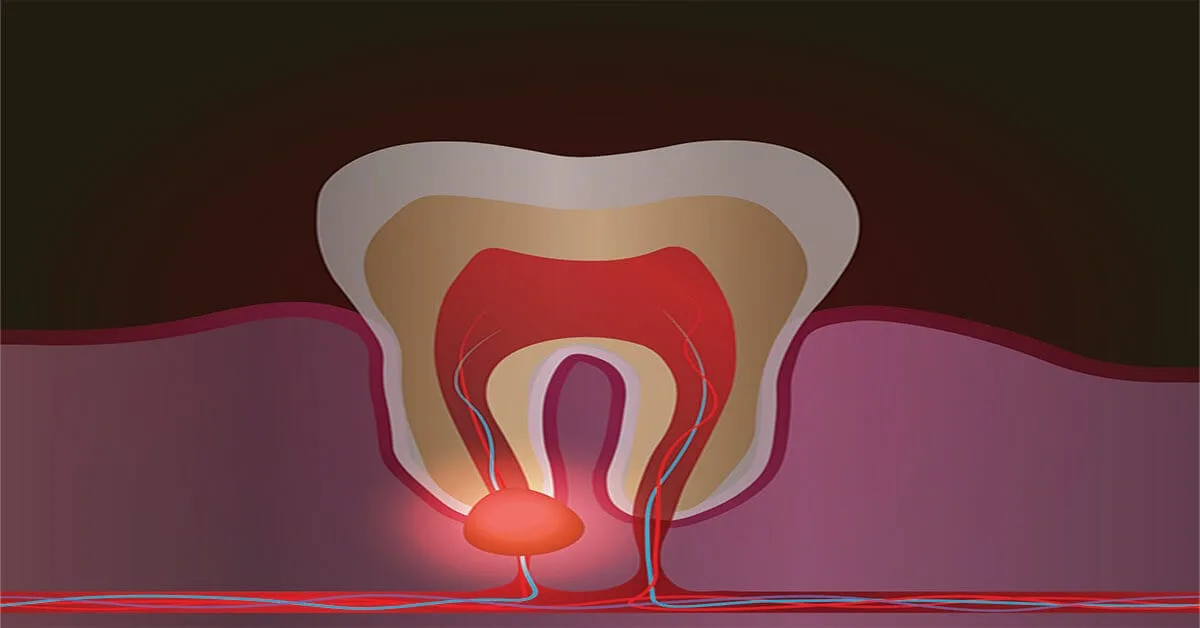
There are many factors that can lead to a dental abscess. Because the inner part of the tooth is filled with nerves, soft tissue, and blood vessels, it is vulnerable to infection.
Other Factors That Can Cause a Dental Abscess
Read also: Dental Checkups | How Often Should You Get Them?
Treatment of a Dental Abscess
Treatment for a dental abscess—and for quickly relieving toothache—starts with eliminating the infection and managing the pain, depending on the type and severity of the abscess. Treatment options for a dental abscess may include:
The Best Treatment for an Abscess Under a Tooth
To prevent a dental abscess, you need to maintain good oral hygiene. The best ways to get rid of or avoid a dental abscess include:Read also: Home Remedies for Tooth Sensitivity | 8 Ways to Relieve Tooth Pain
How Long Does It Take for a Dental Abscess to Heal?
On average, a dental abscess takes about 10–15 days to heal. However, the exact healing time depends on how severe the abscess is and the type of treatment the patient receives.You should never ignore the symptoms of a dental abscess. It is essential to get appropriate dental treatment and schedule an appointment with your dentist to make sure the infection has not spread to other areas.The specialized dental team at Batal Dental Center in Saudi Arabia has the expertise to provide the best possible dental treatment, so do not hesitate to visit.
When Should You See a Dentist?
If you experience any of the signs or symptoms mentioned above, you should see a dentist immediately—especially if you notice swelling in your face, have a fever, or feel that the abscess is getting hotter or more inflamed.The only way to get rid of this pain and condition is to receive proper dental treatment.Read also: Why Is It So Important to Maintain Tooth Structure?
The Difference Between a Gum Abscess and a Tooth Abscess

A gum abscess (periodontal abscess) develops in the gum tissue, while a tooth abscess (periapical abscess) forms in the tooth itself. However, the difference between a gum abscess and a tooth abscess can become less clear, because a periodontal abscess often affects both the tooth and the surrounding gum.Sometimes, an infection in the tooth and its pulp spreads outward and involves the gum tissue. This can happen when there is a large cavity or root decay, creating space inside the tooth and in the surrounding tissues where bacteria can multiply.At other times, a deep gum abscess worsens and starts to affect the tooth and its pulp. Severe infections that involve both the teeth and gums often require intensive treatment, and the dentist may find multiple abscesses in the mouth.Read also: Everything You Need to Know About Deep Dental Cleaning