
How to Care for Your Teeth After Teeth Whitening: What You Need to Know

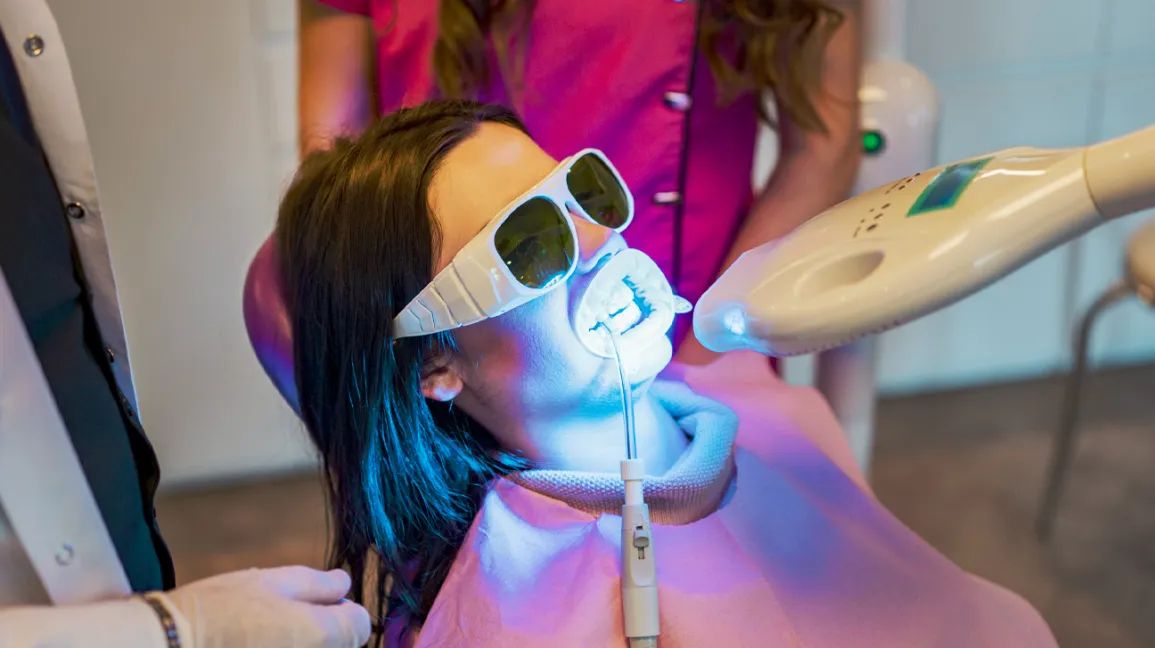
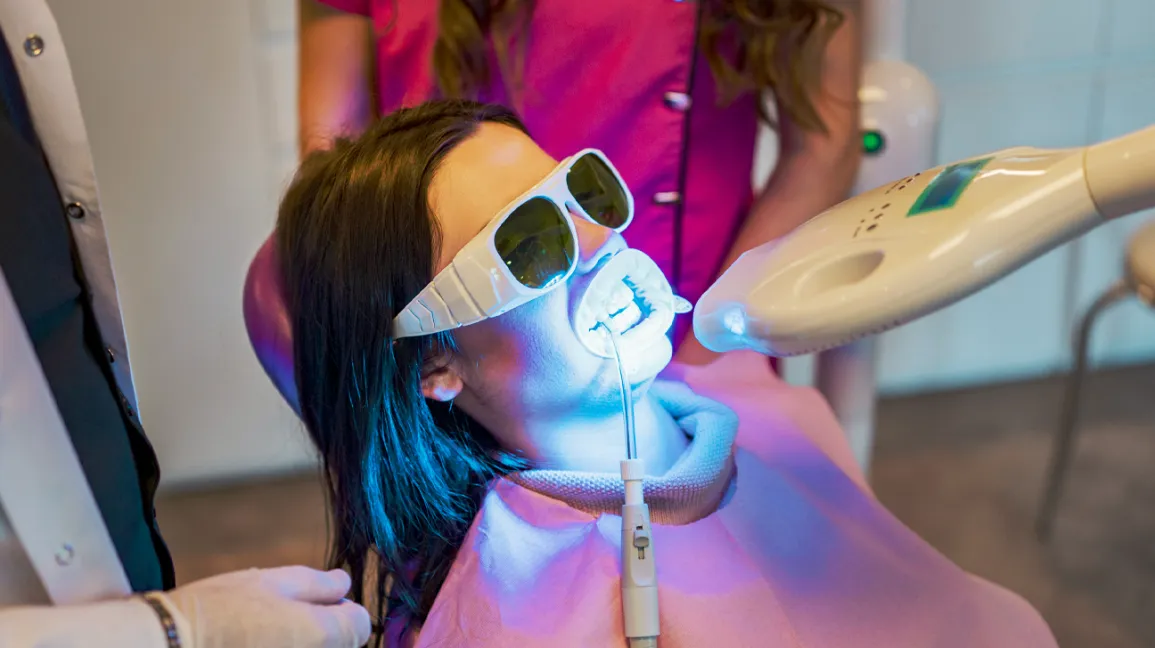
Many people turn to different teeth whitening treatments to achieve a brighter smile. In this article, we’ll go over expert tips on the best oral care routine and how to look after your teeth after whitening. For the most advanced whitening and dental treatments in Saudi Arabia, we recommend visiting Batal Dental Center.Read also: Root Canal Treatment Procedure: How It’s Done
How Does Teeth Whitening Work?
The key active ingredient in most teeth whitening products is either hydrogen peroxide or carbamide peroxide. Other agents such as fluoride are often used alongside these peroxides. Adding fluoride to whitening products helps protect against enamel demineralization during the whitening process and can also reduce post-whitening tooth sensitivity.Read also: Digital Smile Design: What It Is and Its Benefits
How to Maintain and Care for Your Teeth After Whitening
In the first few hours and days after treatment, it’s essential to stay on top of your oral hygiene to help your flawless smile last as long as possible. Here are some tips on how to care for your teeth after whitening:
Brush at Least Twice a Day
Brush your teeth at least twice a day to prevent plaque buildup on the enamel and to avoid bad breath caused by food particles left on and between the teeth. This helps remove surface stains as they form and reduces the chance of your teeth becoming discolored again.Over-the-counter whitening toothpaste and at‑home whitening kits can also be used as maintenance options over the long term, as recommended by your dentist.
Floss Daily
Flossing is one of the most effective ways to keep your teeth healthy and strong. Dental floss removes plaque that builds up between the teeth and along the gumline, and it helps prevent food debris from getting trapped in these areas, where plaque and stains tend to form.
Use an Antiseptic Mouthwash
An antiseptic mouthwash is an effective way to reduce oral bacteria. It helps flush out remaining food particles in the mouth after meals and also helps prevent bad breath. Your dentist may recommend an alcohol‑free mouthwash, especially if you have sensitive teeth or gums.
Avoid Smoking and Tobacco Products
Cigarette smoke and other tobacco products can quickly stain teeth and reverse whitening results. Avoiding smoking and smokeless tobacco is crucial to keeping your smile bright.For long‑lasting white, healthy teeth and a confident smile, consider regular follow‑ups at Batal Dental Center in Saudi Arabia.Read also: What Happens If I Don’t Wear My Invisalign for One Day?
How Long Do Teeth Whitening Results Last?
Whitening results can last anywhere from a few months up to about 3 years, depending on the individual. The effect will fade more quickly if you smoke or frequently drink beverages that stain the teeth, such as red wine, tea, and coffee. These substances gradually discolor the natural dentin beneath the enamel.To maintain your results, your dentist will usually recommend periodic professional cleaning and fluoride treatments to support enamel health and prolong the whitening effect.Read also: How Long Do Composite Veneers Last?
Foods and Drinks That Stain Teeth
A chemical group known as chromogens is responsible for the intense color in many foods and drinks. These compounds can bind to tooth enamel and cause staining. Acidic substances can also erode enamel, making it easier for stains to penetrate.Common foods and beverages that contribute to tooth discoloration include:
Coffee
Even a single cup of coffee each morning can gradually stain your teeth, especially after whitening when enamel is more susceptible to pigments.
Acidic Foods and Drinks
Vinegar, lemons, oranges, and other citrus fruits are examples of acidic foods that can weaken the enamel and irritate the gumline, making teeth more prone to staining.
Dark Sauces
Soy sauce, barbecue sauce, and heavily pigmented pasta sauces can all contribute to discoloration and should be limited, especially right after whitening.
Dark-Colored Fruits
Dark berries such as blackberries, blueberries, and pomegranates contain strong pigments that can stain teeth. If you consume them, it’s best to rinse your mouth or brush afterward.Read also: Batal Specialty Dental Center in Jeddah
Is Teeth Whitening Suitable for Everyone?
Teeth whitening is not appropriate for all patients. The best candidates are individuals with good oral health, no extensive fillings or restorations on front teeth, and healthy gum tissue. Whitening is generally recommended for patients aged 14 and older, once the permanent teeth and pulp chambers are more fully developed.Whitening is usually not recommended for people with:– Marked tooth sensitivity – Active gum disease (gingivitis or periodontitis) – Oral cancer – Significant enamel erosion or structural enamel defectsBefore proceeding with whitening, your dentist will treat any cavities, gum disease, or other oral health issues. Teeth whitening is also generally not performed on women who are pregnant or breastfeeding, for safety and precautionary reasons.Read also: Temporomandibular Joint (TMJ) Disorder Symptoms: Common Signs to Watch ForIndividuals with oral health problems such as very sensitive teeth, periodontal disease, oral cancer, or severely worn and damaged enamel should avoid whitening procedures unless specifically cleared and supervised by a dentist.The team at Batal Dental Center in Saudi Arabia can help determine whether teeth whitening is a suitable option for you. Their dental professionals are committed to delivering high‑quality, evidence‑based treatment and excellent patient care.Read also: Do Dental Implants Cause Problems? 5 Common Complications to Avoid with Batal Dental CenterThe dental clinic at Batal Specialty Complex is equipped with advanced tools and technologies designed to help anyone suffering from tooth pain receive effective, comfortable treatment from highly skilled dentists. Book an appointment at the Batal Specialty Complex dental clinic to get timely care and relieve your dental pain.Read also: Tooth Enamel Erosion: Causes, Diagnosis, and Treatment