

Table of content
ToggleDental Pulp Inflammation (Pulpitis) Treatment
When dental pulp inflammation (pulpitis) occurs, treatment becomes essential. The inner tissue of the tooth becomes inflamed, and bacteria entering the tooth through a cavity or crack cause an infection.
Early pulpitis is reversible. Without treatment, the inflammation will worsen and you will eventually need a root canal or tooth extraction. Good oral hygiene and regular dental checkups can help prevent pulpitis.
What Is Dental Pulp Inflammation (Pulpitis)?
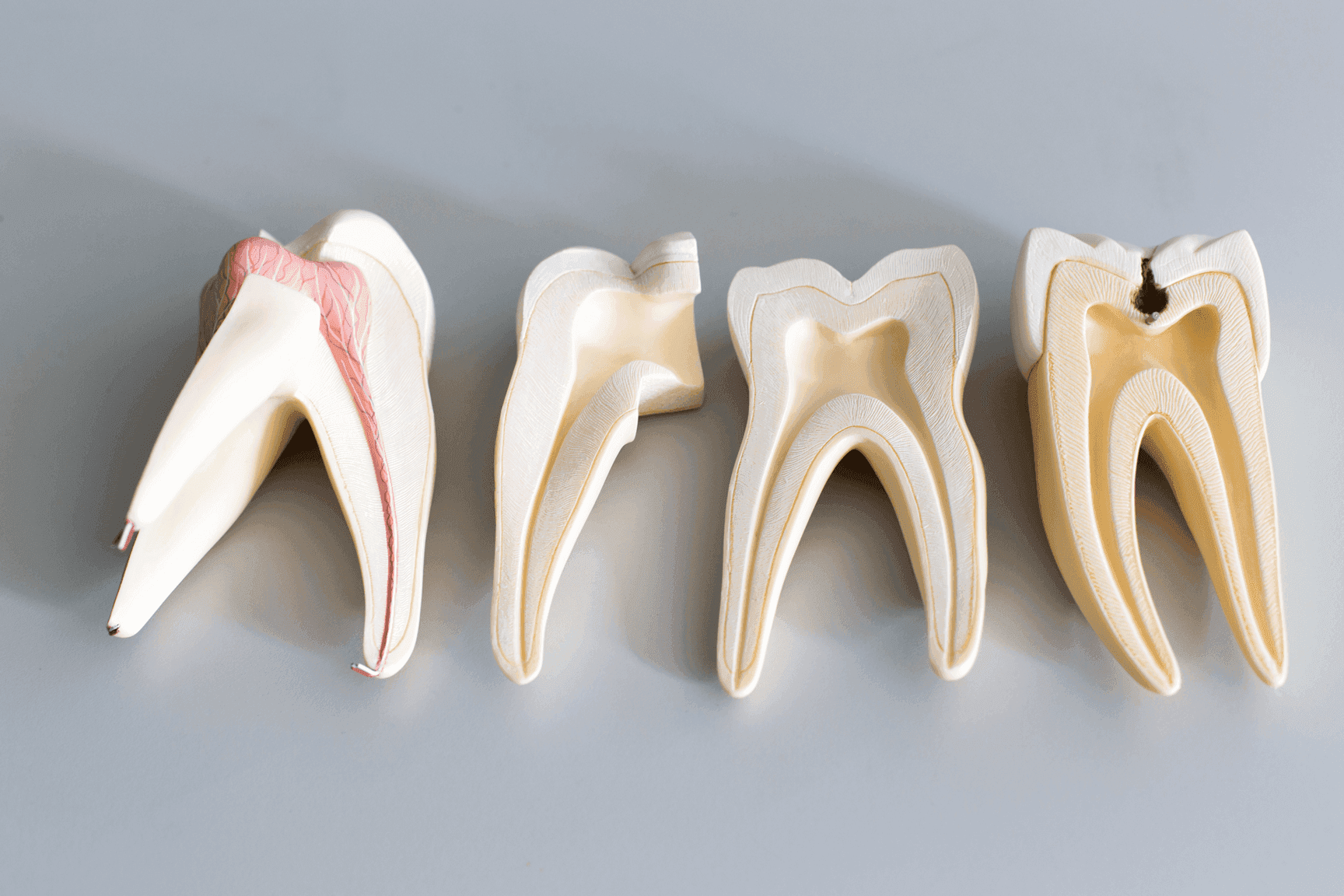
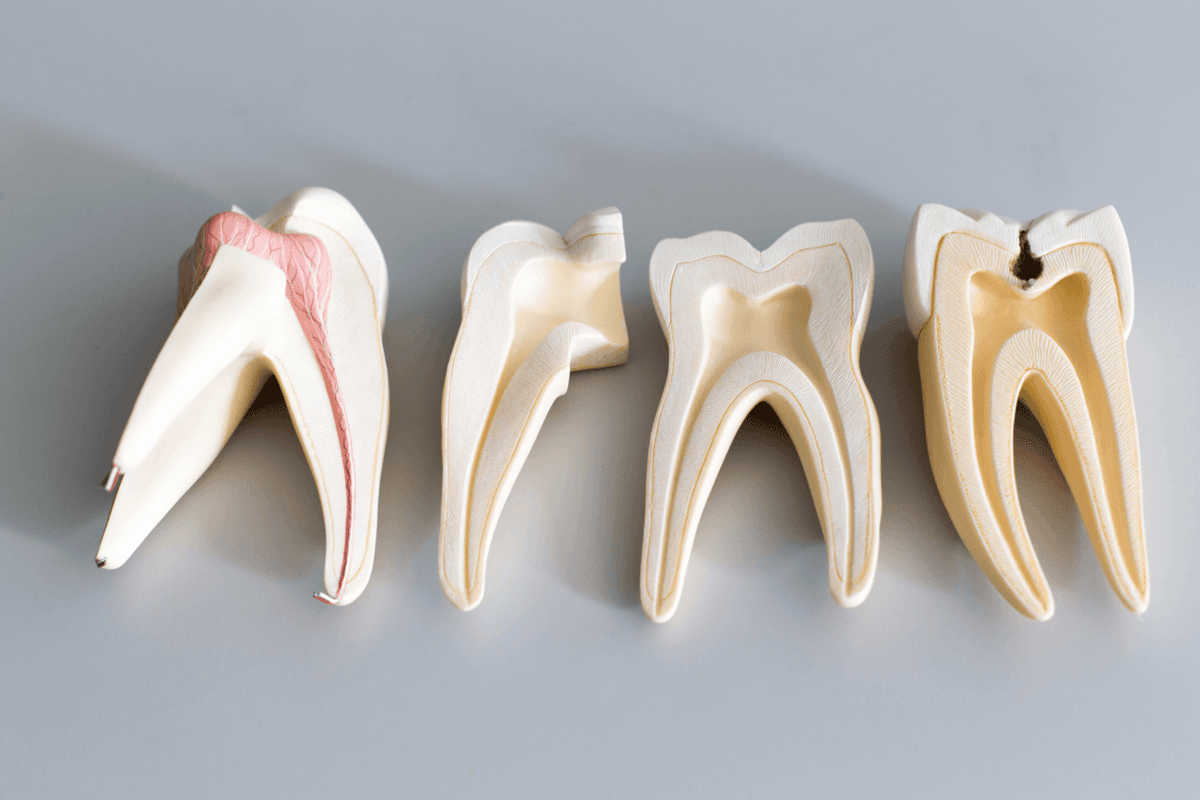
The pulp (or nerve) is the soft inner tissue of your teeth. It contains nerves, blood vessels, and connective tissue. The pulp supplies blood and nutrients to the hard outer layers of your teeth to keep them healthy. Pulpitis usually develops when there is irritation inside the tooth caused by issues such as teeth grinding or dental caries (cavities).
What Are the Types of Dental Pulp Inflammation?
Dentists classify pulpitis into two main types based on the extent of the condition:
- Reversible pulpitis: In this early stage, the inflammation is mild and the pulp can recover if your dentist treats the tooth and seals it with a filling.
2. Irreversible pulpitis: At this stage, the inflammation is more advanced and the tooth can no
longer heal on its own. The pulp tissue will eventually die — a condition known as pulp necrosis.
What Are the Symptoms of Dental Pulp Inflammation?
Toothache and sensitivity are the main symptoms of pulpitis. The type of pain you feel usually depends on how advanced the inflammation is.
Symptoms of <strong>reversible pulpitis</strong> include:
- No pain when the dentist taps on the tooth.
- No sensitivity to heat.
- Sensitivity to cold or sweets that goes away quickly; people often describe this as a sharp, brief pain.
With irreversible pulpitis, you may experience:
- Pain when the dentist taps on the tooth.
- Sensitivity to heat, cold, or sweets that lasts for more than a few seconds; this pain may feel throbbing, aching, or sharp.
If pulp necrosis occurs and the nerve tissue dies, you may no longer feel sensitivity to heat, cold, or sweets, but the tooth can still be painful when the dentist taps on it.
What Causes Dental Pulp Inflammation?
How Is Dental Pulp Inflammation Diagnosed?
One of the main ways dentists diagnose pulpitis is by assessing how your teeth respond to different sensitivity tests. These may include:
- Electric pulp test: This test helps determine whether the tooth nerve is still alive or if the condition has progressed to pulp necrosis. Your dentist uses an instrument to deliver a small electrical stimulus to the tooth. If the pulp is vital, you will feel a mild sensation. If the pulp tissue is dead, you will not feel the electrical stimulus.
- Thermal testing (hot or cold): The dentist applies a hot or cold substance to the tooth surface. In irreversible pulpitis, sensitivity typically persists for longer than a few seconds. If the pulp tissue has died, there is usually no sensitivity.
3.Percussion (tapping) test: The dentist gently taps on the tooth. Pain on tapping is a sign that the inflammation has progressed, often indicating irreversible pulpitis or involvement of the tissues around the root.
Your dentist will also take dental X‑rays to look for structural defects, decay, and signs of infection around the tooth and its roots.
Effective Treatment Options for Dental Pulp Inflammation
For reversible pulpitis, your dentist’s goal is to remove the cause of irritation. This often involves removing tooth decay and restoring the tooth with an appropriate filling material.
Irreversible pulpitis requires more extensive treatment to remove the diseased pulp tissue. Treatment options include:
- Root canal treatment (endodontic therapy):
You are usually referred to an endodontist (a dentist who specializes in treating pulp and root canal problems). The endodontist removes the infected pulp, cleans and shapes the root canal system, then fills and seals the empty canal.
After a few weeks, you return to your general dentist to place a dental crown over the tooth to protect it and restore its function.
- Tooth extraction:
Some patients opt to have the tooth removed. Your dentist will discuss tooth‑replacement options with you, such as dental implants or a dental bridge.
Antibiotics are not considered a primary treatment for pulpitis itself. However, they may be prescribed in certain cases to help prevent the condition from progressing to a more serious infection if there is a delay in definitive dental treatment or if there are signs of spreading infection.
What Are the Possible Complications of Dental Pulp Inflammation?
If pulpitis is left untreated, the infection can spread and lead to an abscess. This may cause:
- Pain
- Fever
- Swollen lymph nodes in the neck
If the infection progresses, it may extend to the jawbone (osteomyelitis) and to the soft tissues of the head, neck, or chest. If these infections are not treated promptly, they can become life‑threatening.
How Can I Prevent Dental Pulp Inflammation?
Good oral hygiene is the best way to prevent pulpitis. This includes:
- Brushing your teeth twice a day
- Flossing daily
- Visiting your dentist regularly for professional cleanings and checkups
- Wearing a night guard if you grind your teeth while sleeping
You should also inform your dentist as soon as you notice any tooth pain or sensitivity.
The dental clinic at Batal Specialized Complex is equipped with advanced tools and technologies to help anyone suffering from tooth pain get relief under the care of highly skilled dentists. Do not hesitate to book an appointment at the dental clinic of Batal Specialized Complex.

Dr. Muslim Mansour
Specialist in Prosthodontics – Syrian Board in Fixed and Removable Prosthodontics
Master’s Degree in Prosthodontics
16 years of experience in the field of dental prosthetics