

What is gum bleeding while brushing?

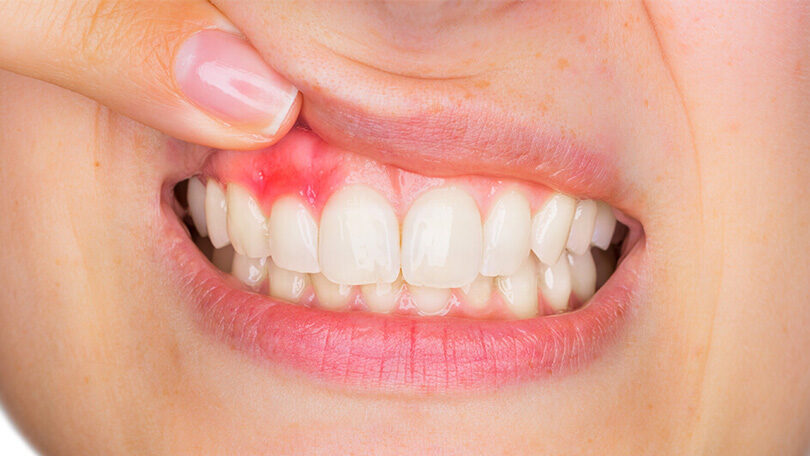
Gum bleeding while brushing refers to the oozing or flow of blood from the gum tissues during or after using a toothbrush or dental floss, and it is one of the most common signs of gingivitis (gum inflammation).
This usually occurs as a result of the buildup of dental plaque—a sticky film of bacteria and debris—along the gumline and tooth surfaces. Over time, this plaque irritates the gums, causing them to become swollen, tender, and prone to bleeding even with minimal contact.
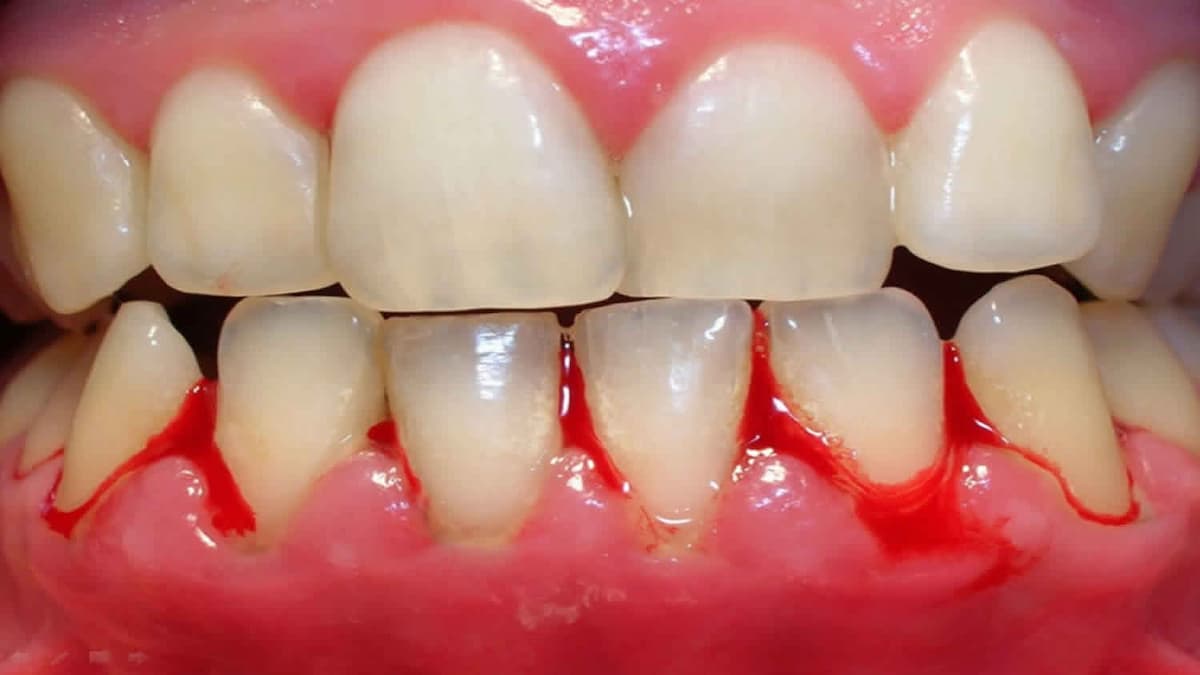
Gum bleeding while brushing may appear as streaks of blood on the toothbrush, in the toothpaste foam, or in the sink. It may also be accompanied by bad breath, gum redness, and swelling.
Although many people assume that bleeding gums are minor or “normal,” they are often an early warning sign of gingivitis or even more serious periodontal diseases if left untreated. Recurrent gum bleeding should not be ignored; it is important to see a dentist to determine the underlying cause and develop an appropriate treatment plan.
Causes of Gum Bleeding While Brushing or Cleaning the Teeth
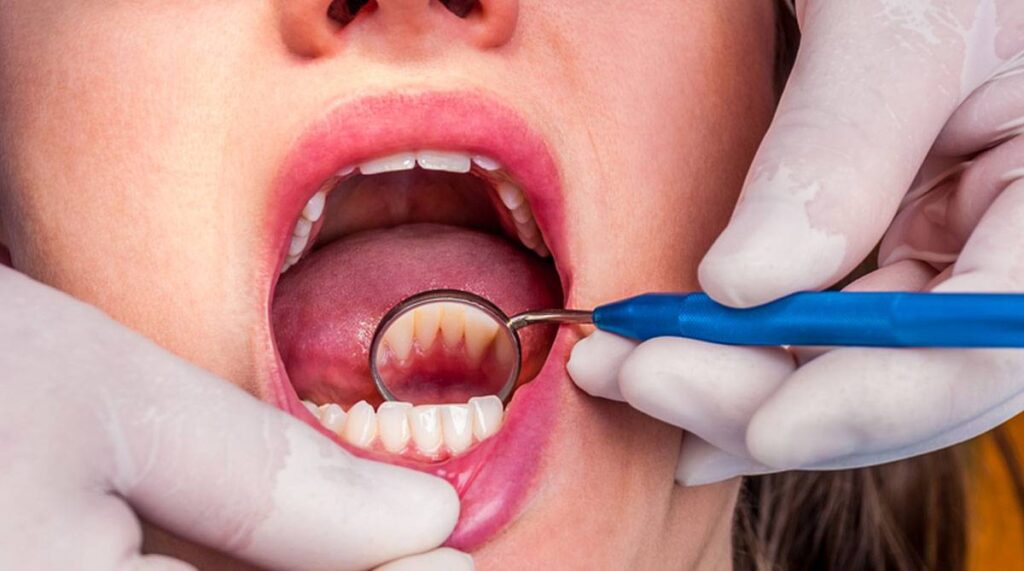
Gum bleeding during toothbrushing or flossing is most commonly caused by gingivitis, which results from the buildup of dental plaque and calculus (tartar) around the teeth. The inflamed gum tissue becomes irritated and bleeds easily when exposed to a toothbrush or dental floss.
Using a hard-bristled toothbrush or brushing too aggressively can also create micro‑injuries in the gums, leading to recurrent bleeding, especially in people with sensitive or thin gingival tissue.
Another common scenario is neglecting oral hygiene for a prolonged period and then suddenly resuming vigorous brushing; in this case, the gums are more prone to bleeding.
Persistent gum bleeding may also be linked to deficiencies in certain vitamins such as vitamin C and vitamin K, or to blood clotting disorders, in addition to the effect of some medications like anticoagulants (blood thinners).
Smoking, psychological stress, hormonal changes during pregnancy or puberty, and diabetes are all factors that increase the likelihood of gum bleeding during oral hygiene practices. Ongoing or recurrent bleeding should not be ignored and warrants evaluation by a dentist.
How Is the Cause of Gum Bleeding Diagnosed?
Diagnosing the cause of gum bleeding during tooth brushing starts with taking a detailed medical history. The dentist will ask about how long the bleeding has been happening, how severe it is, your oral hygiene habits, and the type of toothbrush and toothpaste you use. They will also inquire about any chronic medical conditions or medications that may increase blood thinning or affect clotting.
The next step is a thorough clinical examination of the mouth, gums, and teeth to look for signs of gingivitis, dental plaque and calculus (tartar) build‑up, periodontal pockets, or gum recession.
The dentist may also request dental X‑rays to assess deeper problems such as advanced gum disease (periodontitis) or loss of the bone that supports the teeth.
In some cases—especially when gum bleeding is persistent or severe—the dentist may recommend blood tests to check for vitamin deficiencies such as vitamin C or vitamin K deficiency, platelet disorders, or systemic bleeding disorders.
This comprehensive evaluation helps identify the underlying cause of gum bleeding, whether it is simple gingivitis due to plaque accumulation, trauma from using a hard-bristled toothbrush, or an underlying systemic condition. Based on this, an appropriate treatment plan can be developed to stop the bleeding and protect oral and dental health in the long term.
When should you see a doctor immediately?
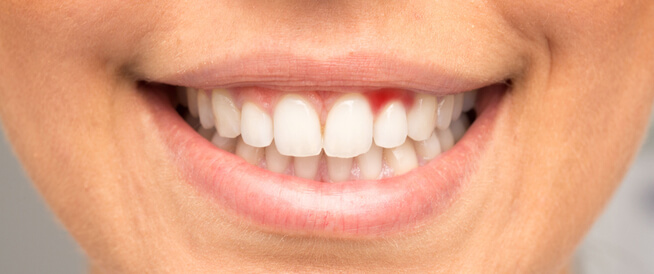
Bleeding gums during toothbrushing require an urgent dental visit if the bleeding is heavy, keeps happening every time you brush, or continues for a long time despite using a soft-bristled toothbrush and toothpaste formulated for sensitive gums.
You should also seek prompt dental assessment if the gum bleeding is accompanied by severe pain, obvious swelling and redness of the gums, persistent bad breath, or loosening of the teeth. These signs may indicate advanced gingivitis or periodontitis, which are among the main causes of bleeding gums while brushing.
The appearance of bruises or bleeding from other sites in the body (such as nosebleeds or bleeding with minimal trauma), or experiencing general fatigue and unexplained weight loss in addition to gum bleeding, may point to a deeper systemic problem such as a hematologic disorder or thrombocytopenia (low platelet count), and warrants urgent medical evaluation.
Seeking immediate medical or dental care in these situations helps accurately determine the underlying cause of gum bleeding—whether it is poor oral hygiene, bacterial infection, side effects of medications such as anticoagulants (blood thinners), or systemic diseases like diabetes mellitus—thus allowing early, appropriate treatment and reducing the risk of complications affecting the teeth, gums, and overall health.
Ways to Prevent Gum Bleeding While Brushing
To prevent gum bleeding while brushing, start by choosing a soft‑bristled toothbrush and replacing it every three months to minimize gum irritation and support overall oral health.
Brush gently using small circular motions, avoiding aggressive scrubbing or applying excessive pressure, as this can injure the gums and lead to recurrent bleeding.
Using a toothpaste formulated for sensitive gums and enriched with fluoride helps strengthen gum tissue and reduce inflammation, which in turn lowers the risk of bleeding during brushing.
An important preventive measure is to use dental floss or an interdental brush once daily to remove food debris and dental plaque from between the teeth without damaging the gums.
It is also advisable to rinse with an alcohol‑free, antibacterial mouthwash to help reduce gum infections that can cause bleeding.
Maintaining a balanced diet rich in vitamin C and vitamin K, while limiting excessive sugar intake, supports gum health and reduces their fragility and tendency to bleed.
Quitting smoking and visiting the dentist every six months for professional scaling and early detection of gum disease are among the most effective steps to prevent gum bleeding during toothbrushing.
In‑Office Treatment for Gum Bleeding During Brushing
When gum bleeding persists during tooth brushing, professional treatment at the dental clinic becomes essential to control the condition and prevent it from progressing to gingivitis or loss of the bone supporting the teeth.
The dentist begins with a thorough examination of the gums to determine the underlying cause of bleeding, such as tartar (calculus) build-up or the presence of deep periodontal pockets. This is followed by professional cleaning of the teeth and gums to remove tartar and dental plaque that cannot be eliminated with regular brushing at home.
In more advanced cases of gum bleeding, the dentist may perform deep cleaning below the gumline (scaling and root planing) to reduce inflammation and allow the gums to reattach to the tooth roots.
If the gum inflammation is severe or associated with infection, the dentist may prescribe an antiseptic mouthwash or local or systemic antibiotics to help stop the bleeding and speed up gum healing.
The dentist will also provide tailored instructions for daily gum care—such as proper brushing technique, the correct use of dental floss, and choosing an appropriate toothbrush—since the success of in‑office treatment for gum bleeding largely depends on the patient’s adherence to home care instructions and regular follow‑up visits.
Through this comprehensive approach, gum bleeding during brushing can be controlled and future complications can be prevented.
Temporary Home Care and First Aid Steps for Bleeding During Brushing
If you notice your gums bleeding while brushing your teeth, you can follow a few first-aid measures and temporary home-care steps to help control the bleeding and prevent the problem from worsening until you visit your dentist.
First, stop brushing immediately and gently rinse your mouth with cold water or a saltwater solution (½ teaspoon of salt in a cup of lukewarm water) to help disinfect the gums and reduce inflammation.
Next, apply gentle pressure to the bleeding area using a piece of sterile gauze or a clean cotton pad for a few minutes to help stop the bleeding.
Avoid using a hard-bristled toothbrush or brushing aggressively. Switch to a soft-bristled toothbrush along with a toothpaste formulated for sensitive gums until you can see your dentist.
It is also advisable to avoid hard and spicy foods, carbonated drinks, and smoking, as these can further irritate the gums and aggravate bleeding during toothbrushing.
If the gum bleeding continues for more than a few minutes, or if it occurs daily and is accompanied by bad breath, gum swelling, or redness, you should seek dental care promptly. Home remedies are only temporary, emergency measures; they do not replace proper treatment of the underlying cause of gum bleeding.
How Does Batal Dental Complex Help Diagnose and Treat Gum Bleeding?
At Batal Dental Complex, managing bleeding gums during brushing starts with a thorough clinical examination and, when needed, dental X‑rays to accurately determine the underlying cause—whether it’s simple gingivitis, periodontitis, or the buildup of calculus (tartar) and dental plaque.
Our dentists and periodontists rely on comprehensive professional cleaning of the teeth and gums (scaling and root planing), supported by a treatment plan tailored to your condition. This may include topical medications or antiseptic mouthwashes when necessary to reduce inflammation and control infection.
The medical team also focuses on educating you about proper brushing technique, correct use of dental floss, and how to choose a suitable toothbrush and toothpaste, with regular follow‑up visits to make sure gum bleeding stops and your oral health continues to improve.
Through this integrated approach to diagnosis and treatment, Batal Dental Complex offers a definitive solution to bleeding gums during toothbrushing and helps protect you from complications such as gum recession and tooth mobility.