
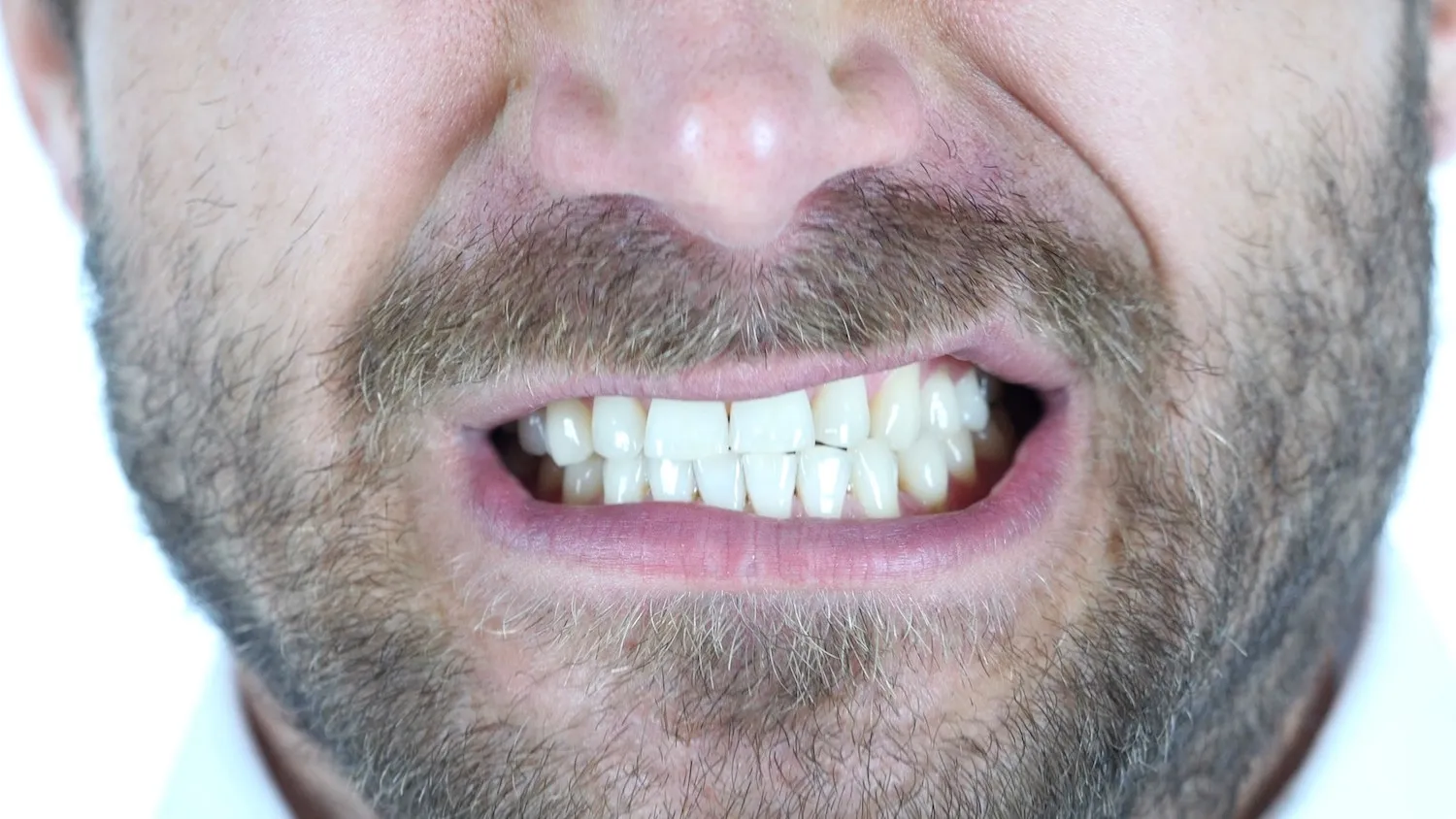

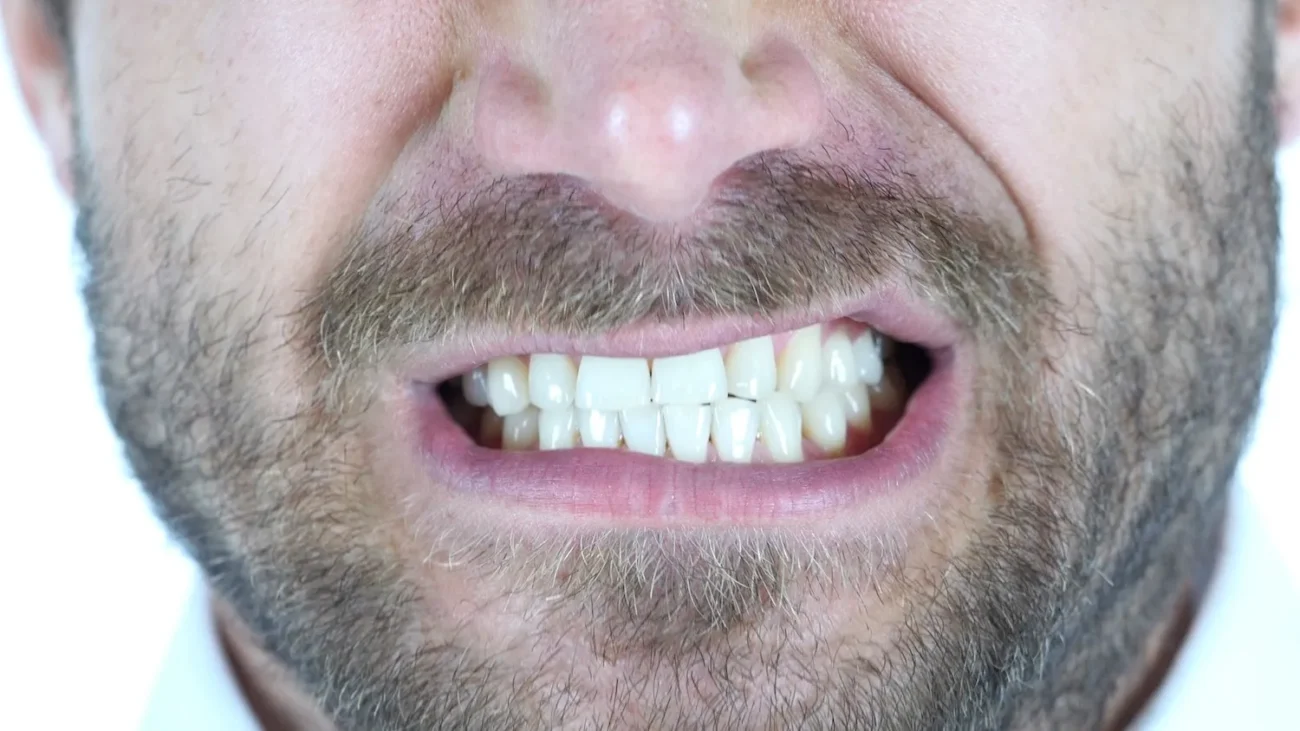
There are many different causes of teeth grinding, including stress, anxiety, and poor oral hygiene. If you need help treating bruxism (teeth grinding) or any other dental issue, you should visit Batal Dental Center in Saudi Arabia, where you’ll find extensive experience and excellent services.Read also: Root Canal Treatment Procedure and How It’s Done
Types of Bruxism (Teeth Grinding)
Teeth grinding can occur while you’re awake or asleep. The main types include:
Sleep Bruxism
This type involves grinding or clenching the teeth during sleep. It can be more harmful than awake bruxism because the person is unaware it’s happening and can’t consciously control it.
Awake Bruxism
This is when a person clenches their jaw or grinds their teeth during the day. It often happens when someone feels anxious, stressed, or angry, and may occur subconsciously while concentrating.Read also: Digital Smile Design | What It Is and Its Benefits
Causes of Teeth Grinding
Bruxism can have several underlying causes. In many cases, it’s due to a combination of certain medications, medical conditions, and emotional factors. Common causes include:
Unhealthy Lifestyle Habits
Teeth grinding can be triggered by unhealthy lifestyle choices such as smoking, drinking alcohol, recreational drug use, and consuming excessive amounts of caffeine. These habits can negatively affect brain function as well as the heart and blood vessels, which in turn can increase the risk of bruxism.
Sleep Disorders
Many cases of sleep bruxism are linked to brain activity during sleep, including sleep disorders. Obstructive sleep apnea is one of the most common sleep disorders associated with teeth grinding at night.
Emotional Stress
Anxiety, stress, anger, and frustration are all major triggers for bruxism. For example, some people clench and grind their teeth when trying to concentrate or when under psychological pressure.
Dental and Bite Problems
In some cases, bruxism may be caused by a misaligned bite (malocclusion) or missing teeth. When the bite is uneven or the teeth are crooked, this can place extra stress on the jaw joints and muscles, leading to grinding and pain.
Medications
Certain medications can cause teeth grinding as a side effect. Among them are selective serotonin reuptake inhibitors (SSRIs), which are commonly prescribed for anxiety disorders and other psychiatric conditions. Other antidepressants, including paroxetine and fluoxetine, may also be associated with bruxism.Read also: Detailed Benefits of Root Canal Treatment
The Most Common Risk Factors for Teeth Grinding
Some conditions and characteristics can increase the risk of developing bruxism, including:
Childhood and Tooth Development
Bruxism is common among children, often related to the eruption and growth of their permanent teeth. Because both the teeth and jaw develop rapidly during childhood, teeth grinding in kids often resolves on its own without causing long-term damage to the teeth.
Medical and Mental Health Conditions
Teeth grinding has been linked to a number of neurological, psychiatric, and medical conditions, including Parkinson’s disease, dementia, epilepsy, panic disorder, attention-deficit/hyperactivity disorder (ADHD), and various sleep-related disorders.
Family History
If a close family member has a history of bruxism, the likelihood of developing the same condition is higher, which suggests a possible genetic or shared environmental component.
Personality Type
People with aggressive, highly competitive, or hyperactive personality traits are more likely to grind their teeth compared to individuals with more relaxed personality types.Read also: Candidates for Invisalign Treatment | Is It the Right Choice for You?
Signs and Symptoms of Teeth Grinding
Common signs and symptoms of bruxism upon waking include:
- Dull headache or pain around the temples
- Sore or tight jaw muscles
- Pain or discomfort when chewing
- Tooth sensitivity or pain
- Worn, flattened, chipped, or loose teeth
- Clicking or popping in the jaw joint (TMJ)
- Disturbed sleep (for you or your sleep partner who hears the grinding)
Read also: Pros and Cons of Computer-Guided Dental Implant Surgery
How Can Bruxism Be Prevented?
Some people with teeth grinding can reduce or even prevent symptoms by taking good care of their overall health and stress levels. The following strategies may help:
- Managing stress through relaxation techniques such as deep breathing, meditation, or yoga
- Improving sleep hygiene and maintaining a regular sleep schedule
- Reducing or avoiding caffeine, nicotine, and alcohol, especially in the evening
- Avoiding chewing on hard objects like pens or ice, and not using gum excessively
- Wearing a custom night guard (occlusal splint) prescribed by a dentist to protect the teeth
- Seeking psychological or behavioral therapy if stress, anxiety, or other emotional issues are contributing factors

At Batal Dental Center, we provide comprehensive treatment plans and dental services to help prevent and manage teeth grinding. Our goal is to maintain your oral health and enhance your quality of life.Read also: Do Dental Implants Cause Problems? 5 Common Complications You Can Avoid with Batal Dental CenterThe dental clinic at Batal Specialized Complex is equipped with advanced tools and technologies to help anyone suffering from tooth or jaw pain get effective relief. Our dentists are highly skilled and experienced, so don’t hesitate to book an appointment at the dental clinic of Batal Specialized Complex.Read also: Tooth Enamel Erosion | Causes, Diagnosis, and Treatment