

A dental crossbite (also called reverse bite or underbite of specific teeth) is a common orthodontic problem. Orthodontists are specially trained dentists who can correct crossbites, misaligned teeth, and jaw issues. Here’s what you need to know about crossbites.Read also: Dead Teeth | Causes, Symptoms, and Treatment
What Is a Dental Crossbite (Reverse Bite)?
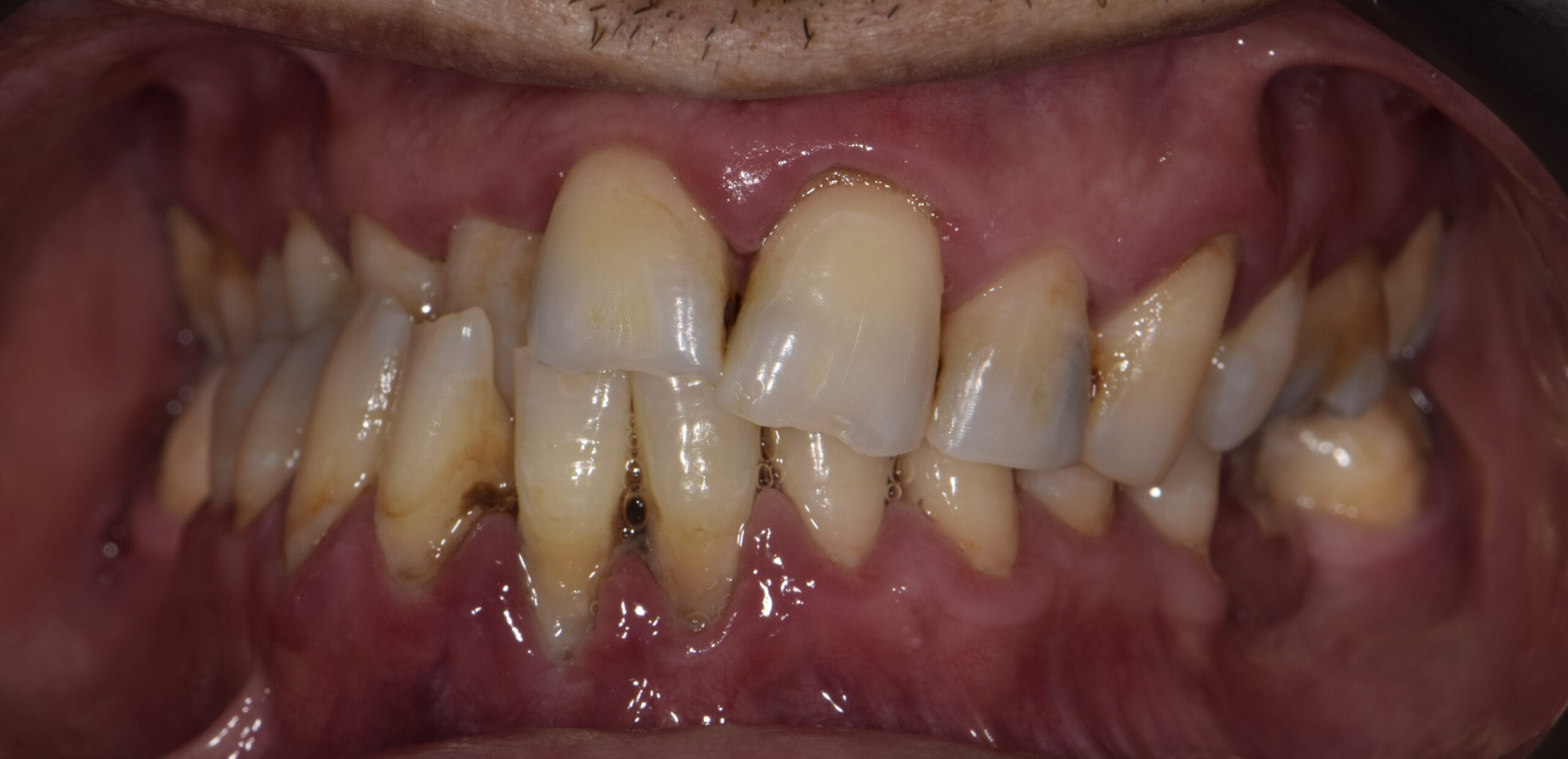
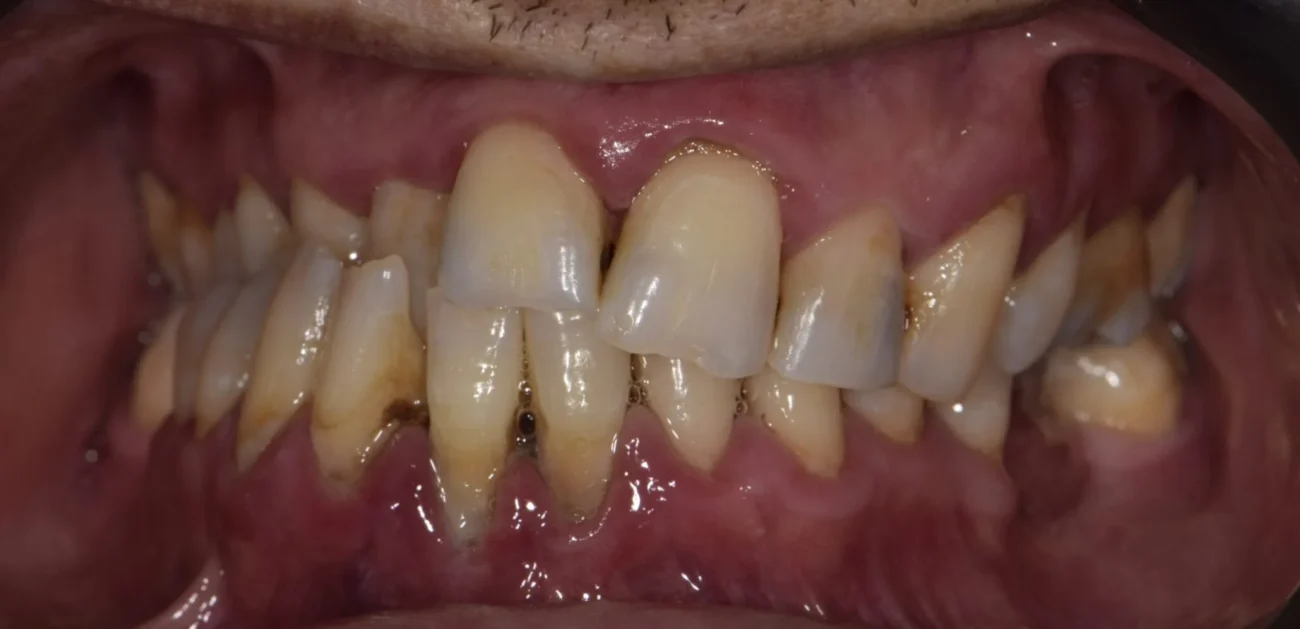
A crossbite occurs when your teeth don’t line up properly when you close your mouth. It can affect a single tooth or a group of teeth, such as your front teeth or your back (posterior) teeth.Normally, the upper teeth are slightly wider and fit on the outside of the lower teeth. Each upper tooth should meet its corresponding lower tooth so that the pressure from chewing and clenching is distributed evenly across your mouth.When you have a crossbite, these movements can cause uneven wear and damage to the teeth. In general, there are two main types of crossbite (reverse bite):Read also: Everything You Need to Know About Dental Fillings
Causes of Crossbite (Reverse Bite)
A crossbite is usually caused by a problem with the teeth, the jaw bone structure, or a combination of both. These problems may be related to habits, delayed eruption of teeth, skeletal growth issues, upper airway problems, or genetics.Common causes of a reverse bite include:– Habits that push the teeth or jaw out of position – Missing teeth or teeth that erupt late, allowing nearby teeth to drift and shift – Skeletal discrepancies where the upper or lower jaw is too narrow or too wide – Chronic mouth breathing or enlarged adenoids and tonsils affecting jaw development – Family history of jaw and bite problemsWhen teeth are missing or erupt late, other teeth may drift into the empty space, which can lead to structural and alignment problems and contribute to a crossbite.Read also: When Should You Start Orthodontic Treatment?
Symptoms of a Crossbite
The main sign of a crossbite is misaligned teeth. How it looks depends on how severe it is and which teeth are affected. For example, one tooth may sit behind another tooth when you bite down, or several teeth may not come together properly.If a crossbite is left untreated, it can lead to additional problems, such as:– Abnormal tooth wear and chipping – Jaw pain or temporomandibular joint (TMJ) disorders – Gum recession around affected teeth – Difficulty biting or chewing food properly – Asymmetrical facial growth in children – Headaches and muscle tension in the jaw and neckRead also: How to Treat an Impacted Wisdom Tooth
How Is a Crossbite Treated?
A crossbite will not correct itself on its own, so early treatment is important to prevent jaw and dental complications. The ideal time to treat a crossbite is during childhood, while the jaw and facial bones are still developing. However, adults can also successfully correct a crossbite with appropriate orthodontic treatment.If you notice that your young child has a crossbite, the orthodontist will often wait until around age 7 or 8 to begin treatment. The treatment plan will depend on the cause and severity of the crossbite.Crossbite treatment may include:– Orthodontic braces to move teeth into proper alignment – Palatal expanders to widen a narrow upper jaw in growing children – Clear aligners (such as Invisalign) for certain types of crossbite – Tooth reshaping or restorative work in selected cases – Jaw (orthognathic) surgery for severe skeletal crossbites in adultsRead also: Enamel Erosion | Causes, Diagnosis, and TreatmentThe dental clinic at Batal Specialty Complex is equipped with advanced tools and devices to help anyone suffering from dental pain get relief under the care of highly skilled dentists. Book your appointment at the dental clinic of Batal Specialty Complex as soon as possible.Read also: The Difference Between a Gum Abscess and a Tooth Abscess