

Dental bone grafting is a surgical procedure in which missing bone is replaced with material taken either from the patient’s own body or from a substitute. When enough space and proper conditions are provided, bone tissue can regenerate. As the natural bone grows, it usually replaces the graft material, resulting in a fully integrated area of new bone. To learn whether you need a bone graft, you can contact Batal Dental Center in Saudi Arabia and book an appointment with leading, highly experienced dentists.Also read: Braces Colors: How They Work and How to Choose the Right Shades
When Is Dental Bone Grafting Performed?
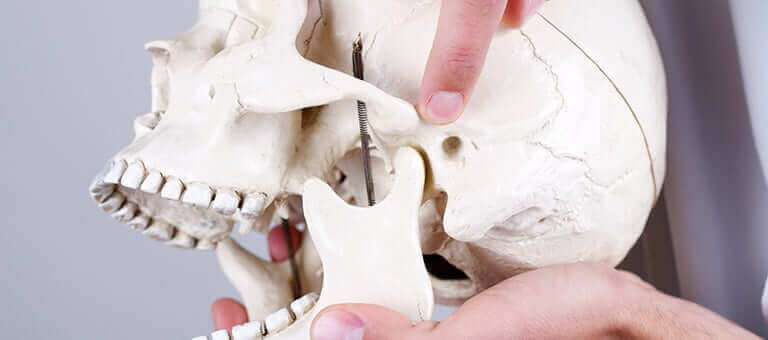
The jawbone may not always be thick or dense enough to support a dental implant. In reality, almost anyone who has lost a tooth may need a bone graft before an implant can be placed. Once a tooth is lost, the body begins to lose bone in that area every day, eventually leading to jawbone atrophy over time.Atrophy occurs when the bone that is supposed to support the teeth is resorbed. This results in poor bone quantity or quality, making it difficult—or sometimes impossible—to place a dental implant.When replacing a missing tooth with a dental implant, the dentist surgically places a small titanium post under the gum and anchors it into the jawbone. For this reason, the jawbone needs to be dense and strong enough to support the implant post.A bone graft essentially thickens and builds up the jawbone so it can reliably support a dental implant. The implant must fuse with the bone (a process called osseointegration) to create a stable foundation for the final crown.Also read: Do Dental Implants Cause Problems? 5 Common Complications You Can Avoid with Batal Dental Center
Are There Different Types of Bone Grafts?
Yes, there are several types of dental bone grafts. The type chosen depends on how severe the bone loss is and where the missing tooth is located. It is also crucial to understand that the bone graft must fully heal and integrate before the implant is placed.Jawbone is often damaged by periodontal disease or infection, which can lead to tooth extraction. If preventive steps are not taken at the time of extraction, this may cause deformities or defects in the jaw.Beyond cosmetic concerns, ridge defects (irregularities or loss of bone along the jaw ridge) can create significant challenges for restorative dental procedures. That is why it is important to discuss socket preservation with your dentist at Batal Dental Center in Saudi Arabia if they recommend removing a tooth. Healing from such procedures typically takes about 3 to 6 months.Ridge augmentation is performed by placing bone graft material into the empty tooth socket or the deficient ridge area. Complete healing generally takes between 6 and 9 months. During this period, the new bone tissue fuses with the alveolar ridge and becomes a permanent part of the jaw structure.One of the most common bone grafting procedures for patients who have lost bone in the upper jaw is the sinus lift (sinus augmentation). This technique builds bone in the floor of the maxillary sinus to allow for safe and stable placement of dental implants in the upper back teeth region.Healing after a sinus lift bone graft usually takes about 8 to 12 months.Many—but not all—patients need bone grafting before receiving dental implants. To determine whether you require a bone graft, contact Batal Dental Center in Saudi Arabia to schedule a consultation.Also read: Who Is a Candidate for Teeth Whitening? Everything You Need to Know
Batal Specialty Complex Dental Clinic

The dental clinic at Batal Specialty Complex is equipped with advanced instruments and modern devices to help anyone suffering from tooth pain receive effective, comfortable treatment. Care is provided by dentists who can be described, at the very least, as highly skilled and proficient. Do not delay—book an appointment at the dental clinic of Batal Specialty Complex and relieve your dental pain under expert care.Also read: Tooth Enamel Erosion | Causes, Diagnosis, and Treatment