

We’ll be talking about how to treat and remove dental calculus (tartar). Brushing, flossing, and rinsing with an antiseptic mouthwash are essential to prevent tartar buildup, which can accumulate on the teeth and eventually lead to gum disease and other oral health problems.Because of this, good oral hygiene is a vital part of preventing tartar formation. For safe and effective dental calculus treatment, it’s recommended to visit Batal Dental Center in Saudi Arabia, where a wide range of treatment options and high‑quality services are available.Read also: 7 Tips After Scaling and Removing Tartar
What Is Dental Calculus (Tartar)?
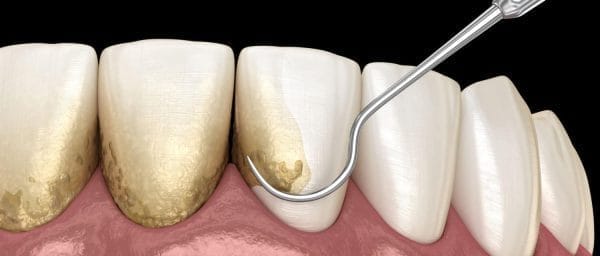
Even if someone takes good care of their teeth at home, bacteria will always be present in the mouth. These bacteria mix with proteins and food by‑products to form a sticky film. This sticky substance coats the teeth, extends below the gumline, and adheres to fillings and other dental work.This film—dental plaque—carries bacteria that can damage tooth enamel and cause cavities. When plaque is removed regularly, permanent tooth decay and gum disease can often be prevented.However, more serious problems arise when plaque is left on the teeth long enough to harden and turn into tartar (calculus). Tartar can form both above and below the gumline. Its rough surface can cause gum recession and periodontal (gum) disease. Removing tartar requires special instruments and must be done in a dental office.Read also: Treating Dental Caries
How Does Tartar Affect Teeth and Gums?
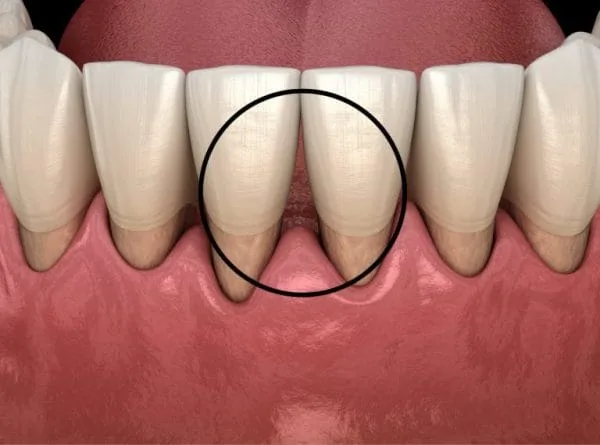
Once tartar has built up, it becomes much harder to brush and floss properly. This can lead to cavities and tooth decay.Any tartar that forms above the gumline can be particularly harmful, because the bacteria it contains may irritate and damage the gums. Over time, this can develop into progressive gum disease.Gingivitis—the earliest stage of gum disease—can often be reversed if a person brushes regularly, flosses, and uses an antiseptic mouthwash.If oral hygiene is neglected and the teeth are not cleaned properly, the condition can worsen. Pockets may form between the teeth and gums, which then become infected with bacteria. This condition is called periodontitis. Some studies have linked the bacteria involved in gum disease to heart disease and other systemic health issues.Read also: The Best Antibiotic for Gum Infection You Can Use
What Are the Symptoms of Tartar on Teeth?
Common signs and symptoms of tartar on the teeth include:– A rough or hard deposit on the tooth surface, especially near the gumline – Yellow, brown, or dark discoloration that does not go away with brushing – Bad breath (halitosis) that persists despite regular cleaning – Red, swollen, or bleeding gums, especially when brushing or flossing – Gum recession, making the teeth look longer than before – Increased tooth sensitivity due to exposed root surfaces
Tips to Help Control Tartar
To help control and prevent tartar buildup, consider the following tips:– Brush your teeth at least twice a day with a fluoride toothpaste, preferably one formulated to help control tartar and plaque. – Use a soft‑bristled toothbrush and replace it every three to four months, or sooner if the bristles are frayed. – Floss daily to remove plaque and food particles from between the teeth and under the gumline—areas your toothbrush cannot reach. – Rinse with an antiseptic or antibacterial mouthwash as recommended by your dentist to help reduce oral bacteria. – Limit sugary and starchy foods and beverages, which feed bacteria and increase plaque formation. – Avoid smoking and tobacco products, as they significantly increase tartar buildup and the risk of gum disease. – Schedule regular dental checkups and professional cleanings as advised by your dentist.Read also: Everything You Need to Know About Airflow Tooth Cleaning Systems
How Is Tartar Treated?
The only truly effective way to remove dental tartar is to visit a dentist or dental hygienist. They safely remove tartar using specialized instruments.Depending on how much tartar has built up, your dentist may recommend:
Routine Dental Cleaning (Prophylaxis)
A regular professional cleaning is the best way to maintain oral and dental health. During this appointment, the dental hygienist removes plaque and tartar from the teeth using specialized tools, and thoroughly flosses between the teeth.Many people can keep tartar under control by having their teeth professionally cleaned every six months. However, individuals who are more prone to cavities, gum disease, or other oral problems may need more frequent cleanings.
Periodontal (Gum Disease) Treatment

If tartar has already led to bone loss around the teeth, your dentist may recommend gum disease treatment. These procedures are designed to remove tartar and bacteria trapped below the gumline, where a toothbrush and floss cannot reach.Common periodontal treatments include:– Scaling and root planing (deep cleaning): to remove tartar from tooth surfaces and smooth the roots so the gums can reattach more easily. – Periodontal maintenance visits: more frequent cleanings for patients with a history of gum disease. – In some advanced cases, periodontal surgery may be needed to access deep tartar deposits and repair damaged tissues.People who have significant tartar buildup or other dental problems should consult a dentist at Batal Specialized Medical Complex to receive appropriate treatment options and personalized guidance.Read also: Dental Checkups | How Often Should You Get Them?