

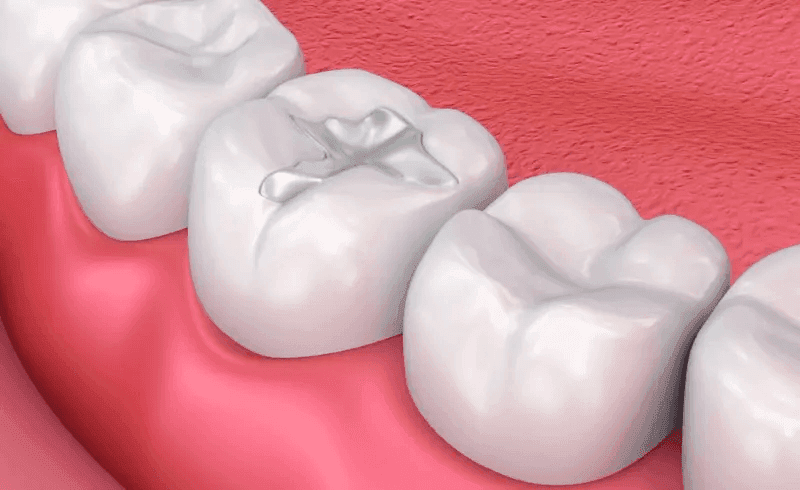

During a dental checkup, your dentist may find tooth decay or damage. If that happens, they may recommend a dental filling.This simple procedure ensures all decay is thoroughly removed and replaced with a durable filling material. There are two main categories of filling materials: amalgam (silver) fillings and composite or glass (white) fillings. Your dentist will also advise you on the best material to restore your teeth.What is a dental filling? A dental filling is a type of restorative dental treatment used to repair minor tooth fractures, tooth decay, or damaged tooth surfaces. Filling materials—which include composite resin, porcelain, and silver amalgam—can be used to rebuild tooth surfaces and improve chewing function.A dental filling is when a material (such as porcelain, an inlay/onlay, or composite resin) is placed into a damaged or decayed tooth to restore its original shape and function. This can be either:– a standard filling (which fills the center of the tooth), or – an inlay/onlay (which is more extensive than a simple filling and can cover the entire biting surface of the tooth).Fillings are most commonly used to stop further tooth damage when decay is present. By removing the bacteria and sealing the affected area, additional decay cannot develop in that spot.
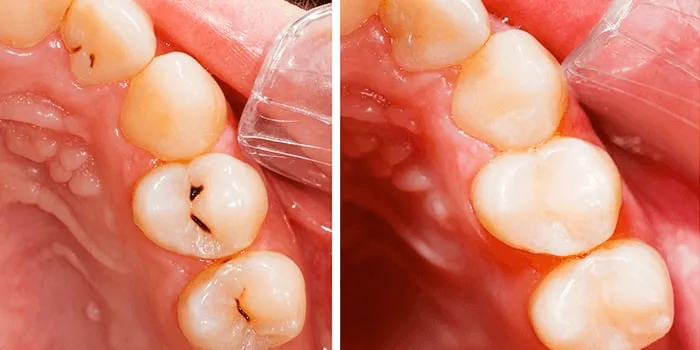
Indications and Reasons for Getting a Dental Filling
Dental fillings are typically used to treat a variety of dental conditions and restore the shape and function of the tooth. Here are some of the main indications and reasons you might need a filling:– Treating cavities caused by dental caries – Repairing small fractures or chips in teeth – Restoring worn tooth surfaces caused by grinding or erosion – Replacing old or failing fillings – Preventing further decay in a compromised tooth structure
Types of Dental Fillings
After the cavity is cleaned out, it is usually filled with one of several types of dental filling materials. You may not always be able to decide on your own which type suits you best, but understanding the options and their pros and cons is still very helpful.
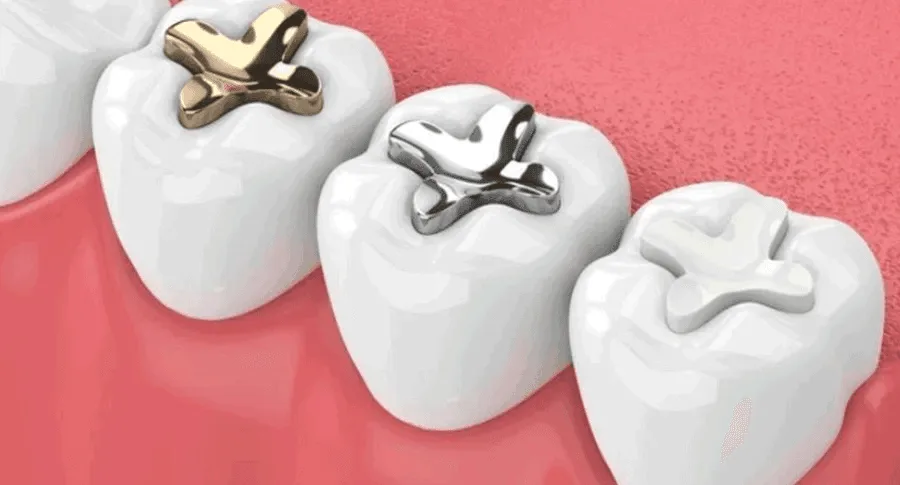
1. Amalgam (Silver) Fillings
These are traditional silver-colored fillings made from a mixture of metals, including mercury, silver, tin, and copper. They are strong, long-lasting, and generally less expensive, but they are more noticeable and not tooth‑colored.
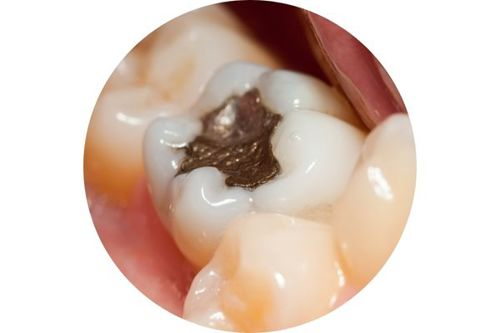
2. Composite (Resin) Fillings
Composite fillings are tooth-colored fillings made from a mixture of plastic resin and fine glass particles. They are bonded directly to the tooth, provide good aesthetics, and are commonly used for front and back teeth. They may be less durable than amalgam in large cavities and can be more costly.
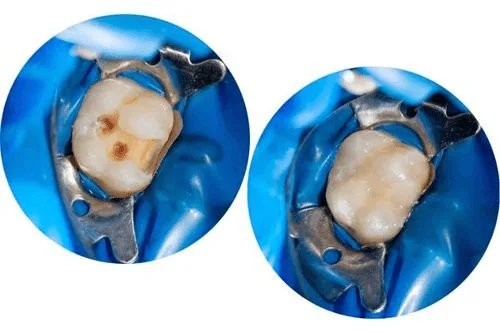
3. Ceramic Fillings
Ceramic (porcelain) fillings, inlays, or onlays are custom-made restorations fabricated in a dental lab or with CAD/CAM technology. They are highly aesthetic, resistant to staining, and very durable, but tend to be more expensive and may require more than one visit.
4. Gold Fillings
Gold inlays and onlays are made from a gold alloy. They are extremely durable and biocompatible and can last many years. However, they are very noticeable in color and typically more costly due to material and laboratory fees.
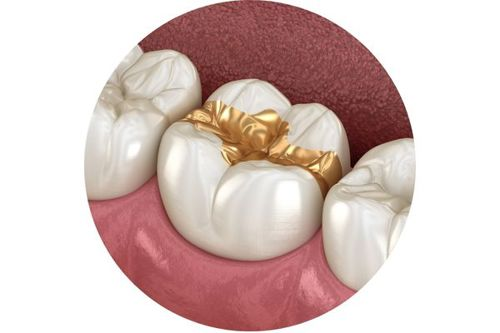
5. Glass Ionomer Fillings
Glass ionomer fillings are tooth-colored materials made from acrylic and fluoroaluminosilicate glass. They can release fluoride over time, which helps protect the tooth from further decay. They are often used for children’s teeth, root surfaces, or areas that are not exposed to heavy biting forces.
6. Root Canal Filling (Endodontic Filling)
Root canal filling refers to the material used to fill the inside of the root canal after root canal treatment (such as gutta‑percha and sealer). This is different from a regular surface filling and is used to seal the root canal system after the infected or damaged pulp has been removed.
7. Laser-Assisted Fillings
Laser dentistry can be used to help remove decay or prepare the tooth for a filling. The actual filling material is still typically composite, glass ionomer, or another standard material, but lasers can sometimes reduce the need for drilling and may improve patient comfort.

Consulting Your Dentist to Choose the Right Type of Filling
It is always best to consult your dentist to determine which type of filling is most appropriate for your specific needs. Dentists have the training and experience to assess your oral health, evaluate the condition of your teeth, and recommend the most suitable treatment option.During your dental visit, your dentist will examine your teeth, discuss any symptoms or concerns you have, and may take X‑rays or perform other diagnostic tests if necessary. Based on this assessment, they will create a personalized treatment plan and explain the different types of fillings available.Your dentist will consider factors such as the size and location of the cavity, cosmetic concerns, your dental and medical history, and your personal preferences when recommending the most suitable filling material. They will explain the advantages, disadvantages, and possible outcomes of each option so you can make an informed decision.Choosing the right type of filling is critical for long‑term oral health and treatment success. It is highly recommended that you schedule an appointment with your dentist to discuss your specific needs and receive professional guidance on the best filling option for you.
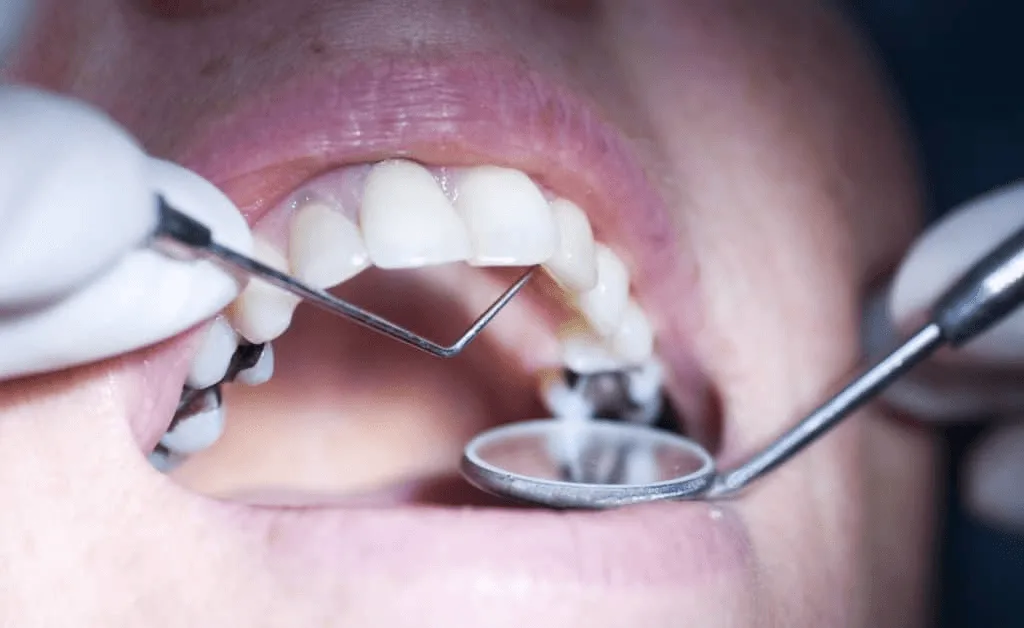
Root Canal Filling
Root canal filling—also known as root canal treatment or endodontic therapy—is a procedure used to treat an infected or damaged dental pulp (the nerve and blood supply inside the tooth). The procedure involves removing the diseased or dead pulp tissue, cleaning and disinfecting the root canal system, and then sealing it with a filling material to prevent reinfection.
The Root Canal Filling Procedure
A typical root canal procedure includes:1. Numbing the tooth with local anesthesia 2. Creating an opening in the tooth to access the pulp chamber 3. Removing the infected or damaged pulp tissue 4. Cleaning, shaping, and disinfecting the root canals 5. Filling the canals with a special root canal filling material (usually gutta‑percha and sealer) 6. Sealing the tooth with a temporary or permanent restoration, often followed by a crown
When Is Root Canal Filling Needed?
Root canal treatment is usually performed when the dental pulp inside the tooth becomes infected or irreversibly damaged. Causes include deep decay, cracks or fractures, trauma, or repeated dental procedures on the same tooth. The goal is to save the affected tooth, relieve pain, and prevent the spread of infection to surrounding tissues.The exact timing for root canal treatment depends on the severity of the condition and your dentist’s clinical judgment.
Step-by-Step Explanation of the Dental Filling Procedure
At Batal Specialty Clinic in Jeddah, our goal is for your dental filling experience to be painless. The main steps of a typical filling procedure are:1. Clinical examination and X‑rays if needed 2. Numbing the tooth and surrounding area with local anesthesia 3. Removing decayed or damaged tooth structure with a dental drill, laser, or air abrasion 4. Cleaning and disinfecting the cavity 5. Placing a lining or base if needed to protect the pulp 6. Placing the chosen filling material in layers (for composite) or in bulk (for amalgam and some others) 7. Shaping and contouring the filling to match your bite 8. Polishing the filling to ensure a smooth surface
Cost of Dental Fillings
Several factors affect the cost of a dental filling, including:
Factors That Influence the Cost of Dental Fillings
Some of the main factors that can impact the price of a filling are:– The extent of tooth decay and how much tooth structure must be restored – The number of fillings needed – The type of filling material (amalgam, composite, porcelain, gold, etc.) – The location of the tooth in the mouth – The experience of the dentist and the clinic’s pricing structure – Whether additional procedures (like X‑rays, root canal treatment, or crowns) are required – Your dental insurance coverage and reimbursement limitsDepending on your insurance plan, a portion of the treatment cost may be covered, and the rest will be your out-of-pocket responsibility.
Average Cost of Dental Fillings in Jeddah
The average cost of dental fillings in Jeddah can vary widely according to the factors above. In general:– Silver amalgam fillings tend to be less expensive – Tooth-colored composite fillings are usually moderately priced – Porcelain or gold inlays/onlays are typically on the higher endYour dentist or clinic reception can provide a more precise estimate after examining your case.
Dental Filling Materials
Dental filling materials are used to restore and fill cavities in teeth. The composition and properties of these materials differ depending on the type. Below are some common dental filling materials:
Components of Dental Filling Materials
Common components include:– Metals (such as silver, tin, copper, and mercury in amalgam) – Resin-based polymers (in composite fillings) – Glass particles (in composite and glass ionomer materials) – Ceramic or porcelain (in inlays, onlays, and ceramic fillings) – Additives such as fluoride (in some glass ionomer materials)
Different Types of Dental Filling Materials
– Amalgam fillings – Composite resin fillings – Glass ionomer fillings – Resin‑modified glass ionomer fillings – Porcelain/ceramic inlays and onlays – Gold inlays and onlays
Properties of Each Type of Filling Material
Each material has its own characteristics, such as:– Strength and durability – Color and aesthetics – Resistance to wear and fracture – Ability to bond to tooth structure – Fluoride release (for some materials) – Sensitivity to moisture during placement – Relative costYour dentist will match these properties to your clinical needs and cosmetic expectations.
Dental Filling Instruments
Dentists use a variety of instruments and tools to perform fillings, including:– Dental mirror and explorer (probe) for examination – Local anesthesia syringes and needles – High‑speed and low‑speed handpieces (dental drills) and burs – Excavators and spoon instruments to remove soft decay – Matrix bands and wedges to shape the filling between teeth – Filling instruments and plastic instruments for placing and shaping materials – Burnishers and carvers for contouring amalgam or composite – Curing light for hardening light‑cured composite materials – Finishing and polishing burs and discs
Images of Dental Filling Instruments and Fillings
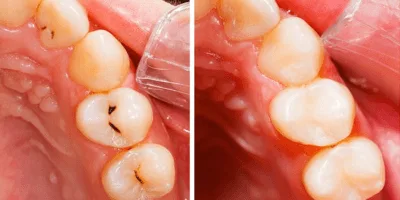
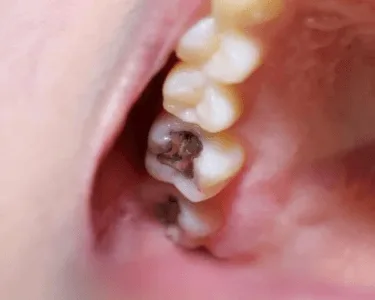
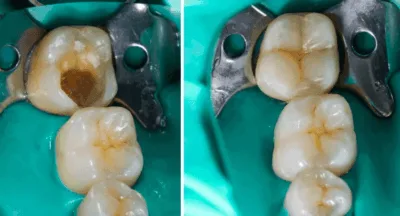
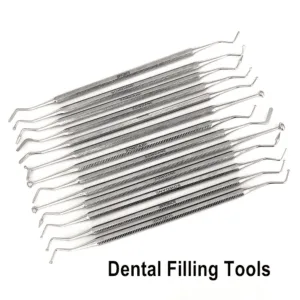
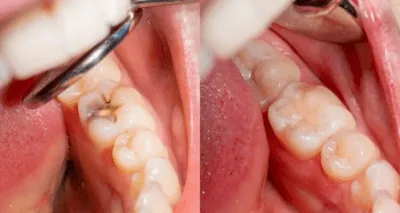
Illustrative images typically show:– The main hand instruments used during filling procedures – Different types of fillings (amalgam, composite, ceramic inlays/onlays) in various teeth – Steps of cavity preparation and restoration(Images would normally be provided in the article format or gallery.)
“Dental Filling” in English
The scientific and commonly used English terms for حشو الأسنان are: – “Dental filling” – “Dental restoration” (For root canal treatment, the term “root canal treatment” or “endodontic therapy” is used.)
Frequently Asked Questions After Dental Fillings
How long do dental fillings last?
The lifespan of a filling depends on factors such as the type of material used, the size and location of the filling, your oral hygiene habits, and your chewing forces. On average, fillings can last anywhere from 5 to 15 years or longer with proper care.
What are the possible side effects or risks of dental fillings?
Dental fillings are generally safe and effective. Potential risks include:– Allergic reactions to certain filling materials (rare) – Temporary tooth sensitivity to hot, cold, or pressure – Secondary decay (new decay developing around or under the filling) – Rare complications, such as pulp inflammation or infection, which may require further treatment
Is getting a filling painful?
The filling procedure itself is usually not painful. Before treatment, your dentist will use local anesthesia to numb the tooth and surrounding area so you should not feel pain during the procedure. Some temporary sensitivity or mild discomfort after the anesthesia wears off is normal and typically resolves within a few days.
What is a dental filling?
A dental filling is a procedure in which the dentist removes decayed or damaged tooth structure and fills the resulting cavity with an appropriate dental material. The filling helps restore the tooth’s function, shape, and structural integrity.
Can decay come back after a filling?
Yes. Decay can develop on other parts of the same tooth that were not initially affected, or around the edges of the existing filling if oral hygiene is poor. Brushing, flossing, and regular dental checkups are essential to prevent recurrent decay.
Can I eat after getting a permanent filling?
You should generally wait until the numbness has completely worn off before eating to avoid biting your cheeks, lips, or tongue. Your dentist will provide specific instructions about eating and drinking after the procedure. In some cases, you may be advised to avoid chewing on the filled tooth for a few hours.
Can decay occur underneath a filling?
Over time, new decay can develop at the margins of a filling if plaque accumulates and oral hygiene is inadequate. Regular dental visits and good home care are crucial for detecting and preventing new cavities under or around existing fillings.
Do dental fillings cause bad breath?
Fillings themselves do not usually cause bad breath. However, if there is underlying decay, infection, or poor oral hygiene, these can lead to halitosis. Addressing any dental problems and maintaining good oral hygiene can help resolve bad breath concerns.
Is it okay to leave a tooth without a filling?
In some situations, a tooth may be left without a filling if there is no decay or structural damage that requires restoration. Your dentist will evaluate the tooth and recommend the appropriate treatment based on their clinical judgment.
Which is better: root canal treatment or tooth extraction?
The choice between root canal treatment and tooth extraction depends on the specific condition of the tooth—extent of damage, presence and severity of infection, overall tooth prognosis, and patient preferences. In general, preserving the natural tooth with root canal treatment is preferred whenever feasible, as it maintains oral function and aesthetics. However, in cases of severe decay, extensive structural damage, or advanced periodontal disease, extraction may be the more appropriate option.
How much does a dental filling cost?
The cost of a filling varies based on the type of material, the size and location of the cavity, the clinic’s location and pricing, and any additional procedures required. The fee can range from a few hundred to a few thousand (local currency) per filling, depending on these factors.
How long does pain last after a permanent filling?
Mild sensitivity or discomfort may occur for a few days after getting a permanent filling. If the pain persists for more than a week, worsens, or is severe, you should contact your dentist, as it may indicate an issue that needs attention, such as a high bite or pulp irritation.
How many visits are needed for dental fillings?
Many fillings can be completed in a single visit. However, if multiple teeth need treatment, or if extensive work or root canal therapy is required, you may need two or more appointments.
How many times can a tooth be filled?
A tooth can be refilled multiple times if new decay occurs or if an old filling fails. However, repeated and extensive fillings can weaken the tooth structure. In some cases, a crown or another restorative option may be recommended when a tooth has been heavily restored.
Can two molars be filled in the same visit?
Yes, it is often possible to fill two molars during the same appointment, especially if the cavities are small to medium and easy to access. Your dentist will determine what is feasible based on your specific condition and treatment needs.
Can a molar break after a filling?
While it is uncommon for a molar to fracture immediately after a filling, it can happen over time, particularly if the tooth was already weakened by extensive decay or large restorations. Avoiding very hard foods and following your dentist’s recommendations can help reduce this risk.
How many days does root canal treatment take?
Root canal treatment typically requires between 1 and 3 visits, depending on factors such as the complexity of the tooth, the presence of infection, and the dentist’s treatment approach. Some complex cases may require additional visits.
Does the nerve die after tooth extraction?
When a tooth is extracted, the nerve and blood supply inside that tooth are removed as well, so the tooth’s nerve no longer functions. However, the surrounding tissues and nerves in the area remain intact.
Why does the dentist place a temporary filling?
A temporary filling may be placed for several reasons, including:– Protecting the tooth between root canal appointments – Allowing time to see how the tooth responds before placing a permanent filling or crown – Providing short-term protection if the final restoration cannot be completed in the same visit – Stabilizing a tooth with extensive decay before definitive treatment
What should I do if my filling breaks?
If a filling breaks or becomes damaged, contact your dentist as soon as possible. They will examine the tooth and recommend the appropriate treatment, which may include repairing or replacing the filling, or considering other options based on the extent of damage. In the meantime, avoid chewing on that side and maintain good oral hygiene to reduce the risk of further complications.
Sources and References:

– American Dental Association (ADA) – Patient information on dental fillings and root canal treatment – European Society of Endodontology guidelines on root canal treatment – Standard restorative dentistry and endodontics textbooks and clinical resources