
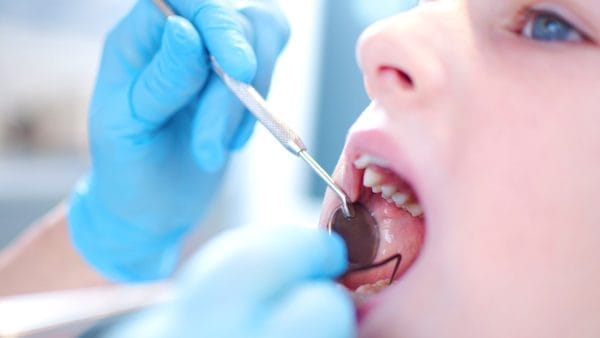

Treating tooth decay in children is crucial. Dental caries (cavities) develop from a sticky film of bacteria (plaque) that coats the teeth. When the bacteria in plaque come into contact with sugar, they produce acids that break down the tooth surface and lead to decay or cavities.Because of this, maintaining good oral hygiene is a key part of preventing tooth decay. For safe and effective treatment, it is recommended to visit Batal Dental Center in Saudi Arabia, where a wide range of high‑quality dental treatments and services is available.Read also: Treatment of Dental CariesCauses of Tooth Decay in Children Common causes of tooth decay in children include:Read also: Everything You Need to Know About Dental Sealants and Fillings
What Are the Signs and Symptoms of Tooth Decay?
In the early stages, tooth decay may not cause any noticeable symptoms. A dentist may be the first to detect a new cavity during a routine exam or by reviewing dental X‑rays.If the decay progresses and the cavity becomes larger, it can reach the dentin (the layer beneath the enamel). At this point, the tooth may become sensitive to sweet foods and drinks, as well as to hot or cold temperatures.When the cavity gets close to the dental pulp (the soft tissue in the center of the tooth), it is more likely to cause toothache or persistent pain.
Preventing Tooth Decay in Children
Tooth decay can often be prevented by maintaining good oral hygiene, using a fluoride‑containing toothpaste, limiting sugar intake, and scheduling regular dental checkups.Read also: What Causes Tooth Discoloration and What Are the Treatment Options?
Treatment of Tooth Decay in Children
Treatment for tooth decay in children depends on the child’s symptoms, age, and overall health, as well as the severity of the decay.Cavities are usually treated with dental fillings or tooth extraction. If the decay is extensive and reaches the nerve (pulp) in the center of the tooth, the child may need an extraction or a root canal treatment (such as pulpotomy or pulpectomy in primary teeth).For a filling, the dentist removes the decayed portion of the tooth and then restores the area with a filling material or a dental crown. Fluoride therapies can also help prevent further decay and strengthen the remaining tooth structure.Treatment options for tooth decay in children can include sealants, veneers, crowns, and bridges. These restorations may be made from gold, base metal alloys, ceramic, or composite resins. Many of these materials are designed to closely resemble natural tooth enamel.
Which Children Are at Higher Risk for Tooth Decay?
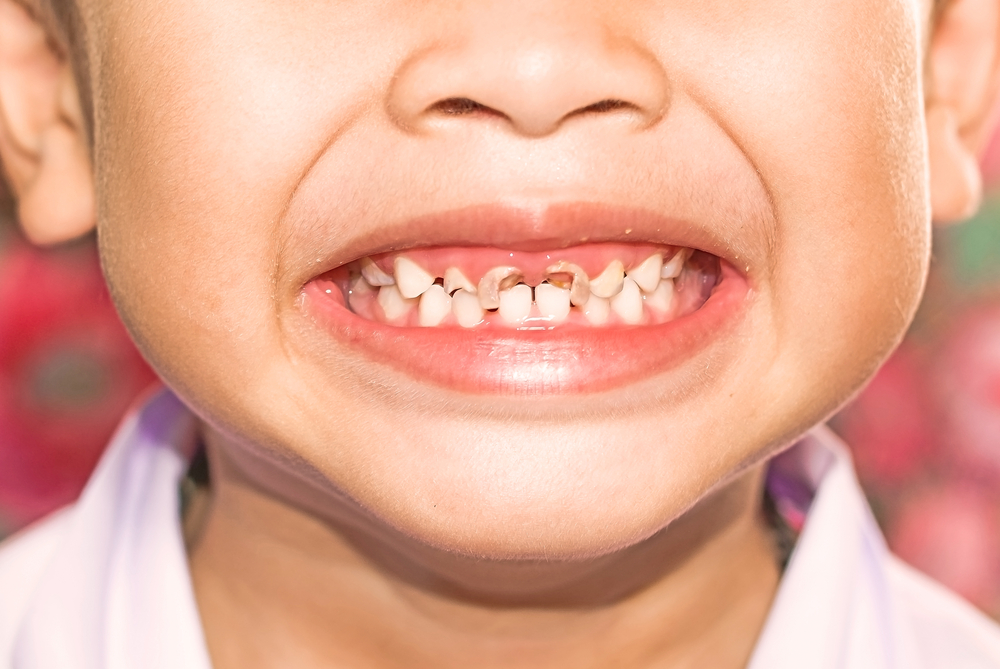
Which children are at higher risk for tooth decay?All children have bacteria in their mouths, so every child is at some level of risk for developing cavities. However, the following factors can significantly increase a child’s risk:Read also: Protecting Oral Health | Recognizing Dental Emergencies
How Is Tooth Decay Diagnosed in Children?
A pediatric dentist can usually diagnose tooth decay based on:
How Can Parents Help Prevent Tooth Decay in Their Children?

Parents can help prevent cavities in their children’s teeth by following these simple steps:Batal Specialized Dental Complex in Jeddah, Saudi Arabia, is considered one of the leading dental centers. It is equipped with advanced tools and technologies to help children and adults alike effectively treat and prevent tooth decay.Read also: Dental Checkups | How Often Do You Really Need Them?