

Table of content
ToggleEverything You Need to Know About Teeth Grinding (Bruxism)
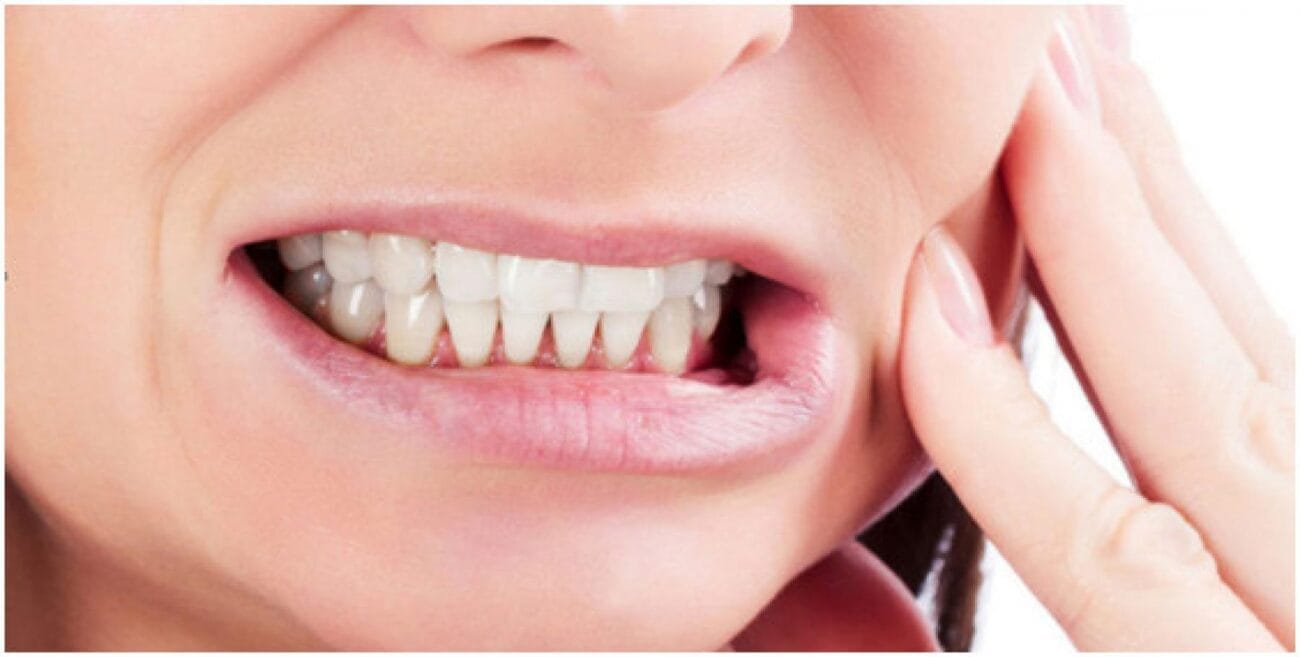
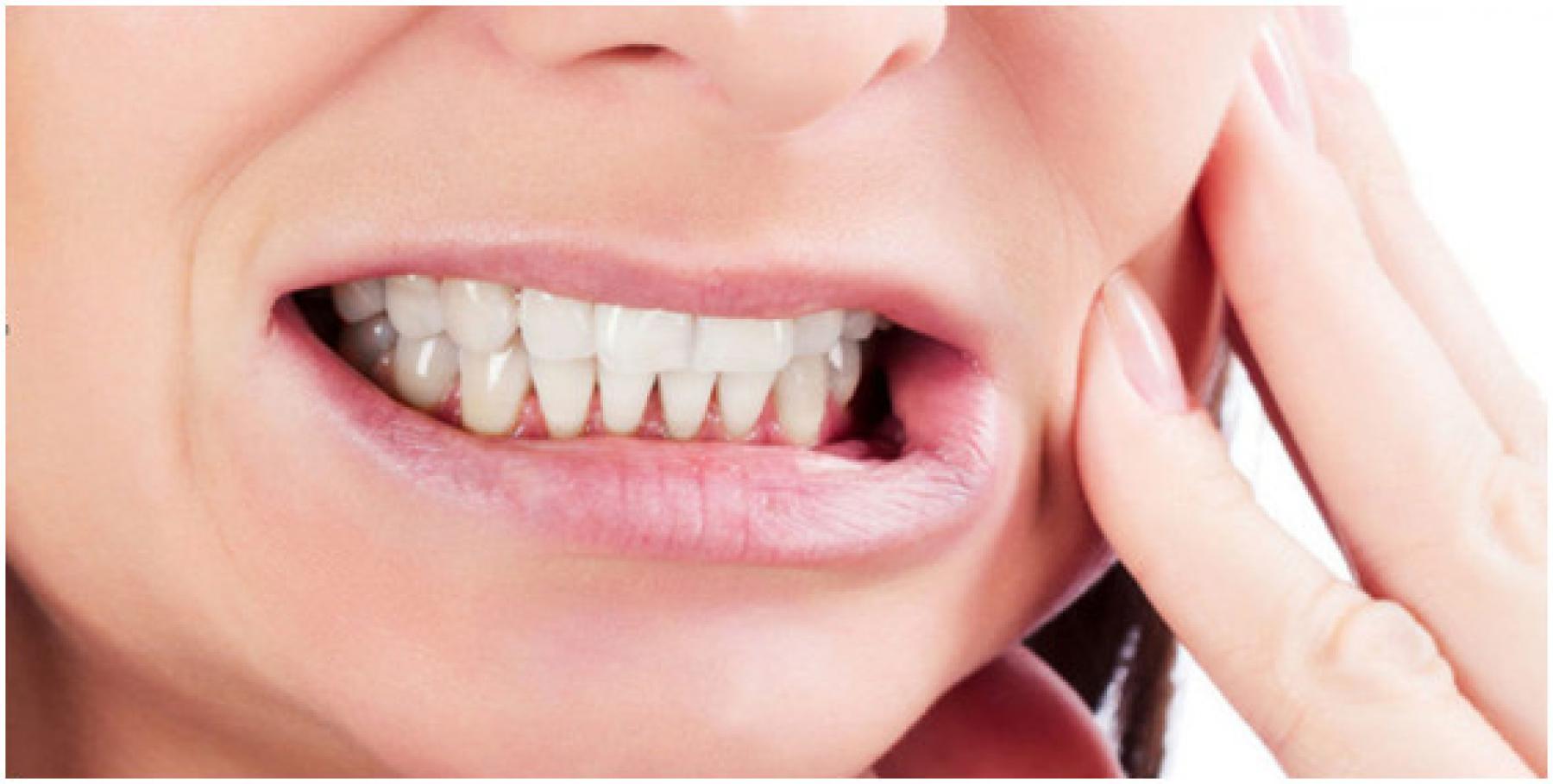
Teeth grinding, medically known as bruxism, is a condition in which a person grinds, clenches, or presses their teeth together using the jaw muscles. It can occur unconsciously during sleep (sleep bruxism) or while awake, and may involve all the teeth or be limited to grinding or clenching of the front teeth only.
Bruxism is often associated with stress and anxiety. When teeth grinding is severe, it can cause frequent headaches and disturb normal sleep patterns. Sleep bruxism is considered a type of sleep-related movement disorder.
People who grind their teeth during sleep are more likely to snore and have a higher risk of sleep disorders such as obstructive sleep apnea. It is important to visit Batal Dental Center in Saudi Arabia regularly for ongoing dental care.
Read also: What Causes Gum Bruising and How to Treat It in Detail
Symptoms of Teeth Grinding (Bruxism)
The symptoms of bruxism vary from person to person and depend on the type and severity of teeth grinding. Common signs and symptoms of bruxism may include:
Read also: Open Bite Correction – Do You Really Need It?
Underlying Causes of Teeth Grinding
Bruxism is a condition that usually results from a combination of different factors, including physical, psychological, and genetic components.
Possible causes and contributing factors to teeth grinding include:
Read also: Do Dental Implants Cause Problems? 5 Common Complications You Can Avoid with Batal Dental Center
Risk Factors for Teeth Grinding
Several factors can increase a person’s likelihood of developing bruxism, including:
In addition, certain medical conditions can raise the risk of teeth grinding, such as:
Complications of Teeth Grinding
In many cases, bruxism does not lead to serious complications. However, when the condition is severe or persistent, it can cause significant problems such as temporomandibular joint disorder (TMJ/TMD).
It may also result in broken or fractured teeth, damage to dental crowns (and, over time, the possible need for dental implants, root canal treatments, bridges, or dentures), jaw damage, hearing problems, and even changes in the overall shape and appearance of the face.
Read also: Everything You Need to Know About Crooked Teeth
Dental Evaluation and Diagnosis of Bruxism
If early signs of teeth grinding are noticed, your dentist may take time to assess whether the symptoms are getting worse and to determine whether treatment is needed. The dentist may check for pain or tenderness in the jaw muscles, dental problems, wear and damage to the teeth, injuries to the inside of the cheeks, and changes or damage to the underlying bone tissue.
Read also: Everything You Need to Know About CEREC Dental Crowns
Treatment for Teeth Grinding
People with mild bruxism may not require treatment. However, those with moderate to severe cases often need intervention to manage jaw disorders, headaches, damaged teeth, and other related symptoms.
There are several current treatment options for bruxism. These may include a sleep study to evaluate episodes of teeth grinding, as well as restoring and correcting teeth that show excessive wear.
Although there is no single treatment strategy that cures all forms of bruxism, there are effective ways to reduce grinding, such as:
You should visit Batal Dental Center in Saudi Arabia to assess the severity of the condition and receive prompt, effective treatment options.
Read also: Orthodontic Treatment Duration – A Detailed Guide
The dental clinic at Batal Specialty Complex is equipped with advanced tools and modern devices to help anyone suffering from dental pain get relief under the care of highly skilled dentists. Do not hesitate to book an appointment at the dental clinic of Batal Specialty Complex.
Read also: Enamel Erosion | Causes, Diagnosis, and Treatment