

Table of content
ToggleDead Teeth: Causes, Symptoms, and Treatment
Good oral care is essential for maintaining healthy teeth, and knowing how to spot potential problems early is just as important. Dead teeth need to be monitored closely, because a dentist can often treat them if they’re detected in time. Batal Dental Center in Saudi Arabia helps identify the causes and symptoms of a dead tooth, explains everything you need to know, and provides high‑quality treatment services.
Read also: Children’s Toothache | The Most Common Causes
What Is a Dead Tooth?
A tooth is considered “alive” because of the dental pulp—the innermost part of the tooth that contains nerves, blood vessels, and connective tissue. When the pulp becomes damaged and blood flow to the tooth is cut off, the tooth can die. However, with proper treatment, it’s often possible to preserve a dead tooth and keep it in place.
Read also: Information About Upper Wisdom Tooth Extraction
What Causes a Tooth to Die?
A tooth can die under several conditions, most commonly due to:
– Deep tooth decay that reaches the pulp
– Trauma or injury to the tooth that disrupts blood supply
– Untreated dental infections that destroy the pulp over time
Read also: The Best Dental Center in Saudi Arabia
Signs and Symptoms of a Dead Tooth
Symptoms of a dead tooth can vary from one person to another, but the most common signs include:
– Change in tooth color (darkening or discoloration)
– Tooth pain, which may range from mild to severe
– Sensitivity to hot or cold
– Swelling or tenderness in the gums around the tooth
– Bad breath or a bad taste in the mouth (if infection is present)
Read also: How to Treat a Wisdom Tooth
What Does a Dead Tooth Look Like?
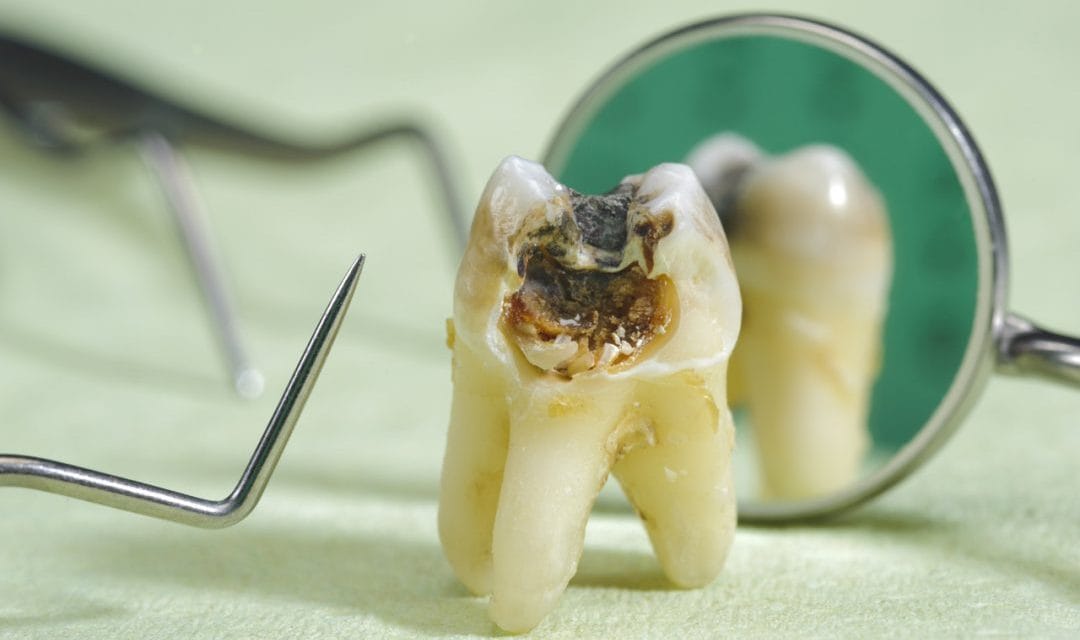
A dead tooth often looks discolored or stained. Trauma can damage the blood vessels inside the tooth, leading to a pinkish hue that eventually turns grayish‑black. When tooth decay is the cause of tooth death, the tooth may turn yellow, gray, light brown, or black, and the discoloration typically worsens over time.
Read also: When Does the Wisdom Tooth Erupt? | Information From a Dental Center
Do Dead Teeth Fall Out?
Yes, a dead tooth can eventually fall out on its own. However, you should not wait for that to happen before seeking treatment. When there is a dead nerve inside the tooth, an infection can develop and may spread to neighboring teeth or into the jawbone.
Read also: When Should You Start Orthodontic Treatment?
Can a Wisdom Tooth Die?
Wisdom teeth can die just like any other tooth. If a wisdom tooth erupts normally and doesn’t cause pain or problems, it may not need to be removed. However, it can still develop issues, so you should consult Batal Dental Center in Saudi Arabia if you feel any discomfort or notice swelling, in order to have it examined as soon as possible.
Read also: Everything You Need to Know About Dental Fillings
What About a Dead Baby Tooth?
If you notice a color change in one of your child’s primary (baby) teeth, there’s a good chance that the tooth has died. In many cases, no active treatment is necessary because baby teeth usually fall out on their own. However, the tooth should be monitored for any signs of infection, and the child should be taken to a dentist for proper evaluation.
Treatment for a Dead Tooth
The dental center at Batal Specialized Complex in Saudi Arabia offers several treatment options and will determine the best way to manage a dead tooth. Generally, you can expect one of two outcomes:
- Saving the tooth with root canal treatment and then restoring it (often with a crown).
- Extracting the tooth if it cannot be saved, and replacing it with an appropriate option such as a dental implant, bridge, or partial denture.
How to Preserve Your Natural Teeth
Dentists prefer to preserve natural teeth whenever possible because extracting a tooth can affect speech, chewing, and overall appearance—especially if the dead tooth is a front tooth.
Avoiding unnecessary tooth extractions is a key reason to see your dentist regularly for check‑ups. Batal Dental Center in Saudi Arabia is one of the best options for achieving optimal results, thanks to its exceptional, highly experienced team.
Read also: Enamel Erosion | Causes, Diagnosis, and Treatment
The dental clinic at Batal Specialized Complex is equipped with advanced tools and technology to help anyone suffering from tooth pain get relief, under the care of dentists who are nothing short of highly skilled. Book an appointment at the dental clinic at Batal Specialized Complex as soon as possible to address any dental issues before they worsen.
Read also: The Difference Between a Gum Abscess and a Tooth Abscess