

Table of content
ToggleOrthodontic Toothbrush: What You Need to Know
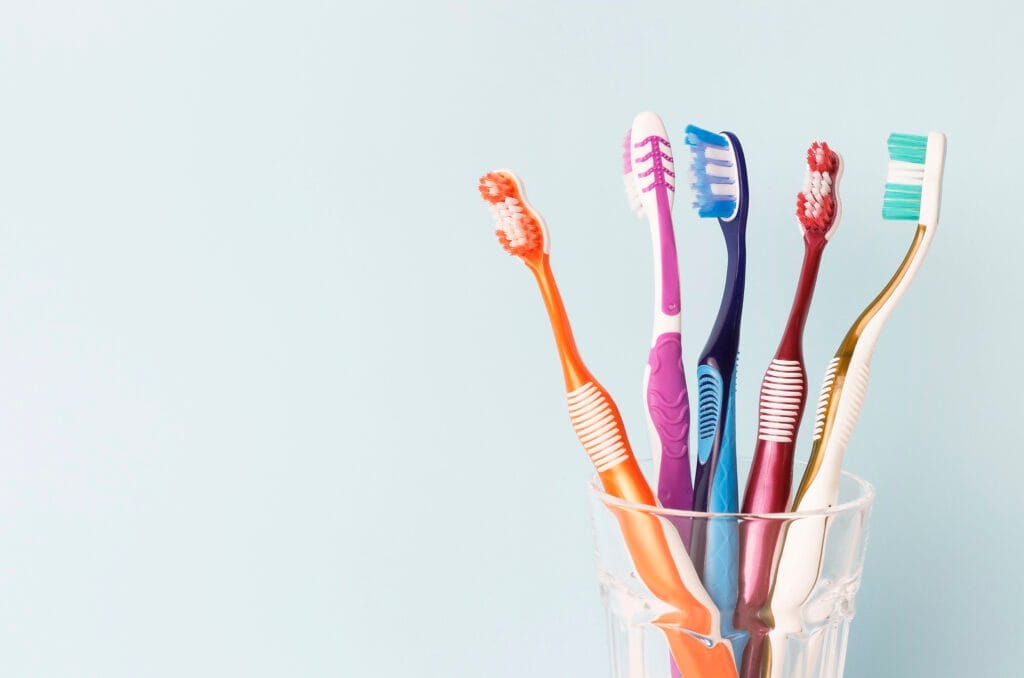
To reach every corner of your mouth and remove dental plaque effectively, dentists recommend using a small‑headed toothbrush (2–2.5 cm) with soft or medium bristles. If you wear fixed braces, use a special orthodontic toothbrush with V‑shaped trimmed bristles, which are shorter in the middle so you can clean above and below the archwires.
You can also use an electric toothbrush with a round brush head to improve cleaning, but keep the following in mind:
We recommend using an electric toothbrush with a built‑in timer to control brushing time, and a pressure sensor, which is very useful because it warns you if you are brushing too hard.
Read also: Everything You Need to Know About Zirconia Dental Crowns
Orthodontic Toothbrush
Open your mouth and brush each arch separately, from top to bottom. If you keep your teeth closed while brushing, some areas will be missed and not cleaned properly.
Mentally divide your mouth into four quadrants.
When brushing, tilt your toothbrush at a 45‑degree angle toward the teeth and use short, gentle circular motions. You can also use vertical sweeping strokes from the gum toward the tooth (from pink to white). Avoid horizontal scrubbing, which tends to pack food and plaque between the teeth.
Pay special attention to the very back of the last molars, the inner surfaces of the teeth (next to the tongue), and the gumline where the teeth meet the gums (from the inside and outside).
If you have dental implants or porcelain‑fused‑to‑metal crowns, you’ll need extra care at the junction between the restoration and the gum. Your toothbrush should be replaced every three months—basically with each new season (spring, summer, fall, winter) to make it easier to remember.
Interdental Brush for Braces
If you wear fixed orthodontic appliances (whether on the outside or inside of your teeth, such as lingual “invisible” braces), an interdental brush is essential. Use this orthodontic brush to clean between teeth and around the archwires so that the spaces between the teeth are thoroughly cleaned.
It’s crucial to use this brush every time you brush your teeth. Make it a habit— it only takes a few seconds and will help you maintain healthy gums and a fresher taste and smell in your mouth.
If you do not wear braces, you don’t necessarily need an interdental brush unless you have missing teeth or your periodontist specifically recommends it.
In that case, it’s often better to use “super floss,” a type of dental floss that has a spongy segment. It helps clean without traumatizing the gums, because sometimes pushing an interdental brush too hard can actually widen the space.
Interdental orthodontic brushes usually come in a standard diameter; the handle design varies by brand. You can find them straight or angled at 90 degrees. If you use these brushes twice a day, they typically shouldn’t last more than about a month—meaning they need to be replaced more often than a regular toothbrush.
Read also: Detailed Comparison Between Dental Cleaning and Polishing
Dental Floss (Silk Floss)
If you’re wearing removable orthodontic appliances, you can use regular dental floss comfortably. If you have fixed braces (labial or lingual), it’s advisable to use “super floss” or “orthodontic floss,” which is made of three parts:
This type of floss is especially useful for cleaning hard‑to‑reach areas, such as under a lingual retainer used at the end of treatment, or around small “black triangles” between teeth that you want to keep clean without making them larger.
Read also: Immediate Dental Implants | Everything You Need to Know
The dental clinic at Batal Specialized Complex is equipped with advanced tools and technologies to help anyone suffering from tooth pain get relief in the hands of highly skilled dentists. Don’t hesitate to book an appointment at the dental clinic of Batal Specialized Complex.
Read also: The Difference Between a Gum Abscess and a Tooth Abscess
Other Tips for Maintaining Healthy Teeth
Many people are committed to taking care of their teeth, but there are still several additional steps that can help maintain good oral health. For example, it’s important to eat a healthy, varied diet rich in vitamins and minerals, and to limit sugary and acidic foods that can erode the outer enamel layer of the teeth. Smoking should be avoided, as nicotine contributes to tooth damage and gum disease.
It’s also essential to maintain consistent oral hygiene by brushing with an orthodontic toothbrush and using dental floss to remove food debris between the teeth. To further support your overall health, visit your dentist regularly for routine checkups so potential problems can be detected and treated before they worsen.
Brushing regularly with an orthodontic toothbrush is the cornerstone of keeping your teeth healthy, but there are many other measures you can take to keep them strong and disease‑free. Avoid sticky, chewy foods that can pull on teeth and irritate the gums, and make sure to eat foods rich in calcium, vitamins, protein, and fiber.
It’s also crucial to avoid smoking and to significantly reduce your intake of soft drinks and sugary beverages, as they promote tooth decay and harm the gums. In addition, it’s recommended to visit Batal Specialized Dental Center regularly for comprehensive examinations of the teeth and gums and to detect any potential issues early. Steering clear of harmful habits and adopting consistent healthy routines will help you maintain strong teeth and enjoy a beautiful, healthy smile.
There are many simple daily habits that can protect the health of your teeth and gums. Oral‑health professionals recommend brushing twice a day for two minutes each time, using a soft‑bristled toothbrush. Regularly replacing your toothbrush is also an important part of oral care; it’s best to change it every three to four months.
Experts further advise cutting down on sugary foods and acidic juices that leave residues on the teeth, and using an antibacterial mouthwash to help keep the mouth clean. Finally, regular visits to the dentist are essential so they can assess the health of your teeth and gums and help prevent potential problems before they become serious.