

Table of content
ToggleWhat’s the Difference Between Dental Cleaning and Polishing?
Maintaining good oral health is essential not only to protect your teeth from decay, but also to preserve an attractive smile. That’s why dentistry offers a wide range of procedures to clean, polish, brighten, and whiten teeth.
Your dentist has several options to help keep your teeth free of harmful bacteria, prevent discoloration, and maintain healthy gums. Among the most common are professional dental cleaning and dental polishing.
Many people use these two terms interchangeably, but there are important differences between them. In this article, we’ll explain what each procedure involves and the key differences between dental cleaning and polishing.
See also: Dental Crowns | Best Types and Main Uses
What Is a Dental Cleaning?
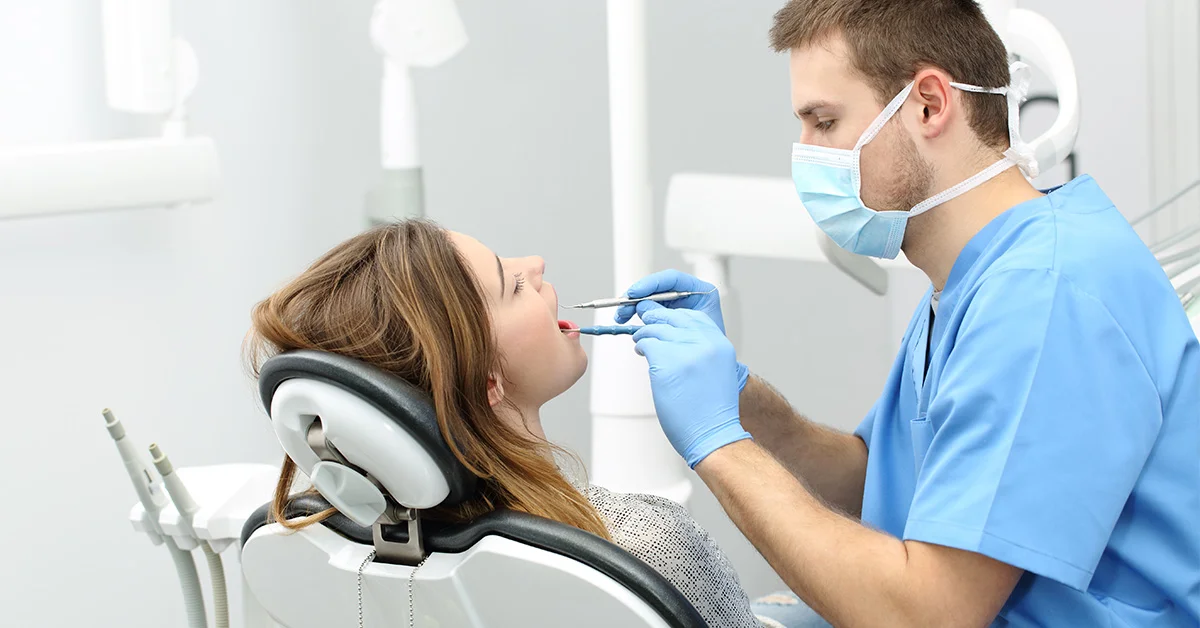
A dental cleaning is a thorough professional cleaning of the teeth and gums performed by a dentist or dental hygienist. The main goal is to remove plaque and tartar (calculus) that have built up on your teeth and below the gum line.
Dental professionals may use different instruments to clean your teeth, including ultrasonic (powered) scalers and hand tools. A cleaning is not a surgical procedure.
In most cases, you won’t need any local anesthetic for a routine cleaning and polishing. However, if you haven’t had your teeth professionally cleaned in several years, you may need more than one session to completely remove all plaque and tartar deposits.
See also: Causes of Tooth Decay Despite Brushing | All About Dental Caries
What Is Dental Polishing?
Dental polishing is a procedure that removes superficial stains and discoloration from the outer surface of the teeth using special polishing pastes and tools. These materials help restore the teeth’s natural shine. Experts consider polishing to be a safe and effective way to achieve smooth, glossy teeth and improve the overall appearance of your smile.
Polishing can correct minor cosmetic imperfections on the tooth surface and may reduce the need for more invasive aesthetic or orthodontic procedures to address those issues. Generally, dental polishing is not harmful or contraindicated, except in a few specific medical or dental conditions.
Polishing enhances the natural luster of your teeth, making them look smoother and more radiant. It is usually the final step in a professional dental cleaning appointment.
First, the teeth are examined for cavities and tartar buildup. Any deposits are removed (scaled off) if present. Then a soft rubber cup attached to a handpiece is used on the tooth surfaces with a polishing paste to smooth and polish them.
Polishing does not involve bleaching agents or chemical whitening products, but it still provides a noticeable cosmetic benefit by making the teeth appear naturally brighter and cleaner.
See also: Everything About Cleaning Teeth From Decay
How Do Cleaning and Polishing Differ?
Dental polishing is performed to smooth the tooth surface and give it a clean, glossy appearance, while teeth whitening (bleaching) aims to lighten the intrinsic color of the teeth and remove deeper stains using specific chemical agents that penetrate the tooth structure and break down pigments.
Unlike polishing, whitening can sometimes cause side effects such as tooth sensitivity or gum irritation, especially if bleaching products are overused or misused. Overall, polishing is considered the safer, more conservative option for people primarily seeking cleaner, healthier-looking teeth. Whitening is an elective cosmetic treatment for those who want a noticeably whiter, brighter tooth shade.
Dental cleaning and polishing work together to support oral health. Professional cleanings are often performed with ultrasonic scalers, which may cause slight discomfort or sensitivity, whereas polishing is typically more comfortable and feels smoother to patients.
Many patients actually enjoy the polishing step, as it is done with a small rubber cup and leaves the teeth feeling very clean and slick. Polishing has both health and cosmetic benefits, as it also helps remove the unwanted biofilm and residual plaque from tooth surfaces.
In this context, you can think of scaling (removing tartar and plaque) and polishing as complementary steps performed in the same visit. Cleaning (scaling) itself, however, is a distinct procedure and is not automatically included in every type of polishing treatment performed for cosmetic purposes.
It’s important to understand the difference between cleaning and polishing before you decide which treatment you need. To avoid more complex and extensive cleaning procedures, the best approach is to visit your dentist regularly and have professional cleanings and polishes as recommended.
See also: Teeth Whitening Risks | Is Teeth Whitening Safe?
The dental clinic at Batal Specialized Complex is equipped with advanced tools and technologies to help anyone suffering from dental pain get effective treatment from highly skilled dentists. Book an appointment at the dental clinic at Batal Specialized Complex for comprehensive dental care, including professional cleaning and polishing, and enjoy a bright, confident smile.
See also: The Difference Between a Gum Abscess and a Tooth Abscess