

Table of content
ToggleWhat Are the Types of Orthodontic Treatment?
Orthodontics is a dental specialty that focuses on aligning your bite and straightening your teeth. You may need to see an orthodontist if you have crooked, crowded, or protruding teeth. Common orthodontic treatments include traditional braces, clear aligners, and removable retainers as the main types of orthodontic options.
Read also: Dental Crowns | Best Types and Main Uses
What Is Orthodontics?
Orthodontics is a branch of dentistry that focuses on diagnosing and treating “malocclusion” (bad bites). Common orthodontic treatments include braces, clear aligners, and retainers.
How your teeth fit together has a major impact on your oral health. By improving the way your upper and lower teeth meet, you can lower your risk of many oral health problems, including cavities, gum disease, and excessive tooth wear (erosion).
Read also: Root Canal Inflammation Treatment
Who Provides Orthodontic Treatment?
In most cases, orthodontic treatment is performed by orthodontists. An orthodontist is a dentist who completes an additional two to three years of specialized training after dental school. They focus on improving your bite and smile, and generally do not perform routine dental procedures such as fillings, crowns, or bridges.
Read also: Symptoms of Tooth Nerve Inflammation in Detail
When Should I Take My Child to an Orthodontist?
According to the American Association of Orthodontists, children should have their first orthodontic evaluation no later than age seven. While many children will not need treatment at this age, it is an ideal time to detect any developing issues that may need monitoring. In many cases, children who receive early (interceptive) orthodontic care can reduce their need for extensive dental procedures later in life.
Read also: Benefits and Importance of Wisdom Teeth
Who Can Benefit from Orthodontic Treatment?
Almost everyone can benefit in some way from orthodontic treatment, but some people need it more than others. Many seek orthodontics to improve the appearance of their smile. Beyond cosmetic benefits, orthodontic treatment can also improve chewing function and support better overall oral health.
Read also: How to Relieve Tooth Nerve Pain and Treat It
Problems That May Require Orthodontic Treatment
Common orthodontic problems include (but are not limited to):
– Crowded teeth
– Spacing or gaps between teeth
– Overbite, underbite, and crossbite
– Open bite
– Misaligned or rotated teeth
Read also: Causes of Tooth Decay Despite Brushing | Everything About Dental Caries
Who Should Not Undergo Orthodontic Treatment?
To be a good candidate for orthodontic treatment, you should not have serious untreated dental problems such as advanced tooth decay or periodontal (gum) disease. Placing braces or aligners on unhealthy teeth can severely worsen your oral health.
If you have cavities or gum disease, you should first see a dentist to treat these conditions. Once they are under control, ask your dentist whether orthodontic treatment is appropriate for you.
What Are the Types of Orthodontic Treatment?
There are several treatments and types of orthodontic appliances within the field of orthodontics. The main types include:
Braces
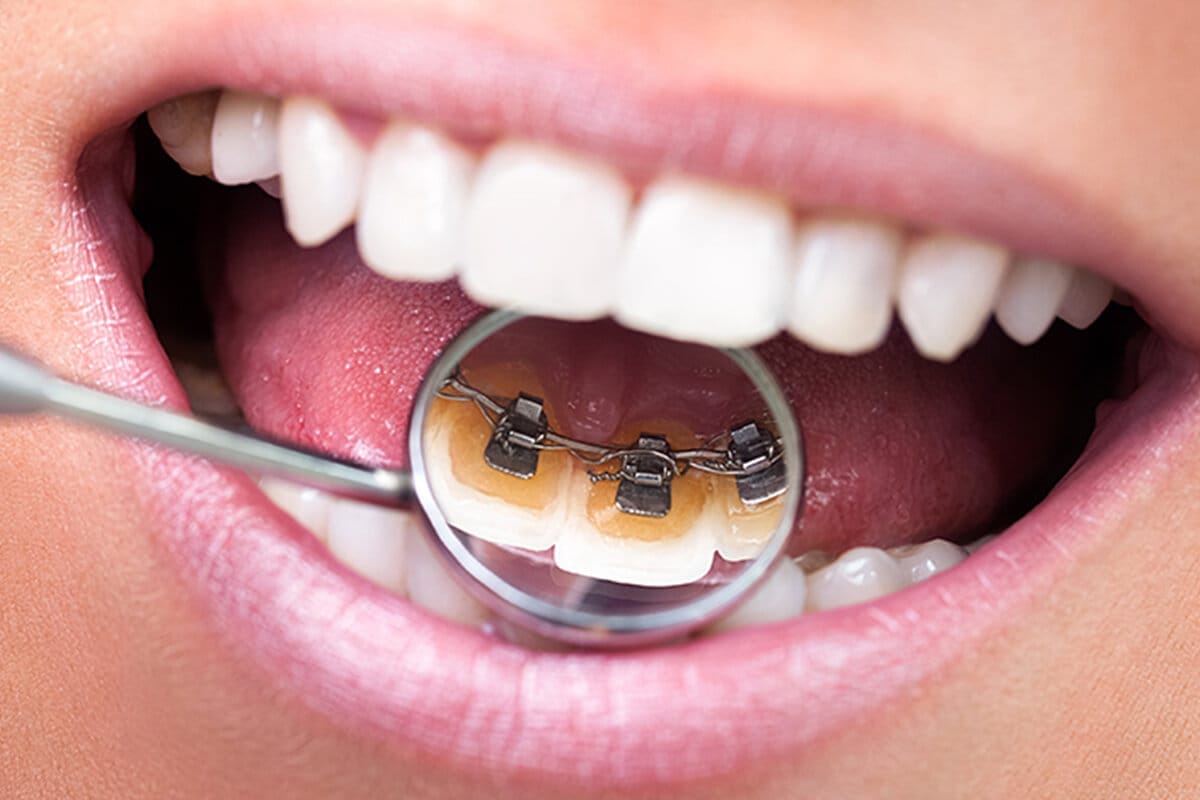
Braces gradually move your teeth into their desired positions over time using a combination of brackets, bands, and wires. There are different types of braces depending on your needs, including traditional metal braces and clear (ceramic) braces.
Clear Aligners
Clear aligners are a popular alternative to traditional braces. Well‑known brands include Invisalign® and ClearCorrect®. Instead of brackets and wires, these systems use a series of custom‑made, transparent aligner trays to straighten your teeth.
You wear each set of aligners for about one to two weeks before switching to the next set in the series. Over time, clear aligners move your teeth into their proper positions.
Palatal Expanders
Orthodontists may recommend certain treatments during childhood because facial bones are still developing and can be guided more easily.
A palatal expander helps widen a child’s upper jaw (maxilla). Most children do not need a palatal expander, but in appropriate cases, these devices can create additional space without the need for tooth extractions or more invasive procedures.
What Are the Benefits of Orthodontic Treatment?
The cosmetic benefits of orthodontics are obvious, but these treatments also offer important functional and health advantages, such as:
– Improved bite and chewing efficiency
– Easier brushing and flossing, which helps prevent cavities and gum disease
– Reduced abnormal tooth wear and jaw strain
– Better overall oral function and comfort
How Long Will My Orthodontic Results Last?
If you wear your retainer as instructed, your results should last a lifetime. However, if you stop wearing your retainer, your teeth may gradually shift back toward their original positions over time.
The dental clinic at Batal Specialized Complex is equipped with advanced tools and technology to help anyone suffering from dental pain get relief under the care of highly skilled dentists. Book an appointment at the dental clinic of Batal Specialized Complex as soon as possible.
Read also: Everything About Cleaning Teeth From Decay