

Table of content
ToggleCauses of Tooth Decay Despite Brushing | Everything About Cavities
Before looking into the causes of tooth decay despite regular brushing, it’s important to remember that a cavity is a hole or an area of tooth decay that forms on the surface of your teeth. The main causes of tooth decay, even if you clean your teeth, include plaque buildup, frequent consumption of sugary snacks, and poor oral hygiene habits.
Common treatments include dental fillings, root canal therapy, and tooth extraction. The sooner a cavity is treated, the better your chances of a predictable outcome and optimal oral health.
Read also: How to Relieve Nerve Pain in Teeth and Its Treatment
What Is a Cavity?
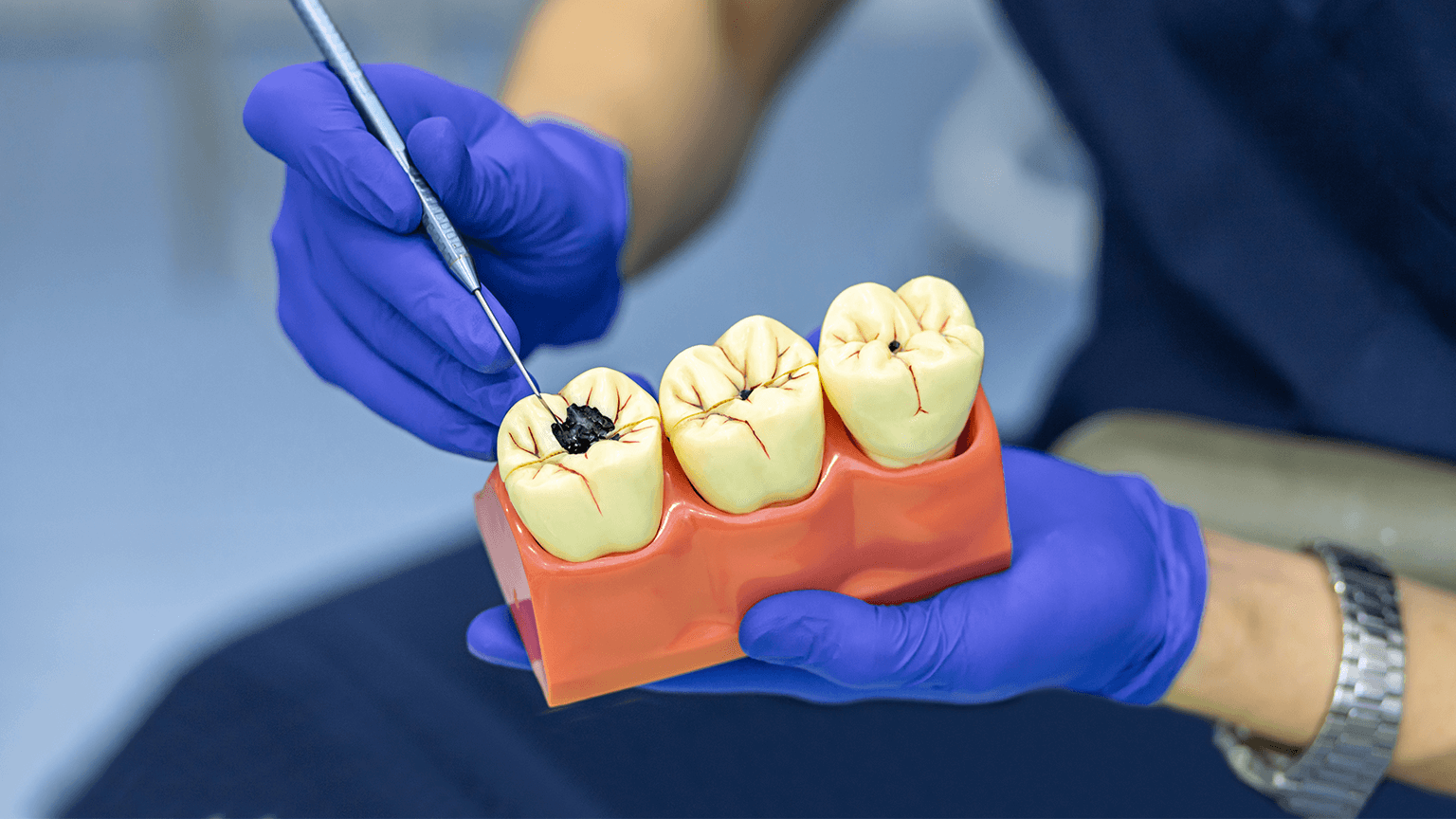
A cavity is a hole in the tooth that develops as a result of tooth decay. Cavities form when acids in your mouth wear away the hard outer layer of the tooth (enamel). Anyone can develop a cavity, but proper oral hygiene and regular dental cleanings can help prevent tooth decay.
Read also: Wisdom Teeth Benefits and Their Importance
Types of Cavities
Cavities can start on any tooth surface.
Below are the most common types of cavities and where they occur:
Read also: Detailed Symptoms of Dental Nerve Inflammation
How Common Are Cavities?
More than 80% of people have at least one cavity by their mid‑30s. Cavities are among the most common chronic diseases affecting people of all ages.
Who Can Develop Tooth Decay?
Tooth decay can occur at any age, although it is more common in children. This is because many children do not brush their teeth properly or regularly enough, and they tend to consume more sugary foods and drinks.
Many adults also develop tooth decay. Sometimes, new decay forms around the edges of fillings that were placed during childhood. Adults are also more likely to have gum recession, which exposes the tooth roots to plaque and can lead to root caries (decay on the roots of the teeth).
Read also: Treatment of Dental Nerve Inflammation
What Are the Signs of Tooth Decay?
Tooth decay limited to the outer enamel layer usually does not cause pain or noticeable symptoms. You are more likely to experience symptoms when the decay extends beyond the enamel into the dentin and pulp.
Symptoms of tooth decay may include:
Stages of Tooth Decay
Cavities can affect all layers of a tooth.
There are five main stages of tooth decay:
Read also: The Difference Between a Gum Abscess and a Tooth Abscess
What Causes Tooth Decay?
Several factors contribute to cavity formation. Here’s how the process works:
Bacteria in your mouth feed on sugary and starchy foods and drinks (such as fruit, sweets, bread, cereals, soft drinks, juice, and milk). These bacteria convert carbohydrates into acids.
Bacteria, acid, food particles, and saliva combine to form dental plaque, a sticky film that coats your teeth. If you do not brush and floss properly, the acids in plaque gradually dissolve the tooth enamel, creating cavities or holes in the enamel surface.
What Are the Risk Factors for Tooth Decay?
Certain factors can increase your risk of developing cavities, including:
Is Tooth Decay Contagious?
You cannot “catch a cavity” directly, but the bacteria that cause tooth decay can be transmitted from one person to another. Over time, these bacteria can contribute to cavities and other oral health problems.
How Do You Get Rid of Tooth Decay?
Treatment for tooth decay depends on how advanced the decay is. Options include:
Dental Fillings
Once a hole forms in the tooth, the dentist removes the decayed tissue and fills the space. Dental fillings may be made of composite resin (tooth‑colored material), silver amalgam, or gold.
Root Canal Treatment
Root canal therapy relieves pain caused by advanced tooth decay. This procedure is usually performed by an endodontist (a specialist in diseases and problems affecting the tooth root).
During a root canal, the endodontist removes the tooth pulp, then fills the canals and pulp chamber with gutta‑percha (a special filling material). In some cases, you may also need a dental crown to strengthen the treated tooth.
How Can I Prevent Tooth Decay?
Good oral hygiene—including regular brushing and flossing—helps remove plaque, acids, and decay‑causing bacteria.
Effective care for your teeth and gums includes:
When Should I See a Dentist?
You should schedule a dental appointment if you experience:
Read also: Removable Dentures | Key Advantages and Disadvantages

Dr. Muslim Mansour
Specialist in Prosthodontics – Syrian Board in Prosthodontics
Master’s Degree in Prosthodontics
16 years of experience in dental prosthetics