

Table of content
ToggleDental Crowns: Main Types and Key Uses
If you have a tooth that’s been damaged by decay or injury, choosing the right dental crown can be an ideal solution to restore the tooth’s function and appearance.
When your dentist recommends a crown, you’ll naturally start wondering: Why is a crown necessary? What are the best types of dental crowns? And how much does each type cost?
This article will help you understand why crowns are used, what types are available, and how to choose the most suitable option for your case.
What Are Dental Crowns?
A dental crown is used to restore a tooth that has been damaged, decayed, fractured, or significantly worn down. The crown is a custom-made cap that fits over the entire visible portion of your tooth. It reinforces the tooth, protects it from further damage, and improves its shape, size, strength, and overall appearance.
2. Uses of Dental Crowns
Here are some of the most important indications for dental crowns:
– A crown protects a tooth that has fractured or undergone root canal treatment, giving it the strength it needs for biting and chewing.
– A crown is also used to protect a weak tooth at high risk of cracking or breaking.
3. How Are Dental Crowns Made?
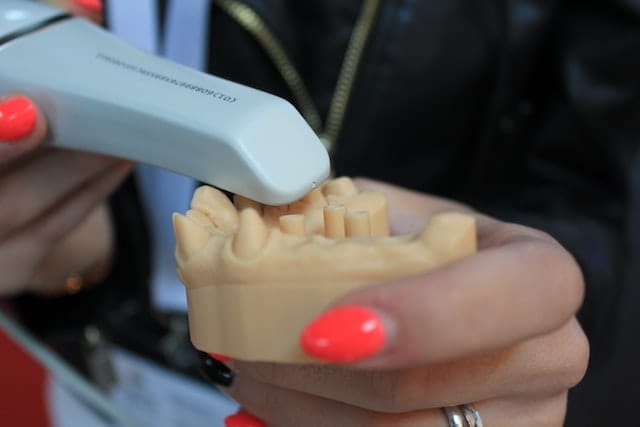
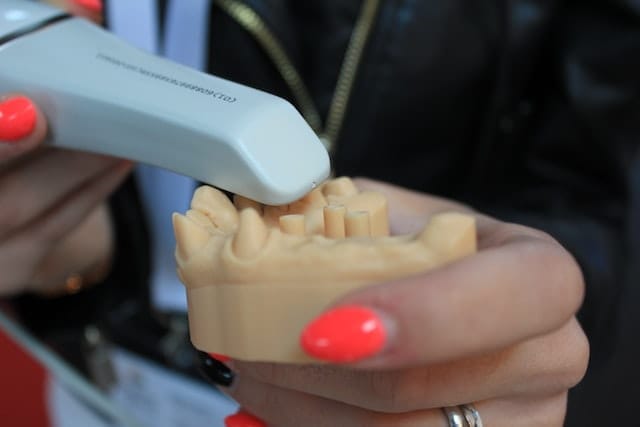
– First, the dentist prepares (shapes) the affected tooth by removing decay and reducing the tooth structure to make room for the crown. Then an impression (mold or digital scan) of the tooth is taken.
– This impression is sent to a dental laboratory, where the crown is fabricated.
– At a subsequent visit, the dentist tries the crown on your tooth to ensure proper fit, shape, and bite, and makes any needed adjustments.
– In the final step, the crown is permanently cemented onto your tooth using specialized dental cements.
4. The Best Types of Dental Crowns
When you need a crown, you’ll want to know the types available and the cost of each. Crowns differ according to the materials they’re made from, their durability, esthetics, and the clinical approach your dentist chooses.
The Most Common Types of Dental Crowns
1. All-Ceramic (Porcelain) Crowns
All-ceramic or all-porcelain crowns are among the most popular options. They are made from porcelain-based materials and are known for their highly natural appearance, closely mimicking real teeth. They are commonly used for front teeth because of their superior esthetics.
However, they are generally less strong than metal-based crowns and are usually more expensive. Good oral habits and avoiding very hard foods are important to maintain them.
2. Zirconia Crowns
Zirconia crowns are also widely used and highly sought after. They combine attractive, tooth-like esthetics (similar to ceramic) with the strength and durability of a high‑performance metal-oxide material (zirconium dioxide). This gives them both good appearance and excellent fracture resistance.
3. Lithium Disilicate (e.max) Crowns
Lithium disilicate crowns (commonly known by the brand name “e.max”) are among the most advanced crown materials used in modern dentistry. They offer an excellent blend of esthetics and strength.
They can be a great choice, especially for visible teeth, thanks to their translucency and natural look. However, they are often more expensive than many other crown types, including standard zirconia and porcelain‑fused‑to‑metal crowns.
4. Porcelain-Fused-to-Metal (PFM) Crowns
Porcelain-fused-to-metal crowns have a metal substructure covered by a layer of tooth-colored porcelain. This design gives them good strength from the metal and a natural-looking exterior from the porcelain.
Their main drawback is that, over time, a dark metal line may become visible at the gum margin where the porcelain ends, especially if the gums recede. This can be a cosmetic concern, particularly in the front of the mouth.
Which Is Better: Zirconia or e.max?
E.max (lithium disilicate) is more translucent than traditional zirconia, which often makes it more esthetic, especially in the front teeth. It can provide a very natural, lifelike appearance.
Zirconia also looks very good, but its standout advantage is its exceptional strength and fracture resistance, making it better suited for areas that are under higher biting and chewing forces compared to e.max.
When to Use Zirconia and When to Use e.max
– For restorations on front teeth (anterior teeth), e.max is often preferred due to its superior translucency and highly natural esthetics.
– For both front and back teeth (anterior or posterior) and especially for dental implants or molars, zirconia is frequently recommended. Its high strength and durability make it particularly suitable for back teeth that handle heavy chewing forces and generally give it an advantage over e.max in high‑stress areas
Some Drawbacks of Dental Crowns
- After getting a crown, you may experience some sensitivity, especially to hot or cold foods and drinks.
- In some cases, a crown can chip or fracture, so it’s important to avoid biting hard objects and to follow proper oral hygiene and care instructions.
- You might feel mild pain or discomfort after the crown is placed, but this usually subsides quickly, especially with a simple over‑the‑counter pain reliever if needed.
- If the tooth’s nerve (pulp) was not removed (no root canal treatment) before crowning, you may experience sensitivity when consuming hot or cold foods and beverages.
- If you have persistent pain after getting a crown, you should see your dentist promptly to evaluate the cause.
- Porcelain crowns can be prone to fracture if you don’t take care of them and frequently chew on very hard foods such as tough nuts or ice.
- A crown may occasionally come off if the cement weakens or wears away. In that case, your dentist will clean the tooth and the crown, then recement and secure it properly.
How Much Does a Dental Crown Cost in Saudi Arabia?
Today, placing a dental crown is a fairly routine and straightforward procedure. It allows you to cover and protect a worn or damaged tooth while your dentist restores its function and appearance.
Crown prices in Saudi Arabia vary depending on the crown material and type. Zirconia and porcelain crowns are among the most commonly chosen options because of their strength, durability, and good resistance to fracture.

Dr. Muslim Mansour
Specialist in Prosthodontics – Syrian Board in Prosthodontics
Master’s Degree in Prosthodontics
16 years of experience in dental prosthetics