


Gingival tumor resection surgery is a common treatment for oral cancer. The goal is to remove as much of the cancer as possible, but the patient must be healthy enough to undergo surgery to reduce the risk of complications. In some cases, certain oral cancers cannot be removed surgically; this depends on the tumor’s location, size, and whether it has spread beyond its original site.For those seeking safe and effective treatment for gingival tumor resection, visiting Batal Dental Center in Saudi Arabia is highly recommended, as they offer a wide range of treatment options and excellent services.Also read: The Best Antibiotic for Gingivitis You Can Use
Gingival Tumor Surgery
In some cases, reconstructive surgery is needed to repair damage caused by tumor removal. Reconstructive procedures can help restore both the function and appearance of the affected areas.For example, a mandibulectomy (removal of part of the lower jaw) may be performed when the tumor is very close to, or attached to, the mandibular bone. This procedure is more common in oral cancers that begin in the lower gums or the floor of the mouth.Localized cancers are often treated by removing part of the tongue, mouth, or lip. Larger tumors, as mentioned, usually require reconstructive surgery afterward.If you need a highly qualified specialist to perform these procedures, our team is ready to help you prevent dental diseases and manage any related condition. It is recommended to visit Batal Dental Center in Saudi Arabia, where you will find an experienced and well-trained medical staff in this field.Also read: Is Gum Bleeding Normal? | Everything You Need to Know
Types of Surgery for Oral Cancer
A patient may undergo one or more of the following types of surgery:– The surgeon removes the cancerous tissue in the mouth along with a small margin of surrounding healthy tissue.– If the cancer is in the lower jawbone, the surgeon may remove part or all of the mandible. The jaw can then be reconstructed using bone taken from another part of the body or with a metal plate.– If the cancer affects the bone at the front part of the roof of the mouth that supports the upper teeth (hard palate), the surgeon may need to remove part of that bone.– If the cancer is in the lip, Mohs surgery may be used to remove the tumor. This technique aims to preserve lip function and appearance as much as possible.– Partial or total glossectomy (removal of part or all of the tongue) may be necessary to treat tongue cancer.– A neck dissection may be required if the cancer has spread to the lymph nodes in the neck. In this procedure, the surgeon removes affected lymph nodes and some surrounding tissues.– A tracheostomy may be needed if the cancer itself, or the surgery to remove it, makes breathing difficult. The surgeon creates an opening in the front of the neck into the trachea (windpipe) and keeps it open with a small tube called a tracheostomy tube.– A feeding tube (often a gastrostomy tube) may be placed directly into the stomach if the cancer or its treatment makes it hard for the patient to eat normally.If you are looking for effective ways to address dental problems or want to help others with oral health issues, Batal Dental Center in Saudi Arabia can be an excellent choice due to its outstanding medical team in all dental specialties.Also read: Oral Cancer | Causes, Symptoms, and How to Detect It Early
Common Side Effects After Oral Cancer Surgery
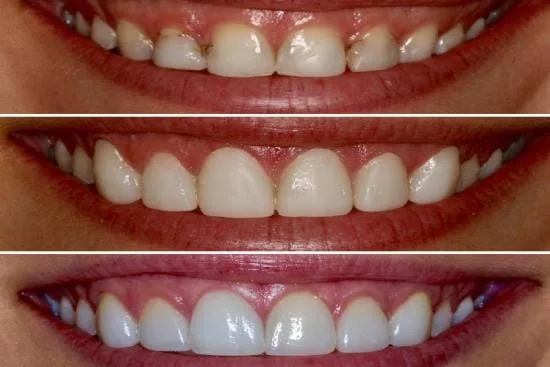
Common side effects after oral cancer surgeryCommon side effects following gingival tumor resection surgery may include:[Note: The detailed list of side effects was not provided in the original text.]
Post-Gum Surgery Care Tips from Batal Dental Complex Dentists

After surgery, the gums will be secured to the root using strong sutures. This step is crucial to maintain the expected results, so it is essential to follow these guidelines:[Note: The specific post-operative instructions were not listed in the original text.]All of these tips and instructions are provided by the dentists at Batal Dental Complex, so do not hesitate to visit them.Also read: Protecting Oral Health | Identifying Dental Emergencies