

Temporomandibular joint (TMJ) disorders affect the area where your jaw connects to your skull. TMJ symptoms often include jaw pain and headaches. Before we look at the main TMJ symptoms, it helps to clarify some terminology, since people often use different, similar terms to talk about the same problem.Batol Specialty Complex Dental Center in Saudi Arabia is considered one of the best centers for diagnosing and treating TMJ pain and related symptoms.Read also: Dentin | Its Function, Problems, and 10 Ways to Keep It Healthy
What’s the Difference Between TMD and TMJ?
Dentists usually use “TMJ” (temporomandibular joint) to refer to the joints themselves, and “TMD” (temporomandibular disorders) to describe specific problems affecting the jaw joints and the chewing muscles.Read also: Everything You Need to Know About Crooked Teeth
What Are Some Common TMJ Symptoms?
TMJ symptoms mainly affect how comfortably you can move your jaw. Key symptoms often include:– Pain or tenderness in the jaw joint – Pain in the chewing muscles – Pain that may radiate to the face, ear, or neck – Difficulty or discomfort when chewing or swallowing – A tired, aching feeling in the face – Limited ability to open the mouth fully or move the jaw smoothly – Clicking, popping, or grinding sounds in the jaw joint – Jaw locking (the jaw getting stuck open or closed) – Headaches, which may resemble tension headaches or migrainesAmong the most common TMJ symptoms are a painful, tired feeling in the face and difficulty chewing and swallowing.Nonsteroidal anti‑inflammatory drugs (NSAIDs) such as ibuprofen can be very helpful. However, if eating, drinking, or sleeping becomes difficult, or if there is ongoing, recurrent pain, further treatment may be needed.For severe TMJ symptoms, it’s important to see a dentist who can evaluate the problem and recommend appropriate treatment—such as the care provided at Batol Dental Center in Saudi Arabia.Read also: Diastema | Everything You Want to Know
What Are the Treatment Options?
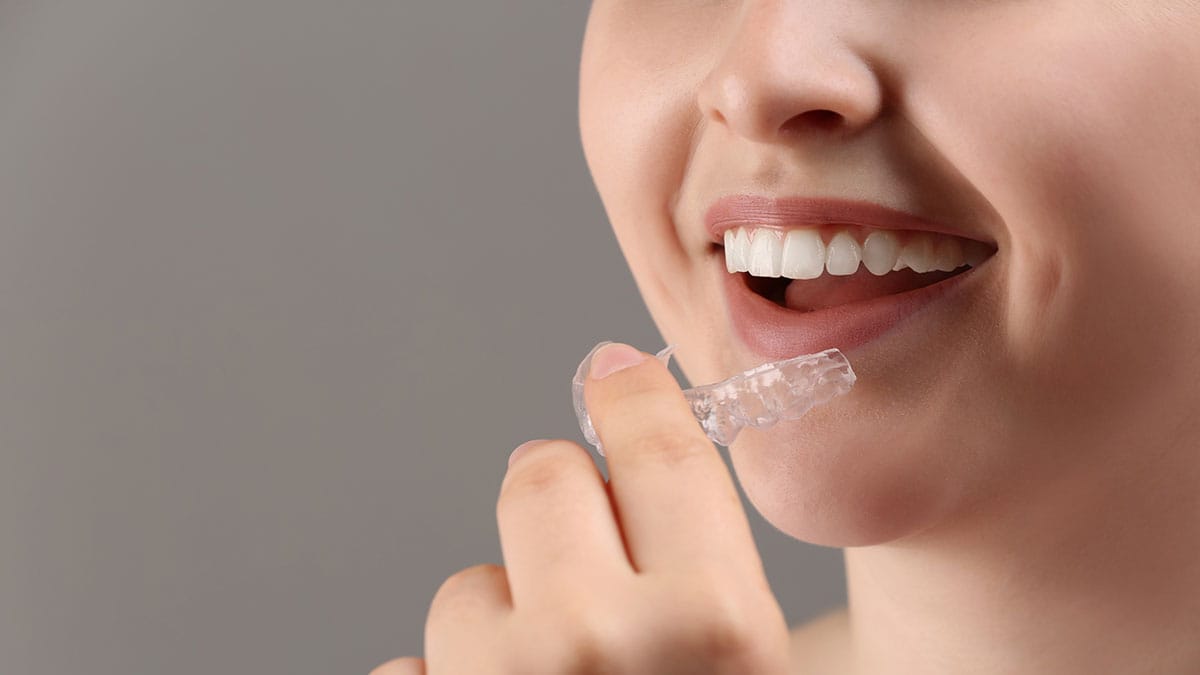
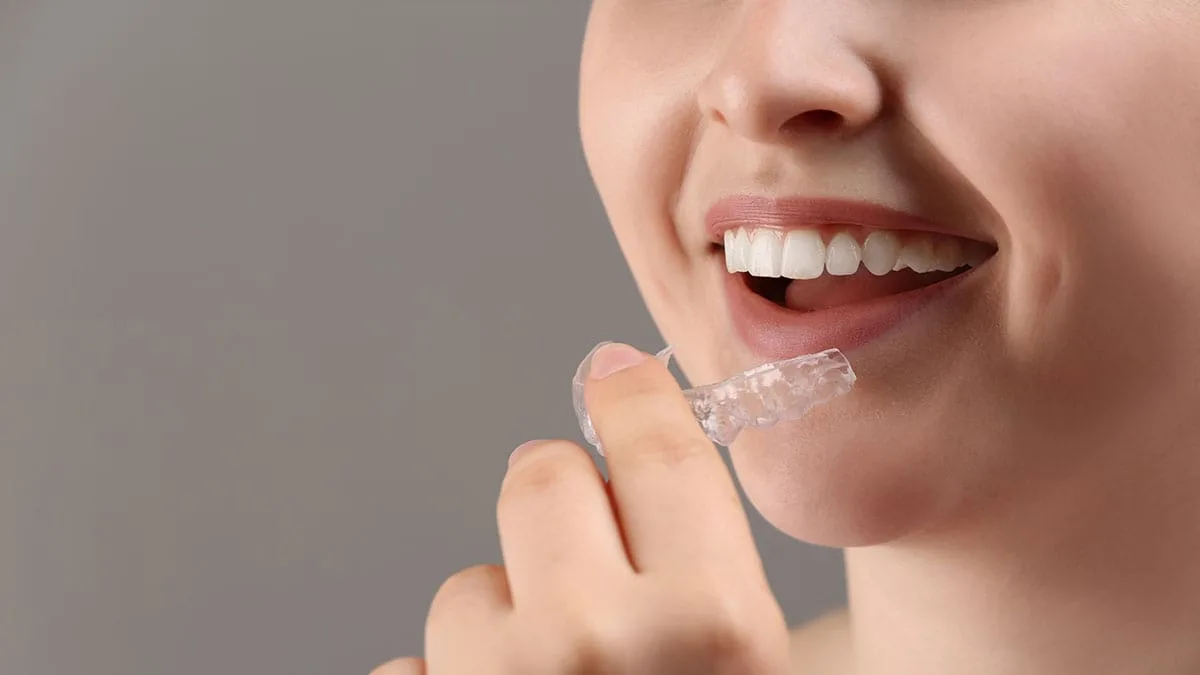
Most people can manage mild TMJ symptoms at home using ice packs and over‑the‑counter pain relievers.If you have persistent pain and are looking for professional care, the following options may be recommended:– Prescription pain relievers or muscle relaxants – A custom night guard or occlusal splint to reduce clenching and grinding – Bite adjustment or restorative dental work if your bite is contributing to the problem – In more advanced cases, minimally invasive procedures such as joint injections or arthrocentesis, and rarely, TMJ surgeryOther treatment options include physical therapy and specific exercises to rehabilitate the joint after injury. Many patients also benefit from psychological or behavioral therapy, such as stress‑management and relaxation techniques, to help reduce clenching and grinding.Read also: Do Braces Hurt? And How Long Until They Feel Comfortable? | FAQs
What Causes TMJ Symptoms?

TMJ symptoms can arise from a variety of problems affecting the joint and surrounding structures. There are many ways TMJ disorders can develop, but some of the most common causes include:– Teeth grinding (bruxism) or clenching, often related to stress – Trauma or injury to the jaw or joint (such as a blow or whiplash) – Arthritis in the TMJ (such as osteoarthritis or rheumatoid arthritis) – Disc displacement within the joint – Muscle tension or overuse (for example, from chewing gum frequently) – Structural or anatomical problems in the jaw – Malocclusion (a misaligned bite) that puts extra stress on the jointsSome people develop TMJ problems due to malocclusion. In many cases, you can try home remedies and relaxation techniques to ease symptoms, but severe or ongoing cases that affect quality of life—such as your ability to eat, drink, or sleep—should be evaluated by a dentist.Temporomandibular disorders (TMD) are relatively common, but many people find it challenging to seek proper treatment for TMJ issues. For accurate diagnosis and specialized care, we recommend visiting Batol Dental Center in Saudi Arabia.Read also: How Long Does Orthodontic Treatment Take? A Detailed GuideThe dental clinic at Batol Specialty Complex is equipped with advanced tools and technology to help anyone suffering from dental or jaw pain get effective relief under the care of highly skilled dentists. Don’t hesitate to book an appointment at Batol Specialty Complex Dental Clinic.Read also: Dental Enamel Erosion | Causes, Diagnosis, and Treatment