

Do you suffer from tooth pain or discomfort? Do you have a damaged or decayed tooth that needs to be removed? If so, tooth extraction might be the right solution for you. At Batal Specialized Dental Complex in Jeddah, we offer a wide range of dental services, including tooth extractions. In this article, we’ll walk you through everything you need to know about tooth extraction procedures at our clinic.
What Is Tooth Extraction?
Tooth extraction is the process of removing a tooth from its socket in the jawbone. There are two main types of tooth extractions: simple and surgical.
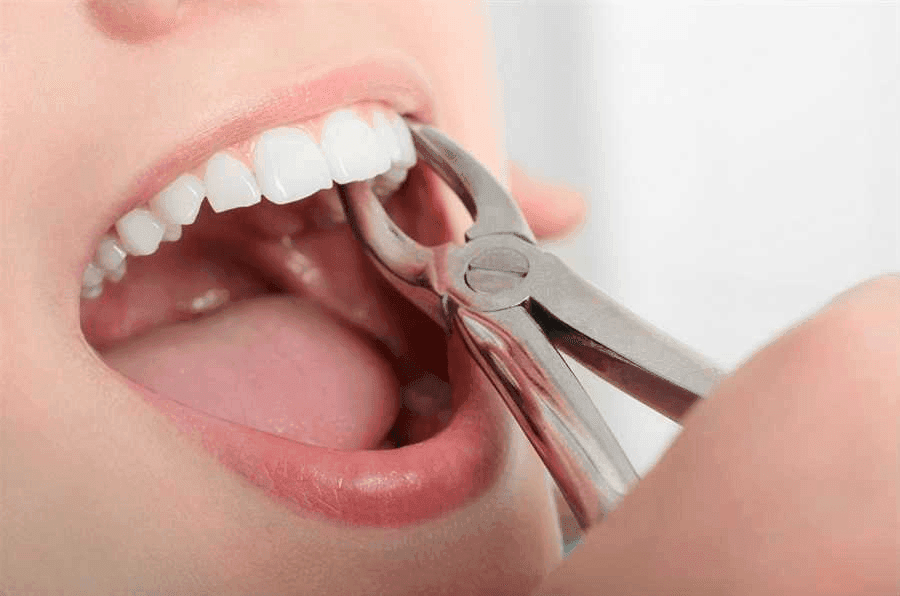
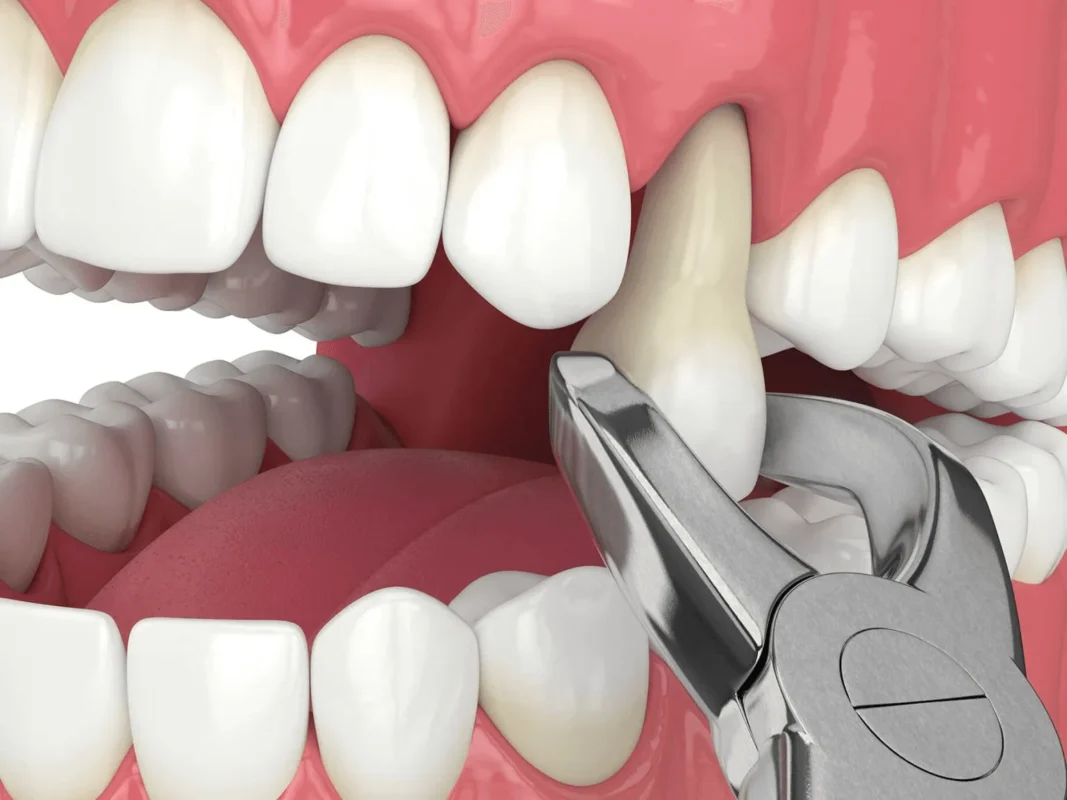
A simple extraction is performed on teeth that are fully visible in the mouth and can be loosened and removed using a dental forceps. Surgical extractions are more complex and typically involve making an incision in the gum tissue (and sometimes removing bone) to access and remove the tooth.
When Is Tooth Extraction Necessary?
There are several reasons why a tooth might need to be extracted, including:
- Severe tooth decay or damage
- Advanced gum disease (periodontitis)
- Fractured or broken teeth that cannot be restored
- Impacted teeth, especially wisdom teeth
- Overcrowding or orthodontic reasons
- Teeth associated with infection or cysts
If left untreated, these problems can lead to more serious complications, such as infection and persistent pain.
At Batal Specialized Dental Complex in Jeddah, our experienced dentists will carefully evaluate your condition and determine whether extraction is truly necessary or if the tooth can be saved with other treatments.
Types of Tooth Extraction
There are two main types of tooth extraction procedures:

Simple Tooth Extraction
A simple extraction is performed on teeth that are clearly visible above the gum line and can be removed without the need for surgical intervention. The dentist loosens the tooth using an instrument called an elevator and then removes it with forceps.
Surgical Tooth Extraction
A surgical extraction is required when the tooth is not easily accessible—such as teeth that are broken at the gum line, not fully erupted, or impacted. This procedure may involve making an incision in the gum, removing a small amount of bone, or sectioning (cutting) the tooth into pieces to remove it safely.
Reasons for Tooth Extraction
Tooth extraction may be recommended for several reasons, including:
Severely Damaged or Decayed Teeth
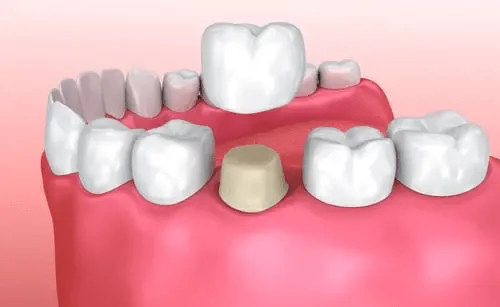
Harmful oral bacteria that form dental plaque feed on sugars in the diet and produce acids that erode tooth enamel. Over time, this can lead to extensive tooth decay and infection. When a tooth is badly decayed or infected and cannot be restored with a filling, root canal treatment, or a crown, your dentist may recommend extraction to prevent the spread of infection and relieve pain.
Crowded or Misaligned Teeth
Another common reason for extraction is dental crowding—when there isn’t enough space in the jaw to accommodate all the teeth in proper alignment. In some orthodontic cases, one or more teeth may be removed to create space and help straighten the remaining teeth. Extraction may also be needed if wisdom teeth are pushing against other teeth or preventing them from aligning correctly.
Impacted Wisdom TeethImpacted wisdom teeth are third molars that are partially or completely trapped beneath the gum or within the jawbone. Third molars (wisdom teeth) are the most commonly impacted teeth, and their removal is frequently recommended for reasons such as recurrent infections, lack of space for proper eruption, pain, damage to adjacent teeth, or the development of cysts around the tooth.
Other Reasons
Additional reasons for tooth extraction may include:
- Teeth with cracks extending below the gum line
- Teeth involved in jaw fractures
- Teeth affected by certain medical conditions or treatments (e.g., before radiation therapy to the head and neck, or before some types of chemotherapy)
- Teeth that interfere with the fit of dentures or other prosthetic appliances
What to Expect Before, During, and After Tooth ExtractionTooth extraction involves several steps. Understanding what happens before, during, and after the procedure can help you feel more prepared and comfortable.</p>
Before Tooth Extraction
Before the extraction, your dentist will:
- Review your medical and dental history, including medications and allergies
- Examine your mouth and take dental X‑rays to assess the tooth, roots, and surrounding bone
- Discuss the type of extraction (simple or surgical) and the anesthesia options (local anesthesia, and in some cases sedation)
- Explain risks, benefits, and alternative treatment options
- Provide pre‑operative instructions, such as fasting if sedation is planned and adjusting certain medications if necessary in consultation with your physician
During Tooth Extraction
On the day of the procedure:
- A local anesthetic is administered to numb the tooth and surrounding tissues.
- For simple extractions, the dentist loosens the tooth and removes it with forceps.
- For surgical extractions, a small incision may be made in the gum, and bone may be carefully removed or the tooth may be sectioned into smaller pieces for easier removal.
- Once the tooth is removed, the area is cleaned, and in some cases sutures (stitches) are placed to help the gum heal.
After Tooth Extraction
After the extraction, it is crucial to keep the extraction site clean and to minimize the risk of infection. Post‑operative care and the symptoms you might experience will vary depending on several factors, especially how complex the procedure was and whether bone removal or tooth sectioning was required.
Common post‑extraction advice includes:
- Biting down firmly on a gauze pad to control bleeding and help a blood clot form
- Taking prescribed or recommended pain relievers and anti‑inflammatory medications as directed
- Applying a cold compress to the cheek to reduce swelling
- Avoiding smoking, spitting forcefully, or drinking through a straw, as these can dislodge the blood clot
- Following specific instructions for oral hygiene and diet during the first few days
Tooth Extraction Instruments
Dentists use a variety of specialized instruments during tooth extraction. Common tools include:
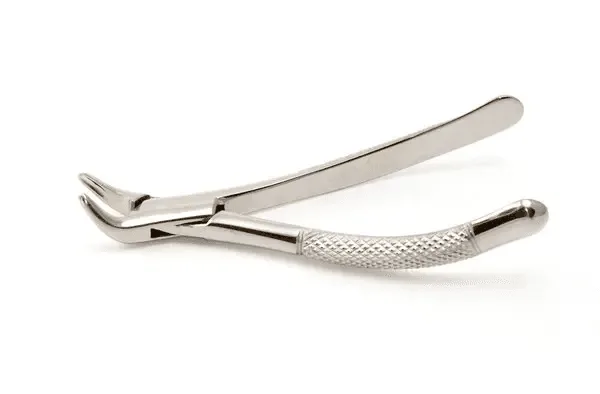
- Dental elevators: Instruments used to loosen the tooth from the surrounding bone and ligaments.
- Pliers‑like instruments used to grasp and remove the tooth.
- Extraction forceps:Scalpels:Used to make precise incisions in the gum tissue during surgical extractions.
- Periosteal elevators:Used to gently elevate and retract gum tissue.
- Bone files and rongeurs:Used to smooth or trim bone, if needed.
- Sutures and needle holders:Used to place stitches to close the surgical site.
Complications of Tooth Extraction
Tooth extraction is a common and generally safe dental procedure; however, as with any surgery, complications can occur. Possible complications include:
- Prolonged bleeding
- Infection at the extraction site
- Dry socket (alveolar osteitis), where the blood clot becomes dislodged or fails to form
- Swelling and bruising
- Damage to adjacent teeth or restorations
- Nerve irritation or injury, especially with lower wisdom teeth
- Sinus involvement for upper back teeth, in rare cases
Your dentist will provide instructions to reduce the risk of these complications and will advise you when to seek immediate care.
Alternatives to Tooth Extraction
Extraction is usually considered a last resort when more conservative treatments are not possible or would not be effective. Depending on the condition of the tooth, alternatives may include:
- Dental fillings or inlays/onlays for mild to moderate decay
- Root canal treatment (endodontic therapy) for infected or severely decayed teeth
- Dental crowns to restore and protect structurally compromised teeth
- Periodontal treatment (deep cleaning, scaling, and root planing) for gum disease
- Orthodontic solutions for alignment issues when feasible without extraction
Tooth Extraction Costs
Wondering how much a tooth extraction costs? The price can vary depending on several factors, including:
- The type and position of the tooth
- Whether the extraction is simple or surgical
- The complexity of the case (impaction, need for bone removal, etc.)
- Type of anesthesia or sedation used
- Insurance coverage
- Any additional procedures required, such as bone grafting
Tooth Extraction Prices in Jeddah
In Jeddah, fees for tooth extraction generally vary according to the type of procedure, for example:
- Simple extraction: lower cost range
- Surgical or impacted tooth extraction: higher cost range
Your dentist will provide a detailed treatment plan and cost estimate after examining your case.
Our Dentists’ Tips After Tooth Extraction
After a tooth is removed, it is essential for a blood clot to form in the socket to stop the bleeding and begin the healing process. For this reason, you’ll be asked to bite down on a piece of gauze for about 45 minutes after your appointment. If bleeding persists, place a new piece of gauze over the area and bite down firmly for another 30 minutes. You may need to repeat this more than once.
Some of the key recommendations from the dentists at Batal Specialized Dental Complex include:
- Avoid smoking and using straws for at least 24–72 hours.
- Limit physical activity on the first day to reduce bleeding and swelling.
- Use cold compresses intermittently for the first 24 hours to control swelling.
- Stick to soft, cool foods and avoid chewing on the extraction side
- Follow pain medication and antibiotic instructions exactly as prescribed.
- Maintain gentle oral hygiene, avoiding direct brushing over the extraction site initially.
Frequently Asked Questions About Tooth Extraction
After a tooth is extracted, it’s important to follow your dentist’s post‑operative instructions, which may include:
- How and when to change gauze packs
- Recommended pain relief and anti‑inflammatory medications
- Cold compress instructions to reduce swelling
- Specific oral hygiene and mouth‑rinsing guidelines
- Dietary recommendations during the first few days
- When to return for follow‑up or suture removal
Once a tooth is extracted, the socket will bleed and a blood clot will form. The surrounding tissues may be swollen and tender. Over time, the blood clot is replaced by granulation tissue, and the socket begins to heal. The healing process involves the formation of new bone and closure of the extraction site. A protective layer of tissue, similar to a scab, called the epithelial layer, usually develops over the area.
The healing time after tooth extraction varies depending on several factors, such as the complexity of the procedure, your general health, your body’s healing capacity, and your oral hygiene. In general, initial healing of the extraction site takes about 7–10 days. However, complete healing, including bone remodeling and maturation of the soft tissues, can take several weeks to a few months.
Removing a single tooth, especially a back tooth (molar), usually does not significantly affect the shape of the face. However, multiple extractions—particularly of front teeth—may cause some changes in facial appearance over time due to loss of support for the lips and cheeks and gradual bone resorption.
The cost of tooth extraction can vary widely based on several factors, including the complexity of the procedure, the location of the tooth, the dentist’s fees, and the geographic area. In general, a simple extraction may range approximately from 500 SAR to 1200 SAR. These figures are estimates and can differ considerably from one clinic to another.
Tooth extraction in children is usually recommended when primary (baby) teeth are severely decayed, badly damaged, infected, or causing orthodontic problems such as preventing the proper eruption of permanent teeth. The timing of extractions in children varies but often coincides with the period when permanent teeth are ready to erupt.
Baby teeth, also known as primary or deciduous teeth, are extracted when they are extensively decayed, fractured, infected, or interfering with the normal eruption or alignment of the permanent teeth. The decision and timing for removing baby teeth are made by a pediatric dentist after a thorough clinical and radiographic evaluation.
To stop bleeding after a tooth extraction, follow these steps:
- Bite firmly on a clean piece of gauze placed over the extraction site for 30–45 minutes.
- Keep your head elevated and avoid lying flat.
- Avoid spitting, rinsing vigorously, or using straws during the first hours.
- If bleeding continues, replace the gauze and bite down again with firm pressure.
- If heavy bleeding persists, contact your dentist or seek urgent care.
It is generally recommended to avoid brushing directly over the extraction site during the first 24 hours after the procedure. After this period, you can resume gentle toothbrushing, but you should still avoid brushing directly on the extraction socket or scrubbing aggressively to prevent irritation or dislodging the blood clot. Always follow your dentist’s specific instructions regarding brushing and oral hygiene after an extraction.
You should not rinse your mouth vigorously or use mouthwash immediately after tooth extraction, as this can disrupt the blood clot that forms in the socket and is necessary for proper healing. Your dentist may advise gentle rinsing with a prescribed or saltwater solution starting 24 hours after the procedure.
After tooth extraction, bleeding typically decreases significantly within a few hours. It is normal to experience slight oozing or minor bleeding during the first 24–48 hours. Formation of a stable blood clot helps stop active bleeding and initiates healing. If noticeable bleeding continues or worsens after the first day, you should contact your dentist for further assessment.

You should wait until the numbness has completely worn off before attempting to eat, to avoid accidentally biting your lips, cheeks, or tongue. After that, it is usually recommended to stick to soft, cool foods for the first 24–48 hours following extraction. Avoid hot, spicy, acidic, or hard foods that may irritate the extraction site or dislodge the blood clot.