

The different types of braces play a major role in giving people a consistently beautiful smile. They can also help patients get rid of many dental problems, allowing them to enjoy healthy, strong teeth over the long term. The most suitable type of braces depends on the patient’s condition and personal preferences.This article takes a detailed look at the main types of braces, their advantages, and their approximate costs.Braces are important because they protect the teeth from wear caused by an uneven distribution of chewing forces in the mouth, often due to crowding or tilted teeth. Braces also significantly improve facial and dental aesthetics by creating an attractive, well-aligned smile, which in turn boosts self‑confidence. In addition, they improve the teeth’s ability to cut and chew food efficiently.—
Types of Braces
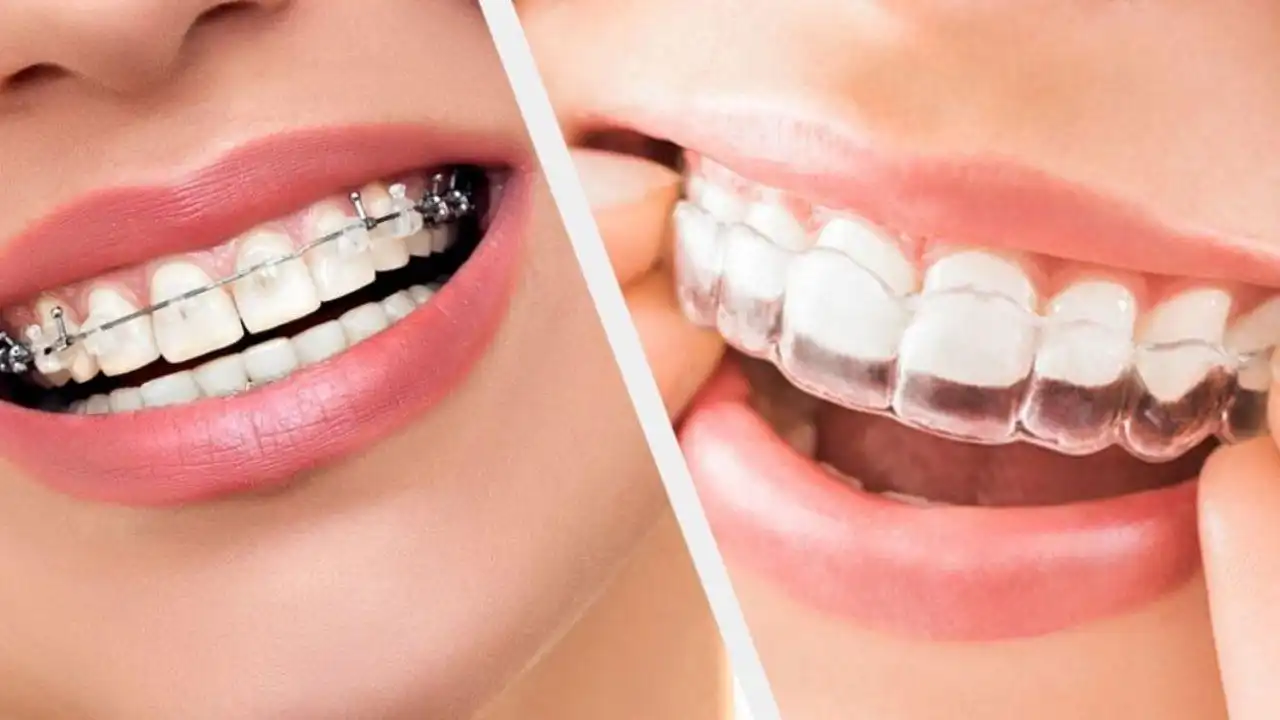
There are many types of braces that can be used to treat different orthodontic problems. The most important ones include:
Clear Aligners (Invisible Braces)
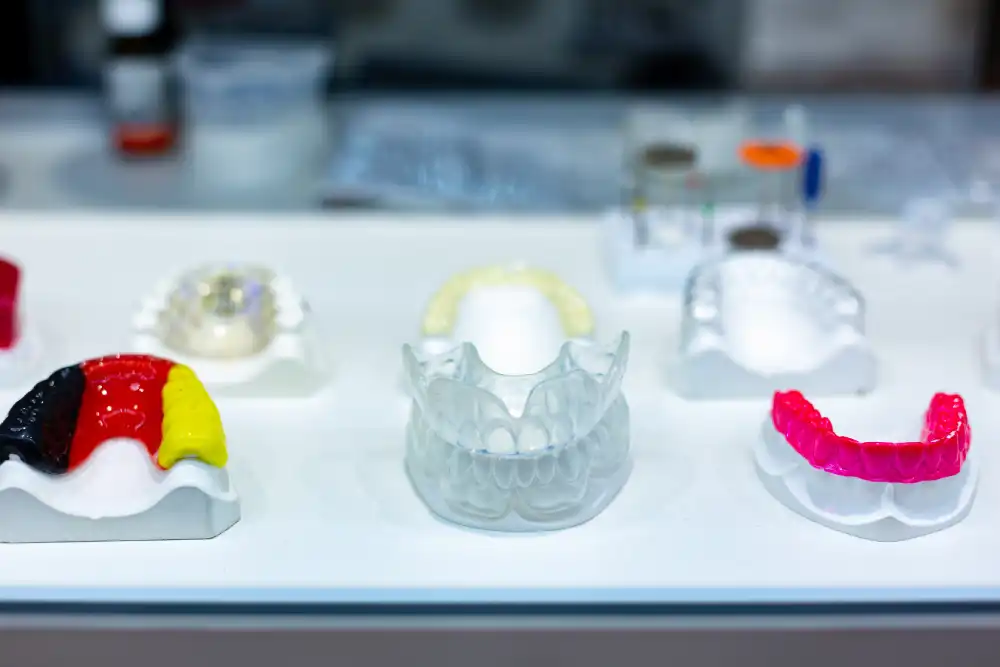
Clear aligners are a modern and advanced way to correct dental problems. They rely on a non‑traditional approach to straightening and aligning teeth using nearly invisible trays, while still providing high efficiency and effectiveness.A series of custom-made, clear, medical‑grade plastic aligners are used to gradually move the teeth into their proper positions, making them a popular choice for those who want discreet orthodontic treatment.
Metal Braces
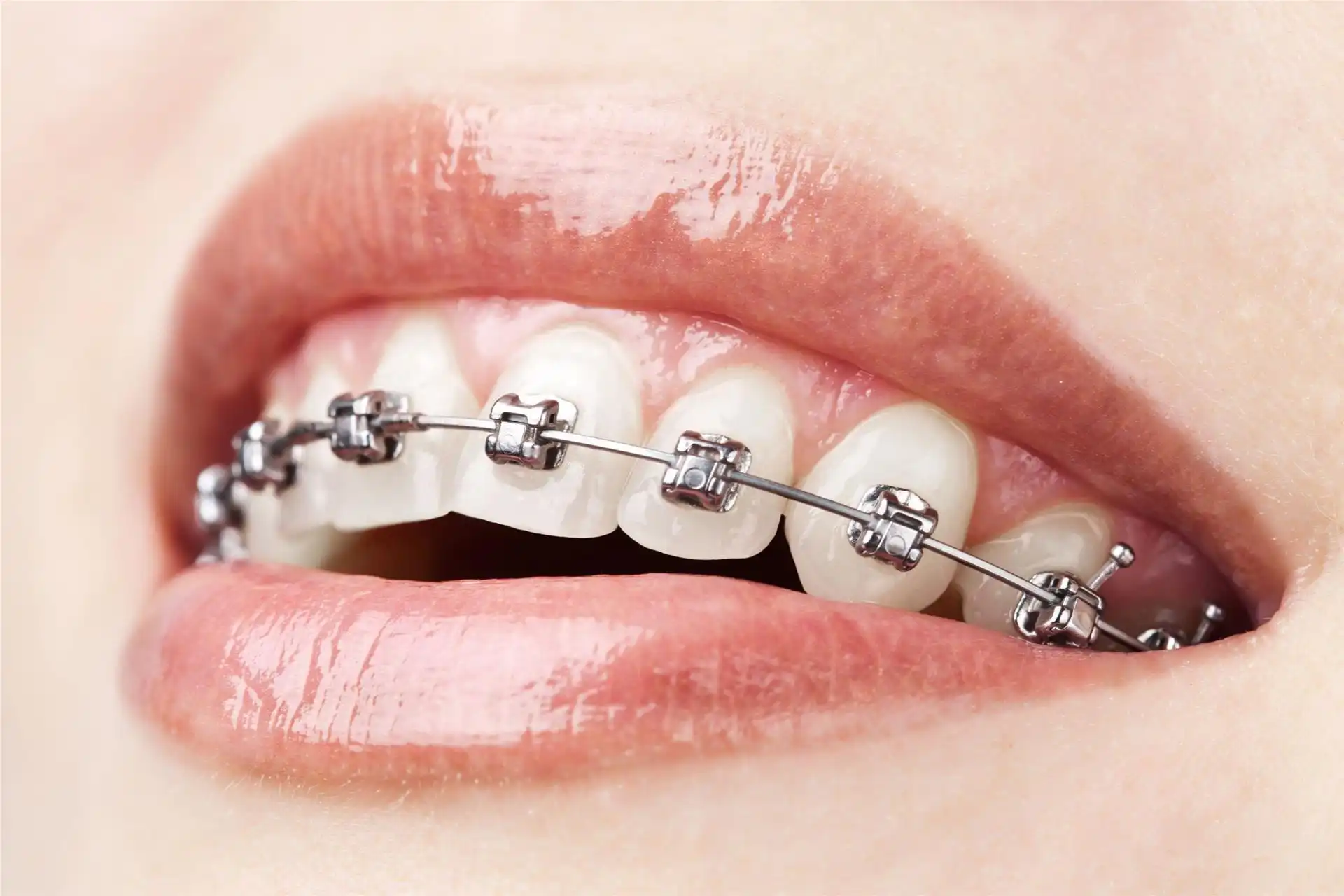
Traditional metal braces are the most common and usually the least expensive type of braces. They are suitable for both adults and children and are known for their ability to treat complex orthodontic cases with high effectiveness.However, they have some drawbacks: their appearance is often considered unattractive, food can easily get stuck around the brackets and wires, and they may be harder to clean. The treatment duration with metal braces typically ranges from about 18 months to 4 years, depending on the case.
Removable Braces
Removable braces exert gentle pressure on the teeth to correct certain problems. They have the advantage of being easy to take out when brushing the teeth or eating. Patients can also remove them for important social occasions, which is why they are called “removable.”However, removable braces are generally less efficient and less powerful than fixed braces, and their success depends heavily on patient compliance with wearing them for the recommended number of hours per day.
Ceramic Braces
Ceramic braces, sometimes called “tooth‑colored braces,” are one of the more modern types of fixed braces used to correct dental misalignment and improve the appearance of the smile.These braces are made of ceramic material and consist of clear or tooth‑colored brackets, along with wires that are often color‑matched to the brackets, and elastic ties that help keep the archwire in place. Their color makes them less noticeable than metal braces, which is why many adults prefer them.
Lingual Braces
Lingual braces are among the most effective and stable types of braces. They are usually made of metal or gold alloy and are similar to traditional braces in design, but they are placed on the inner (tongue‑side) surfaces of the teeth instead of the front.Each set of lingual braces is custom‑designed and fabricated to fit the shape and alignment of the patient’s teeth, which helps achieve very precise and highly aesthetic results, as the braces are virtually invisible from the outside.
Functional Appliances
Functional appliances are a type of orthodontic treatment used to correct the way the upper and lower teeth meet (the bite or occlusion). They are most commonly used when the lower jaw is significantly retruded (set back) in relation to the upper jaw.These appliances help guide the growth of the jaws and improve jaw relationships, especially in growing children and adolescents.Read also: Braces vs. Dental Archwires—
Comparison of Types of Braces with Photos and Prices
Below is an overview comparing the different types of braces in terms of appearance and cost (typically illustrated with images and a price breakdown in the original article):– Metal braces: usually the most affordable, highly effective for complex cases, but the most visible. – Ceramic braces: more aesthetic than metal, slightly higher in cost, with similar effectiveness in many cases. – Clear aligners: almost invisible and very comfortable, often more expensive; best suited for mild to moderate cases. – Lingual braces: completely hidden behind the teeth, among the most expensive options, and require specialized expertise. – Removable braces and functional appliances: used in specific cases, often as adjuncts to or stages of comprehensive treatment.—
Al Batal Medical Complex Tips for Choosing the Right Type of Braces

At the Dental Center of Al Batal Specialized Complex, we offer several key tips to help you choose the type of braces that suits you best, including:– Undergo a thorough clinical examination and X‑rays before making a decision. – Discuss your aesthetic concerns, lifestyle, and budget with your orthodontist. – Ask about the expected duration of treatment with each option. – Consider how visible you are comfortable your braces being (metal vs. ceramic vs. clear aligners vs. lingual). – Commit to oral hygiene and regular follow‑up visits regardless of the type you choose.Read also: Duration of Braces Treatment – Useful Information 2023—At the end of this article, we have reviewed the main types of braces and highlighted important details and information about each one. You can contact us at the Dental Center in Al Batal Specialized Complex to receive optimal treatment for your various dental and orthodontic problems.Sources: Types of Braces – webteb.com Types of Braces – calismileorthodontics.com