

Problems in the upper jaw can affect eating and speaking. Treatment depends on the cause and severity of the condition, and may range from using an ice pack or medications to, in some cases, surgery.
Upper jaw problems can be related to the sinuses, ears, teeth, or the jaw joint itself. Once you receive an accurate diagnosis, the appropriate treatment can begin. It’s best to consult Batel Dental Center in Saudi Arabia to learn how to treat these problems and take proper care of your oral health.
Read also: Strong Painkillers for Severe Toothache
What Causes Upper Jaw Problems?
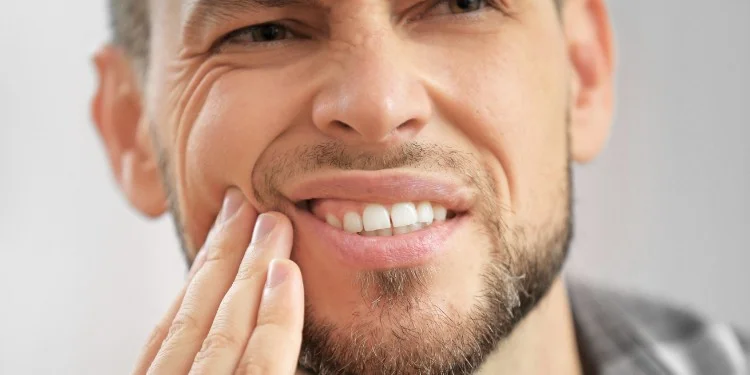
Most jaw pain is linked to dysfunction or injury of the jaw joint, but there are several other possible causes. Below are some of the most common reasons for jaw pain:
Temporomandibular Joint Disorders (TMD)
Temporomandibular joint disorders (TMD) are the most frequent cause of jaw pain. A variety of issues can lead to TMD-related pain in the jaw, including:
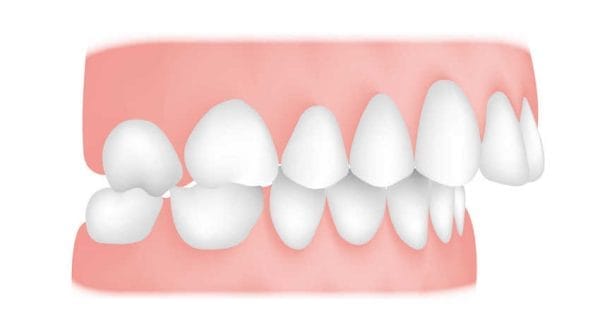
- Abnormal alignment of the teeth or jaw
- Teeth grinding or clenching (bruxism)
- Injury or trauma to the jaw joint
- Degenerative joint conditions such as osteoarthritis
- Stress that increases jaw muscle tension
Cluster Headaches
Cluster headaches cause severe pain behind or around one eye, and this pain may radiate to the jaw.
Sinus Infections (Sinusitis)
The sinuses are air‑filled cavities located close to the jaw joint. If the sinuses become infected with a virus or bacteria, mucus can build up and increase pressure in the area, which may press on the jaw joint and cause pain.
Severe Tooth Infections (Dental Abscess)
Sometimes a severe tooth infection, known as a dental abscess, can cause pain that spreads to the jaw.
Heart Attack
A heart attack can cause pain in other areas of the body besides the chest, such as the arms, back, neck, and jaw.
Dental Abscess
An abscess is a pocket of pus around a tooth caused by a bacterial infection. A dental abscess can lead to significant jaw pain.
Arthritis
Arthritis affects the joints and can involve the temporomandibular joint, leading to jaw pain and stiffness.
Gum Disease (Periodontal Disease)
Gum infections due to poor oral hygiene may also result in jaw discomfort or pain.
Mumps
Mumps is a contagious viral illness that can cause jaw pain because it leads to swelling of the salivary glands.
Read also: The Best Antibiotic for Tooth Infections You Can Use
Symptoms
Signs and symptoms of temporomandibular joint disorders (TMD) may include:
- Pain or tenderness in the jaw
- Pain in one or both temporomandibular joints
- Aching pain in or around the ear
- Difficulty or discomfort while chewing
- Facial pain
- Clicking, popping, or grating sounds when opening or closing the mouth
- Locking of the jaw, making it difficult to open or close the mouth fully
How Are Upper Jaw Problems Treated?
Treatment depends on the underlying cause of the jaw pain. If there is a jaw fracture, surgery may be required. Other treatment options can include:
- Cold or warm compresses to reduce pain and swelling
- Over‑the‑counter pain relievers and anti‑inflammatory drugs
- Prescription medications such as muscle relaxants
- Dental treatments, such as bite adjustment or splints
- Physical therapy and jaw exercises
- Stress management and relaxation techniques
- Surgery, in severe or resistant cases
Read also: Protecting Oral Health | Identifying Dental Emergencies
What Medical Treatments Are Used for Jaw Pain Caused by TMD?
Healthcare providers may use the following treatments:
- Nonsteroidal anti‑inflammatory drugs (NSAIDs) to relieve pain and inflammation
- Muscle relaxants to reduce muscle tension in the jaw
- Tricyclic antidepressants in low doses to manage chronic pain
- Occlusal splints or night guards to prevent teeth grinding and reduce joint stress
- Physical therapy, including stretching and strengthening exercises for the jaw
- Injections such as corticosteroids or Botox in selected cases
- Surgical interventions, such as arthrocentesis or joint surgery, when conservative treatments fail
Preventing Upper and Lower Jaw Problems

Jaw pain can often be prevented by:
- Avoiding excessive chewing on hard foods or gum
- Managing stress to reduce clenching and grinding
- Practicing good posture, especially if you work at a desk
- Wearing a mouthguard if you grind your teeth at night
- Maintaining good oral hygiene and treating dental issues early
- Following your dentist’s instructions after any jaw or dental procedures
To help prevent jaw pain, it’s important to visit Batel Dental Center in Saudi Arabia to maintain good oral health, understand the value of regular dental checkups, and learn how to care for your teeth properly.
Read also: Dental Checkups | How Often Do You Really Need Them?