


Acute tooth pain is a sudden, severe pain in or around a tooth that often occurs due to inflammation of the dental pulp (tooth nerve), deep tooth decay, a tooth fracture, or a rapidly developing dental abscess.
This type of toothache is usually very intense, may wake the patient from sleep, and often worsens with chewing or when consuming hot, cold, or sweet food and drinks, or when the affected tooth is touched.
Unlike chronic tooth pain, which is usually milder but persistent, acute tooth pain is sharp, urgent, and requires immediate attention from a dentist to identify the cause and treat it before it turns into a chronic condition or leads to complications such as the spread of infection to the gums or jawbone.
Early diagnosis and prompt treatment of acute tooth pain help protect the pulp, preserve the tooth, and prevent long‑term chronic pain that can be difficult to tolerate.
What Is Chronic Tooth Pain?
Chronic tooth pain is pain in the teeth or gums that lasts for more than three months. It is usually of moderate intensity, with episodes that worsen over time or with exposure to cold, hot, or sweet foods and drinks.
This type of ongoing toothache is often caused by deep dental caries, pulpitis (inflammation of the dental pulp), chronic gum disease, or problems affecting the tooth roots such as dental abscesses.
Chronic tooth pain differs from acute pain in that it can be both constant and intermittent at the same time; the patient may feel a mild or throbbing ache most of the day, with pain increasing when chewing or putting pressure on the affected tooth.
Neglecting chronic tooth pain may lead to serious complications, such as the spread of infection to the surrounding bone or even loss of the tooth. For this reason, it is important to see a dentist if tooth pain persists for a long period and not to rely on painkillers alone.
Early diagnosis and treatment of the underlying cause of chronic tooth pain help maintain oral and dental health and prevent severe pain in the future.

Medical Differences Between Acute and Chronic Pain
Acute and chronic tooth pain differ in terms of their cause, duration, and medical management.
Acute tooth pain usually appears suddenly and is severe, and is often linked to a clear problem such as deep decay, pulpitis, a tooth fracture, or an abscess. It often responds quickly to proper treatment such as root canal therapy, fillings, or antibiotics when indicated.
Chronic tooth pain, on the other hand, can last for weeks or months. It is usually less intense, but recurrent or continuous. It often points to long‑standing inflammation in the tooth pulp or gums, or to other issues such as temporomandibular joint (TMJ) disorders or bruxism (teeth grinding).
From a medical standpoint, distinguishing between acute and chronic tooth pain helps the dentist decide which diagnostic tests are needed and which treatment plan is most appropriate. It also alerts the patient not to ignore chronic pain, as it may be a sign of deeper problems that require early diagnosis and definitive treatment to preserve oral and dental health.
Most Common Causes
The causes of acute and chronic tooth pain are varied, but the most common is deep dental decay that extends into the pulp, causing sharp pain, especially when consuming hot or cold foods and drinks.
Pulpitis (inflammation of the dental pulp) often leads to continuous, throbbing pain that may wake the patient from sleep.
Gum disease, such as gingivitis and periodontitis, is also a frequent cause of chronic pain around the teeth, and is often accompanied by bleeding, swelling, and redness of the gums.
Tooth pain may also result from a dental abscess or gum abscess, which is a collection of pus caused by a bacterial infection. This typically causes severe pain along with swelling of the face or jaw.
Bruxism (night‑time teeth grinding), cracked teeth, and defective or leaking fillings are additional causes that can lead to tooth sensitivity and ongoing pain in the teeth and jaw.
In some cases, acute or chronic tooth pain is actually referred pain from another problem, such as sinusitis or temporomandibular joint disorders. Therefore, early diagnosis by a dentist is essential to identify the true cause and treat the pain effectively.
(You may be interested in: The Best Toothache Pain Relievers – A Complete Guide for All Types of Dental Pain)
How Does the Dentist Determine the Type of Pain?
To distinguish between acute and chronic tooth pain, the dentist begins by asking detailed questions about the nature of the pain: when it started, how long it lasts, whether it appears suddenly or persists for hours, and whether it worsens with eating or drinking hot or cold beverages.
Next, the dentist performs a thorough clinical examination of the mouth, gums, and the painful tooth. Special instruments are used to gently tap and apply pressure on the teeth and to test their response to pain. This helps differentiate between pain originating from the tooth pulp, pain from the gums, or pain related to problems in the jaw joint.
The dentist may also order dental X‑rays to evaluate the tooth roots, pulp condition, and to detect deep decay, abscesses, or chronic inflammation that may not be visible to the naked eye. This allows them to distinguish between acute tooth pain, which is often linked to active inflammation or acute infection, and chronic tooth pain, which is usually associated with long‑standing issues such as progressive pulp damage or chronic inflammation in the gums or supporting bone.
This careful assessment of the type of pain forms the basis for developing an appropriate treatment plan, relieving toothache safely and effectively, and reducing the risk of recurrence in the future.
(You may be interested in: How to Tell Gum Pain from Nerve Pain)
Treatment Options
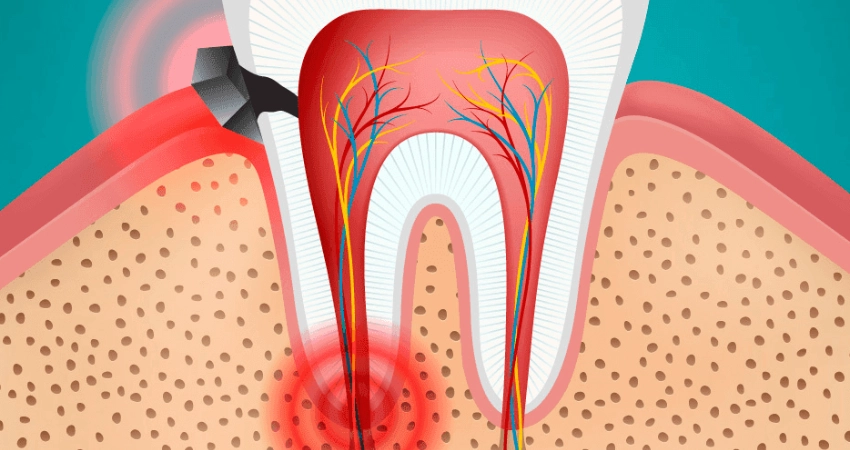
Treatment options for acute and chronic tooth pain depend on the underlying cause and the severity of the pain. They commonly include treating decay with suitable fillings, performing root canal therapy in cases of pulpitis, and providing deep cleaning (scaling and root planing) to manage chronic gum disease that causes ongoing discomfort.
In cases of dental abscess, drainage of the abscess may be required, along with antibiotics prescribed under the supervision of the dentist. Tooth extraction is usually considered a last resort if the tooth cannot be saved.
Over‑the‑counter pain relievers such as acetaminophen (paracetamol) or ibuprofen can be used for short periods to ease acute pain, but they should not be relied on long term without professional advice.
It is also recommended to address contributing factors to chronic tooth pain, such as bruxism or malocclusion, by using night guards or orthodontic treatment when indicated. In addition, maintaining daily oral hygiene and scheduling regular dental check‑ups help reduce repeated episodes of pain and improve long‑term oral health.
When Can Tooth Pain Indicate a Serious Condition?
Sometimes, acute or chronic tooth pain can be a warning sign of a serious condition that requires immediate attention from a dentist, or even an emergency physician—especially if the pain is intense, persistent, does not respond to usual painkillers, or keeps you awake at night.
Tooth pain accompanied by facial or gum swelling, difficulty opening the mouth or swallowing, or fever may indicate a dental abscess or deep infection that can spread to the jawbone or surrounding tissues.
Persistent chronic tooth pain with gum bleeding, tooth mobility, or bad breath that does not improve despite good oral hygiene may point to advanced gingivitis or periodontitis, conditions that can lead to tooth loss if not treated early.
In rare cases, unexplained pain, changes in gum appearance, or lumps and ulcers that do not heal may be early signs of tumors or more serious diseases.
Any acute tooth pain lasting more than 48 hours, pain that worsens over time, or pain associated with general symptoms such as fever, severe fatigue, or difficulty breathing warrants immediate consultation with a dentist to accurately diagnose the cause and prevent serious complications.
(Related articles: Causes of Tooth Pain While Eating and How to Treat It)
Treating Tooth Pain at Batal Specialized Dental Complex
At Batal Specialized Dental Complex, we follow precise treatment protocols for managing both acute and chronic tooth pain. We begin with a comprehensive clinical examination and dental imaging to accurately determine the cause of the pain, such as deep decay, pulp inflammation, dental abscesses, or chronic gum problems.
Based on the findings, the dentist develops an individualized treatment plan, which may include advanced cosmetic fillings, root canal treatment using modern techniques that minimize discomfort, deep gum cleaning, or the placement of crowns to protect weakened teeth. Pain relievers and antibiotics are prescribed when necessary, in accordance with international medical standards.
Our clinical team focuses on resolving chronic molar pain and nerve‑related pain at its source rather than offering only temporary relief. This is achieved by eliminating the underlying cause of inflammation and improving overall oral health. We also provide personalized preventive guidance to help you avoid recurring toothache episodes and maintain a healthy, pain‑free smile.
Patient Guide: Frequently Asked Questions About Acute and Chronic Tooth Pain
What is the difference between nerve pain and gum pain?
Nerve (pulp) pain is usually sharp and throbbing, and tends to worsen with heat, cold, or pressure. Gum pain is typically more constant and is often accompanied by swelling or bleeding around the teeth.
Does chronic tooth pain mean the tooth nerve is dead?
Not always. It may indicate chronic inflammation of the pulp or of the tissues surrounding the tooth. A professional evaluation is needed to determine the exact condition and the appropriate treatment.
When does tooth pain become an emergency?
Tooth pain is an emergency when there is severe swelling, fever, difficulty chewing, swallowing, or opening the mouth, or when the pain does not improve with painkillers. In such cases, you should see a dentist immediately.
Do painkillers treat the cause of tooth pain?

No. Painkillers only provide temporary relief of symptoms; they do not address the underlying cause. Proper diagnosis and dental treatment are necessary to resolve the problem permanently.