
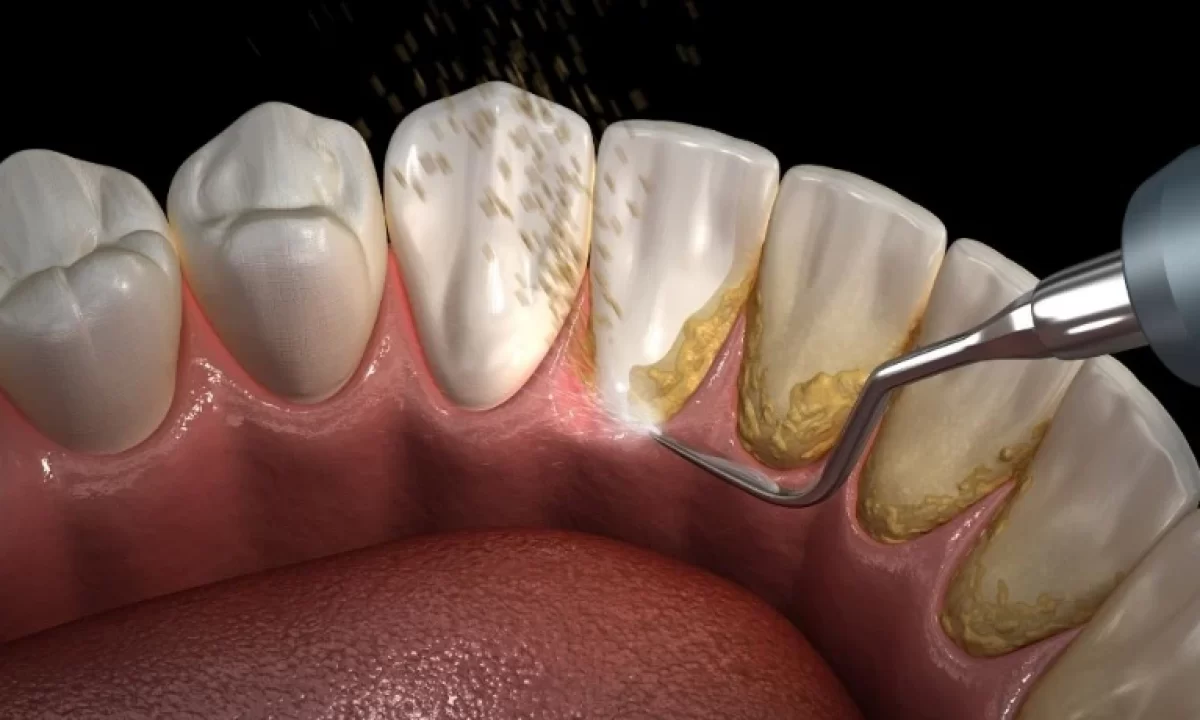

Dental scaling is a type of cleaning that is performed below the gumline. It’s one of the most common forms of deep cleaning used to protect the tooth enamel beneath the gums and the gum tissues themselves from periodontal (gum) disease. When you maintain good oral hygiene and get the right treatment, you significantly reduce your risk of tooth loss and other issues that can weaken your teeth.Read also: Specialist Dental Center | Extensive Experience and Advanced Skills
Types of Dental Scaling
All types of dental scaling aim to achieve essentially the same goal—removing plaque and tartar (calculus) below the gumline—but they differ in technique and depth. The main types of dental scaling include the following:If you’d like more in‑depth information about any dental treatment, Batal Dental Center in Saudi Arabia is fully prepared to explain further. The center is staffed by leading providers offering a wide range of dental services, so don’t hesitate to visit.Read also: How Long Do Veneers Last?
What Is the Dental Scaling Procedure?
Dental scaling is one of the most common professional dental cleaning procedures. It provides a level of oral hygiene that you simply cannot achieve at home with regular brushing and flossing.Many dentists or hygienists will take dental X‑rays before treatment. These X‑rays clearly show any deposits beneath the gumline and give an accurate picture of the teeth and supporting structures.The treatment typically involves removing layers of plaque, tartar, and other harmful deposits, and generally proceeds as follows:Because dental scaling can be quite demanding on the gums, there is a chance that oral bacteria may enter the bloodstream. To reduce this risk, your dentist may prescribe a special antimicrobial mouthwash or even medication, especially if you are medically compromised.In most cases, healing is quick and takes less than a few days. It is completely normal, however, to experience some initial bleeding, swelling, and general discomfort as typical side effects of the procedure.Read also: Dental Abscess | Everything You Need to Know
How Much Does Dental Scaling Cost?
The cost of dental scaling is usually determined by the dental hygienist or dentist based on the complexity of the case. There may be additional fees for deep scaling and overall debridement, which can increase the total cost.Total treatment expenses can also rise if the patient requires follow‑up visits. The number and frequency of these visits are decided in advance by the dentist and depend on the current condition of the patient’s teeth and gums.Read also: White Spots on Teeth | Causes, Symptoms, and Treatment
Does Dental Scaling Hurt?
The scraping sensation during scaling can be a bit uncomfortable, but thanks to local anesthesia and effective numbing of the gumline, most patients feel only minimal discomfort during the procedure itself.The part that may be slightly more uncomfortable is the healing phase. Because the procedure can be tough on the soft gum tissues—especially in patients with existing gum disease—there may be some bleeding, redness, swelling, and soreness afterward.These side effects are usually mild and resolve within a few days. For more intense pain, over‑the‑counter pain relievers can be helpful.Read also: Gingivectomy | The Procedure, Recovery Time, and Do You Really Need It?
Is Dental Scaling Necessary?
Dental scaling is an excellent option for people who have gum disease, other dental problems, or who are at high risk of developing periodontal disease.If a patient has significant tooth damage, is a smoker, or has diabetes, these factors can affect how well the treatment works. Dental scaling can also lower the risk of needing more extensive and uncomfortable procedures later on, such as root canal treatment, tooth extraction, or the placement of crowns and veneers.Read also: Everything You Need to Know About CEREC Dental Crowns
Can Dental Scaling Damage My Teeth?
No. Although it may seem like a very aggressive technique, dental scaling does not damage healthy tooth structure. The belief that scaling harms the teeth is a persistent myth with no real scientific basis.The mild discomfort associated with scaling is minimal compared to the pain and complications caused by untreated gum and dental problems, which are far more difficult and expensive to treat.As long as the patient is generally healthy and has no serious underlying medical conditions, any side effects of scaling are usually mild and unlikely to cause problems.Read also: Why Are My Gums Dark? Causes of Gum Discoloration
Dental Scaling Explained

Dental scaling is a specialized cleaning procedure that uses specific instruments to remove plaque and tartar deposits from beneath the gumline. Root planing is often performed at the same time; it smooths the root surfaces, which helps the gums heal and reattach more effectively.Scaling and root planing can improve and help prevent a wide range of gum and dental problems. While scaling may be suitable for many patients, in some cases other treatments may be a better option. To determine the best treatment plan and provide specialized care—even for anxious or medically complex patients—you should visit the dental center at Batal Specialty Complex.Read also: How Long Does Orthodontic Treatment Take?The dental clinic at Batal Specialty Complex is equipped with advanced tools and technology to help anyone suffering from tooth pain get relief in the hands of highly skilled dentists. Don’t wait—book an appointment at the dental clinic at Batal Specialty Complex as soon as possible.Read also: Enamel Erosion | Causes, Diagnosis, and Treatment