
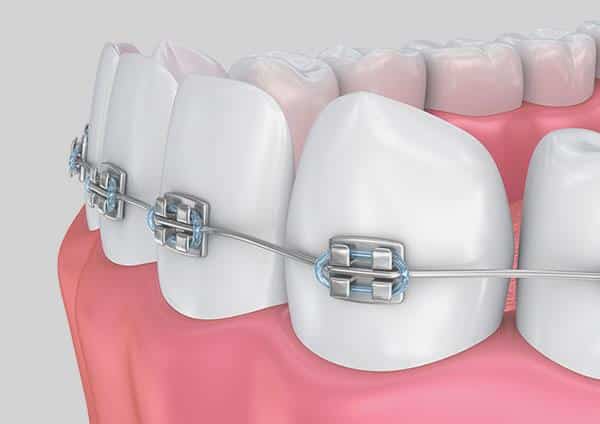

When asking, “When do teeth start moving after braces?”, it’s important to mention the many factors that influence this movement so they can be avoided or controlled as much as possible. Orthodontic treatment (braces) is one of the most effective ways to correct a wide range of dental and jaw problems. People who ask this question are usually eager to achieve the best possible results in the shortest time after getting braces.In this article, we’ll explain: **When do teeth start moving after braces?**Generally, teeth begin to move **immediately** after braces are placed, but the movement is gradual. The time it takes for teeth to shift varies from one patient to another and depends on the type of braces being used. In most cases, teeth need several months to move enough to start seeing noticeable changes and eventually reach the desired final result.Read also: Fixing Dental Problems with Crowns and Bridges
Causes of Tooth Movement After Braces
After answering “When do teeth start moving after braces?”, we should also talk about the **reasons teeth move after orthodontic treatment**, which include the following:(Here you would list the specific causes if they were provided in the original text.)
How Long Does It Take for Teeth to Start Moving After Braces?
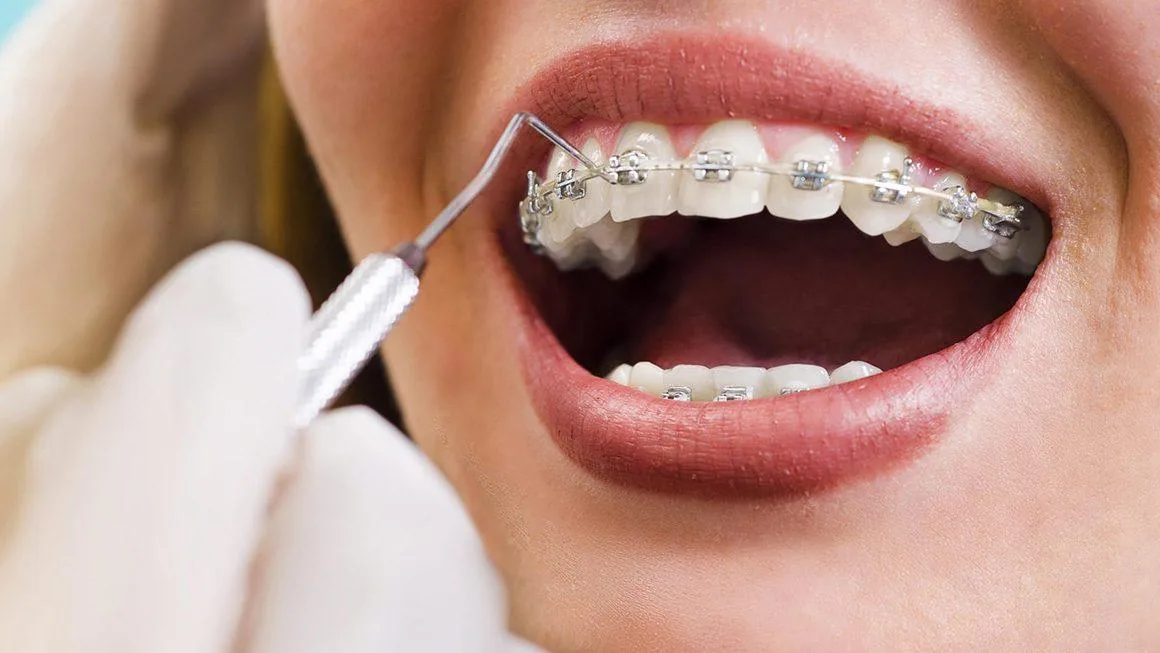
Teeth usually start to move right after braces are applied. However, this movement is typically **noticeable after about 3–6 months** from the start of treatment.The overall time needed for the teeth to move into their ideal positions and achieve the desired results is usually **about 18–24 months**. Several key factors affect this time frame, such as:– The patient’s age – The condition of the teeth and bite – The type of braces used – How closely the patient follows the orthodontist’s instructions
Factors That Affect When Teeth Start Moving After Braces
There are several factors that influence how quickly and when teeth begin to move after braces:
Type of Braces
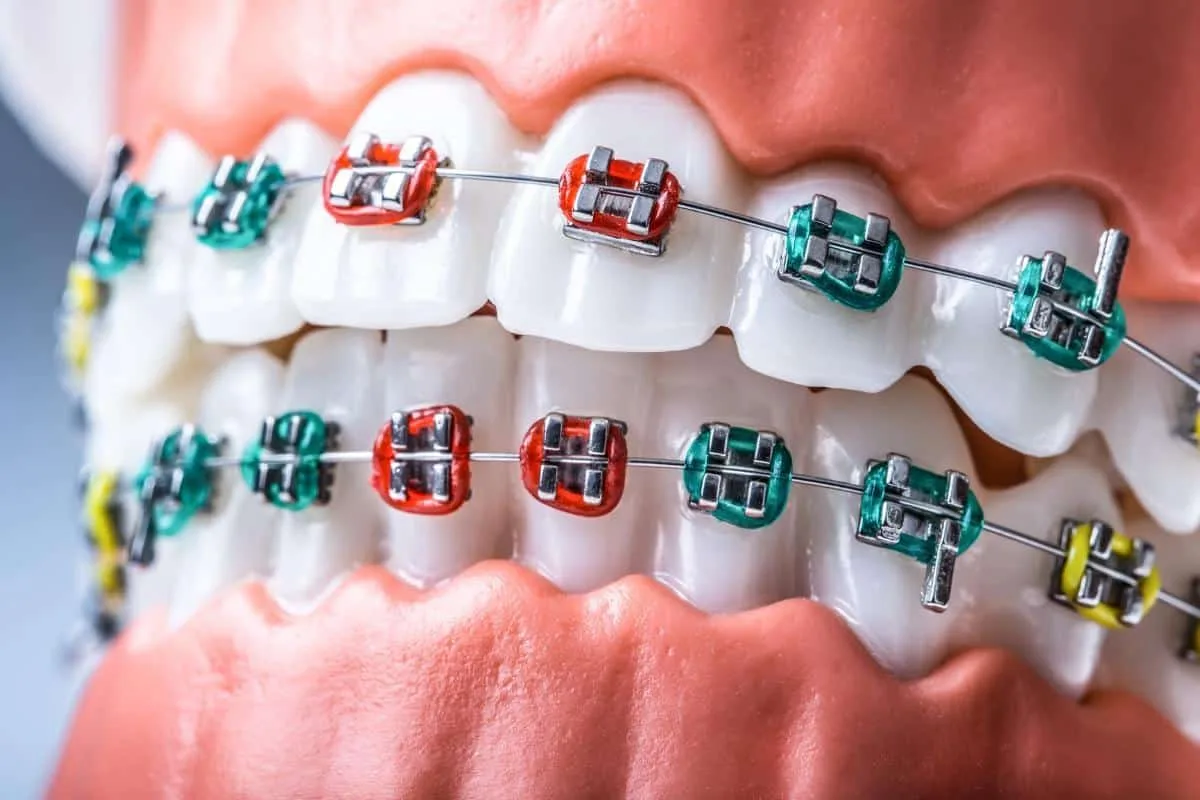
The time required for teeth to move varies based on the type of orthodontic appliance. In many cases, **traditional metal braces** move teeth faster than other options.For example:– **Ceramic braces** usually move teeth more slowly than metal braces. – **Clear aligners** (such as Invisalign and similar systems) can also be somewhat slower, especially in more complex cases, depending on patient compliance.
Patient’s Age
Age plays a major role in how teeth respond to orthodontic forces:– **Children and teenagers** generally experience tooth movement faster because their bones are still growing and more adaptable. – **Adults** often need more time for teeth to move, as the jawbone is denser and less flexible.
Condition of the Teeth
The **complexity of the case** is another important factor:– **Mild cases** (small gaps, slight crowding) usually require less time. – **Moderate to severe cases** (significant crowding, jaw misalignment, rotated teeth) typically take longer to correct.
Patient Compliance
Following the orthodontist’s instructions is critical:– Wearing the appliance as directed (including elastics, removable aligners, or other auxiliary devices) helps teeth move **faster and more predictably**. – Poor compliance, missing appointments, or not wearing appliances as prescribed can **delay tooth movement** and extend treatment time.Read also: Braces vs. Dental Archwires
Signs That Teeth Are Moving After Braces
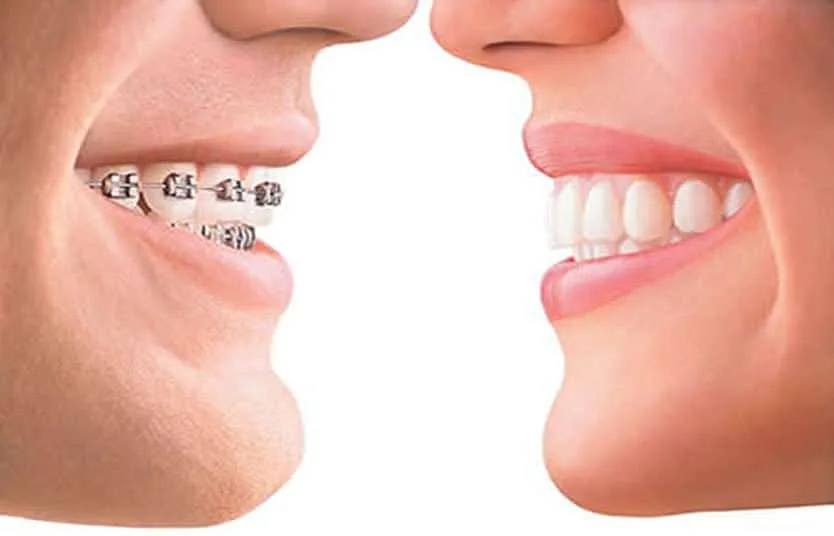
There are several signs that indicate your teeth are actually moving after braces, including:– A slight feeling of **tightness or pressure** after adjustments – **Mild soreness or sensitivity** when biting or chewing, especially in the first few days after each visit – Noticing small **changes in tooth alignment**, such as reduced gaps or less crowding over time – Feeling that your **bite is changing**, or your upper and lower teeth meet differently than before(Additional signs can be listed here if present in the original content.)
Treatment of Tooth Movement After Braces
Once active orthodontic treatment is completed and braces are removed, the main goal is to **keep the teeth in their new positions** and prevent them from shifting back.This is usually done by:– Using **new orthodontic wires or retainers** to hold the teeth in place after treatment – Choosing the **type of retainer** (fixed/bonded or removable) based on the case and the degree of movement that occurred – In some situations, if there is **unwanted or excessive tooth movement** or relapse, the orthodontist may recommend **placing braces again** on certain teeth or repeating part of the treatment to restore the desired alignment
Tips for Patients While Teeth Are Moving After Braces
Here are some important tips for patients during the phase when teeth are actively moving:– **Follow your orthodontist’s instructions** precisely regarding wearing elastics, aligners, or any additional appliances. – Maintain excellent **oral hygiene**: brush at least twice a day and floss carefully around braces. – Avoid **hard, sticky, or chewy foods** that can damage brackets and wires and delay treatment. – Keep all **scheduled follow-up appointments** so that your orthodontist can adjust the appliance and monitor tooth movement. – Use any prescribed **pain relievers** or orthodontic wax if you experience irritation or discomfort, according to the dentist’s directions.By the end of this article, you now know the answer to the question: **When do teeth start moving after braces?** We’ve also reviewed key information related to the timing and factors that affect tooth movement. You can contact us at the Dental Center in Batal Specialized Complex to begin treating your various dental issues using the most suitable and advanced orthodontic options for your case.
Frequently Asked Questions About When Teeth Start Moving After Braces
How can I tell that my teeth are moving with braces?
You can tell that your teeth are moving by:– Feeling mild **pressure or tightness** on the teeth, especially after adjustments – Experiencing slight **discomfort when chewing** that improves after a few days – Noticing **gradual changes in alignment**, such as teeth looking straighter or spaces closing over time – Feeling that your **bite is different**, and the way your upper and lower teeth come together is changing
Can teeth move in the wrong direction or relapse after braces?
Yes, this can happen if:– You **do not follow** your orthodontist’s instructions carefully – You **don’t wear your retainer** as directed after braces are removed – You neglect **oral health**, or eat foods that damage your orthodontic appliancesIn such cases, teeth can shift from their ideal positions and may partially relapse.
Is it normal for teeth to feel loose during braces treatment?
Yes, it is **completely normal** to feel that your teeth are slightly loose while wearing braces. This is a sign that the orthodontic forces are working:– Braces gently move teeth through the bone – The periodontal ligament and bone around the teeth are being remodeled to allow the teeth to shift into new positionsThis feeling usually decreases as the teeth stabilize in their new positions.
How long does it usually take to get final results from braces?
The exact duration depends on several factors, including:– Type of braces – Patient’s age – Complexity of the case – Level of patient cooperationHowever, in many cases, full orthodontic treatment typically takes about **18–24 months** to achieve stable, long-term results.
Related Articles on Orthodontics

(Here you can list related articles about braces and orthodontic treatment if available, such as:)– Types of Braces and Which Is Best for You – Clear Aligners vs. Traditional Braces – How to Care for Your Teeth During Orthodontic Treatment