

Having a wisdom tooth removed is a fairly common procedure, and if you’ve been told you need to take one out, it’s normal to feel a bit anxious. There’s really no need to worry. Our gentle team of dentists at Al Batal Specialized Complex in Jeddah make wisdom tooth removal as easy and stress‑free as possible. Removing the wisdom tooth will also put an end to the pain and discomfort you may have been experiencing.
What Is a Wisdom Tooth?
A wisdom tooth, also known as the third molar, is the last back tooth in each of the four quadrants of the mouth. Third molars are the final teeth to emerge through the gum line. They can function just like any other tooth if they erupt in the correct position and are surrounded by healthy gum tissue. However, for many people, there simply isn’t enough space for wisdom teeth to grow in properly.
Wisdom teeth usually appear between the ages of 17 and 21. The ideal age to remove them is typically between 18 and 24, when about two‑thirds of the roots have formed. That said, they can still be removed later in adulthood.
When Should a Wisdom Tooth Be Removed?
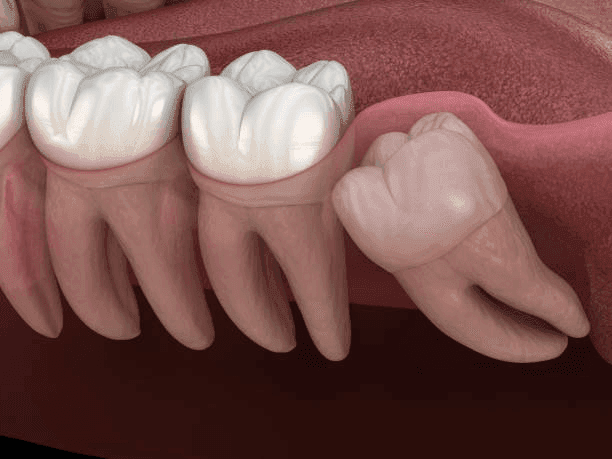
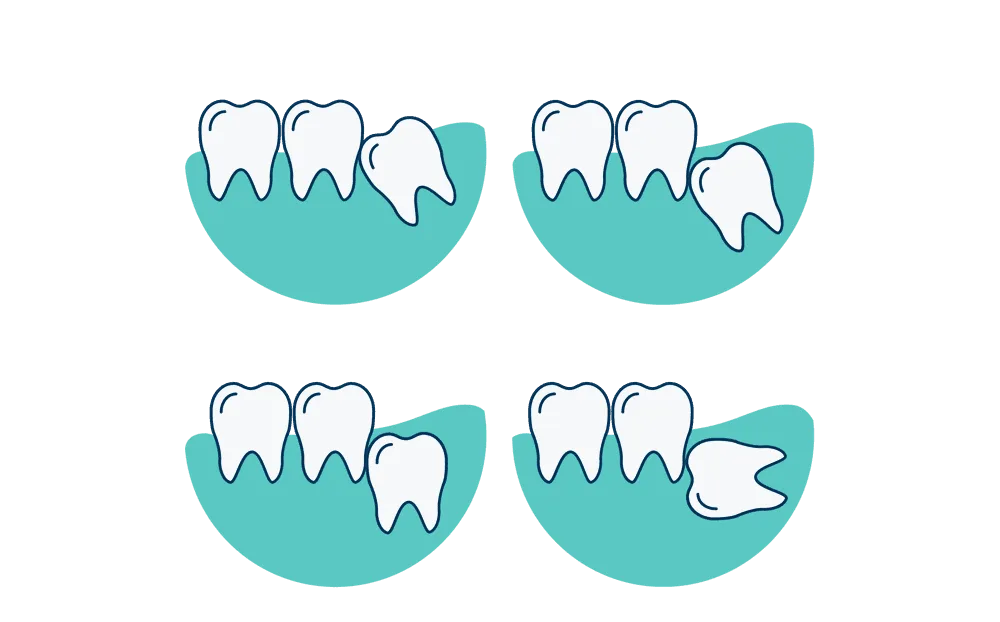
Wisdom teeth can erupt in different positions, and no two people have exactly the same tooth development. While some wisdom teeth come in normally, most of them erupt at an angle—either horizontally or tilted toward the second molars. This can put pressure on nearby nerves, the jawbone, or other teeth.
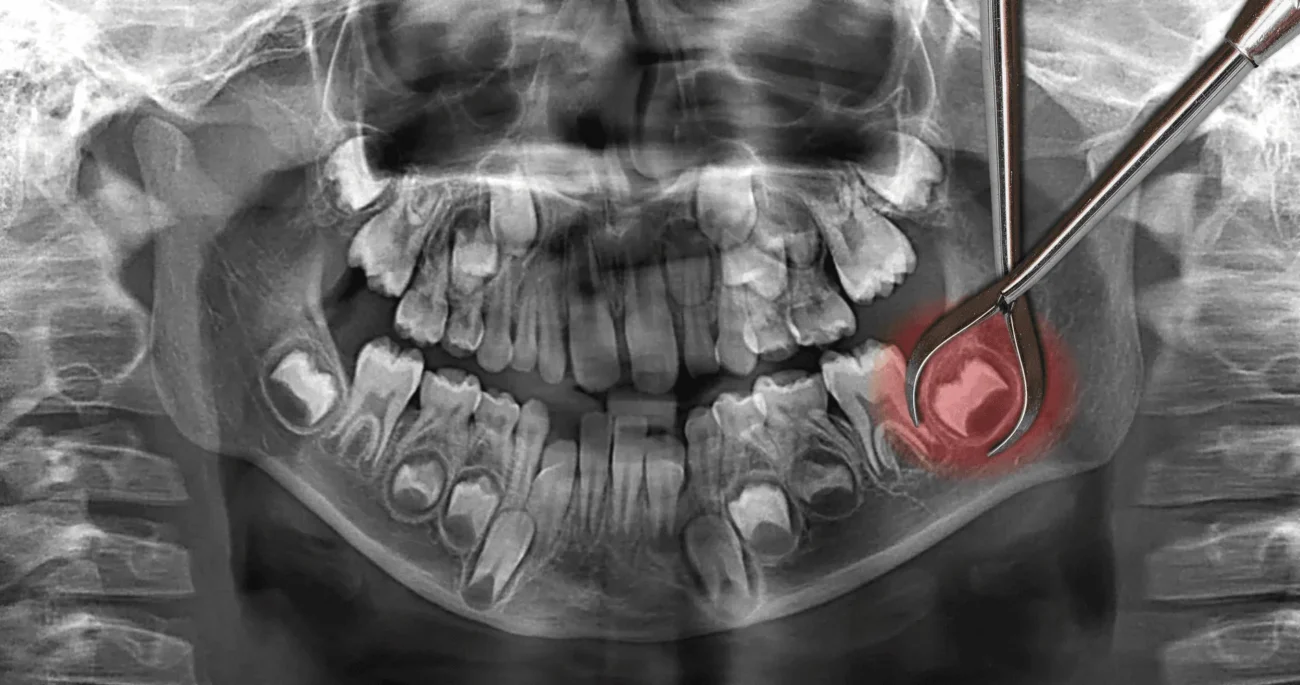
Some wisdom teeth become trapped in the jawbone and are only partially visible in the mouth; these are called impacted wisdom teeth. This situation can allow bacteria to enter around the tooth, leading to infections, toothache, swelling, and other oral diseases. Impacted wisdom teeth can also cause cysts or tumors that may damage the jawbone and surrounding teeth.
Even fully erupted wisdom teeth are more prone to tooth decay and gum disease because they sit at the very back of the mouth where proper cleaning is more difficult. For these reasons, early removal of wisdom teeth is often recommended to prevent future problems. Taking them out at an earlier stage usually reduces surgical risks and helps avoid negative effects on neighboring teeth—this is especially important for patients undergoing orthodontic treatment, such as braces.
Reasons for Removing a Wisdom Tooth
There are many reasons why someone might choose to have a wisdom tooth removed. The procedure is particularly beneficial for people who are already having problems due to these teeth. An impacted wisdom tooth can cause a range of issues, such as general pain, damage to adjacent teeth, gum disease, tooth decay, or—in more severe cases—infections that spread to the face and neck. You may also need to have your wisdom teeth removed if you are:
When Is Wisdom Tooth Removal Not Recommended?
Although wisdom tooth extraction is common, there are situations where it may not be advised. The decision to remove or keep a wisdom tooth depends on several factors, including the individual’s oral health, the exact position of the tooth, and the likelihood of complications. Below are some situations in which removing a wisdom tooth may not be recommended:
Types of Wisdom Tooth Surgery
There are two main types of wisdom tooth surgery: simple extraction and complex (surgical) extraction.

Simple Wisdom Tooth Extraction
A simple extraction is performed when the wisdom tooth has fully erupted and is clearly visible in the mouth. This procedure is relatively straightforward and is often done in a general dental clinic or an oral surgery office.
The dentist or oral surgeon will inject a local anesthetic to numb the area around the tooth. They will then use dental instruments to gently loosen the tooth and remove it from its socket.
Sutures (stitches) may or may not be necessary, depending on the case. Simple extractions usually take less time and are associated with a quicker recovery compared with complex extractions.
Complex Wisdom Tooth Extraction
A complex (surgical) extraction is needed when the wisdom tooth is impacted—meaning it has not fully erupted into the mouth or is growing at an angle that prevents it from coming through the gum line properly.
This type of extraction often requires a more involved surgical procedure, typically performed by an oral and maxillofacial surgeon in a surgical setting. The patient may receive local anesthesia with or without sedation, depending on how complex the case is and the patient’s comfort level.
The surgeon may need to make an incision in the gum tissue to access the impacted tooth. In some cases, a small amount of bone around the tooth must be removed. Sometimes the tooth is sectioned into smaller pieces to make removal easier. Stitches are usually placed to close the incision.
Complex extractions generally involve a longer recovery period and may cause more post‑operative discomfort than simple extractions.
Step‑by‑Step Wisdom Tooth Extraction Procedure
Before Surgery
During Surgery
After Surgery

Post‑Extraction Instructions for Wisdom Teeth
Follow Your Doctor’s Instructions Carefully
Your surgeon will give you post‑operative instructions tailored to your case. Following these directions will help you control bleeding, swelling, and pain after the procedure.
You will also be prescribed medications to keep you comfortable and lower the risk of infection. Do not stop taking these medications unless your surgeon tells you it is safe to do so.
Get Plenty of Rest
You should plan to stay home and rest for at least three to five days. If your job involves physical labor or strenuous activity, you may need to wait even longer before returning to work.
Eat Soft, Cool Foods
Stick to liquid, soft, and cool foods for the first few days. Examples include soup, mashed potatoes, yogurt, milkshakes, and smoothies.
Chew on the opposite side of your mouth. It is essential not to disturb the extraction site so that the gum tissue can heal properly.
Drink Plenty of Fluids
Make sure you drink enough fluids, especially water—but avoid using a straw, as the suction can dislodge the blood clot.
Maintain Good Oral Hygiene
Brush and floss your remaining teeth every day. Although you should avoid brushing directly over the extraction sites at first, it is still important to keep the rest of your mouth clean during the healing period to reduce the risk of infection.
Avoid Smoking and Alcohol
Avoiding smoking and drinking alcohol helps protect the blood clot that forms over the extraction area. If the clot becomes dislodged, you may experience increased bleeding and more intense pain (a condition known as dry socket).
Symptoms and Side Effects After Wisdom Tooth Extraction
Tips for a Faster Recovery After Wisdom Tooth Removal
Every patient is different, and no two people heal in exactly the same way after wisdom tooth extraction. Some may be able to return to school or work within a few days, while others may remain swollen and sore for weeks. The following general measures can help promote faster recovery after having a wisdom tooth removed:
The Importance of Seeing a Doctor for Wisdom Tooth Removal
It is important to see a dentist or oral and maxillofacial surgeon for wisdom tooth removal for several reasons:
Frequently Asked Questions About Wisdom Tooth Extraction
The recovery time after wisdom tooth extraction can vary depending on how complex the procedure was and individual healing factors. In general, initial healing of the extraction site takes about 7–10 days, but complete healing can take several weeks.
After having a wisdom tooth removed, you may experience some swelling, pain, and discomfort. Mild bleeding and difficulty opening your mouth fully are also common. As time goes on, the extraction site will heal, and any discomfort should gradually subside.
After wisdom tooth extraction, it is crucial to follow the post‑operative instructions provided by your dentist or surgeon. These may include maintaining good oral hygiene, avoiding strenuous activity, starting with a soft diet, taking prescribed medications as directed, and attending follow‑up appointments.
Possible side effects after wisdom tooth removal include swelling, pain, discomfort, bruising, limited mouth opening (trismus), and minor bleeding. These side effects should steadily improve as the healing process progresses.
You can usually begin eating after the numbness from the local anesthetic wears off. It is generally recommended to start with a soft or liquid diet for the first few days and then gradually introduce solid foods as you feel comfortable.
The timing for resuming normal eating after wisdom tooth extraction varies between individuals and also depends on the specific instructions given by your dentist. In general, you should wait until the numbness has completely worn off and the bleeding is under control before attempting to eat.
The difficulty of removing upper versus lower wisdom teeth depends on individual factors such as their position, angle, and proximity to nearby structures (like the maxillary sinus in the upper jaw or the inferior alveolar nerve in the lower jaw). A dental specialist will need to evaluate your case to determine the safest and most appropriate extraction method.
In most cases, removing a wisdom tooth does not change your facial appearance. However, if impacted wisdom teeth were causing significant swelling or facial asymmetry, there may be temporary changes in facial appearance during the healing period.
The gauze or cotton placed over the extraction site to help control bleeding is usually removed after a few hours, once the bleeding has slowed or stopped. However, the exact timing may vary depending on your case and the specific instructions provided by your dentist or surgeon.