

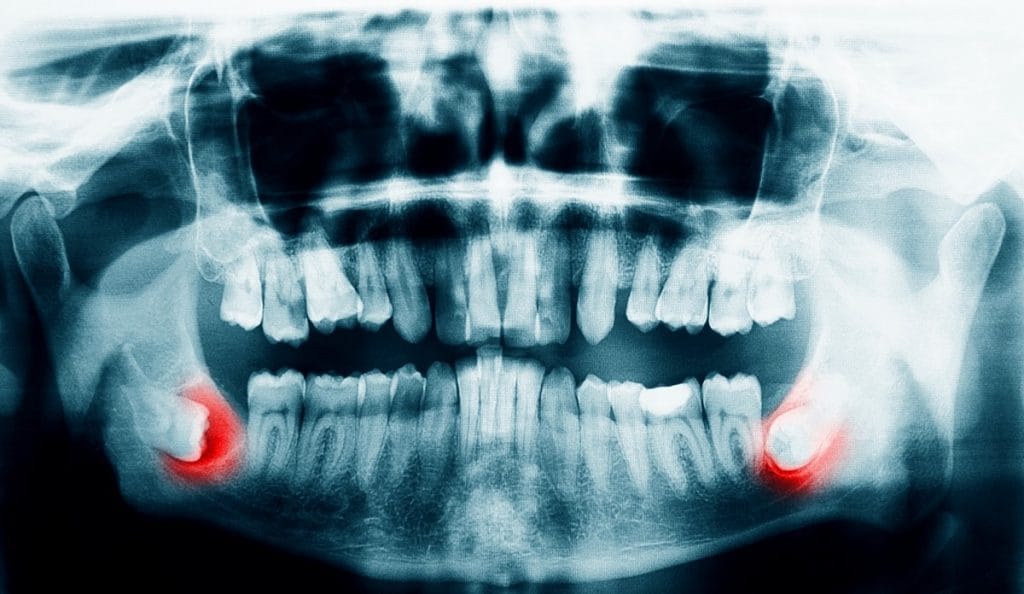

Tooth extraction is a common dental procedure performed by dentists to protect the remaining teeth and maintain oral health. When done properly, it is a safe and quick treatment.In this article, we’ll explain in detail the difference between simple extraction and surgical tooth extraction. For a safe and effective procedure, you should visit Batal Dental Center in Saudi Arabia.See also: How to Care for Your Teeth After Teeth Whitening
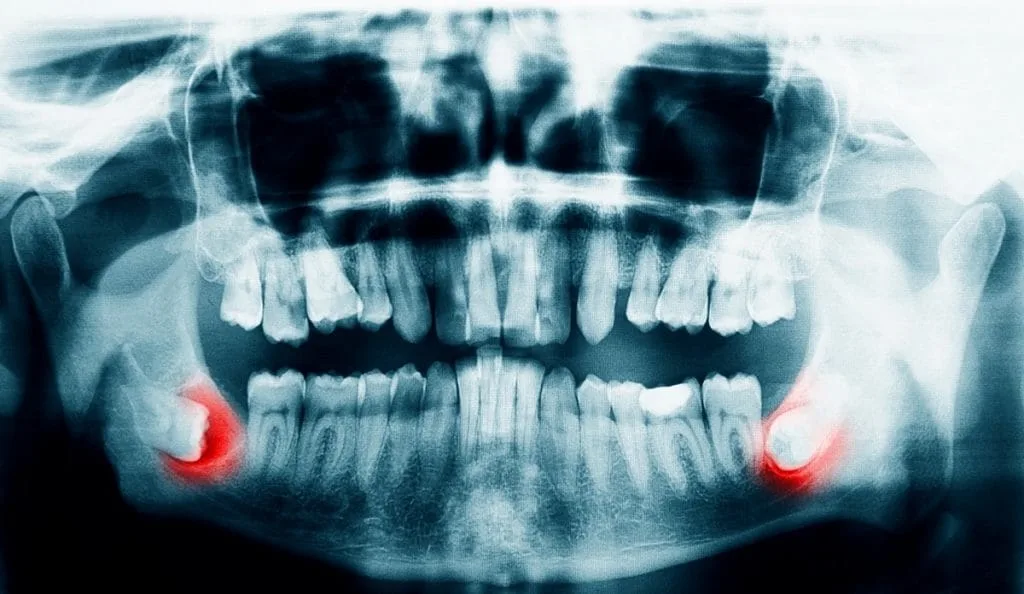
What Is Tooth Extraction?
Although preserving your natural teeth is always the top priority, there are situations where removing a tooth becomes necessary. Trauma, oral diseases, and infections are some of the reasons why extraction may be required, and the most common reason is removing wisdom teeth.Tooth extraction is the removal of one or more teeth from their sockets. Your dentist will determine which type of extraction you need. The main difference between simple extraction and surgical extraction is that a simple extraction is used for teeth that are visible and easy to access, while a surgical extraction involves making an incision to reach the tooth that needs to be removed.In some cases, your dentist may recommend that extraction is not yet necessary. However, delaying treatment can lead to further complications in the future, such as gum disease, bite problems, jaw issues, and teeth shifting.See also: Causes of Teeth Grinding and Common Risk Factors
The Difference Between Simple Extraction and Surgical Tooth Extraction
There are two main types of tooth extraction, and both are designed to reduce the risk of complications such as infection, pain, and inflammation. Your dentist will carefully review your medical history and dental records to create the best treatment plan. Regardless of the reason, your dentist will decide which method is most suitable for removing the affected tooth.See also: What Happens If I Don’t Wear My Invisalign for One Day?
Simple Extraction
A simple extraction is a relatively straightforward procedure that can be performed by a general dentist in the clinic, with minimal recovery time. This type of extraction is done for teeth that are fully visible in the mouth and not trapped under the gums. Dentists usually use local anesthesia to numb the area and prevent pain during the procedure.Broken teeth that cannot be grasped with forceps, teeth that are structurally weak, and some badly damaged teeth often require a surgical approach instead. The shape, size, and position of the tooth all play a role in deciding whether a simple or surgical extraction is needed. Simple extractions rarely lead to major complications, and most patients recover within about ten days.See also: When to Get Braces and How Long Do They Take?
Surgical Tooth Extraction
Surgical extraction is used for teeth that cannot be easily accessed. During this procedure, the dentist or oral surgeon makes an incision in the gum tissue around the tooth to gain access and remove it. The soft tissue may need to be gently lifted, and a dental drill may be used to remove a small amount of the surrounding jawbone.In many cases, the tooth must be sectioned into smaller pieces to remove it safely. Because this is a more complex procedure, it is often performed under general anesthesia or deeper sedation. Surgical extraction requires careful aftercare in the days following the procedure, so you should consult your dentist about how to properly care for your mouth afterward.See also: All Gum Diseases – Prevention and Treatment
When Is a Tooth Considered a Surgical Extraction Case?
A dental specialist will determine which type of extraction you need. They will take the necessary steps, such as dental X‑rays and a thorough examination of your teeth and mouth, to make the right decision.Although some teeth that appear suitable for a simple extraction may still require a surgical approach, several factors are considered when deciding whether a patient qualifies for surgical extraction, including:– The tooth is impacted (partially or completely trapped in the bone or gum), as is common with wisdom teeth – The tooth is broken at or below the gum line – The roots are curved, long, or unusually shaped – The tooth is ankylosed (fused to the bone) – There is dense surrounding bone or limited access to the area – There are existing restorations (like crowns or bridges) attached to the tooth – The patient’s medical condition requires a more controlled surgical settingIn general, a simple tooth extraction is recommended whenever possible because it is easier to perform and is associated with fewer side effects than surgical extraction.See also: Open Bite Correction – Do You Really Need It?
How Long Does a Surgical Extraction Take?

The duration of a surgical tooth extraction can vary. A straightforward case may take about 20–40 minutes. However, if multiple teeth need to be removed, you should expect to spend more time at the dental clinic. Several factors influence how long the procedure will take, including:– The number of teeth being extracted – The position and depth of the tooth in the jaw – The complexity of the roots and surrounding bone – The presence of infection or inflammation – The patient’s general health and response to anesthesiaFor proper oral care and the best possible results, you should visit Batal Dental Center in Saudi Arabia regularly.See also: Do Dental Implants Cause Problems? 5 Common Complications You Can Avoid with Batal Dental CenterThe dental clinic at Batal Specialized Complex is equipped with advanced tools and modern technology to help anyone suffering from tooth pain get relief in the hands of highly skilled dentists. Book your appointment at the dental clinic of Batal Specialized Complex as soon as possible.See also: Enamel Erosion – Causes, Diagnosis, and Treatment