
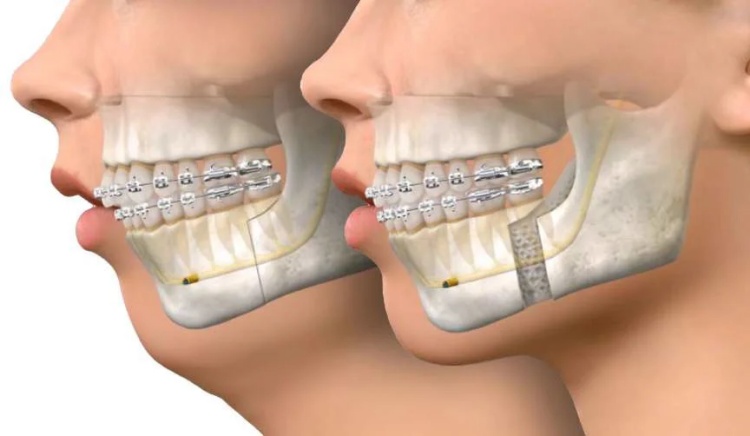
Results of jaw and dental surgery in Jeddah: What to expect before and after the operation?

What results can be achieved with orthognathic (jaw) and dental surgery?
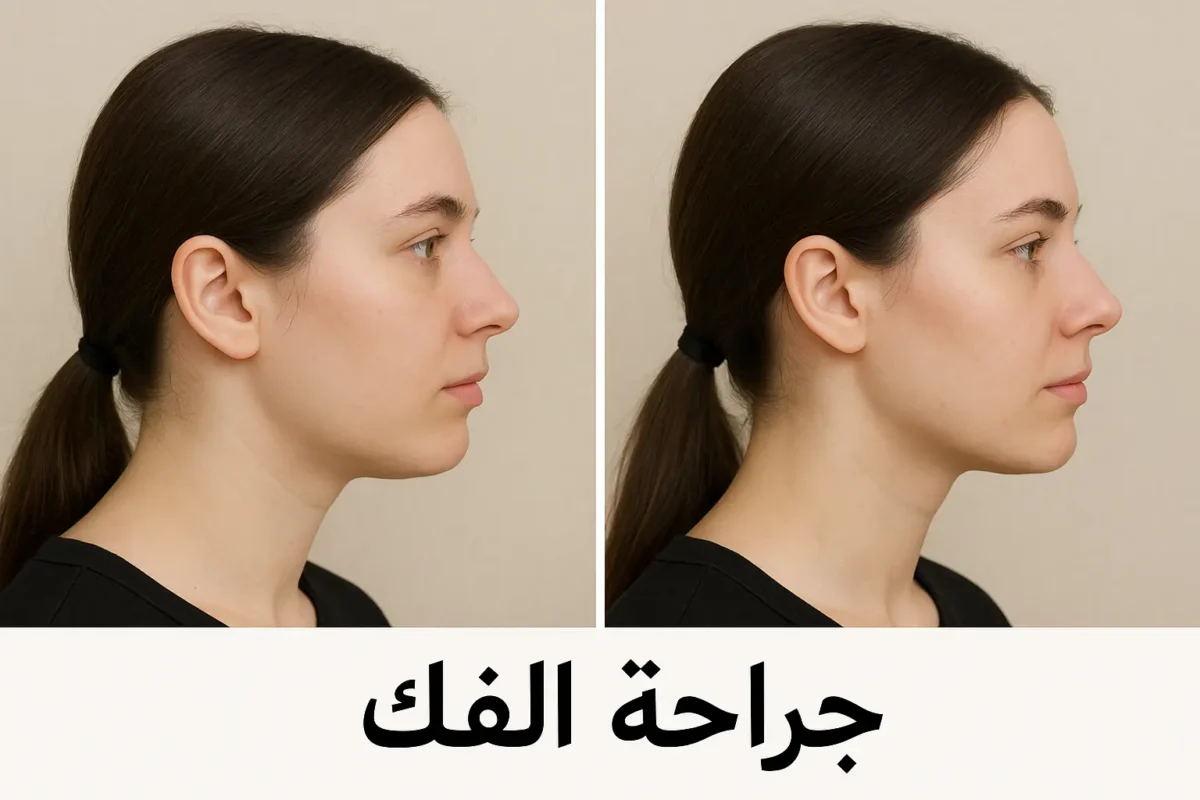
Orthognathic and dental surgery in Jeddah can deliver both functional and cosmetic benefits. Functionally, it helps improve the way the upper and lower teeth come together (occlusion) and corrects jaw alignment, which in turn enhances chewing efficiency, speech clarity, and even breathing.
This type of surgery can also reduce temporomandibular joint (TMJ) pain and chronic headaches related to malocclusion, and helps limit long-term tooth wear.
From an aesthetic standpoint, jaw surgery restores facial harmony and improves the balance of the smile, giving the patient a more confident and natural appearance.
In many cases, it can also alleviate sleep-related breathing disorders associated with jaw retrusion, leading to better sleep quality and overall health.
The final outcome of orthognathic and dental surgery depends on a carefully designed treatment plan involving close coordination between the oral and maxillofacial surgeon and the orthodontist, as well as the patient’s adherence to instructions and regular follow-up, to ensure the best and most stable long-term results.
What to Expect Before Orthognathic (Jaw) and Dental Surgery
Examination and Assessment (Imaging & Diagnosis)
Before undergoing orthognathic and dental surgery in Jeddah, you can expect a comprehensive evaluation that includes a thorough clinical examination by an oral and maxillofacial surgeon, along with panoramic X‑rays and, in some cases, 3D cone‑beam CT (CBCT) scans. These images provide a detailed view of the jawbones, teeth, and surrounding nerves.
This stage enables the surgeon to accurately diagnose malocclusion, jaw protrusion or retrusion, and the exact position of tooth roots, which is essential for determining the complexity and extent of the planned jaw and dental surgery.
The more precise the examination and diagnosis, the higher the likelihood of a successful outcome and the lower the risk of complications following orthognathic and dental surgery.
Developing a Clear Treatment Plan
Once imaging and clinical assessment are complete, the next step before orthognathic and dental surgery is to establish a clear and detailed treatment plan.
The surgeon will explain the surgical steps, the number of stages involved, whether you will need orthodontic treatment before or after surgery, and the overall anticipated duration of the treatment course.
A well‑structured treatment plan at a specialized jaw and dental surgery center or clinic in Jeddah helps you understand what will happen at each visit, outlines the medications you are likely to need, and clarifies how long you may need to stay in the clinic or hospital. This reduces anxiety and helps you feel more confident and prepared before entering the operating room.
Explaining the Expected Outcomes
An essential part of the preoperative process is having your surgeon clearly and realistically explain the expected results of your orthognathic and dental surgery.
You will be informed about the anticipated changes in your facial profile and smile, improvements in your bite and chewing function, and how the surgery may impact your speech and breathing.
The surgeon will also discuss the possibility of temporary swelling or pain after surgery, the expected recovery timeline, and the approximate success rate of this type of procedure based on your specific case.
This level of detailed counseling helps you form a realistic picture of the outcome of jaw and dental surgery in Jeddah and ensures that your expectations are aligned with what can be achieved medically.
Preparing for Surgery
Before jaw and dental surgery in Jeddah, your surgeon will provide you with specific preoperative instructions designed to minimize complications and promote a smoother recovery.
You may be asked to undergo basic blood tests and to inform your doctor about any medications you are taking or any chronic conditions such as diabetes or hypertension.
You might also be advised to stop certain blood‑thinning medications, to avoid eating and drinking for a set period before surgery, and to follow a soft or liquid diet during the initial days after the procedure.
Adhering to these preoperative instructions helps the surgery proceed safely and smoothly, and allows the medical team to deliver effective, tailored care that suits your condition.
Stages of Recovery After Jaw (Orthognathic) Surgery – for Search-Optimized Medical Content
During the first three days after orthognathic (jaw) surgery in Jeddah, swelling and pain are usually at their peak, especially around the cheeks, mouth, and either the upper or lower jaw depending on the type of procedure.
The maxillofacial surgeon typically prescribes strong analgesics and antibiotics to control inflammation and prevent infection, in addition to applying cold compresses to the face to help reduce swelling.
At this early stage of recovery after jaw surgery, strict rest is recommended, along with a liquid or soft diet, and avoiding excessive jaw movement or prolonged talking.
Patients may experience difficulty chewing and opening their mouth, as well as slight bleeding or discharge from the surgical site, which is considered normal as long as it does not increase significantly.
Closely following the postoperative instructions provided by the treating surgeon in Jeddah during the first few days is crucial to ensure safe, rapid healing and to minimize complications.
First week: Gradual improvement
At the start of the first week after jaw surgery, swelling gradually begins to subside, and pain becomes less intense with continued use of the prescribed medications.
The ability to open the mouth and speak improves; however, it remains essential to stick to a soft or semi-liquid diet to protect the jawbones and any fixation plates or screws.
At this stage of recovery after jaw surgery, the patient usually returns to their surgeon in Jeddah for wound assessment, removal of any sutures if present, and to ensure good oral hygiene and absence of infection.
Maintaining oral hygiene using an antiseptic mouthwash and a soft toothbrush around the surgical areas helps accelerate healing and reduce the expected postoperative bad breath.
Patients are advised to avoid strenuous physical activity and sudden bending, while they may gradually resume light daily activities at home.
After 2–4 weeks: Partial return to normal life
Two to four weeks after jaw surgery, most patients can gradually return to a significant portion of their daily routines, such as studying or office-based work, while still observing the necessary precautions.
Swelling is usually much reduced by this time, although a slight residual puffiness or numbness in the lips or chin may persist, which is considered a normal part of the healing process after jaw surgery.
The diet can be cautiously expanded from liquids and very soft foods to a wider range of soft foods that do not require forceful chewing, while still avoiding hard or crunchy items that may put pressure on the jaws.
During this period, the patient continues follow-up visits with the maxillofacial surgeon in Jeddah to monitor bone healing, and may be given simple jaw exercises to improve joint mobility and restore chewing function.
Adopting a healthy lifestyle, maintaining good hydration, and refraining from smoking all contribute to faster recovery and better long-term surgical outcomes.
After 3 months: Results begin to stabilize
Around three months after jaw surgery, facial contours and jaw position start to stabilize noticeably, and most of the early recovery phases have usually been completed.
Chewing, speaking, and smiling generally improve, while sensations of numbness or tingling gradually diminish as the nerves around the surgical area continue to recover.
At this stage of recovery after jaw surgery, the treating physician in Jeddah evaluates the alignment of the teeth and jaws, and the planned orthodontic treatment is often continued or adjusted to refine the final occlusion.
Most patients can return to moderate physical activity and the majority of daily life activities, while still needing to avoid any direct trauma to the facial and jaw area.
This phase is key for reinforcing healthy habits such as meticulous oral care and regular follow‑ups with both the orthodontist and the maxillofacial surgeon to ensure stable, long-lasting results.
After 6–12 months: Final outcome
Between 6 and 12 months after jaw surgery, patients typically reach the final outcome in terms of facial appearance, jaw position, and improvement in chewing, speech, and breathing function.
By this time, the jawbones are usually almost fully consolidated, and the occlusion between the upper and lower teeth is stable, allowing the patient to enjoy a harmonious smile and a noticeably improved facial profile from both the front and the side.
This phase of recovery after jaw surgery is critical for assessing the overall success of the procedure in jaw and dental surgery clinics in Jeddah, and final radiographic images are often taken to evaluate bone healing.
In most cases, patients can return to a full, unrestricted diet, including solid foods, unless their surgeon has provided specific individualized restrictions.
Ongoing periodic check‑ups, maintaining excellent dental and periodontal care, and wearing orthodontic retainers when indicated all help preserve the results of orthognathic surgery over the long term.
Results Before and After Orthognathic (Jaw) Surgery – What Really Changes?
Facial Profile (Better Balance)
Before orthognathic (jaw) surgery, the face can look unbalanced—for example, with a prominent upper or lower jaw, a receding chin, or asymmetry between the right and left sides.
After jaw surgery in Jeddah, the maxillofacial surgeon repositions the upper (maxilla) and lower jaw (mandible) into a more ideal alignment. This improves overall facial harmony and gives the patient a more balanced and attractive profile, both from the front and the side.
These changes in facial proportions after orthognathic surgery are not only cosmetic; they also help correct functional problems related to chewing, speech, and breathing. That’s why the “before and after” of jaw surgery represents a comprehensive change in both appearance and function.
Smile
Before jaw surgery, the smile may be “gummy” (excessive gingival display), or the front teeth may look too prominent or too hidden, which can affect the patient’s self-confidence.
After surgery, the position of the jaws and the supporting bone around the teeth is altered, which directly changes the appearance of the smile. The teeth tend to appear more aligned and in better proportion with the lips and gums.
The difference in the smile before and after jaw surgery in Jeddah is often very clear in photographs: a more natural smile, reduced gum or tooth prominence, and better harmony of the lips with the rest of the facial features. This gives the patient a more comfortable and attractive smile in everyday life and in pictures.
Bite (Occlusion)
One of the most significant changes after jaw surgery is the bite, or dental occlusion.
Before surgery, the patient may have an open bite, deep bite, or excessive protrusion of the upper or lower jaw, which causes difficulty in chewing and poor contact between upper and lower teeth.
During orthognathic surgery, the surgeon repositions the maxilla and mandible so that the teeth meet in a planned, correct relationship—usually in coordination with orthodontic treatment (braces or aligners).
The outcome is a stable bite and more efficient chewing, along with reduced tooth wear and a lower risk of temporomandibular joint (TMJ) problems in the long term. This functional improvement in occlusion is a key element when evaluating “before and after” results of jaw surgery.
Speech
Jaw misalignment can affect how certain sounds are produced, especially when there is marked protrusion or spacing between the front teeth.
Before surgery, some patients complain of a lisp or difficulty pronouncing certain sounds correctly because the tongue and teeth do not meet in their normal positions.
After surgery, once the jaws are stable and the bite has improved, the tongue can move more efficiently within the mouth, which helps enhance speech clarity in many patients—particularly when surgery is combined with speech therapy when needed.
Therefore, speech quality is considered an important part of the real, functional outcomes of jaw surgery, not just the external appearance.
Breathing (in Selected Cases)
In some patients—especially those with a narrow upper jaw or a significantly retruded lower jaw—the upper airway can be compromised, leading to breathing difficulties, snoring, or obstructive sleep apnea.
Before jaw surgery, these problems may persist for years without the patient realizing that the underlying cause is anatomical and related to jaw position.
After orthognathic surgery, particularly when the upper jaw is expanded or the lower jaw is advanced, the airway space can increase, which may result in a marked improvement in breathing patterns during both sleep and wakefulness.
At advanced jaw and dental surgery centers in Jeddah, the airway is assessed before and after surgery in suitable patients, and the potential for improved breathing is discussed as one of the most important expected functional benefits of the procedure.
Does Orthognathic (Jaw) Surgery Dramatically Change Facial Appearance?
Yes, orthognathic (jaw) surgery can significantly and positively change facial appearance, but it is planned very carefully to achieve both aesthetic and functional harmony with your natural facial features.
Jaw surgery in Jeddah addresses issues such as mandibular or maxillary protrusion or retrusion, dental malocclusion, a prominent or receding chin, and gummy smile. These corrections directly influence the shape of the upper and lower jaws, cheek contour, and chin position.
The maxillofacial surgeon performs a detailed facial analysis using 3D radiographic imaging and functional assessments to determine the exact degree of correction required, ensuring that the final outcome looks balanced and natural rather than artificial.
In most cases, patients notice a clear improvement in overall facial harmony, a more attractive smile, and correction of jaw asymmetry or deviation, while preserving their individual facial identity without excessive or “overdone” changes.
It is essential to consult a specialized maxillofacial surgeon in Jeddah who will discuss expectations with you before surgery and show you the potential changes in your facial profile. This helps you achieve a result that is medically safe and aesthetically satisfying, aligned with your needs and your search for the best solutions in jaw and dental surgery.
When Do the Final Results Appear?
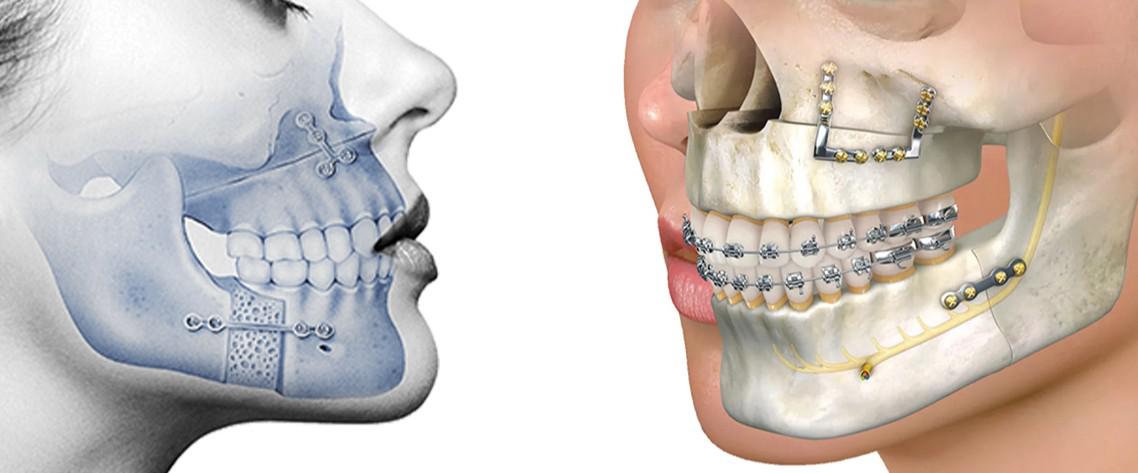
The timeframe for seeing the final outcome of jaw and dental surgery in Jeddah varies depending on the type of procedure and the patient’s individual condition. Initial improvements usually become noticeable within the first few weeks as swelling and bruising gradually subside.
For orthognathic (corrective jaw) or cosmetic jaw surgery, final results typically take about 3 to 6 months to fully develop, and in more complex cases may take up to 12 months. This is because the bones and surrounding soft tissues need sufficient time to heal, remodel, and stabilize.
During this period, the oral and maxillofacial surgeon and cosmetic dentist in Jeddah will monitor healing through regular follow‑up visits. They may also adjust any orthodontic appliances included in the treatment plan to optimize the bite (occlusion), chewing efficiency, speech, and facial aesthetics.
Strict adherence to postoperative instructions—such as maintaining excellent oral hygiene, following the recommended diet, and avoiding strenuous activities—plays a key role in speeding up recovery and achieving the best and safest possible outcome.
Factors Influencing Orthognathic Surgery Outcomes in Line With the Research Objective
The outcomes of jaw and dental surgery in Jeddah are shaped by a combination of clinical and practical factors that must be carefully evaluated before opting for surgical treatment.
First and foremost are the maxillofacial surgeon’s experience and the reputation of the jaw surgery center in Jeddah. The more specialized the medical team is in orthognathic and functional jaw surgery, the higher the likelihood of achieving successful results, both aesthetically and functionally.
Accurate preoperative diagnosis is equally critical. This includes the use of 3D imaging (such as CBCT) and detailed occlusal analysis to design a surgical plan tailored to the patient’s specific skeletal and dental condition.
The patient’s general health status also plays a key role. Proper control of chronic diseases such as hypertension and diabetes positively affects wound healing and reduces the risk of postoperative complications.
Moreover, adherence to the surgeon’s instructions before and after orthognathic surgery—such as maintaining meticulous oral hygiene, taking medications as prescribed, and attending all follow‑up appointments—contributes to better final outcomes and helps minimize swelling and pain.
Orthodontic treatment associated with jaw surgery is another factor that cannot be overlooked. Close coordination between the orthodontist and the maxillofacial surgeon in Jeddah is essential for achieving stable occlusion and a harmonious smile that complements the patient’s facial proportions.
Collectively, these factors have a direct impact on the quality of orthognathic surgery outcomes and on the patient’s overall satisfaction with both jaw function and facial appearance after the procedure.
How can you ensure the best results after orthognathic (jaw) surgery?
To achieve optimal outcomes after jaw surgery in Jeddah, it’s essential to follow your oral and maxillofacial surgeon’s post‑operative instructions precisely from day one. This includes getting adequate rest, applying cold compresses to reduce swelling, and taking all prescribed medications regularly and on schedule.
In the first few weeks, it is recommended to stick to a soft or liquid diet and avoid hard or sticky foods that could put pressure on the jaws or compromise the surgical fixation (plates, screws, or wires).
Maintaining gentle oral hygiene using an antiseptic mouthwash and a soft-bristled toothbrush around the surgical area helps prevent infection and promotes faster healing of the bones and soft tissues.
Regular follow‑up visits with your maxillofacial surgeon and dentist in Jeddah are crucial to monitor bone healing, adjust any orthodontic appliances, and ensure a stable bite (occlusion) and balanced facial profile.
Adhering to physiotherapy protocols or performing jaw-opening and closing exercises as advised by your doctor helps improve temporomandibular joint (TMJ) mobility and prevents stiffness.
Avoiding smoking and reducing caffeine intake enhance blood flow to the surgical site and support a faster, more predictable recovery.
By following these measures, patients in Jeddah can achieve excellent functional results—such as improved chewing and speech—as well as highly satisfying aesthetic outcomes with better facial harmony and balance.
Are the results of jaw surgery permanent?
Jaw (orthognathic) surgery results in Jeddah are generally long‑lasting and stable, especially when performed by an experienced maxillofacial and facial plastic surgeon, as part of a comprehensive treatment plan coordinated with orthodontic care.
Following surgery, the jawbones, muscles, and teeth gradually adapt to their new positions. With proper adherence to postoperative instructions and regular follow‑up visits, the likelihood of the jaws shifting back to their previous position becomes very low.
Minor, natural changes can occur over time due to aging or unhealthy habits such as teeth grinding (bruxism) or neglecting to wear orthodontic retainers after surgery. However, these usually do not compromise the main outcomes of the procedure in most cases.
So, if you are considering jaw surgery in Jeddah to correct your bite, treat jaw protrusion or retrusion, or enhance your smile and facial aesthetics, you can expect the results to be largely long‑term—provided you choose a specialized center and commit to the recommended follow‑up and postoperative care to maintain optimal stability of your jaws and teeth.
Book Your Consultation Now to Understand Your Expected Results Accurately with a Specialized Jaw Surgery Team at Batal Dental Clinics
At Batal Dental Clinics in Jeddah, you can schedule a specialized consultation in oral and maxillofacial (jaw) surgery to receive a precise, comprehensive assessment of your condition and understand the expected outcomes before starting any treatment.
Our consulting team relies on 3D radiographic imaging, thorough clinical examination, and detailed analysis of your jaw and dental alignment to design a personalized treatment plan tailored to your medical and aesthetic needs.
During the consultation, the oral and maxillofacial surgeon will walk you through the anticipated surgical steps, recovery timeline, and success rates, while explaining all available treatment alternatives and the potential risks of each option clearly and reliably.
Whether you have mandibular prognathism (protruding jaw), jaw deviation, malocclusion (bite problems), or require corrective jaw surgery to enhance both function and appearance, a maxillofacial surgery consultation at Batal Dental Clinics will help you make an informed decision based on sound scientific evidence.
Book your appointment now through the website or by calling the clinic directly, and benefit from the expertise of our jaw surgery team in Jeddah for an accurate evaluation of your condition and to achieve the best possible treatment outcome for your oral health and your smile.