

Table of content
ToggleWhat Is a Wisdom Tooth? Complete Information and Facts
The question “What is a wisdom tooth?” is very common. Wisdom teeth, or third molars, are the last set of adult teeth to develop. They usually appear between the ages of 17 and 25. Many people need to have their wisdom teeth removed to prevent pain, infection, and other oral health problems.
Read also: Dentures | The most important information you need to know
What Is a Wisdom Tooth in Detail?
Wisdom teeth are the last set of adult teeth to develop, and they’re also called “third molars.” They’re located at the very back of your mouth. In some cases, wisdom teeth grow in correctly and never cause any problems.
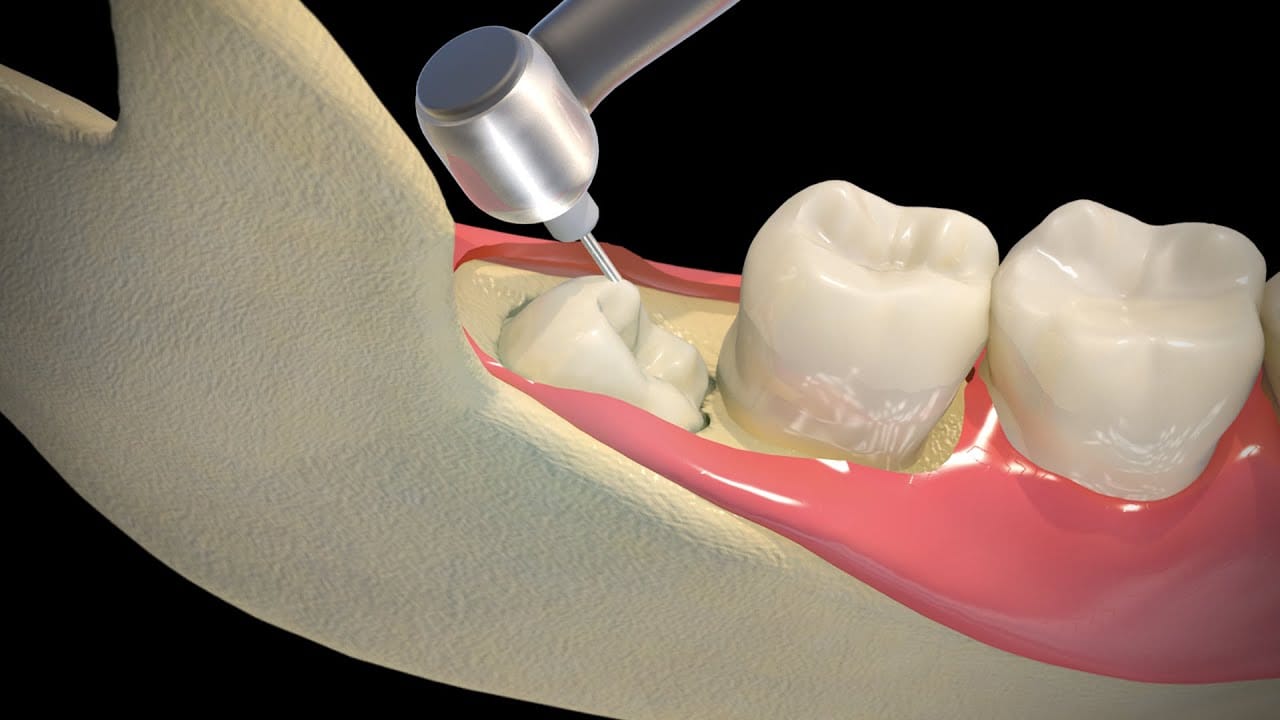
However, in many people, wisdom teeth become partially or completely trapped (impacted) in the gums or jawbone. When this happens, they can lead to infection, tooth decay, gum disease, and other oral health issues. For this reason, many healthcare providers recommend removing wisdom teeth.
Read also: Cosmetic Dental Fillings | Main advantages and disadvantages
Does Everyone Have Wisdom Teeth?
Now that we’ve explained what a wisdom tooth is, the answer here is no—not everyone has wisdom teeth. One research study found that about 53% of people have at least one wisdom tooth. Some people never develop any wisdom teeth at all.
Read also: The most important causes of gum recession
When Do Wisdom Teeth Come In?
Wisdom teeth usually erupt (grow through the gums) between the ages of 17 and 25. However, keep in mind that if your wisdom teeth are completely impacted within your gums or jawbone, you might not see them when you look inside your mouth.
Read also: Dental anesthesia | Main types and side effects
Do You Have to Remove Wisdom Teeth?
Not always. If your wisdom teeth come in normally and don’t cause any problems, you may not need to have them removed. But if you start to feel pain around your wisdom teeth, schedule an appointment with your dentist. They can discuss your options with you in detail.
Read also: Laser teeth whitening
Why Do We Have Wisdom Teeth?
We don’t really need wisdom teeth anymore. In fact, most healthcare providers consider them “vestigial.” This means they were useful at one point in human history, but they no longer serve an essential function.
Our ancestors’ diets were made up of a lot of raw plants, hard nuts, and tough meats. Wisdom teeth were necessary to grind these foods properly for good digestion.
Today, modern cooking and food preparation methods have eliminated the need for wisdom teeth. As our diet changed, our bodies went through small evolutionary changes. For example, our jaws became smaller, which is why many people don’t have enough space in their mouths for wisdom teeth to grow in correctly.
Wisdom teeth erupt at the very back of your mouth, just behind your second molars. People who have all four wisdom teeth have one in each quadrant: upper left, lower left, upper right, and lower right.
Read also: Gum depigmentation (gum lightening) | Learn about the main benefits
What Are the First Signs of a Wisdom Tooth Coming In?
If you have a wisdom tooth starting to come in, there are some warning signs and symptoms you may notice, such as:
(Read also: Learn the difference between tartar (calculus) and dental plaque)
What Conditions Can Affect Wisdom Teeth?
Some people develop complications because of their wisdom teeth, especially if the teeth don’t erupt properly. These complications may include:
Read also: What is the likely cause of tooth decay?
What Are the Most Common Treatments for Wisdom Teeth?
The most common treatment is wisdom tooth extraction. This procedure is usually done under local anesthesia at a dental office or an oral surgeon’s clinic, but it can also be performed under general anesthesia in a hospital if needed. Wisdom teeth can be removed at almost any age.
To reduce the risk of future oral health problems, many people have their wisdom teeth removed in their late teens or early twenties. Recovery typically takes about one week after the extraction.
Your surgeon will give you a detailed list of post‑operative instructions to help keep you comfortable and support healing. Unlike other teeth, wisdom teeth don’t provide much functional benefit, so there’s usually no need to replace them once they’re removed.
Read also: Symptoms that decay has reached the tooth nerve (pulp)
How Do I Take Care of My Wisdom Teeth?
If you still have your wisdom teeth, your dentist will check them during routine exams to make sure they’re healthy. In addition to visiting your dentist regularly, you should:
Read also: Dentures | The most important information you need to know
The dental clinic at Batal Specialized Complex is equipped with advanced tools and devices to help anyone suffering from tooth pain get relief in the hands of highly skilled dentists. Don’t hesitate to book an appointment at the dental clinic in Batal Specialized Complex.

Dr. Fares Matouq
Bachelor’s degree in Dental Medicine and Surgery from Al-Qalamoun University – Damascus.
Completed training courses in cosmetic dentistry and smile design.
11 years of experience in dental treatment and aesthetic dentistry.
Passionate and highly skilled in the following specialties:
– All types of prosthodontic services (bridges, crowns, and porcelain veneers such as veneers and Lumineers)
– Cosmetic dentistry services (esthetic fillings, tooth restoration, Hollywood smile)
– Comprehensive smile makeover planning, root canal treatment, and tooth extractions.