
Gum Grafting for Exposed Tooth Roots: When It Helps and What Recovery Is Like

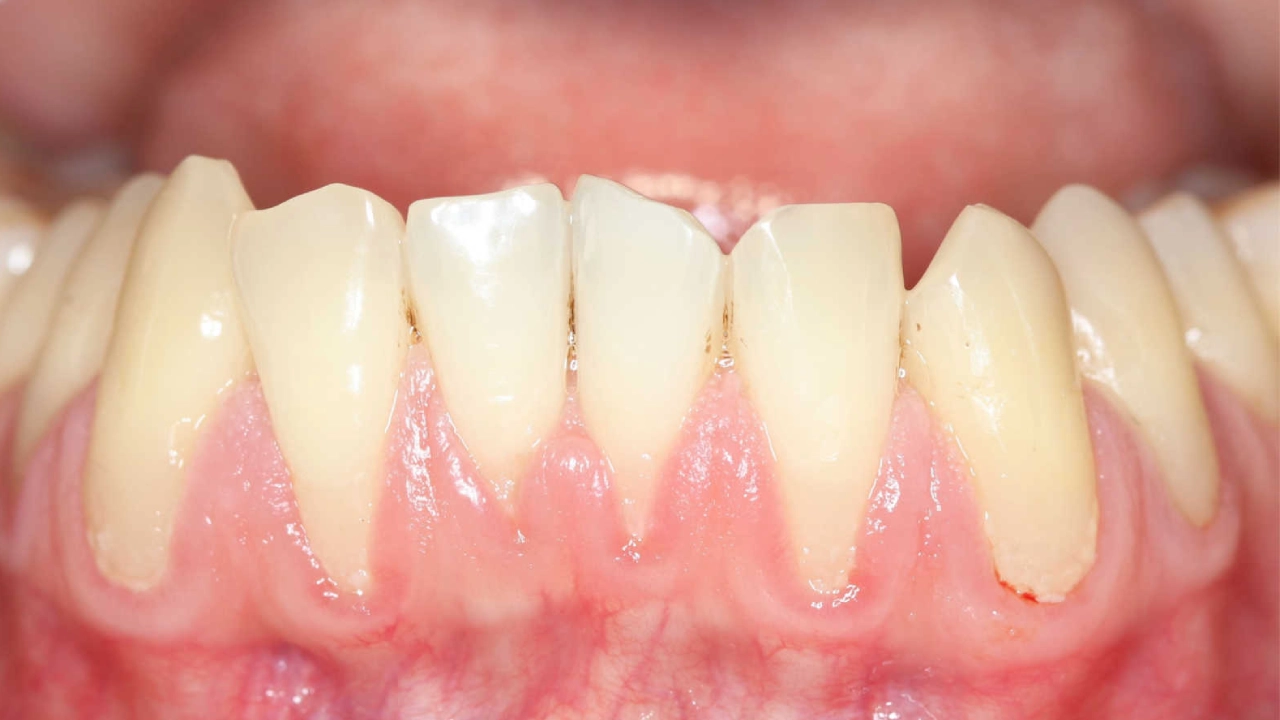
If one of your teeth looks longer than it used to, or cold water causes a sharp sensation near the gumline, part of the root may be exposed. When gum recession continues or sensitivity remains bothersome, your dentist may recommend gum grafting to cover the exposed root and add thickness to the gum tissue. How much of the root can be covered depends on the condition of the gums and the tissues supporting the tooth. For many patients, discomfort improves within one to two weeks, while the graft continues to heal.
What Is Gum Grafting?
Gum grafting is a surgical procedure that adds tissue to an area where the gums are thin or have receded. When the goal is root coverage, the dentist secures the graft at the treatment site and may reposition nearby gum tissue to cover more of the exposed root. The technique depends on the shape of the recession, the thickness of the gums, and the amount of tissue available around the tooth.
The reason for treatment varies from person to person. You may want relief from sensitivity when you drink something cold, or you may be concerned about a front tooth that looks noticeably longer than the one next to it. In some cases, adding thickness to the gum is a treatment goal in its own right. Knowing what you want to improve helps your dentist explain what the procedure is likely to achieve, especially if only part of the root can be covered.

When Is a Gum Graft Recommended for an Exposed Tooth Root?
Your dentist starts by checking why the gum has receded and whether the recession is progressing. They measure how much of the root is exposed, examine the gum tissue on either side of the tooth, and look for inflammation or factors such as brushing too hard. They may also ask when the sensitivity began, whether the tooth has gradually started to look longer, and whether the area is harder to clean. For more context on how gum health can change over time, read our guide to gum changes in older adults.
A gum graft may be considered when:
- The recession is progressing. Measurements taken at follow-up visits help your dentist determine whether more of the root is becoming exposed.
- Sensitivity persists after initial treatment. If discomfort continues after the cause has been assessed and measures to reduce sensitivity have been tried, root coverage may be an option.
- The tissue is particularly thin. Your dentist may recommend adding thickness when it would benefit a specific area.
- The gumline has changed around a visible tooth. If a front tooth appears longer than its neighbour, your dentist can explain how much improvement the surrounding tissues may allow.
If the recession is mild and stable, your dentist may start by monitoring it, adjusting your brushing technique, or treating sensitivity. Active gum disease is treated first so the area can be reassessed before surgery. If the recession appeared during or after orthodontic treatment, the position of the tooth and the timing of any procedure can be reviewed with your orthodontist. Explore gum treatment options in Jeddah.
What Happens During Gum Graft Surgery?
Gum graft surgery is usually performed under local anaesthesia. One common option for root coverage is a connective tissue graft. The dentist takes a small piece of tissue from beneath the surface of the roof of your mouth, places it at the treatment site, and secures it with stitches. They may also reposition the nearby gum tissue. In selected cases, a tissue substitute may be an option, depending on the condition of the site and the goals of treatment.
When tissue is taken from the roof of your mouth, you will have two areas to care for during recovery: the graft site and the donor site. Before the procedure, ask how to clean around each area, what you can comfortably eat, and how to care for any stitches or dressing. If several teeth have recession, ask which sites are likely to be treated in the same appointment and how that could affect your recovery.
Can a Gum Graft Cover the Entire Root?
Complete root coverage is possible in some cases. One of the main factors is how much support remains between the affected tooth and the teeth next to it. When that support is well preserved, complete coverage is generally more predictable. If some of the supporting tissue has been lost, partial coverage may be a more realistic goal. Two teeth can look similar in the mirror and still have different prospects for root coverage.
Before going ahead, ask how much of the root your dentist expects to cover, whether the procedure can also improve gum thickness, and when they will assess the result. If sensitivity is your main concern, it is also worth discussing whether anything else could be contributing to it. Read more about tooth sensitivity and oral pain.
What Is Recovery Like After Gum Grafting?
The First Few Days
Some soreness or swelling is common. If the roof of your mouth was used as the donor site, it may feel tender while you eat. Follow your dentist’s instructions for medication and wound care, choose soft foods, and chew away from the surgical site where possible. Avoid pulling your lip or cheek back to inspect the graft during early healing.
Brushing and Flossing While the Graft Heals
Continue cleaning the rest of your teeth as directed. Wait until your dentist says it is safe to brush or floss directly over the graft. If you are prescribed a mouth rinse, use it as instructed and for the recommended length of time. At your follow-up visit, your dentist will check the site and tell you when and how to resume cleaning it.
When Discomfort Improves and When the Result Is Assessed
Initial recovery often takes about one to two weeks, although it can take longer when several areas are treated or depending on the procedure used. During this period, you may notice that eating becomes more comfortable and soreness gradually eases. Your dentist assesses the gumline and the amount of root coverage at follow-up visits as the tissue continues to heal. Keep following your cleaning instructions even if the area already feels better.
When Should You Contact the Clinic After a Gum Graft?
Contact the clinic if pain or swelling increases after it had started to improve, or if you develop a fever, notice pus, or have bleeding that continues despite following your aftercare instructions. Also call if a stitch comes loose and the graft tissue or dressing appears to have shifted. Leave the area undisturbed while you wait for advice from your dental team.
Get a Gum Recession Assessment at Batal Dental in Jeddah
If you can see part of a tooth root or regularly feel sensitivity near the gumline, a dental assessment can help determine the cause and whether the recession is progressing. At Batal Dental in Jeddah, your dentist can examine the gums and supporting tissues and talk you through your options, from monitoring and sensitivity management to root coverage. If gum grafting is suitable.