
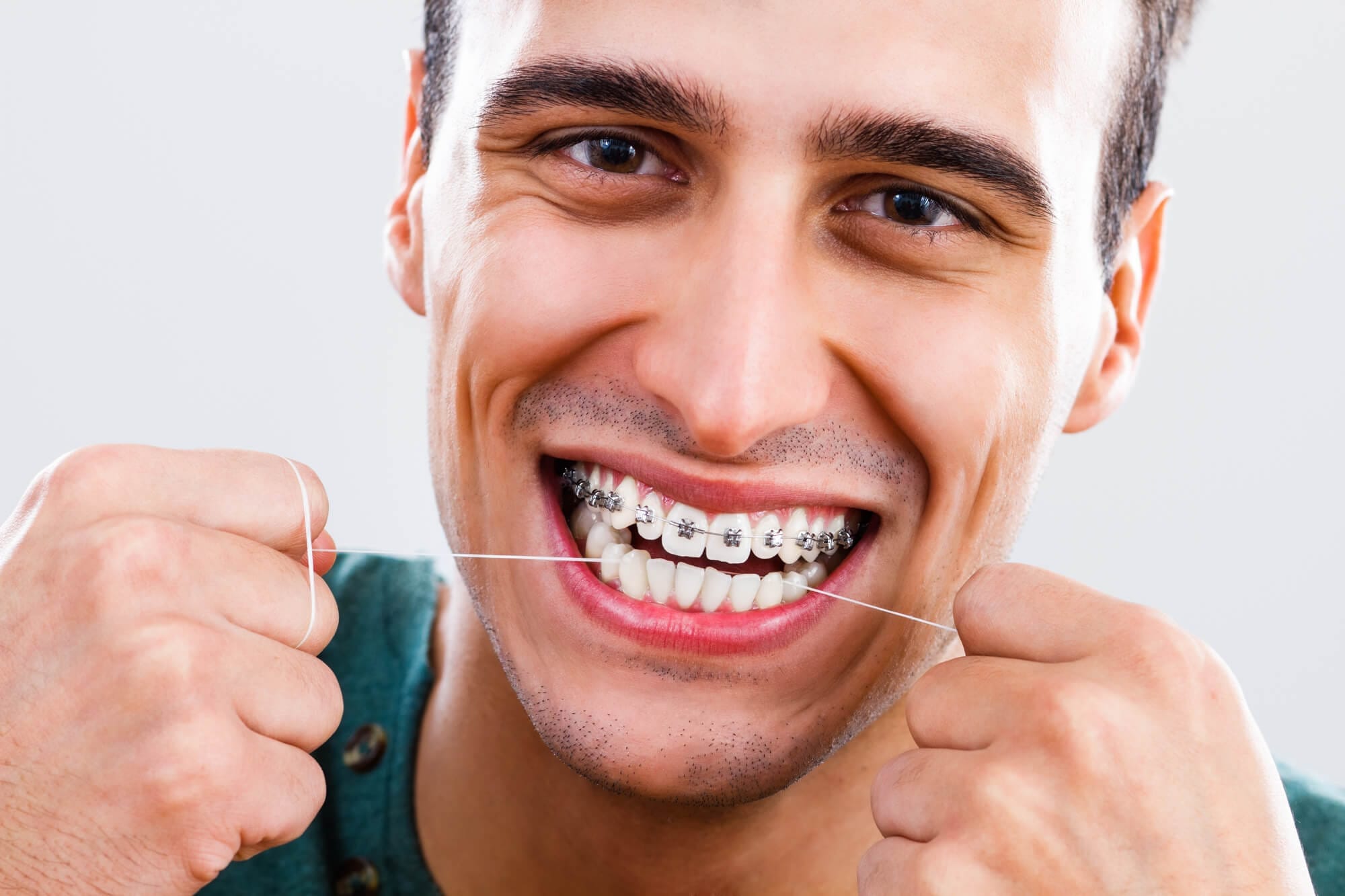

Adult orthodontic treatment focuses on correcting misaligned teeth and jaws in individuals who are past their teenage years. While braces are often associated with adolescents, orthodontic care is just as important for adults.
Proper teeth alignment doesn’t only enhance your smile; it also plays a critical role in maintaining good oral health. Crooked or crowded teeth can lead to problems such as difficulty cleaning, a higher risk of tooth decay and gum disease, a bad bite (malocclusion), jaw pain, and even speech issues.
Adult orthodontic treatment can involve several types of appliances, including traditional metal braces, clear aligners, lingual braces (placed on the inner surface of the teeth), and sometimes orthognathic (jaw) surgery in more severe cases. The choice of treatment depends on the individual’s specific needs and preferences, as well as the complexity of the orthodontic issues.
Types of Adult Orthodontic Treatment
Thanks to advances in modern orthodontics, there are now more adult treatment options than ever before. Many of these provide effective tooth movement while being more discreet and comfortable. An orthodontist at Batal Specialized Center in Jeddah will discuss which options best match your goals, needs, and lifestyle. Below are some of the most common choices:
Metal Braces
Traditional metal braces remain the gold standard, even for adults. They are often the best choice for patients with more complex alignment or bite problems.
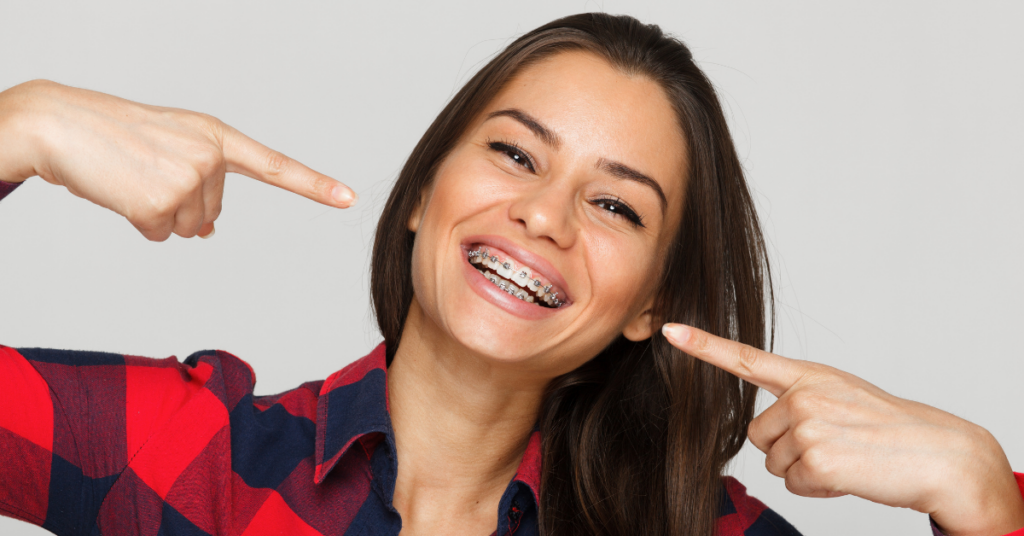
Key features and functions of metal braces:
Advantages:
- Highly effective for treating moderate to severe crowding, spacing, and bite issues.
- Generally the most durable and reliable orthodontic option.
- Often less expensive than more aesthetic alternatives.
- Provide precise control over tooth movement.
Disadvantages:
- More visible than other types of braces.
- May cause initial discomfort or irritation to the cheeks and lips.
- Require careful brushing and flossing to prevent plaque buildup and staining.
Ceramic (Clear) Braces
Ceramic or “clear” braces offer the same tooth-moving power as traditional metal braces but with a more subtle, refined look. These adult braces are similar in size and shape to metal brackets, but the brackets themselves are tooth-colored or transparent, allowing them to blend in with your natural teeth.
Key features and functions of ceramic braces:
- Provide effective treatment for many of the same issues treated by metal braces.
- Bracket color is matched to the teeth or is clear for a more cosmetic appearance.
- Popular among adults who want fixed braces but prefer something less noticeable.
Disadvantages:
- Brackets can be more fragile and may chip or break more easily than metal ones.
- Typically more expensive than traditional metal braces.
- Elastic ties may stain over time if exposed to foods and drinks like coffee, tea, or curry.
Lingual Braces
Lingual braces are fixed brackets and wires placed on the inner (tongue-side) surfaces of the teeth instead of the front. They provide similar strength and treatment speed to traditional metal or clear braces but are virtually invisible unless someone looks very closely inside the mouth.
Key features and functions of lingual braces:
- Completely hidden from view when you smile or talk.
- Capable of treating many complex orthodontic and bite problems.
- Customized to the shape of each tooth for a precise fit.
Disadvantages:
- May initially affect speech and cause tongue irritation.
- More challenging to clean due to their position behind the teeth.
- Often more expensive than traditional and ceramic braces.
- Not suitable for every case; candidacy must be evaluated by an orthodontist.
Duration of Adult Orthodontic Treatment
The length of adult orthodontic treatment can vary depending on several factors. Key factors that influence treatment time include:
- The severity and type of misalignment or bite problem.
- The chosen treatment method (metal braces, ceramic braces, aligners, etc.).
- The patient’s age and biological response to tooth movement.
- Consistency in attending follow-up appointments.
- How well the patient follows the orthodontist’s instructions (such as wearing elastics or aligners as prescribed).
On average, adult orthodontic treatment can range from about 12 to 36 months, depending on the factors above. However, every case is unique, and the actual duration may be shorter or longer.
To help shorten or optimize the duration of adult orthodontic treatment, consider the following tips:
- Attend all scheduled orthodontic appointments on time.
- Follow your orthodontist’s instructions carefully (wearing elastics, aligners, and retainers as directed).
- Maintain excellent oral hygiene to avoid delays due to cavities or gum problems.
- Avoid habits that can damage braces, such as chewing ice, hard candies, or biting on pens.
- Report any broken brackets, wires, or aligners to your orthodontist promptly.
Age and Adult Orthodontics
There is no strict upper age limit for starting orthodontic treatment. Adults of virtually any age can benefit from braces or aligners, as long as their teeth and gums are healthy enough to support tooth movement.
Some benefits of adult orthodontic treatment at any age include:
- Improved bite function and chewing efficiency.
- Reduced risk of tooth wear, chipping, and fractures caused by a misaligned bite.
- Easier cleaning between teeth, lowering the chance of cavities and gum disease.
- Enhanced facial aesthetics and a more confident smile.
- Better jaw alignment, which may help relieve certain types of jaw discomfort or TMJ-related issues.
To determine whether adult orthodontic treatment is right for you, consider the following:
- Have you been experiencing difficulty chewing or biting due to misaligned teeth?
- Do you feel self-conscious about crowded, spaced, or crooked teeth when you smile?
- Has your dentist mentioned issues such as malocclusion, deep bite, open bite, or crossbite?
- Are your gums and supporting bone in generally good health, or are there untreated periodontal issues?
- Are you motivated to follow through with treatment and maintain good oral hygiene?
The most reliable way to find out if adult orthodontic treatment is appropriate for you is to consult an experienced orthodontist in Jeddah at Batal Specialized Center. The orthodontist will evaluate your specific case, discuss your goals and concerns, and provide professional guidance tailored to your needs.
Removable Braces (Clear Aligners) for Adults
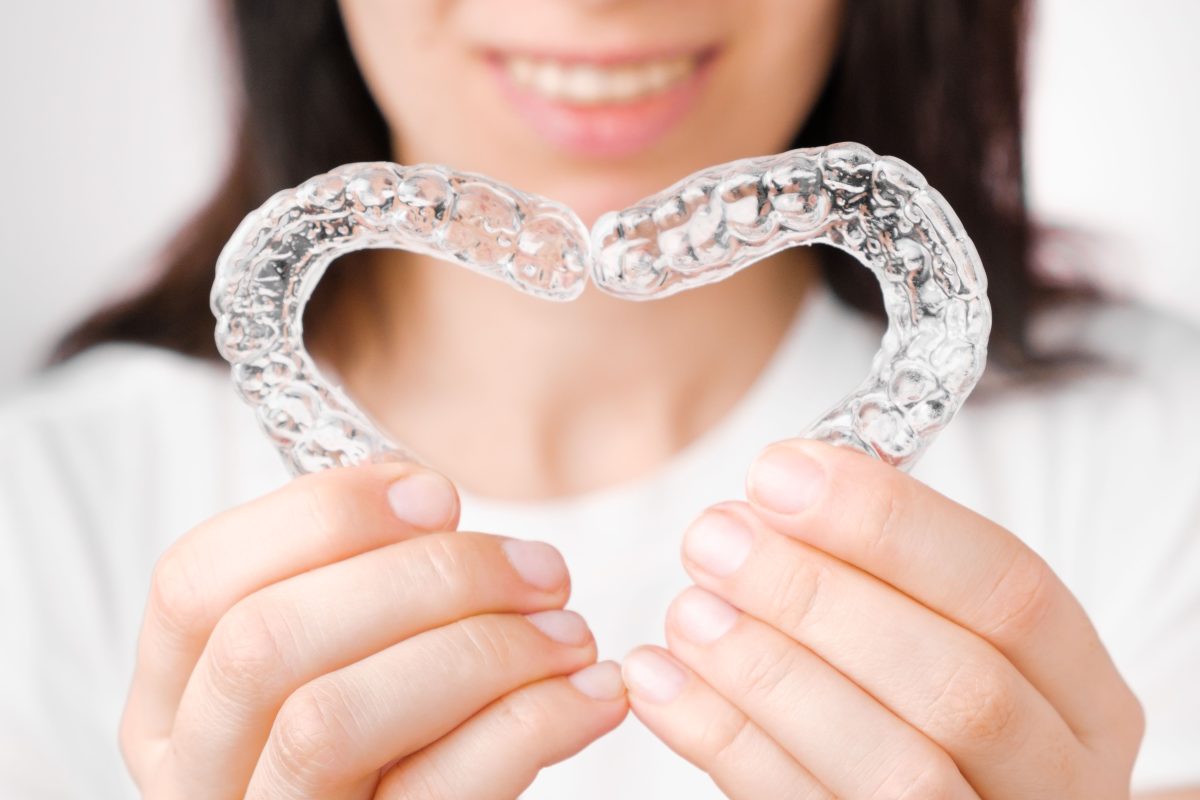
Removable orthodontic options for adults, such as clear aligners, have grown increasingly popular in recent years. These systems offer distinct features, advantages, and limitations compared with traditional fixed braces. There are several types of removable orthodontic appliances, with Invisalign being one of the most widely known and commonly used brands.
Advantages:
- Virtually invisible, which is appealing for professionals and socially active adults.
- Removable, allowing easier brushing, flossing, and eating without dietary restrictions.
- Typically more comfortable, with no metal brackets or wires to irritate cheeks and gums.
- Digital treatment planning allows you to preview expected progress and results.
Disadvantages:
- Requires strong patient compliance; aligners must usually be worn 20–22 hours per day.
- May not be ideal for very complex or severe bite and alignment issues.
- Aligners can be lost or damaged if not stored properly.
- Costs can be comparable to or higher than traditional braces, depending on the case.
Modern Orthodontic Technologies
Modern orthodontic technologies have advanced significantly, giving patients more treatment options and often improving comfort, accuracy, and efficiency. Five notable contemporary technologies in orthodontics include:
- Digital 3D imaging and CBCT (Cone Beam CT): Provides detailed images of teeth, roots, and jaw structures for precise diagnosis and treatment planning.
- Intraoral scanners: Capture digital impressions of the teeth, eliminating the need for traditional impression materials in many cases.
- Customized brackets and archwires: Systems that are individually designed and manufactured to fit each patient’s teeth, improving control and potentially reducing treatment time.
- Self-ligating braces: Braces that use special clips instead of elastic ties to hold the wire, which may reduce friction and make adjustments quicker and more comfortable.
- Accelerated orthodontic techniques: Adjunctive procedures and devices designed to stimulate bone remodeling and potentially speed up tooth movement in selected cases.
Cost of Adult Orthodontic Treatment
The cost of adult orthodontics can vary widely depending on multiple factors. Some of the main factors that influence the price include:
- The type of appliance used (metal braces, ceramic braces, lingual braces, clear aligners, etc.).
- The complexity and severity of the orthodontic problems.
- The estimated length of treatment.
- The orthodontist’s expertise and the geographical location of the clinic.
- Additional procedures that may be required (tooth extractions, attachments, interproximal reduction, jaw surgery, etc.).
On average, the cost of adult orthodontic treatment may range from about USD 3,000 to USD 7,000 or more, depending on the factors mentioned above. The actual cost can differ substantially based on individual circumstances.
Here are some tips to help manage or reduce the cost of adult orthodontic care:
- Ask about different treatment options and their price ranges.
- Inquire about installment plans or in-house financing offered by the clinic.
- Check whether your dental insurance provides partial coverage for orthodontic treatment.
- Maintain excellent oral hygiene and attend all appointments to avoid complications that could prolong treatment and increase costs.
- Compare several reputable clinics, focusing on value and expertise rather than price alone.
Tips for Getting the Best Results from Adult Orthodontics
If you’re considering orthodontic treatment as an adult, the following tips can help you achieve optimal results:
- Follow your orthodontist’s instructions carefully regarding elastics, aligner wear, and appliance care.
- Brush and floss meticulously to prevent gum disease, cavities, and staining around brackets.
- Use any recommended adjuncts such as interdental brushes, water flossers, or fluoride products.
- Avoid hard, sticky, or chewy foods that can damage braces or bend wires.
- Keep all scheduled appointments for adjustments and progress checks.
- Wear your retainers as prescribed after treatment to maintain your results.
Adult Braces at Batal Specialized Dental Center
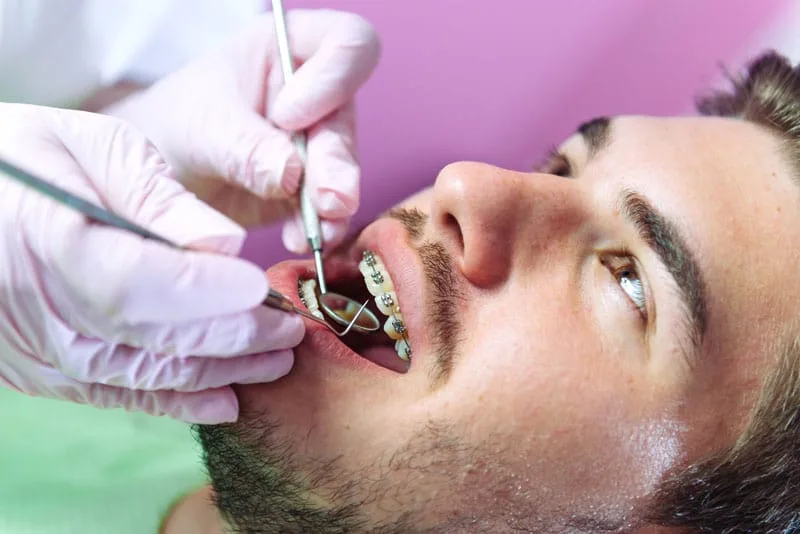
Having adult braces fitted at Batal Specialized Dental Center typically involves the following steps:
- Initial consultation and examination: Clinical evaluation, dental and medical history, and discussion of your concerns and goals.
- Diagnostic records: Taking X-rays, photographs, and digital or traditional impressions to analyze your bite and teeth alignment.
- Treatment planning: The orthodontist reviews your records and presents a customized treatment plan with suitable options and estimated duration and cost.
- Appliance placement: Bonding of braces or delivery of clear aligners, with detailed instructions on care and maintenance.
- Regular follow-up visits: Periodic adjustments or new aligner sets to guide the teeth into their desired positions.
- Debonding and retention: Removal of braces at the end of treatment, followed by fitting retainers to keep the teeth stable in their new positions.