
Sinus Lift Before Dental Implants: Why You May Need One and When the Implant Can Be Placed

If an X-ray shows that there is too little bone beneath your sinus to support an implant for a missing upper molar, your dentist may recommend a sinus lift before dental implant placement. The procedure creates space beneath the sinus lining so bone can develop at the planned implant site. If enough natural bone remains to hold the implant securely, your dentist may place it during the same appointment. If the implant cannot be stabilised at that stage, the area is allowed to heal before the dentist reassesses it for placement.
Why Might You Need a Sinus Lift Before Dental Implants?
The maxillary sinus is an air-filled space above the back teeth in the upper jaw. When planning an implant in this area, your dentist checks how much bone is available between the top of the jawbone and the floor of the sinus. The space may be limited by the shape of your jaw, and the bone at the site may shrink over time after a tooth is lost.
Two people replacing the same upper molar may therefore have different treatment plans. The decision depends on the dimensions of the bone, the planned position and angle of the implant, and how much natural bone is available to hold it. For an overview of how this fits into the wider treatment plan, read our guide to dental implants.

What Does Your Dentist Check Before Recommending a Sinus Lift?
Your dentist examines your mouth and reviews your medical history. They may also recommend a cone-beam CT scan (CBCT) to get a three-dimensional view of the planned implant site. The scan helps them assess:
- Bone height and width. These measurements show how much space is available and help estimate how much the sinus floor may need to be raised.
- The implant’s planned position. Your dentist checks where the implant would sit in relation to the sinus floor and the tooth it will replace.
- Any sinus concerns that need further assessment. Tell your dentist if you have persistent congestion, recurring sinus infections, or a history of surgery in the area.
Ask your dentist to point out the implant site and the bone beneath the sinus on your scan. This makes it easier to understand why a lift is being recommended and whether implant placement at the same appointment is likely to be possible.
How Is a Sinus Lift Performed?
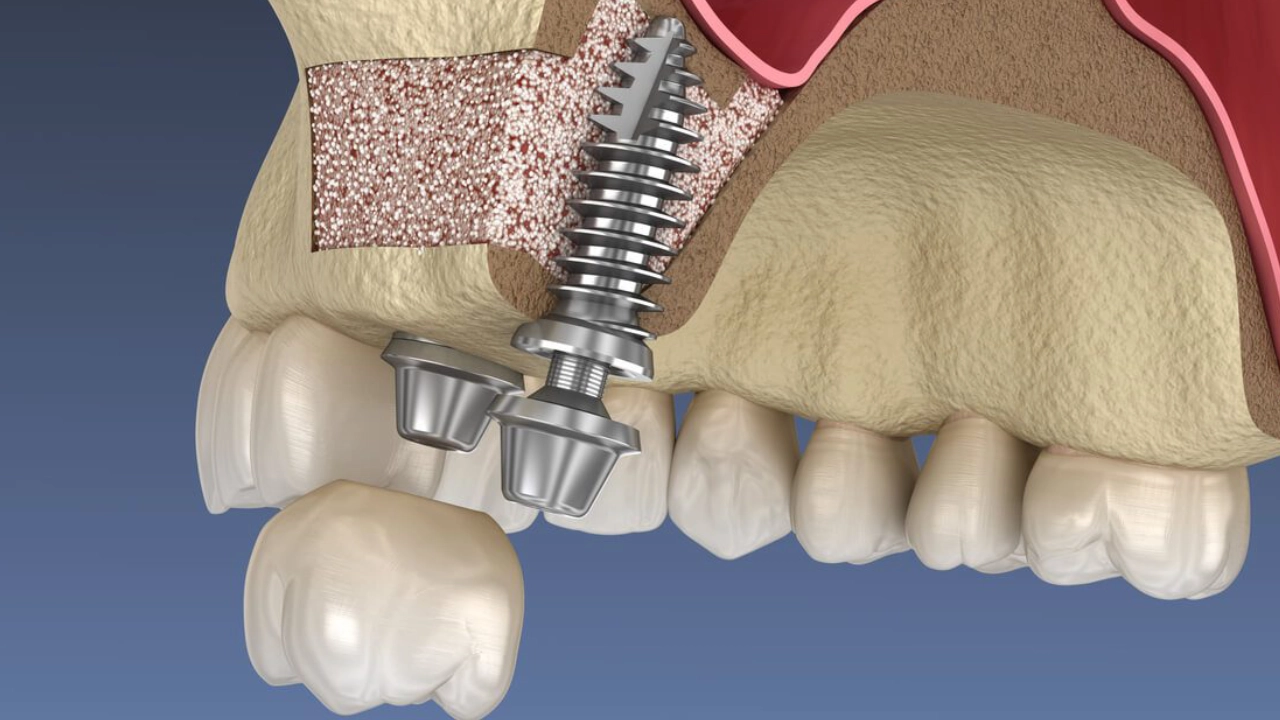
The surgeon gently raises the thin membrane that lines the floor of the sinus. In many cases, bone graft material is placed in the space beneath the membrane to support new bone formation as the area heals. The surgeon chooses how to reach the membrane based on the shape of the area, how much bone remains, and how much height is needed.
- Through the implant site. The surgeon reaches the sinus floor through the opening prepared for the implant. This approach may suit cases that need a modest lift and have enough usable bone at the site.
- Through the side of the upper jaw. The surgeon makes a small opening in the bone on the cheek side to reach and lift the membrane. This approach may be used when more height is needed or the shape of the area calls for wider access.
The surgical approach helps explain what will happen on the day. The timing of implant placement also depends on how securely the implant can be held in the bone that is already there. For more on the role of the graft, see our guide to bone grafting for dental implants.
When Can the Implant Be Placed During the Sinus Lift?
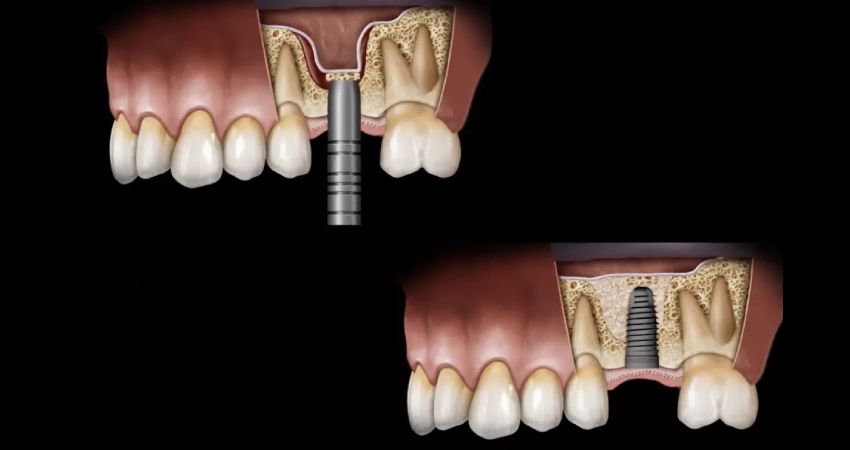
When the Remaining Bone Can Hold the Implant
Your dentist may combine the two procedures if they can achieve primary stability. This means the implant is held firmly in the existing bone at the time of surgery. Your dentist estimates whether this will be possible from your examination and scan, then checks the site during the procedure. The plan may change if the bone provides less stability than expected.
Placing the implant means securing the artificial root in the jawbone. The final crown is usually fitted later, once the dentist has assessed how the implant is healing and confirmed that it is ready for the restoration. If you hear that the implant can be placed on the same day as the sinus lift, ask when you can expect the final replacement tooth to be fitted.
When the Bone Needs Time to Heal First
If there is too little bone to stabilise the implant, your dentist may recommend lifting the sinus and placing the graft first. The implant is then placed at a later appointment, after the site has healed enough to support it. This can take several months, depending on the extent of the lift, the graft material used, and how the area heals. At a follow-up visit, your dentist checks the site and decides when it is ready for implant placement.
When discussing your treatment plan, ask for three separate dates or estimates: the sinus lift, implant placement, and fitting of the final crown. It is also worth asking which findings at your follow-up could change those estimates.
What Is Recovery Like After a Sinus Lift?
Some swelling and discomfort around the surgical site are common in the first few days. How much you notice can vary depending on the procedure and how many sites were treated. Follow your surgeon’s instructions on medication, eating, and oral hygiene. Where possible, chew away from the surgical area. If the implant was placed at the same appointment, ask whether there are specific restrictions on chewing while it heals.
Your surgeon will also give you instructions to reduce pressure on the sinus during healing. Avoid blowing your nose for as long as advised. If you need to sneeze, keep your mouth open and avoid pinching your nose shut. At your follow-up, the surgeon will check how the area is healing, explain when you can return to your usual routine, and arrange a further assessment if implant placement was delayed.
Contact the clinic if pain or swelling gets worse after it had started to improve, or if you develop a fever, notice unusual discharge, or have bleeding that continues. Let the team know when the symptoms started and whether they appeared after a period of improvement.
Book a Sinus Lift and Dental Implant Assessment at Batal Dental in Jeddah
If your scan shows limited bone beneath the sinus, or you have been told you may need a sinus lift to replace an upper molar, Batal Dental in Jeddah can review your treatment plan. Bring any previous scans or X-rays you have. Your dentist can explain how much bone is available, whether the implant could be placed during the lift or after healing, and when you can expect the final crown.