
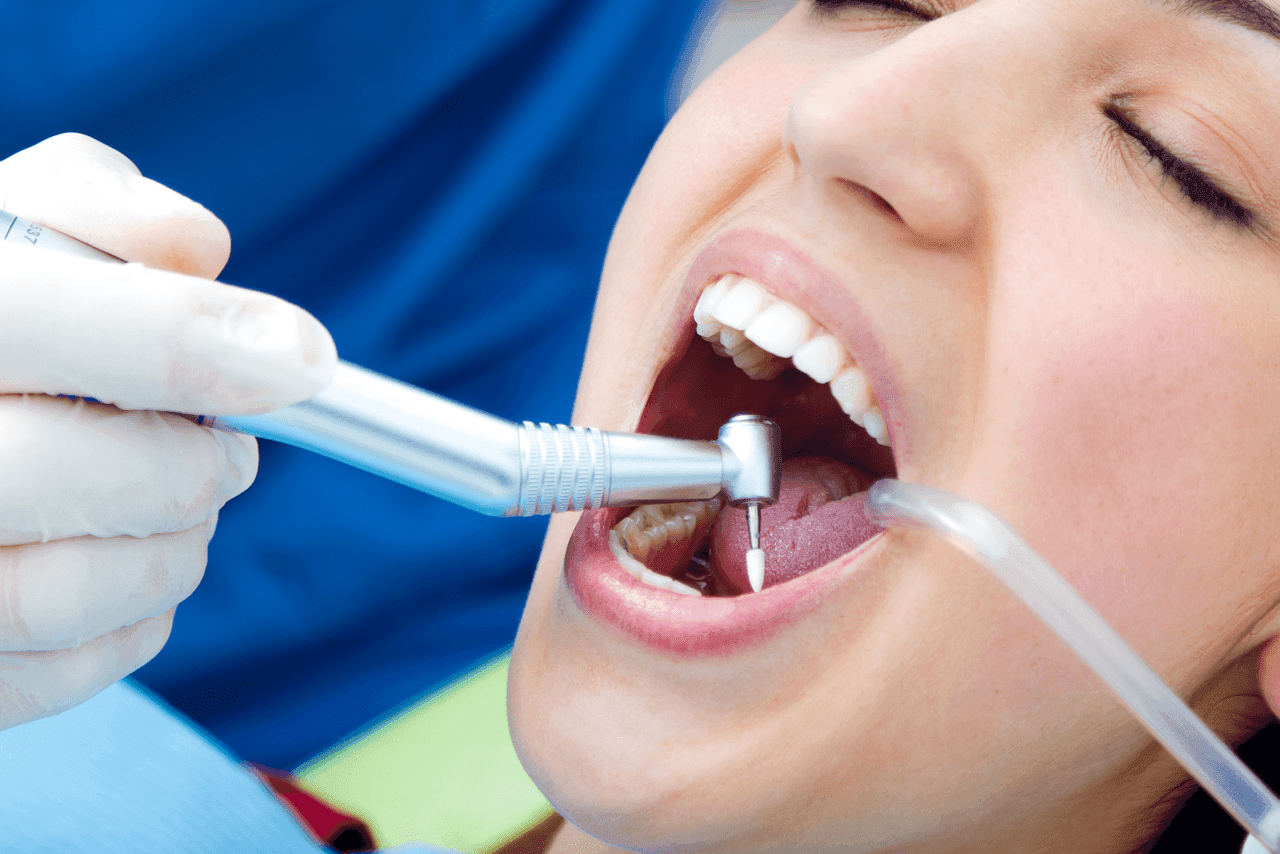

There are many reasons to visit a root canal clinic, the most common being tooth pain or sharp sensitivity when you drink hot or cold beverages. These symptoms can indicate damage to the dental pulp, which requires proper treatment. In this article, we’ll walk you through what root canal clinics do, how root canal treatment works, and its benefits, so you can better protect your teeth and your smile.
What Are Tooth Roots?
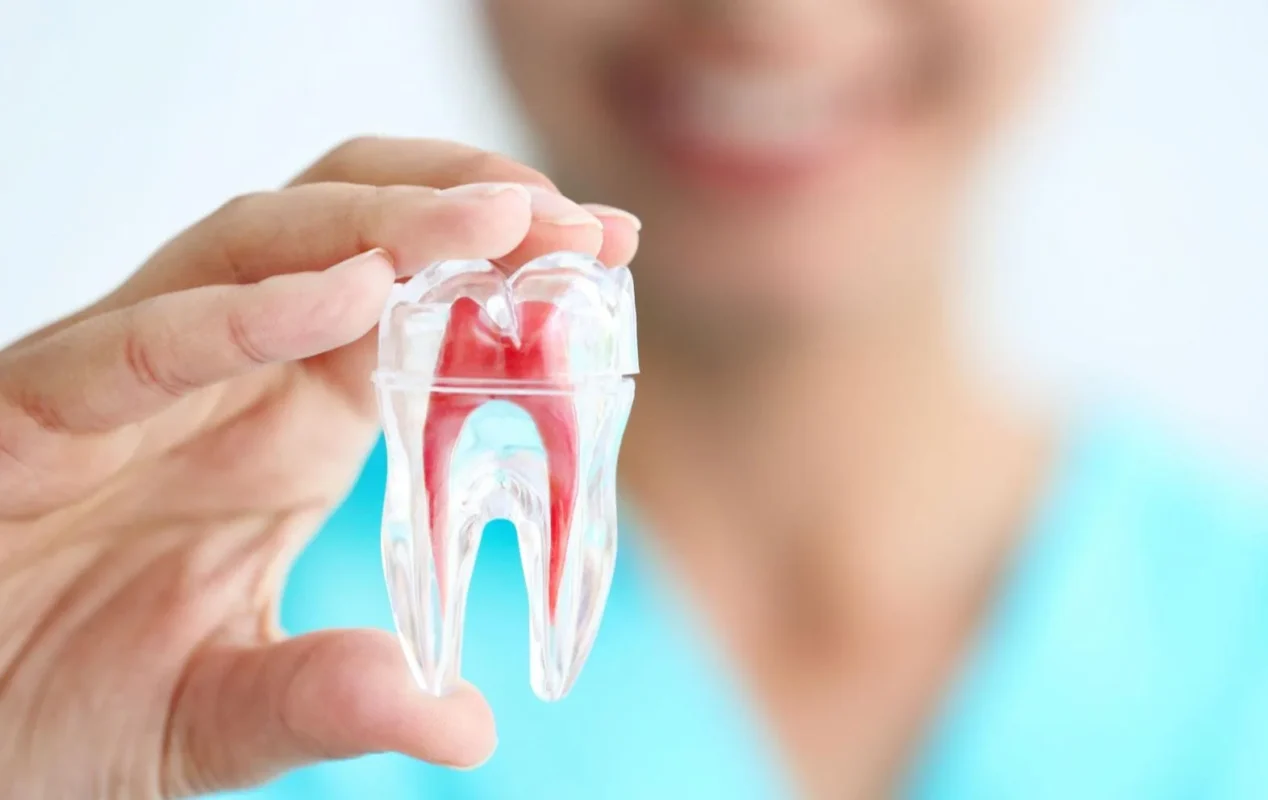
Tooth roots are the internal parts of the tooth – essentially the center of the tooth. This area is called the “dental pulp,” which contains blood vessels and nerves. When bacteria reach the root canal and cause decay in this area, it is known as deep tooth decay.
Tooth Roots in English
Tooth roots are referred to in English as “tooth roots,” a term commonly used among dental professionals.
See also: Types of Dental Veneers: Advantages and Disadvantages
Root Decay (Pulpitis)
Root decay is also known as “pulpitis.” It’s a common dental problem that affects the tooth pulp, which is the soft tissue inside the root canals. This pulp contains nerves and blood vessels, and when decay extends to this tissue, it becomes inflamed and painful.
Types of Tooth Roots
There are several types of tooth roots that differ in number and shape. These differences affect how they function and how much they contribute to tooth stability and strength. Below is a detailed explanation for each type (in the full article content).
Root Decay Treatment Clinic
A root decay treatment clinic offers a number of services to patients, including but not limited to (details would follow in the full article):
See also: What Are the Requirements for Braces? | Answered by a Dentist at Batal Specialized Center
The Best Root Canal Clinic in Jeddah
The root canal clinic at Batal Specialized Medical Complex has long been considered one of the best root canal clinics in Jeddah, thanks to features such as (details to be listed in the full article):
What Is Root Canal Treatment?
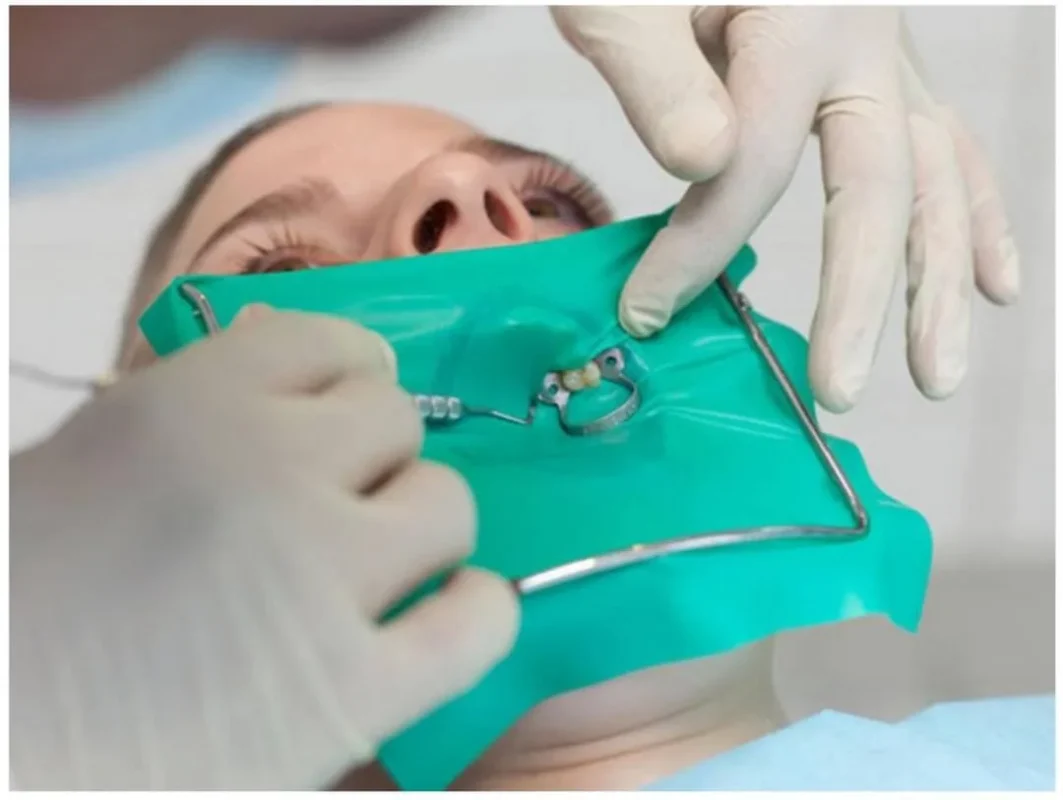
Root canal treatment, often called “root canal therapy” or simply a “root canal,” is a procedure in which inflamed or infected tissue inside the root canals is removed, then the canals are cleaned, shaped, and filled with a special root filling material. This treatment is used to manage pulpitis, which is essentially decay that has reached the tooth roots.
Steps of Root Canal Treatment
The main steps of root canal treatment include:
(Details to be expanded in the full article.)
Types of Root Canal Treatment
Types of root canal treatment include:
(Details to be expanded in the full article.)
Cases That Require Root Canal Treatment
Several conditions make root canal treatment necessary, including:
(Details to be expanded in the full article.)
Root Canal Treatment Prices in Jeddah
The cost of root canal treatment in Jeddah varies widely based on several factors, including the type of treatment, the dentist’s experience, and the clinic’s location. Generally, fees range from about 1,500 to 5,000 SAR.
What Are the Benefits of Root Canal Treatment?
Root canal treatment offers many benefits, including:
(Details to be expanded in the full article.)
See also: Orthodontic Toothbrush: What You Need to Know
Tips for Choosing a Root Canal Specialist
Several tips can help you choose the most qualified root canal specialist, such as:
(Details to be expanded in the full article.)
See also: 7 Tips After Tartar (Calculus) Removal
Shapes of Tooth Roots
Tooth roots vary greatly in shape and number, and these variations play a key role in tooth stability and strength. Below is a brief overview:
(Details to be expanded in the full article.)
See also: 9 Reasons for Pain After Getting a Dental Crown
In conclusion, we’ve explored the basics of root canal treatment and highlighted key information about how it’s done and what benefits it offers. You can contact us at the Dental Center of Batal Specialized Medical Complex for the treatment of a wide range of dental issues.
Frequently Asked Questions About Root Canal Treatment
How Are Tooth Roots Removed?
Tooth roots are usually treated through a root canal procedure. In some cases, a surgical procedure called an apicoectomy (root-end surgery) or extraction of the entire tooth and its roots may be required.
Is Removing Tooth Roots Painful?
Root extraction or root canal procedures are typically performed under local anesthesia, so the treated area is numbed. You may experience some discomfort or mild pain afterward during the healing period, but this is usually manageable with medication prescribed by your dentist.
How Long Does Root Canal Treatment Take?
The duration depends on several factors, mainly the number of root canals in the tooth, how complex the canal anatomy is, and the dentist’s experience. In general, treatment can be completed in one or more visits.
How Many Roots Do Teeth Have?
The number of roots depends on the type of tooth. Some teeth have a single root, others have two or three roots, and certain molars can have four roots.
Is It Always Necessary to Remove Tooth Roots?
Tooth roots need to be removed or the tooth extracted when they are severely damaged, infected, or causing significant pain, and when they cannot be saved with root canal treatment. The decision is made by a general dentist or an endodontist (root canal specialist) after evaluating your specific case.
Why Do Root Fragments Need to Be Removed?
Remaining root fragments should be removed because they can maintain or spread infection, cause ongoing discomfort, and lead to complications such as abscesses or damage to surrounding teeth and tissues.
What Are the Symptoms of Root Inflammation (Pulpitis/Root Infection)?
Symptoms of root inflammation may include:
(Details such as persistent pain, sensitivity to hot and cold, swelling, etc. would be listed in the full article.)
What Causes Tooth Roots to Become Exposed?
Several factors can lead to exposed tooth roots, including:
(For example: gum recession, aggressive brushing, periodontal disease; to be elaborated in the full article.)
What Is the Cost of Root Canal Treatment?
Costs vary depending on several factors, but in general, they range from about 1,500 to 5,000 SAR.
Is Root Canal Treatment Painful?
It should not be painful, since the tooth and surrounding gum are numbed with local anesthesia before the procedure begins. You might feel some pressure, but sharp pain during treatment is not expected.
How Long Do Root Canal Results Last?
With good oral hygiene and regular dental checkups, the results of root canal treatment can last a lifetime. However, success and longevity vary from person to person and depend on the quality of the treatment and subsequent restoration (such as a crown).
Can I Eat and Drink After Root Canal Treatment?
Yes, you can eat and drink after root canal treatment, but it is usually recommended to wait until the numbness wears off and to avoid chewing on the treated side until any permanent restoration is placed.
When Should I Follow Up With My Dentist After Root Canal Treatment?

You are generally advised to see your dentist about one week after root canal treatment to assess the tooth, ensure proper healing, and confirm that the treatment was successful.
Sources: