

Signs Your Child May Need Orthodontic Treatment
Crowded teeth or noticeable gaps
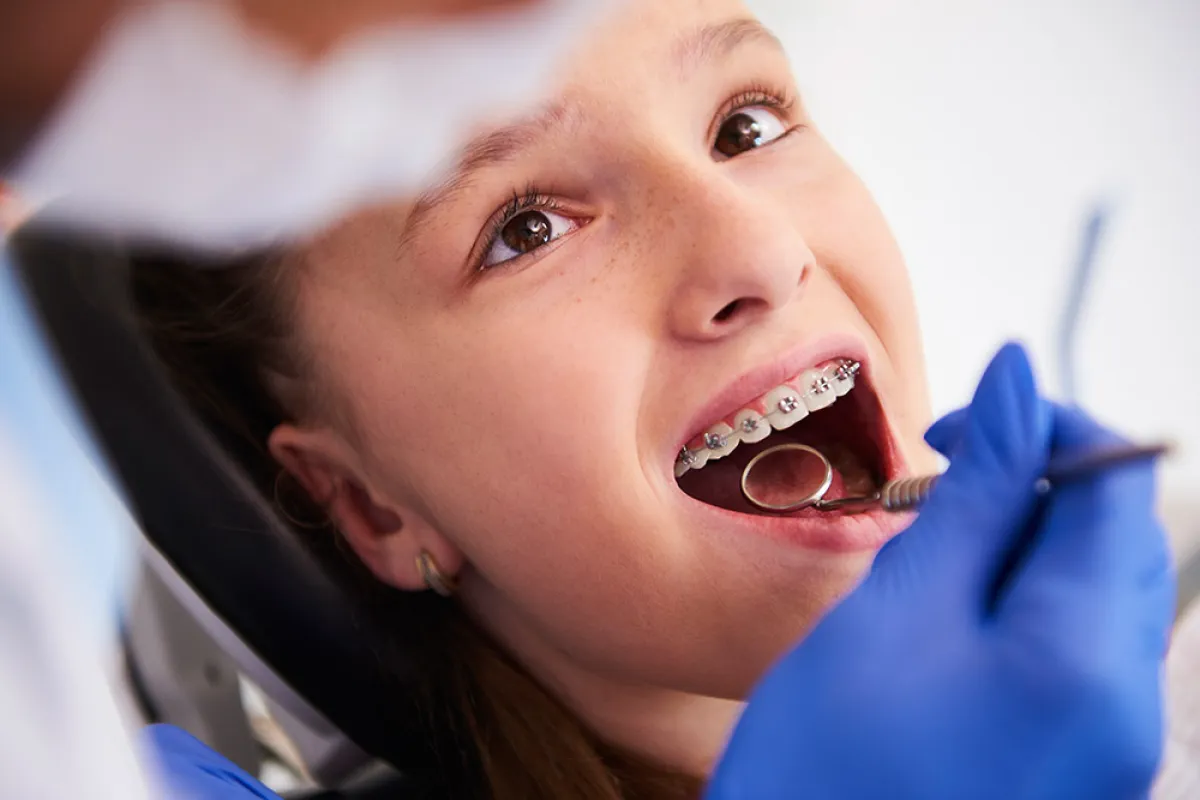
Crowding or wide spaces between teeth are among the most common signs that your child may need orthodontic treatment.
When the jaw is too small to accommodate all the teeth in their proper positions, teeth may twist, rotate, or overlap, which affects both the smile’s appearance and oral health.
Conversely, large gaps between teeth can indicate an issue with jaw development or early loss of a primary (baby) tooth.
In both situations, it is advisable to consult an orthodontist to assess the need for early intervention before the problem becomes more severe and harder to correct later on.
Protruding front teeth
Marked protrusion of the upper front teeth beyond the lower teeth is a common sign that a child may need braces.
This protrusion can increase the risk of fractures if the child falls or experiences facial trauma, and it may also affect the bite (occlusion) and facial profile.
If you notice that your child’s front teeth are significantly forward or that the upper lip does not easily cover them, it’s important to see an orthodontic specialist to determine the underlying cause—whether it’s related to habits such as thumb sucking or to jaw growth discrepancies.
Early treatment helps prevent more complex problems during adolescence.
Malocclusion (poor alignment of the jaws)
Malocclusion means that the upper and lower teeth do not fit together properly when the mouth is closed, and it is one of the key indicators that a child might need orthodontic care.
It may appear as an open bite (a gap between the front teeth when biting), a deep bite, or an underbite where the lower teeth extend in front of the upper ones.
This bite imbalance affects more than appearance; it can cause chewing difficulties, abnormal tooth wear, and jaw pain over time.
Early assessment of the bite allows the orthodontist to plan appropriate treatment to support healthy growth of the jaws and teeth.
Difficulty chewing or biting
If your child struggles to chew or bite into food, this may clearly indicate the need for orthodontic evaluation.
Bite problems, crowding, or protruding teeth can make chewing uncomfortable or even painful, leading the child to avoid certain foods or chew only on one side.
These behaviors can affect nutrition and the proper development of the jaws and teeth.
If you notice any persistent difficulty in chewing, it is important to consult a dentist or orthodontist to evaluate the bite and determine whether orthodontic treatment is needed.
Speech problems related to teeth
Some speech difficulties in children can be linked to the position of the teeth and jaws, making them another sign that orthodontic treatment may be necessary.
Protruding front teeth, wide gaps, or an open bite can interfere with the correct pronunciation of sounds such as /s/, /z/, or /r/.
If you notice that your child struggles with certain sounds, or if a speech therapist has pointed out a dental factor, it is helpful to schedule an orthodontic assessment.
Correcting tooth alignment early can contribute to clearer speech and support normal language development.
Persistent mouth breathing
Continuous mouth breathing, especially during sleep, can be an indirect sign that your child needs orthodontic evaluation or assessment of jaw growth.
Chronic mouth breathing can alter the development of the upper jaw and dental arch, leading to a narrowed upper arch or protruding front teeth.
It may also be associated with gum problems and dry mouth.
If your child keeps the mouth open most of the time or snores during sleep, it’s best to consult both a pediatrician and an orthodontist to identify the cause and develop a suitable treatment plan before it has long-term effects on oral and facial development.
Early or delayed loss of primary teeth
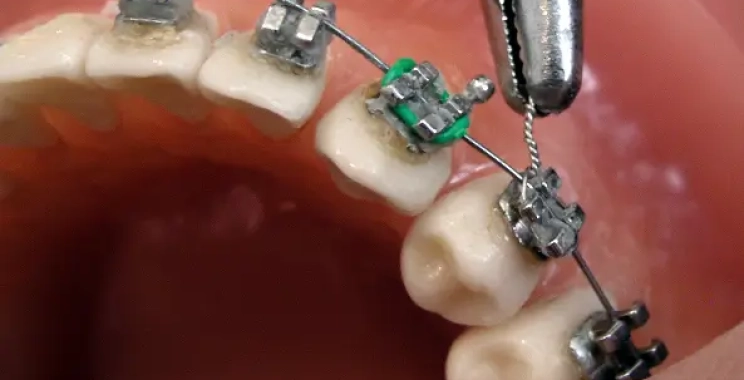
Losing primary (baby) teeth too early or much later than expected can be a sign that your child may need orthodontic treatment in the future.
Premature loss of baby teeth can cause neighboring teeth to drift into the empty space, which in turn leads to crowding when the permanent teeth erupt.
On the other hand, delayed exfoliation of primary teeth may indicate a problem with the development of permanent teeth or insufficient space in the jaw for them.
If you notice any irregularities in the timing of baby teeth loss, it is recommended to visit a dentist or orthodontist to monitor permanent tooth eruption and plan early treatment if needed.
What is the best age for children to start orthodontic treatment?
It is generally recommended that children have their first orthodontic evaluation between the ages of 7 and 9. Around this time, most permanent teeth begin to erupt, allowing the orthodontist to detect early problems such as dental crowding, protrusion of the upper or lower jaw, open bite, or crossbite.
An assessment at this stage does not necessarily mean that braces or other appliances will be started right away. Instead, the orthodontist determines the optimal time to begin treatment based on jaw growth, and the condition of both the primary (baby) and permanent teeth.
Early orthodontic intervention can help guide jaw development, create sufficient space for permanent teeth, and reduce the duration and complexity of treatment during adolescence.
Therefore, if you notice difficulty chewing, crowded teeth, or a prominent jaw, it is advisable to schedule an early consultation with an orthodontic specialist to determine whether your child needs treatment now or only periodic monitoring.
How is a child’s need for orthodontic treatment assessed?
A child’s need for orthodontic treatment is evaluated through a comprehensive examination performed by a pediatric orthodontist. The assessment usually begins with a review of the child’s medical and growth history, along with oral habits such as thumb sucking or mouth breathing. This is followed by a clinical examination of the teeth, gums, and jaws to identify issues such as dental crowding, protrusion of the upper or lower jaw, excessive spacing between teeth, or malocclusion that may affect chewing, speech, or facial appearance.
The orthodontist may then request panoramic and cephalometric X‑rays, as well as clinical photographs of the face and teeth, in addition to dental impressions or a digital scan of the jaws. These records help build an accurate picture of skeletal growth and the eruption pattern of the permanent teeth.
Based on these findings, the orthodontist determines whether the child needs treatment immediately or at a later stage, and selects the most appropriate treatment plan for the child’s age and jaw condition. This helps parents choose the right time to start orthodontic treatment and avoid either delaying necessary care or initiating therapy prematurely.
When Does a Child Need Early Orthodontic Treatment?
A child may need early orthodontic intervention when parents or the dentist notice any problem in jaw growth or tooth alignment, even before all the permanent teeth have erupted.
An initial orthodontic evaluation is generally recommended between the ages of 6 and 7. At this stage, the orthodontist can identify issues such as dental crowding, protruding front teeth, open bite, crossbite, or difficulties with chewing and speech.
Early orthodontic assessment and treatment are also advised if the child is predominantly mouth-breathing, continues thumb-sucking beyond the age of 4–5 years, or has sustained trauma to the jaw or front teeth.
Detecting problems early makes it possible to guide jaw growth in the right direction, create adequate space for permanent teeth, and reduce the need for more complex orthodontic procedures or tooth extractions in the future. Understanding when a child may require orthodontic care and consulting a specialist at the appropriate time is a key step in safeguarding the long-term health of the child’s teeth and jaws.
How long does orthodontic treatment take for children?
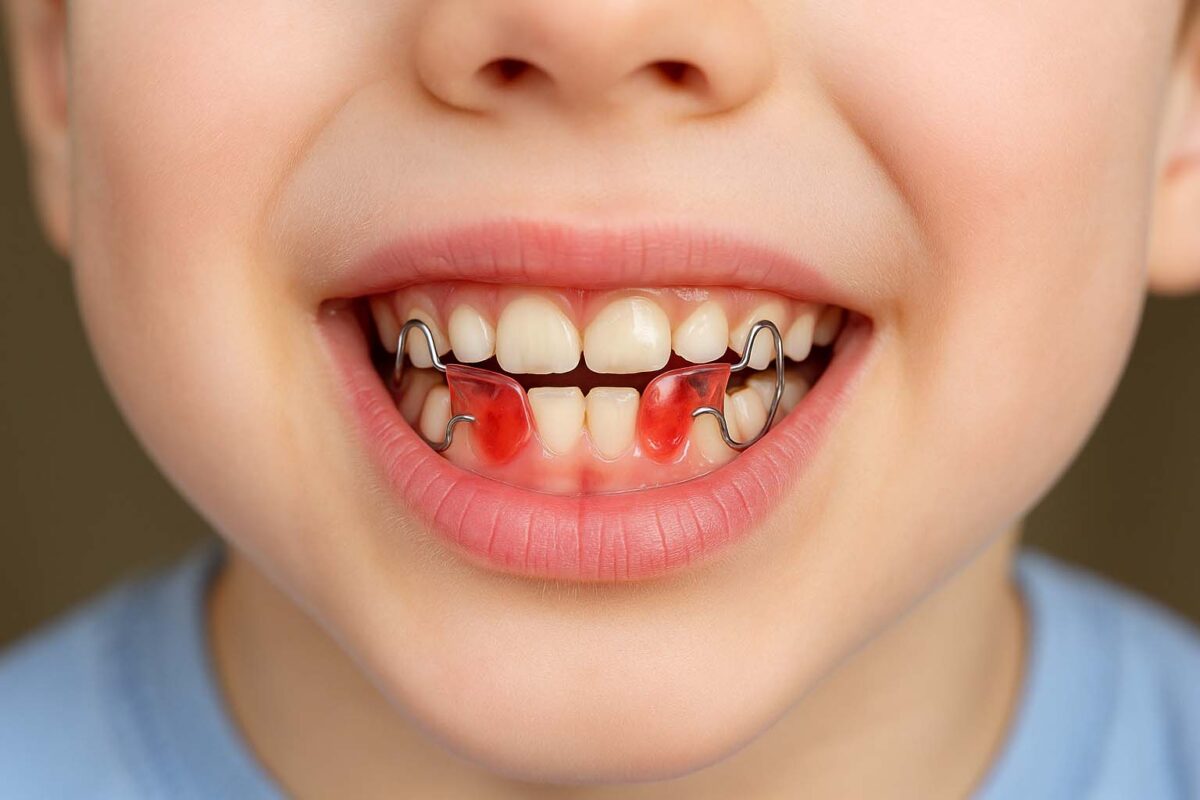
Orthodontic treatment for children typically lasts between 12 and 24 months, though it may be shorter or longer depending on each child’s case and the nature of the problem affecting jaw growth or tooth alignment.
The duration of treatment is determined by several factors, including the severity of dental crowding, the presence of wide spaces between teeth, bite problems (malocclusion), the child’s age, how well they follow instructions, and the type of appliance used—whether it is a fixed (braces) or removable appliance.
In certain specific cases, especially when early intervention is carried out at a young age to correct jaw growth problems, treatment may be planned in two phases. This can extend the total duration, but it often leads to more stable and favorable outcomes in the long term.
It’s important for parents to understand that visiting an orthodontist at the right time can help shorten the treatment period and make tooth movement easier. Therefore, it is recommended to see an orthodontic specialist if there are signs of crooked teeth, crowding, or delayed eruption of permanent teeth, so that an accurate treatment plan can be set and the expected duration for each child can be clearly explained.
Best Pediatric Dentist in Jeddah
Dr. Abdelhadi Hilali – Pediatric Dentistry Specialist
Dr. Abdelhadi Hilali is considered one of the leading pediatric dentists in Jeddah, particularly when it comes to determining the ideal timing for starting orthodontic treatment in children.
Drawing on his expertise in pediatric dentistry, he accurately assesses jaw growth and tooth eruption, and determines whether a child needs early interceptive orthodontic treatment or if it is better to wait until the permanent teeth have fully erupted.
Dr. Abdelhadi relies on thorough clinical examinations, radiographic imaging, and detailed analysis of jaw–tooth alignment, helping parents clearly understand their child’s condition and the proposed treatment plan.
Choosing a pediatric dentistry specialist like Dr. Abdelhadi in Jeddah ensures structured, regular follow‑up of the child’s oral health, and timely intervention before problems such as malocclusion or dental crowding become more complex.
This early, preventive and therapeutic approach makes visiting Dr. Abdelhadi an essential step for any family looking for the best pediatric dentist in Jeddah to determine when their child should begin orthodontic treatment.
Why Do Parents Choose Batal Dental Clinic for Children’s Orthodontics?
Parents choose Batal Dental Clinic for their children’s orthodontic care because it combines specialized pediatric orthodontic expertise with the latest digital technologies for early diagnosis of malocclusion and jaw growth disorders.
A child’s journey at the clinic starts with a comprehensive examination and a precise assessment of when orthodontic treatment should begin, along with a clear, simple explanation for parents of the most suitable treatment plan based on the child’s age and stage of growth.
The clinic offers child‑friendly orthodontic options that are comfortable and appropriate for young patients, with regular follow‑up visits to ensure proper development of the teeth and jaws, and to reduce the likelihood of needing more complex interventions in the future.
Batal Dental Clinic is also committed to creating a welcoming, fear‑free environment that helps children cooperate and feel at ease in the dental chair, making the orthodontic experience smoother, more effective, and more reassuring for parents.
This comprehensive approach provides a practical answer for parents who wonder, “When does my child need braces?” within a specialized clinic that prioritizes their child’s long‑term oral and dental health.
Book an Orthodontic Evaluation for Your Child at Batal Dental Clinic in Jeddah
If you’ve noticed crowding in your child’s teeth, a protruding jaw, or difficulty with chewing or speech, these could be early warning signs that your child needs an orthodontic assessment. Booking an orthodontic evaluation at Batal Dental Clinic in Jeddah enables you to get an accurate diagnosis and a tailored treatment plan.
During this visit, the orthodontist will clinically examine your child’s teeth and jaws, request any necessary X‑rays, and determine the ideal timing to start orthodontic treatment based on your child’s age and growth stage.
Early evaluation helps guide proper jaw development, correct bite (occlusion) problems before they worsen, and potentially shorten and simplify future orthodontic treatment.
At Batal Dental Clinic in Jeddah, every step is clearly explained to both parents and child in simple, reassuring terms. The orthodontist will walk you through the available options, such as early interceptive orthodontics for children or postponing treatment to a more appropriate age. This empowers you to make informed decisions and increases the chances of achieving long‑term, stable results.
You can easily schedule an orthodontic consultation for your child by calling the clinic or booking online, so you can choose the most convenient time and ensure the right start for your child’s healthy smile.