
How long does teeth whitening last? How long do the results last and how can you maintain them for as long as possible?

How long does teeth whitening last?
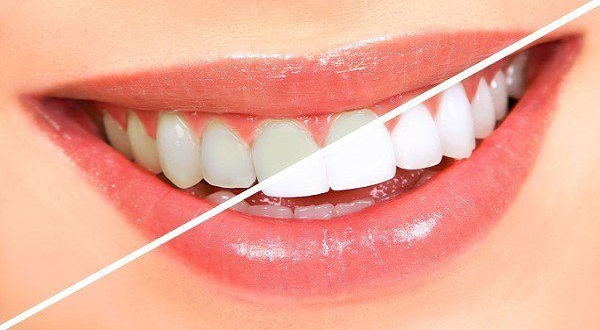
The duration of teeth whitening results varies depending on the whitening method used and the individual condition of each person’s teeth. On average, professional in‑office whitening performed by a dentist can keep teeth noticeably whiter for about 6 months up to 2 years, provided the patient follows post‑treatment instructions.
Laser whitening and other in‑office whitening procedures generally last longer than over‑the‑counter or at‑home whitening products, because they use a higher concentration of hydrogen peroxide under professional supervision.
On the other hand, whitening results tend to fade more quickly in people who frequently consume coffee, tea, or colored soft drinks, as well as smokers. In contrast, regular dental cleaning, using toothpaste formulated for whitened teeth, and limiting foods and drinks that cause staining can significantly prolong the whitening effect and help maintain a brighter tooth shade for as long as possible.
What factors influence how long teeth whitening results last?
Type of Tooth Discoloration
The type of discoloration present on the teeth plays a key role in determining how long whitening will take and how noticeable the final result will be.
Extrinsic surface stains caused by dark-colored foods and drinks typically respond quickly to both at‑home and in‑office whitening methods, which generally shortens the overall treatment time.
In contrast, intrinsic deep stains—such as those caused by medications like tetracycline or by previous dental trauma—usually require more whitening sessions or advanced in‑office techniques. These cases tend to show slower and sometimes less dramatic improvement.
For this reason, assessing the type of discoloration before starting treatment is essential to estimate the expected duration of whitening and to set realistic expectations about the outcome.
Daily Dietary Habits
Everyday eating and drinking habits directly affect how long teeth whitening results last and how stable they remain after treatment.
Frequent consumption of coffee, tea, colored soft drinks, dark juices, and foods rich in pigments such as soy sauce and ketchup leads to rapid re‑staining of the teeth, shortening the time that whitening results are maintained.
On the other hand, reducing intake of these items during and after treatment—along with drinking water after colored beverages and maintaining regular toothbrushing—helps prolong the whitening effect and preserve a lighter shade for as long as possible.
Adjusting daily dietary habits is therefore an integral part of a whitening plan, not just a secondary recommendation.
Smoking and Its Effect on Tooth Color
Smoking is one of the main factors that shortens the longevity of whitening results and undermines the effectiveness of any cosmetic dental procedure.
Nicotine and tar in cigarettes and waterpipes adhere to the enamel surface and form dark yellow or brown stains, making teeth more prone to absorbing pigments and less responsive to bleaching agents.
Even after achieving a good whitening result, continued smoking leads to the rapid return of discoloration compared with non‑smokers, significantly reducing the time the teeth remain white.
Quitting smoking—or at least significantly cutting down during and after treatment—has a clear positive impact on extending the duration of whitening results and preserving the cosmetic outcome.
Daily Oral Hygiene
The level of daily oral hygiene largely determines how long tooth whitening results will last.
Brushing twice a day with a fluoride toothpaste, combined with regular use of dental floss and mouthwash, reduces the accumulation of plaque and calculus (tartar)—two of the main factors that cause teeth to lose their whiteness quickly.
Neglecting daily oral care leads to the rapid return of yellowing and surface stains, even if the whitening method used was initially effective.
Sticking to a consistent oral hygiene routine, in addition to scheduling regular professional cleanings with the dentist, helps extend the duration of whitening results and maintain a healthy, attractive smile.
Age and Enamel Characteristics
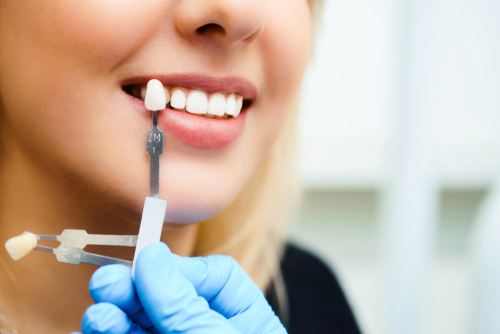
Age and the inherent nature of the tooth enamel are biological factors that influence both the duration and effectiveness of tooth whitening.
With advancing age, the enamel layer naturally becomes thinner, allowing the underlying yellowish dentin to show through more clearly. This makes teeth appear darker and less responsive to whitening, often requiring more sessions or a longer course of treatment.
Enamel thickness and its genetic characteristics also vary from person to person. Some individuals have thicker, more stain‑resistant enamel, which allows whitening results to last longer. Others have thinner or more sensitive enamel, and their results may fade more quickly.
Understanding the relationship between age, enamel quality, and tooth color helps the dentist select the most suitable whitening technique and more accurately predict the duration and outcome of treatment for each individual case.
Duration of Results for Different Teeth-Whitening Techniques
The longevity of teeth-whitening results varies according to the technique used, the condition of the teeth, and daily lifestyle habits such as coffee consumption, smoking, and oral hygiene.
In-office whitening using laser or blue light typically produces results that last from about 6 to 18 months, provided you follow your dentist’s post-treatment instructions.
At-home whitening with custom trays and professional whitening gel usually offers results that last around 6 months to 1 year. The at-home sessions can be safely repeated as directed by the dentist to maintain the desired shade.
By contrast, whitening strips and whitening toothpastes tend to have shorter-lasting effects, generally from a few weeks to several months, because they provide more superficial whitening compared to professional treatments.
Veneers and Lumineers are long-term cosmetic solutions that do not rely on chemical bleaching but on covering the front surface of the tooth; their results can last about 10 to 15 years with proper care.
To maximize the duration of teeth-whitening results, regardless of the method, it is recommended to brush twice daily, use dental floss, limit intake of staining beverages, and schedule regular checkups with your dentist.
When Do You Need Teeth Whitening Again?
Signs Your Whitening Results Are Fading
One of the clearest signs you may need to whiten your teeth again is noticing a gradual return of yellowish discoloration or a loss of the shine you achieved after your initial whitening session.
You might also see that your tooth color is no longer uniform, or that some of the old stains around the edges of your teeth are starting to reappear. This is especially common in smokers and people who consume a lot of coffee or tea.
If you start to feel that your smile looks less bright in photos or under natural light compared with the first few months after whitening, this usually indicates that the whitening effect is wearing off and you may be due for a touch‑up session.
Ongoing yellowing of the teeth despite regular brushing and flossing can also be a sign that the whitening agents are losing their effect. In this case, consulting your dentist is important before deciding to repeat a whitening treatment.
Recommended Number of Sessions
The number of whitening and re‑whitening sessions varies from one person to another, depending on the degree of discoloration, the whitening method used, and lifestyle habits.
Most patients achieve a satisfactory result after one or two in‑office whitening sessions, sometimes followed by mild at‑home maintenance under the dentist’s supervision.
When considering repeat whitening, dentists typically advise against doing intensive treatments more often than every 12–18 months on average, to minimize tooth sensitivity and protect the enamel.
The dentist may recommend fewer sessions if your teeth are already sensitive or if you regularly use at‑home whitening products. This is why you should never decide on the number of sessions on your own without a proper clinical assessment.
Can Teeth Whitening Be Done Frequently?
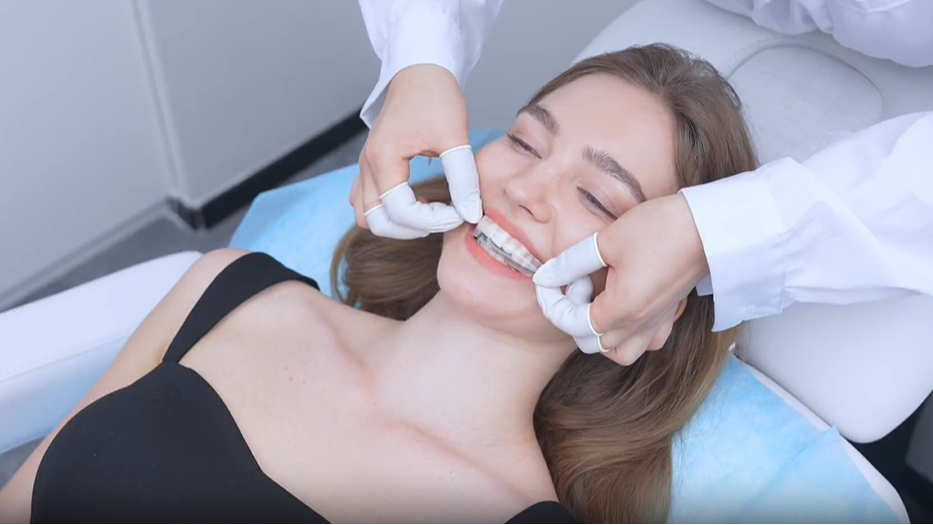
Repeat whitening is possible, but it is not a procedure that should be done randomly or at short intervals.
Overdoing whitening sessions—whether in the clinic or with high‑concentration at‑home whitening gels—can lead to increased tooth sensitivity, gum irritation, and gradual weakening of the enamel over time.
For this reason, dentists usually recommend allowing safe intervals between whitening treatments and focusing on healthy daily habits to maintain tooth color as long as possible instead of relying heavily on frequent re‑whitening.
Before repeating a whitening treatment, a clinical examination is necessary to ensure that the teeth are free of caries or cracks, as pre‑existing problems can increase the risks associated with repeated whitening.
When Does the Dentist Recommend a Touch‑Up Session?
A whitening “touch‑up” session is a milder procedure aimed at restoring some of the brightness and color achieved after the initial whitening, once some time has passed.
Dentists usually suggest a touch‑up when they notice the shade has regressed by one or two levels compared with the color obtained after the first whitening, and the patient still wishes to maintain a bright smile.
A touch‑up whitening session may be recommended around 6–12 months after the initial treatment, especially for patients exposed to strong staining factors such as smoking or daily coffee consumption.
When determining the timing of a safe and effective touch‑up, the dentist will also consider the degree of tooth sensitivity, the condition of the enamel, and how well the patient adheres to daily oral hygiene, to help preserve whitening results for as long as possible.
Do fillings and crowns affect whitening results?
Yes, fillings and crowns do affect teeth whitening outcomes, because restorative materials such as porcelain and composite resin do not respond to bleaching agents the way natural tooth enamel does.
This means that whitening will only lighten your natural teeth, while the shade of existing fillings, crowns, and bridges will remain unchanged. As a result, you may notice a mismatch in color once the whitening treatment is completed.
Dentists often recommend assessing the condition and position of existing restorations before starting any whitening procedure. In many cases, they may suggest replacing visible fillings or front crowns after whitening, to match the new shade and achieve a harmonious, natural-looking smile.
Therefore, if you have multiple fillings or crowns in the teeth that show when you smile, it’s important to discuss an appropriate treatment plan with your dentist. This should clarify how effective whitening is likely to be in your specific case, how long it may take, and how to maintain the health and integrity of your current restorations while aiming for the best aesthetic result.
Why can whitening duration vary from one person to another?
The length of a teeth-whitening course differs between individuals because of several medical and personal factors that affect how quickly the teeth respond to treatment.
The primary factor is the initial shade of the teeth and the type of discoloration present. Superficial stains caused by coffee, tea, or smoking generally respond more rapidly than deeper, intrinsic discolorations related to ageing or certain medications.
The whitening method itself also plays a key role. In-office whitening using specialized light or laser activation typically provides faster results than at-home whitening with trays or strips.
Enamel characteristics, such as its thickness and sensitivity, significantly influence how long whitening takes. People with thicker or more sensitive enamel may require a greater number of sessions, often with lower concentrations of bleaching agents to maintain safety and comfort.
Adherence to the dentist’s instructions—such as avoiding highly pigmented foods and beverages during the whitening period—directly affects how quickly clear, stable results are achieved.
Genetic factors and daily habits, including smoking and poor oral hygiene, can also prolong the whitening process or make the results less stable over time.
For these reasons, the exact duration of a whitening treatment varies from person to person and should be determined by a dentist after a thorough examination and selection of the most appropriate whitening protocol.
Why Do Patients Choose Batal Dental Clinic for Teeth Whitening?
Patients place their trust in Batal Dental Clinic for teeth whitening because the clinic follows well-designed clinical protocols that carefully balance achieving a brighter smile with preserving tooth enamel integrity and minimizing sensitivity.
The duration of in-office whitening is determined only after a thorough assessment of the teeth and gums. The clinic uses high‑quality, internationally approved professional whitening agents, which helps reduce side effects such as temporary tooth sensitivity or gum irritation.
At Batal Dental Clinic, dentists rely on advanced laser and light-activated whitening systems that shorten chair time and provide an even, long-lasting shade improvement. Patients also receive clear post-treatment instructions to help them maintain their results.
The clinic offers customized whitening plans for each patient, which may combine in-office whitening with safe, supervised at-home whitening when appropriate. This approach allows precise control over the total whitening duration and helps achieve optimal results in the fewest possible sessions.
Thanks to this meticulous, evidence-based approach, ongoing follow-up, and the expertise of cosmetic dentistry specialists, Batal Dental Clinic has become a preferred choice for anyone seeking teeth whitening that is effective, safe, and visibly noticeable from the very first session.
Book Your Professional Teeth Whitening Session at Batal Dental Clinic
If you’re wondering how long teeth whitening takes and when to schedule your session, you can book an appointment at Batal Dental Clinic to achieve a brighter smile in a single visit, typically lasting 45–60 minutes depending on your dental condition and gum sensitivity.
At Batal Dental Clinic, our dentists first assess the degree and type of tooth discoloration, then recommend the most suitable whitening method for you—either in-office teeth whitening or a dentist-supervised at-home whitening kit. They also explain the expected duration of treatment and the approximate number of sessions needed to reach a safe, natural-looking result.
The clinic uses advanced whitening systems and clinically approved materials designed to reduce sensitivity and protect the tooth enamel, along with clear post-treatment instructions to help you maintain your whitening results for as long as possible.
You can contact Batal Dental Clinic now to book your whitening appointment at a time that suits you, and to learn in advance the expected session duration and cost—ensuring a comfortable treatment experience and an aesthetically pleasing outcome.