
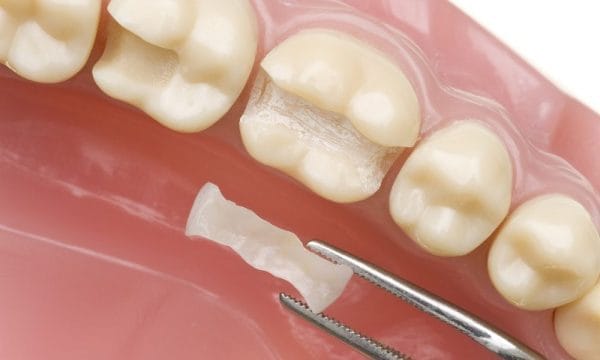

Dental restoration is one of the most common procedures in dentistry. It generally refers to fillings made from specific materials that a dentist places to repair tooth decay or defects on the tooth surface. These restorations are essentially fillings that restore the tooth to its normal shape and function.At Batal Dental Center in Jeddah, Saudi Arabia, patients can receive professional guidance on the causes of tooth discoloration, how to restore broken teeth, and how to maintain good oral health and a bright, attractive smile.Read also: Everything You Need to Know About Tooth Discoloration and Treatment Options for Changing Tooth Color
What Is Dental Restoration?
Dental restoration is a term that covers several different methods dentists use to replace missing teeth or repair lost portions of tooth structure.Tooth structure may be lost due to decay, breakdown of an old restoration, or a fracture in the tooth.There are multiple restorative techniques that must be highlighted. The dentists at Batal Specialized Center use these methods with a high level of professionalism, which is why we encourage you to contact the center’s doctors and schedule an appointment as soon as possible to prevent potential dental problems.Read also: Broken Tooth Restoration
Methods of Dental Restoration
The main methods used in natural dental restoration include the following:
Dental Fillings
Fillings are the most common type of dental restoration. Teeth can be filled with gold amalgam, silver amalgam, or tooth‑colored plastic materials known as composite resin fillings.
Dental Crowns
A crown is a tooth‑shaped cap placed over a tooth to restore its shape, size, strength, and appearance. Crowns can also be used to support a dental bridge or to cover a dental implant.
Dental Bridges
Bridges are artificial teeth designed to fill the gap created by one or more missing teeth. They are typically anchored on both sides by crowns placed on the neighboring teeth and are cemented in place as a fixed, non‑removable restoration.
Dental Implants
Implants are artificial tooth roots. A dental implant is a small metal post surgically placed into the jawbone in the area of the missing tooth. After it integrates with the bone, it can support a crown, bridge, or denture.
Dentures
Dentures are removable replacements for missing teeth and surrounding tissues. They are usually made of acrylic resin and sometimes reinforced with metal components.Complete dentures replace all teeth in one or both jaws, while partial dentures are used when some natural teeth remain. Partial dentures are typically held in place with metal clasps that attach to the existing natural teeth.Read also: Everything You Need to Know About Mercury (Amalgam) Fillings
Tips to Help Avoid the Need for Restoration
With a few simple lifestyle changes, patients can improve their oral health and help remineralize enamel that has experienced minor erosion. In this sense, supporting the natural restoration of teeth is possible.Here are some easy steps you can start implementing today to see improvement:
Increase Mineral‑Rich Foods and Drinks
Consuming foods and beverages that are naturally rich in beneficial minerals helps reduce the porosity of tooth enamel.When mineral‑dense foods are added to a patient’s diet, the process of enamel remineralization becomes easier and more effective.
Use Fluoride Toothpaste
Brushing with a fluoride‑containing toothpaste can make teeth more resistant to acid attacks and support the natural remineralization of enamel.
Adopt Consistent Oral Care Habits
Dental restoration can be a complex process, but the patient’s own efforts play a crucial role. Paying attention to daily habits and making small adjustments—such as proper brushing, flossing, limiting sugary snacks, and regular dental checkups—can have major long‑term benefits for oral health and may reduce the need for extensive restorative work.
Cost of Dental Restoration

The costs associated with full‑mouth reconstruction or extensive dental restoration can vary depending on the specific procedures required, the experience and expertise of the dental professionals, and any additional complications that may arise during treatment.As mentioned, costs can differ significantly from one person to another based on individual factors. It is essential to consult a dentist to receive a personalized treatment plan and accurate cost estimate.It is also important to maintain regular checkups with your dentist. Additionally, asking questions and discussing your concerns with the dentist before making major changes to your dental routine is crucial.Choosing an experienced dentist in restorative procedures is key. We recommend the specialists at Batal Specialized Center, where there is a qualified medical team with extensive experience in a wide range of similar and complex cases.Read also: Treatment of Dental Caries (Tooth Cavities)