
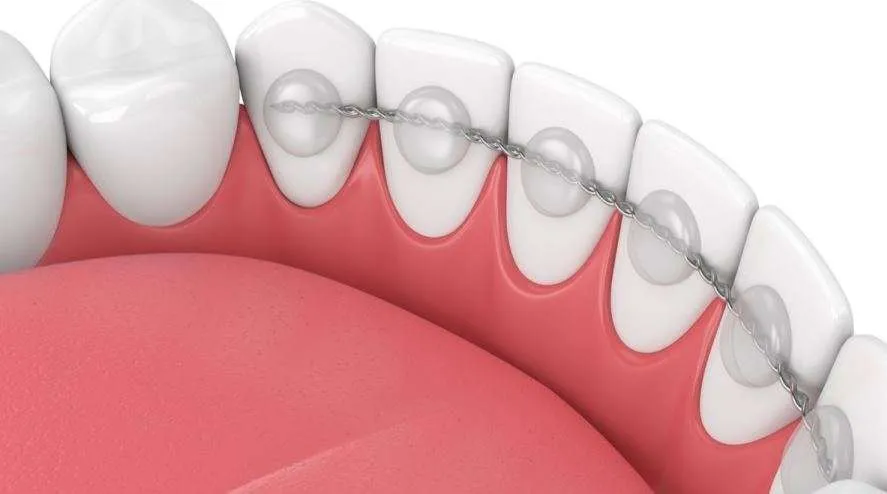

Retainers are used after orthodontic treatment to keep teeth in their new positions after they have been moved. Orthodontists usually prescribe retainers once braces are removed, as the final stage of orthodontic care.A retainer can also be worn to prevent natural, age‑related tooth movement, even in cases that are not directly related to wearing braces in the past.For more information about wearing a retainer after braces, you can contact Batal Dental Center in Saudi Arabia and book an appointment. Their clinical team can answer any questions patients may have.Read also: Everything You Need to Know About Teeth Cleaning with an Airflow SystemThe main reason for wearing a retainer after braces is to prevent the teeth from shifting back toward their original positions.The “retention phase” of orthodontic treatment starts immediately after braces are removed, and has been proven to help maintain the results achieved during active treatment.Read also: Protecting Oral Health | How to Recognize Dental Emergencies
Main Reasons Teeth Move After Finishing Orthodontic Treatment
There are three primary reasons why teeth may shift after orthodontic treatment is completed:Read also: What Is Composite Resin? | Why Do We Need Composite Resin Fillings?
What Are the Different Types of Orthodontic Retainers?
The main types of orthodontic retainers include:1. **Clear (Invisible) Retainer** This is a transparent plastic tray that fits closely over all the teeth. It is often referred to as an “invisible retainer.” From an aesthetic standpoint, it is very discreet, which makes it a popular option for many patients.2. **Hawley Retainer** This is one of the most common types of retainers used by orthodontists. It consists of an acrylic base that rests on the palate (roof of the mouth) and a metal wire that wraps around the front teeth. It is considered a good cosmetic option for children, teenagers, and adults who are concerned about appearance.3. **Hawley‑Type Retainer with Modified Design** This type is similar to the traditional Hawley retainer. A metal wire encircles the teeth, and the acrylic base uses the soft tissues for support.4. **Spring Retainer** This is an acrylic‑based retainer that includes a spring‑like wire component. A spring retainer is often used for minor tooth movements—either after orthodontic treatment to fine‑tune the bite, or instead of braces in very mild cases.Read also: Jaw Pain from Wisdom Teeth | Causes, Home Remedies, and When to See a Dentist
Benefits of Removable Retainers
Removable retainers offer several advantages, along with some drawbacks. Among the key points:– They can be taken out for eating, brushing, and flossing, which makes oral hygiene easier. – They are relatively easy to clean and maintain. – Clear removable retainers, in particular, are more aesthetic and less noticeable.However, the main disadvantage of removable retainers is that they only work if the patient wears them as instructed. Most cases of orthodontic relapse occur simply because patients stop wearing their retainers.Read also: How to Avoid Common Dental Implant Problems
Cost of a Retainer After Braces
The cost of an orthodontic retainer depends on the type of retainer and any additional services provided by the clinic when it is issued. These may include follow‑up checkup visits and the orthodontist’s level of experience and reputation.To get more specific information, it is recommended to visit the dental clinic at Batal Dental Center, which has a team of experienced specialists. It is best to consult an orthodontist in person to determine the type of retainer that best suits the patient’s needs.Read also: Dental Checkups | How Often Should You Get Them?
Frequently Asked Questions
Can you wear an orthodontic retainer without having braces first?
Yes. Some people use a retainer without having undergone orthodontic treatment, to reduce or prevent unwanted tooth movement.
Do I have to wear my retainer all the time?
Retainer wear instructions vary depending on whether the orthodontist recommends full‑time retention or limited (night‑time or part‑time) retention. Always follow your orthodontist’s specific guidance.
How long should retainers be worn after braces?

After about one year of consistent wear, many orthodontists allow patients to start using their retainers a few nights per week—typically around 4–5 nights weekly.