

After tooth extraction, there are several important steps you should follow to maintain good oral health. This topic matters to many people because proper care can help prevent complications during and after the procedure. Be sure to visit Batal Dental Center in Saudi Arabia regularly, as this plays a key role in preserving your oral health.Read also: Root Canal Treatment Procedure and How It’s Done
What Is Tooth Extraction?
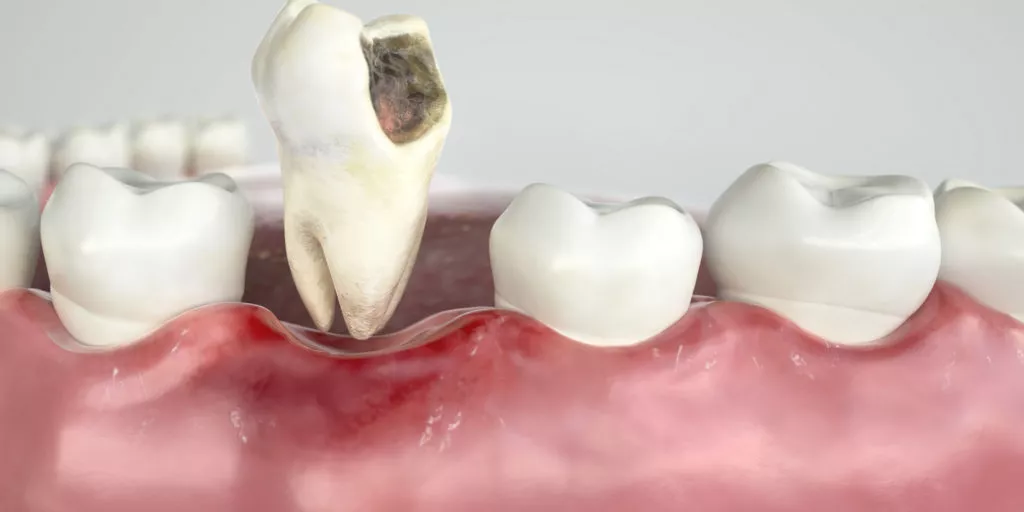
Tooth extraction is a dental procedure in which one or more teeth are removed from their socket in the jawbone. Your dentist will determine whether you need a simple extraction or a surgical extraction.There are many reasons a tooth may need to be removed. It might be due to an impacted wisdom tooth that is damaging the neighboring healthy teeth, or in some cases, due to severe tooth decay where extraction is the only viable option.In situations involving dental crowding, a dentist may recommend extracting one or more teeth to create enough space in the mouth, allowing for a healthier, more aligned smile. In some cases, your dentist may advise that extraction is not necessary.However, delaying necessary treatment can lead to further complications in the future, such as gum disease, bite problems, jaw issues, and shifting of the remaining teeth.Read also: Digital Smile Design | What It Is and Its Benefits
What Should You Do After Tooth Extraction?
To avoid complications at the extraction site, it is important to follow specific aftercare instructions. Here’s what to do after having a tooth removed:Rest is one of the most important parts of the recovery period, especially during the first 24 hours after the procedure. Avoid any strenuous physical activity that might dislodge the blood clot.Eat soft, nutritious foods to help speed up the healing process. Suitable options include soft fruits such as avocado and mashed or blended bananas, applesauce, yogurt, mashed potatoes, and blended soups.Immediately after the tooth is removed, you should bite down gently on a piece of gauze for about 30–60 minutes. This helps the extraction site form a blood clot. This clotting is both normal and essential for healing; the blood clot acts as a protective barrier over the socket.If the clot is disturbed, the underlying bone and nerves can be exposed to air, food, or liquids, which can lead to infection and a painful condition known as dry socket.Once the blood clot has formed, staying well-hydrated is critical for proper recovery, so drink plenty of water. You can also use a mild saline solution after the extraction, as advised by your dentist.You may take any prescribed pain medication according to your dentist’s instructions. Swelling is common after an extraction; you can place an ice pack on the outside of your face for 15–20 minutes at a time to help reduce it.After a clot has clearly formed, you can gently rinse your mouth with warm salt water to help reduce the risk of infection. Do this carefully so you do not disturb the clot.Read also:
What Should You Avoid After Tooth Extraction?
Here are the things you should not do after a tooth extraction:Using straws or creating strong suction in the mouth can dislodge the blood clot from the socket, leading to a dry socket.Forceful spitting can also disturb or remove the blood clot.Smoking is known to slow healing at the surgical site and significantly increases the risk of complications.Avoid chewy, crunchy, or spicy foods for at least the first 24 hours after extraction. Also stay away from foods with small particles, such as grains and seeds, because they can irritate or lodge in the extraction site.Read also: Candidates for Invisalign Treatment | Is It the Right Choice for You?
Possible Complications During Tooth Extraction
Some of the potential complications that can occur during a tooth extraction include:Incomplete removal of tooth fragments or root tips, which may cause problems later on. An exposed root can injure the gums or surrounding teeth.In rare cases, an extraction can result in damage to the nerve supplying the tooth. This may lead to long-term or even permanent numbness or tingling in the affected area.If a severely damaged tooth is not fully removed during the procedure, this increases the risk of infection and can lead to serious oral health complications.Read also: The Secret to Maintaining Invisalign Results | How to Keep Your Teeth Straight After Treatment
Possible Complications After Tooth Extraction

Tooth extraction is a common procedure and is usually performed without serious complications. However, like any medical procedure, it carries certain risks, which may include:To ensure your treatment is as safe and effective as possible, we recommend visiting Batal Dental Center in Saudi Arabia.Read also: Do Dental Implants Cause Problems? 5 Common Complications You Can Avoid with Batal Dental CenterThe dental clinic at Batal Specialized Complex is equipped with advanced tools and technology to help anyone suffering from tooth pain get relief under the care of highly skilled dentists. Do not hesitate to book an appointment at the dental clinic of Batal Specialized Complex.Read also: Tooth Enamel Erosion | Causes, Diagnosis, and Treatment