

When it comes to the duration of orthodontic treatment (braces), correcting misaligned teeth usually involves wearing braces or other orthodontic appliances for an extended period of time. How long you need to wear braces varies based on your specific treatment needs, and your own habits and behavior can also affect the total treatment time.Always follow your orthodontist’s instructions and maintain healthy habits while wearing braces. This can improve the effectiveness of your treatment plan and help you avoid spending extra months in braces.
How Long Do Braces Take? | Orthodontic Treatment Duration
On average, orthodontic treatment with braces takes about 1 to 3 years. However, you may need a shorter or longer period depending on your individual case. The following factors can influence how long you’ll need to wear braces:
The Degree of Tooth Misalignment
A common reason for getting braces is having crowded, protruding, or widely spaced teeth. These problems should be treated to help prevent tooth decay, gum disease, and enamel wear.The length of time you’ll need braces to correct these issues depends on how severe they are. For example, aligning your teeth may sometimes require tooth extractions to create more space in your mouth.
Your Bite
The way your upper and lower teeth come together is called your “bite.” Your bite may not be aligned properly, and you might need treatment for one of several types of malocclusion (bite problems), such as:– Overbite – Underbite – Crossbite – Open biteCorrecting bite problems with braces often takes longer than simply straightening crooked teeth.Read also: How Many Teeth Do Humans Have?
Types of Braces
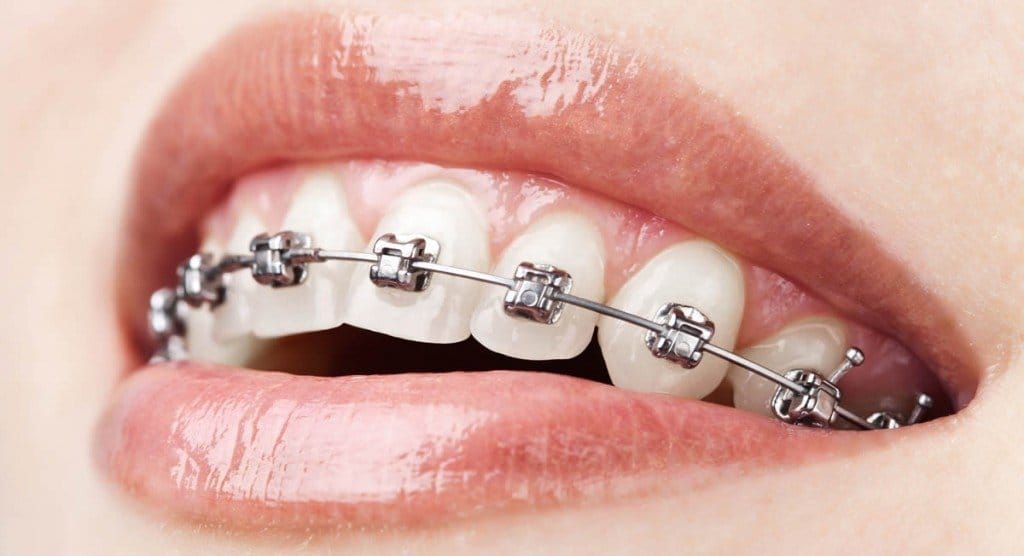
There are several types of orthodontic treatments, and the type of braces you choose can affect how long your treatment takes, such as:– Traditional metal braces – Ceramic braces – Lingual braces (placed on the inner surface of the teeth) – Clear aligners (e.g., Invisalign and similar systems)Each option has its own advantages, limitations, and typical treatment times.Read also: Everything You Need to Know About Zirconia Dental Crowns
Additional Orthodontic Appliances
Your orthodontic treatment may involve more than just braces, and these extra appliances can also influence the length of your treatment plan. Some common additional orthodontic appliances include:– Palatal expanders – Space maintainers – Elastics (rubber bands) – Headgear – Temporary anchorage devices (TADs)Read also: Detailed Differences Between Dental Cleaning and Polishing
What to Do and What to Avoid During Orthodontic Treatment
Always follow your orthodontist’s instructions to keep your treatment with braces as smooth and effective as possible. Below are examples of what you should do and what you should avoid; your orthodontist may give you additional personalized recommendations to help ensure successful treatment.
Do
– Maintain excellent oral hygiene by brushing and flossing carefully around braces. – Use any special brushes, floss threaders, or mouth rinses recommended by your orthodontist. – Keep all scheduled orthodontic appointments and follow-up visits. – Wear elastics (rubber bands) or other removable appliances exactly as instructed. – Follow dietary guidelines and choose soft, braces-friendly foods when needed.
Don’t
– Don’t eat hard, sticky, or chewy foods that can bend wires or break brackets (such as hard candy, caramel, gum, popcorn kernels, or ice). – Don’t bite your nails, chew on pens, or open packages with your teeth. – Don’t skip appointments or delay repairs if a wire or bracket breaks. – Don’t neglect your oral hygiene, as this can lead to cavities, gum disease, or white spots on the teeth.Read also: Immediate Dental Implants | Everything You Need to Know
What Are the Benefits of Braces?
Braces offer several important benefits, including:– Straighter, more aesthetically pleasing teeth – Improved bite function and chewing efficiency – Reduced risk of tooth decay and gum disease due to easier cleaning – Decreased abnormal wear of tooth enamel – Better jaw alignment, which may help with jaw pain or temporomandibular joint (TMJ) issues – Enhanced self-confidence and smile appearanceRead also: What Are Dental Crowns and How Are They Placed?
When Should I Talk to a Dentist?

Communicate clearly with your orthodontist throughout your entire treatment. This is especially important if you notice any problems, or if you experience unexpected pain, discomfort, or issues with your braces such as loose wires or brackets. It’s normal to feel some discomfort when your orthodontist tightens or adjusts your braces, but severe pain—especially if it lasts for hours or days after the adjustment—should be reported.In such cases, your orthodontist may be able to slightly loosen the braces and refer you to your general dentist if there are underlying dental issues causing additional pain. Talk to your doctor or dentist if you notice any unusual or abnormal changes in your teeth, jaw, or any other part of your mouth during treatment.The dental clinic at Batal Specialized Complex is equipped with advanced tools and devices to help anyone suffering from tooth pain receive effective, high‑quality care from highly skilled dentists. Don’t hesitate to book an appointment at the dental clinic in Batal Specialized Complex.Read also: Plaque Removal and Tartar Cleaning for Teeth