

Is Dental Anesthesia Safe for Children?
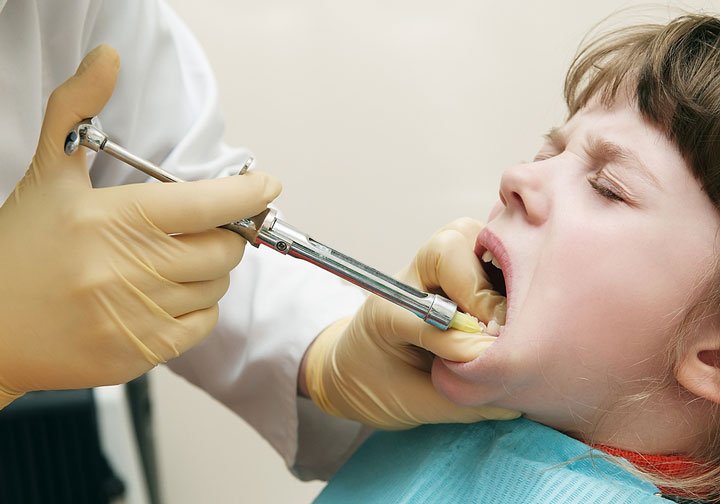
Dental anesthesia is generally considered safe for children when administered by a qualified pediatric dentist, using carefully calculated doses appropriate for the child’s age and weight.
The safety of dental anesthesia depends on a thorough pre‑treatment evaluation of the child’s overall health, including asking parents about any previous reactions to anesthetic drugs or the presence of chronic conditions such as asthma or heart disease.
Pediatric dentists use local or general anesthetics formulated and dosed specifically for children, while closely monitoring the child’s vital signs throughout the procedure to minimize any potential risks.
Common side effects of dental anesthesia in children include temporary numbness of the lip or tongue and mild drowsiness, which usually resolve within a few hours.
To further enhance safety, the dentist follows evidence‑based guidelines issued by international professional associations, and provides parents with clear pre‑ and post‑anesthesia instructions—such as fasting for a certain period before general anesthesia and observing the child carefully after the appointment.
When anesthesia is administered in a reputable clinic by a trained professional, dental anesthesia for children is considered safe and often essential for relieving pain and anxiety, allowing dental treatment to be carried out comfortably and effectively.
When Does a Child Need Dental Anesthesia?
Children with severe dental anxiety
Sometimes a child’s fear of the dentist or the sound of dental instruments is so intense that it prevents any cooperation during treatment. In such cases, the child may need dental sedation to ensure a safe and comfortable procedure.
Sedation in these situations is used to help the child go through dental treatment without excessive stress or psychological trauma, especially when several teeth need fillings or when pulp treatment (root canal therapy for baby teeth) is required in a single visit.
Using dental sedation for highly anxious children makes it possible to complete treatment accurately and safely, and reduces sudden movements that could put the child at risk of injury or interfere with the dentist’s ability to carry out the procedure properly.
For this reason, the pediatric dentist evaluates the child’s level of anxiety and fear, and then decides whether minimal sedation, mild sedatives, or general anesthesia is the most appropriate option for the child’s condition.
Very young children
Very young children, especially those under 4–5 years of age, often do not have the ability to understand what is happening in the dental clinic or to follow instructions during treatment.
At this age, it can be difficult for a child to sit still long enough to complete a dental filling or manage deep tooth decay, which sometimes makes sedation necessary to ensure successful treatment.
A child may need dental sedation at an early age when there are multiple carious lesions or severe pain that requires urgent treatment and cannot be postponed until the child is older and more cooperative.
Dental sedation in very young children is carried out according to strict medical protocols, with carefully calculated dosages and continuous monitoring of vital signs throughout the procedure to maintain the highest level of safety.
Complex or lengthy dental procedures
When a child needs complex or prolonged dental treatment—such as treating several teeth in one session, performing pulp therapy on multiple primary teeth, or minor surgical procedures involving the gums—sedation may be an appropriate option.
In these situations, dental sedation helps children complete the entire treatment plan in a single visit or in fewer visits, instead of many appointments that can be exhausting both emotionally and physically.
A child may need dental sedation for lengthy procedures to reduce involuntary movements caused by fatigue or boredom, allowing the dentist to work with greater precision and lowering the risk of complications.
The decision to use sedation depends on the duration of the procedure, the child’s age, overall health status, and the nature of the required treatment, and is made by the pediatric dentist in coordination with an anesthesiologist when needed.
Children with special needs
Children with special needs—such as those with autism spectrum disorder, intellectual disability, or movement disorders—may have great difficulty accepting dental treatment in the usual way.
In this group, it can be challenging for the child to sit calmly or understand the dentist’s instructions, which may lead to stress and sudden movements while dental instruments are being used.
Therefore, children with special needs often require dental sedation so that the dentist can safely provide the necessary care, such as deep cleaning, dental fillings, extraction of severely damaged teeth, or treatment of oral infections.
Dental sedation for children with special needs is an important tool to reduce psychological stress for both the child and the family, and to ensure that the child receives comprehensive and safe dental care, taking into account their medical condition and any medications they are taking.
Types of Anesthesia Used in Pediatric Dentistry
In pediatric dentistry, the type of anesthesia is carefully selected based on the child’s age, level of cooperation, and the nature of the procedure, to ensure that dental anesthesia for children is as safe as possible.
Local anesthesia is most commonly used to numb a small area of the mouth during procedures such as dental fillings or pulp therapy, and it is considered the safest option with the least systemic effect on the child.
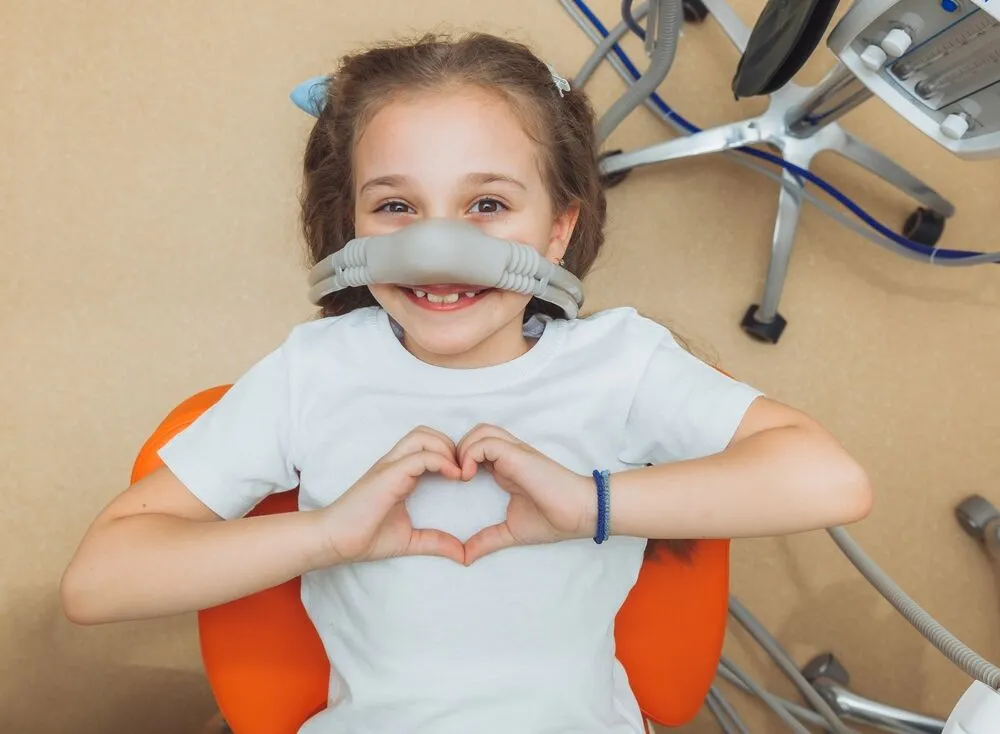
For children who experience significant fear or anxiety, nitrous oxide sedation (commonly known as “laughing gas”) can be used. It helps the child relax while remaining awake and able to cooperate, and is regarded as a safe option when administered in controlled doses.
Mild to moderate pharmacological sedation, administered orally or intravenously, is another option for uncooperative children or those requiring multiple treatments in a single visit. During such procedures, the child’s vital signs are closely monitored throughout.
General anesthesia is reserved for specific situations, such as very young children, those with special needs, or when extensive and complex dental treatment is required. It is administered exclusively in a properly equipped setting under the supervision of a pediatric anesthesiologist to ensure the highest level of safety.
Through this graduated spectrum of anesthetic options in pediatric dentistry, the dentist can select the most appropriate and safest modality for each child, achieving an optimal balance between the child’s comfort, safety, and the quality of care provided.
Who decides the appropriate type of anesthesia for a child?
What are the potential risks and side effects of anesthesia?
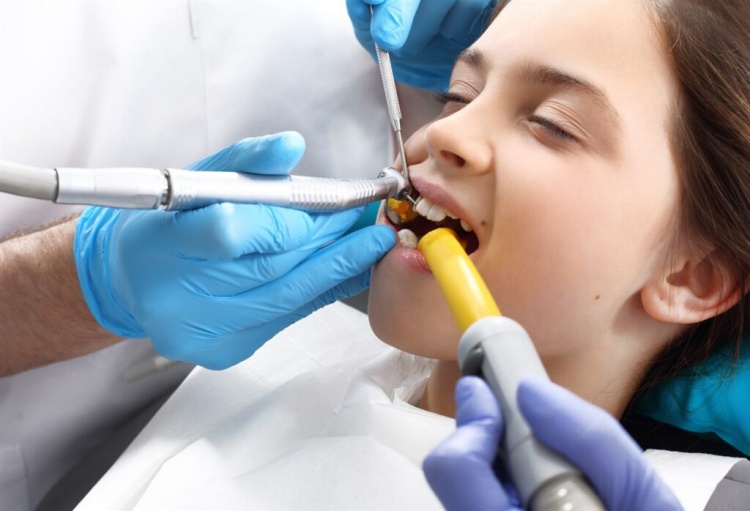
Dental anesthesia in children may cause some temporary side effects such as dizziness, nausea, vomiting, dry mouth, or a tingling/numb sensation in the lips and tongue after the procedure. These are usually mild symptoms that resolve within a few hours.
In rare cases, a child may develop an allergic reaction to anesthetic drugs, which can appear as a skin rash, difficulty breathing, or swelling of the face. In such situations, the anesthesiologist intervenes immediately to manage the reaction.
There are also less common risks, such as transient heart rhythm disturbances or low blood pressure. For this reason, the child is carefully assessed beforehand, including medical history, current medications, and overall health status, before anesthesia is administered.
When anesthesia is provided in a reputable dental clinic by a qualified team and with appropriate monitoring of vital signs, the risks of anesthesia in children are very low compared to the benefits, which include reducing the child’s anxiety and allowing safe and comfortable treatment of tooth decay and other oral problems.
Common, Short‑Term Side Effects
Anesthesia used for children in dental clinics usually causes mild, short‑lived side effects that resolve within a few hours up to one day.
After local anesthesia, a child may feel numbness in the lips, tongue, or cheek. This is expected and goes away as the anesthetic wears off.
Following general anesthesia or intravenous (IV) sedation for more complex dental procedures, parents may notice increased sleepiness, mild dizziness, slight nausea or occasional vomiting, and a dry mouth. These are predictable side effects and do not necessarily indicate a serious problem.
It is also common for children to be irritable or easily upset after waking up from anesthesia, due to temporary changes in blood pressure and stress hormones. This usually improves within two to three hours with rest and adequate fluid intake.
When parents follow the instructions provided by the dentist and the anesthesiologist before and after the procedure, these side effects remain a normal part of treatment and do not pose any long‑term risk to the child’s health.
Rare Complications
Although dental anesthesia in children is considered very safe when medical standards are followed, rare complications can still occur, and doctors take great care to prevent them.
These may include severe allergic reactions to anesthetic drugs, breathing difficulties, or a sudden drop in blood pressure. Such events are uncommon and are usually detected early thanks to the presence of an anesthesiologist and continuous monitoring equipment.
In very specific cases, a child might develop seizures or cardiac arrhythmias, especially if there is an undiagnosed heart or neurological condition. For this reason, a thorough pre‑anesthetic assessment is essential to reduce these risks.
Using an incorrect dose or injecting the anesthetic in the wrong location can sometimes cause bruising or temporary nerve injury, but these situations are rare, and most cases improve gradually without permanent damage.
These rare complications highlight the importance of performing pediatric dental anesthesia only in well‑equipped facilities, under the supervision of a team experienced in anesthesia for children.
When Should You Contact the Doctor?
After dental anesthesia, parents should closely observe their child during the first few hours and contact the doctor immediately if any unusual signs appear.
You should seek medical help if your child has repeated vomiting that lasts more than 4–6 hours, is unable to drink fluids, or shows clear signs of dehydration such as very dry mouth and lips.
Difficulty breathing, wheezing, bluish discoloration of the lips or face, or profound drowsiness where the child is hard to wake up are warning signs that require urgent evaluation in the emergency department.
Likewise, if the child complains of severe pain at the injection site, has persistent numbness of the lips or tongue lasting more than 24–48 hours, or develops unusual swelling of the face or inside the mouth, it is advisable to see the dentist or anesthesiologist for assessment.
Early communication with the doctor whenever any worrying symptom appears allows for prompt management of potential risks related to anesthesia and provides parents with greater reassurance about their child’s safety.
How Are the Risks Minimized?
Reducing anesthesia‑related risks and side effects in children starts with choosing an experienced pediatric dentist and anesthesiologist who work in a facility equipped with appropriate monitoring, airway, and resuscitation equipment suitable for the child’s age and weight.
The doctor will take a detailed medical history, including any heart or lung conditions, allergies, or chronic medications. This information is crucial in selecting the safest type and dose of anesthesia.
Following fasting instructions before general anesthesia or IV sedation—such as avoiding food and drinks for a specified period—greatly reduces the risk of vomiting and aspiration of stomach contents into the airway.
During the procedure, the child’s heart rate, blood pressure, and oxygen saturation are continuously monitored. This allows for immediate intervention if any abnormal change occurs, thereby limiting serious complications.
After anesthesia, the child remains under observation until fully awake, able to drink, and move safely. Parents are given clear home‑care instructions. When performed according to established medical protocols, dental anesthesia for children is generally a very safe procedure.
Which children are not good candidates for certain types of anesthesia?
.
Chronic Respiratory Diseases
Children with chronic respiratory conditions such as uncontrolled asthma, cystic fibrosis, or chronic bronchial disease may not be suitable candidates for certain types of anesthesia used in pediatric dental clinics.
These conditions make the airway more reactive and increase the risk of bronchospasm or breathing difficulties during or after dental anesthesia.
In such cases, the anesthesiologist will often prefer using local anesthesia or mild sedation instead of deep sedation or general anesthesia, and will usually request prior assessment of lung function and develop an individualized, safe plan tailored to the child’s condition.
Therefore, if your child has a chronic respiratory disease, it is essential to inform both the dentist and the anesthesiologist in detail before any dental procedure requiring anesthesia, in order to minimize the risks.
Heart Diseases and Special Cardiac Conditions
Children with certain congenital heart diseases, cardiac arrhythmias, or heart failure may not be suitable for some forms of anesthesia, especially general anesthesia or strong sedatives used in pediatric dental treatment.
Anesthetic drugs can affect blood pressure and heart rate, which makes it crucial to choose the appropriate medications and dosages with great care.
In these situations, the child needs thorough evaluation by a pediatric cardiologist and an anesthesiologist before any procedure, and dental treatment may be recommended in a well-equipped hospital rather than a regular clinic, with continuous monitoring of cardiac function throughout dental anesthesia.
The clearer and more complete the medical information about the child’s heart condition, the easier it is to select a safe anesthetic technique and reduce the likelihood of complications.
Drug Allergies
Some children have known allergies to anesthetic agents, antibiotics, or pain medications, and these patients may be unsuitable for certain anesthetic options used in pediatric dentistry.
Allergic reactions may range from a mild skin rash to severe, life‑threatening reactions such as difficulty breathing or a sudden, marked drop in blood pressure (anaphylactic shock). For this reason, the child’s allergy history is a critical factor in determining the safest type of anesthesia.
It is essential to inform the dentist and the anesthesiologist of any previous allergic reactions your child has experienced after taking a medication or following anesthesia, and to mention the name of the drug whenever possible.
Based on this information, the medical team can choose safer alternatives from the same drug class, or apply special anesthesia protocols designed to reduce the risk of allergic reactions during dental procedures.
The Importance of Pre‑Anesthesia Medical Evaluation
A comprehensive medical assessment before any dental procedure requiring anesthesia in children is the key step in identifying which children are not suitable for certain anesthetic techniques.
This evaluation includes asking the parents detailed questions about the child’s medical history, such as the presence of chronic diseases, medications taken regularly, drug or food allergies, and any complications that may have occurred with previous anesthesia.
The physician may also request additional tests, such as blood work, an electrocardiogram (ECG), or pulmonary function tests, especially if the child has known chronic conditions.
This thorough assessment helps the anesthesiologist choose the most appropriate type and dose of anesthesia, and determine whether the child can be treated safely in a dental clinic, requires a hospital setting, or needs to have the procedure postponed until their health status is optimized.
The more accurate and detailed the medical evaluation, the safer and more individualized pediatric dental anesthesia will be for each child.
How to Prepare Your Child for Dental Anesthesia
To ensure that dental anesthesia for children is safe and effective, preparation should begin at home before visiting the dentist.
First, make sure you inform the dentist in detail about your child’s medical history, including any drug allergies, heart or breathing problems, or any medications they are currently taking. These details directly affect the choice and dosage of the dental anesthetic.
Follow the dentist’s instructions carefully regarding eating and drinking before the appointment. In some cases, your child may need to fast for several hours to reduce the risk of vomiting or aspiration during anesthesia.
Prepare your child emotionally by giving a simple, age-appropriate explanation that the dental visit will help get rid of the pain, and that the anesthesia will make the procedure comfortable and pain-free. Avoid using the dentist or the clinic as a way to threaten or scare the child.
It is also important to dress your child in loose, comfortable clothing so the medical team can easily place monitoring devices such as heart rate and blood pressure cuffs.
If the anesthesia will be deeper than simple local anesthesia, arrange for a parent or another responsible adult to stay with the child before and after the procedure, provide safe transportation by car, and avoid strenuous physical activity on the same day.
Following these simple steps improves the safety of dental anesthesia and reduces anxiety for both child and parents. Choosing a qualified pediatric dentist and a well-equipped clinic is also essential to making the anesthesia experience safer and more reassuring.
What Happens During Dental Anesthesia for Children?
In‑clinic anesthesia steps
When providing dental anesthesia for children, the dentist or anesthesiologist first takes a complete medical history and confirms that the child has no known allergies to anesthetic medications.
The child is then weighed carefully to calculate the appropriate anesthetic dose based on age and weight. This step is crucial to ensure the safety of in‑office dental anesthesia for children.
The parents are informed in detail about what will happen during anesthesia, including the type used (topical, local, or mild/moderate/deep sedation), along with its benefits and potential risks.
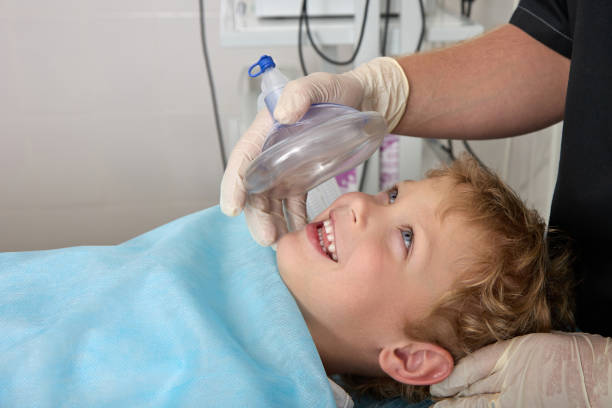
The child is then positioned on the dental chair or procedure table. An oxygen mask or inhalation mask for anesthetic gas may be applied if inhalation sedation is planned, or the medication may be administered intravenously or orally according to the predefined plan.
Once the anesthetic takes effect, the medical team makes sure the child is relaxed and pain‑free before starting any dental work, and continues to monitor the child closely throughout the procedure.
Monitoring equipment used
During in‑office dental anesthesia for children, specialized monitoring devices are used to keep the child in a safe and stable condition for the entire duration of treatment.
Key devices include a pulse oximeter, which shows blood oxygen saturation, and a blood pressure monitor that records readings at regular intervals while the child is under anesthesia or sedation.
Equipment to monitor respiratory rate and breathing sounds is also used, and in some cases, an electrocardiogram (ECG) monitor is added to track heart rhythm when deeper levels of anesthesia are used.
These monitors are an essential part of pediatric dental anesthesia safety protocols and enable the medical team to intervene quickly if any abnormal change appears in the child’s vital signs.
Monitoring the child’s vital signs
One of the most important aspects of pediatric dental anesthesia is continuous, accurate monitoring of the child’s vital signs throughout the session.
Heart rate, blood pressure, respiratory rate, and oxygen saturation are measured at defined intervals or in real time, depending on the depth and type of anesthesia or sedation being used.
The anesthesiologist or specially trained nurse also assesses the child’s level of consciousness and responsiveness to ensure the anesthetic dose remains appropriate and that the child stays within a safe and comfortable range without experiencing pain.
This close monitoring of vital signs plays a direct role in making dental anesthesia for children safer and reduces the likelihood of unexpected complications during dental treatment.
Safety and emergency measures
As part of in‑clinic pediatric dental anesthesia, the medical team must be fully prepared to deal with any emergency situation, even if such events are rare.
Safety measures include having an emergency kit stocked with essential medications, cardiopulmonary resuscitation (CPR) equipment, and an oxygen cylinder ready for immediate use.
All team members are trained in pediatric CPR and in managing low blood pressure, breathing difficulties, or any allergic reaction to anesthetic agents.
A clear emergency protocol is in place, including streamlined procedures for transferring the child to a hospital if the situation requires it.
These well‑designed preventive measures are among the main reasons that dental anesthesia for children, when performed in appropriately equipped clinics and in line with accepted medical standards, is generally considered a safe procedure.
Are there alternatives to dental anesthesia for children?
In some cases, dentists can use alternatives or adjuncts to local anesthesia in children, but anesthesia itself usually cannot be avoided when performing painful procedures such as drilling or tooth extraction.
Supportive alternatives include:
- Using “tell–show–do” techniques and age-appropriate explanations to reassure the child
- Distracting the child with cartoons, videos, or music
- Applying a topical anesthetic gel to the gums before the injection to reduce pain sensation
In cases of severe anxiety or more complex procedures, the dentist may resort to mild sedation or inhalation sedation with nitrous oxide (laughing gas), under specialist supervision and with careful consideration of the child’s age and general health.
These options are not full substitutes for dental anesthesia in children. They are adjunctive tools to make treatment safer and more comfortable. The dentist decides which options are most appropriate after a thorough assessment of the child’s condition and the type of procedure needed.
Best Pediatric Dentist in Jeddah
Dr. Abdulhadi Hilali – Pediatric Dentistry Specialist
Dr. Abdulhadi Hilali is considered one of the leading pediatric dentists in Jeddah, particularly in the field of dental treatments that require anesthesia for children.
Thanks to his expertise in pediatric dentistry and his deep understanding of child psychology, he is committed to providing safe and comfortable care, clearly explaining all anesthesia options to parents before any procedure.
This professional approach makes him a preferred choice for many families searching for the best pediatric dentist in Jeddah, especially when they are concerned about the safety of dental anesthesia for their children.
Why Do Parents Choose Batal Dental Clinic for Their Children?
Parents choose Batal Dental Clinic for their children because it combines high standards of safety in pediatric dental sedation with specialized expertise in pediatric dentistry.
Each child’s health status is carefully assessed before any procedure, and the type and dosage of sedation are tailored to their age, weight, and medical condition, significantly reducing any potential risk.
The medical team follows evidence-based sedation protocols and uses advanced monitoring equipment to continuously track heart rate, breathing, and oxygen saturation throughout dental treatment under sedation, with a trained team ready to handle any emergency situation.
The clinic is also designed with a child-friendly environment that helps reduce fear and anxiety, and the staff take time to clearly explain every step of the dental treatment and sedation process to parents in simple, reassuring language.
This thorough attention to both the medical and psychological aspects makes Batal Dental Clinic a preferred choice for parents seeking a safe, reliable place for their children’s dental sedation without exposing them to unnecessary risks.
Book a Pediatric Dental Appointment at Batal Dental Clinic in Jeddah
If you’re looking for a specialized pediatric dental clinic in Jeddah that prioritizes safe dental anesthesia for children, Batal Dental Clinic offers a secure medical environment supervised by experienced pediatric dentists skilled in both local and general anesthesia, in line with the latest international guidelines.
You can easily book a dental appointment for your child either by calling the clinic directly or through the online booking form. Before starting treatment, you’ll have the opportunity to discuss the treatment plan in detail, along with the most appropriate anesthesia options based on your child’s age and medical condition.
At Batal Dental Clinic, each child undergoes a thorough assessment, and every step is clearly explained to the parents. The team is committed to using safe, well‑calculated anesthesia doses and advanced monitoring equipment to track heart rate and respiration. This approach helps make pediatric dental treatment safer and more comfortable, and offers peace of mind to parents who are searching for an answer to the question: “Is dental anesthesia safe for children?”