
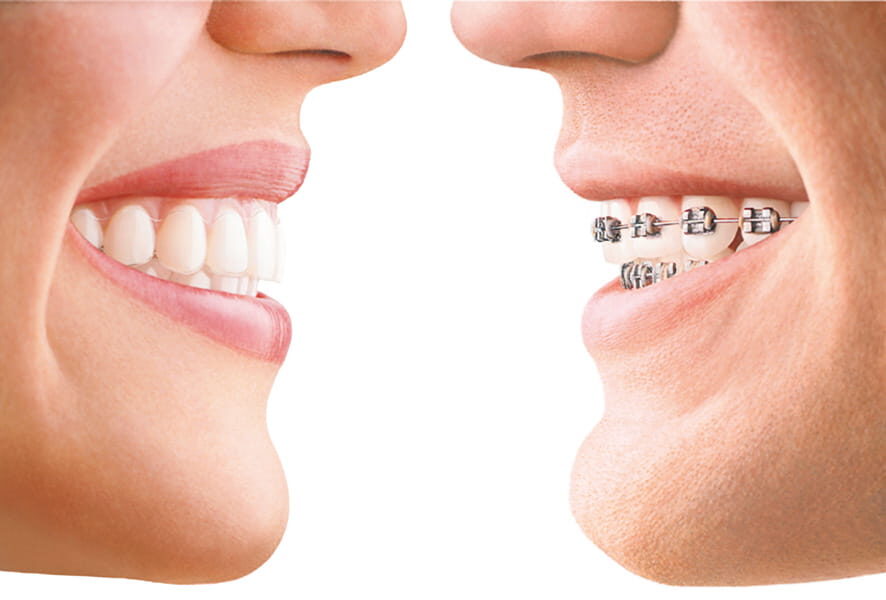
The difference between clear and traditional braces: Which is better for your smile?

What Is Traditional Braces Treatment?
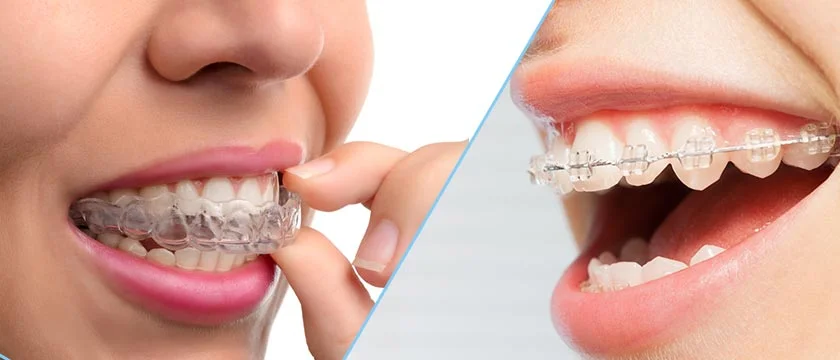
Traditional braces are a type of orthodontic treatment that uses small metal brackets bonded to the surface of the teeth. These brackets are connected by thin metal archwires that are periodically tightened and adjusted to gradually move the teeth into their ideal positions and improve the alignment of the jaws.
Conventional metal braces are the most commonly used option for correcting crooked teeth, gaps, and crowding, as they are highly effective in treating both simple and complex orthodontic cases.
The success of traditional braces depends on carefully controlled mechanical forces planned by the orthodontist, who reviews the case regularly—usually once a month—to adjust the archwires and fine‑tune the amount of pressure applied to the teeth.
Although metal braces are generally less aesthetic than clear aligners, they remain a reliable and cost‑effective choice, particularly for children and teenagers. They are widely used in specialist clinics to correct malocclusion, improve chewing function and speech, and enhance the overall appearance of the smile.
What is clear aligner therapy?
Clear aligner therapy is a modern orthodontic system that relies on removable, transparent plastic trays custom-made for each patient. Using advanced 3D digital technology, these aligners are designed to gradually move the teeth into their ideal positions.
This type of orthodontic treatment is nearly invisible when smiling or speaking, making it a popular choice among adults and younger patients who prioritize aesthetics during treatment compared with traditional metal braces.
Clear aligners are used to correct a range of malocclusion issues, from mild to moderate misalignment, spacing between teeth, and certain cases of dental crowding. To achieve effective results, the aligners must be worn for the majority of hours each day.
Although clear aligners offer greater flexibility during eating and oral hygiene—since they can be removed—choosing between clear aligners and conventional braces should only be done after a thorough examination by a dentist or orthodontist to determine whether this treatment option is suitable for the patient’s specific case.
The Difference Between Clear Aligners and Traditional Braces in Detail
Difference in Aesthetics and Appearance
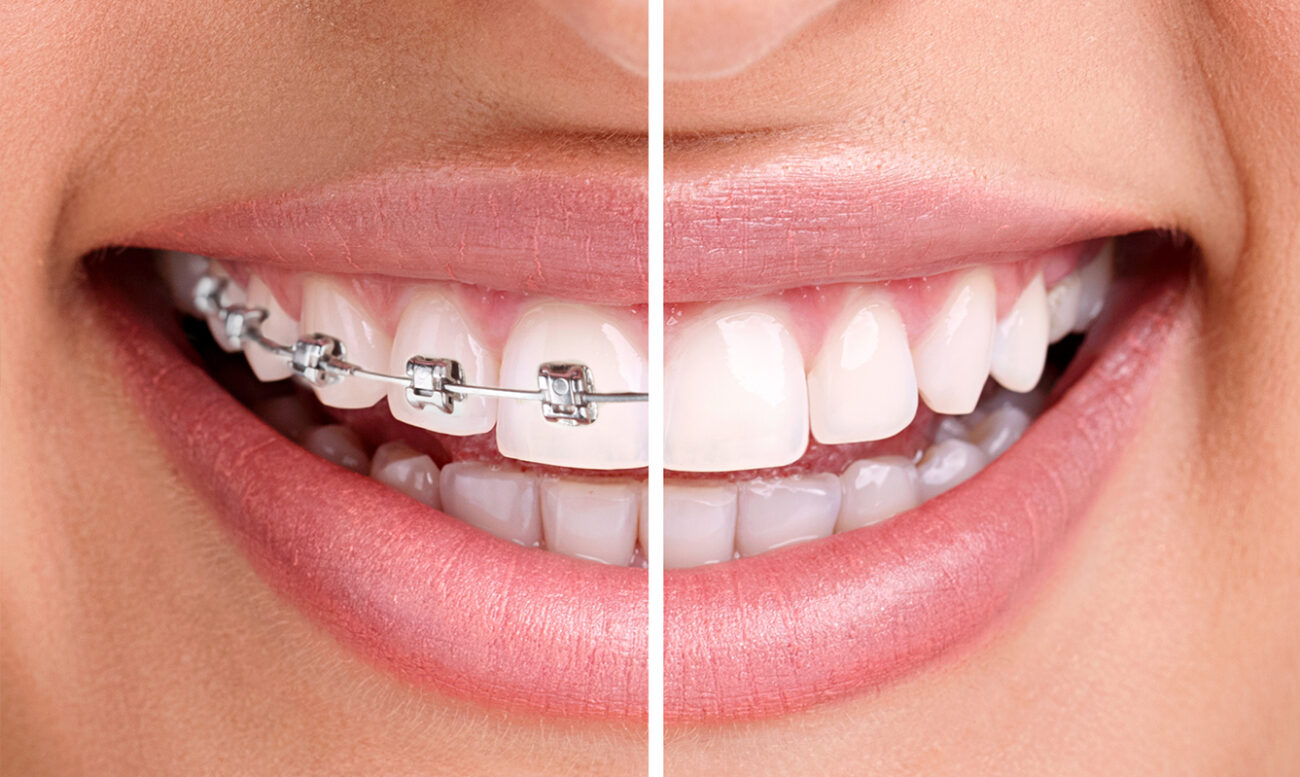
Clear aligners offer a highly aesthetic option, as they are made from custom-fitted transparent trays for each patient, making them almost invisible while smiling or speaking.
For this reason, they are preferred by adults and by those who want to straighten their teeth discreetly without drawing attention.
Conventional braces, on the other hand, rely on metal brackets and archwires that are clearly visible on the teeth and have a more noticeable impact on the smile during treatment.
In terms of the detailed comparison between clear aligners and traditional braces, clear aligners are generally considered more attractive aesthetically, whereas metal braces remain visible but are effective across a wide range of clinical cases.
Difference in Comfort During Use
From a comfort perspective, most patients find clear aligners easier to tolerate, as they are made of smooth plastic trays without metal edges that might rub against the gums or inner cheeks.
Traditional braces may cause some sores or discomfort in the first days due to the brackets and wires, especially after each appointment when the wires are tightened.
These symptoms usually decrease over time, but overall, clear aligners tend to be gentler on the oral soft tissues, while metal braces often require a longer period of adaptation.
Difference in Treatment Duration
Treatment time varies according to the individual case. However, when comparing clear aligners and traditional braces in detail, fixed metal braces are often slightly faster in treating more complex malocclusions because they give the orthodontist greater control over tooth movements.
Clear aligners may require a similar or sometimes longer duration, particularly in cases that demand complex tooth movements. In addition, the patient’s commitment to wearing the aligners 20–22 hours per day has a direct impact on the overall treatment time.
For this reason, orthodontists may prefer traditional braces for more difficult cases that require high precision and faster correction, while clear aligners are usually more suitable for mild to moderate cases within a clearly defined treatment timeline.
Difference in Ease of Oral Hygiene
One of the most important aspects in the detailed comparison between clear aligners and traditional braces is oral hygiene.
Clear aligners are removable during meals and for brushing, which makes it much easier to use a regular toothbrush, dental floss, and mouthwash almost as usual, and reduces food accumulation around the teeth.
Traditional braces, however, are fixed to the teeth at all times. Food particles tend to get trapped around the brackets and wires, which requires special care, including an orthodontic toothbrush and possibly additional tools such as floss threaders or interdental brushes.
If fixed braces are not cleaned thoroughly, the risk of dental caries and gingivitis increases, so the patient must follow a strict and consistent oral hygiene routine.
Difference in Number of Visits and Follow-up
With traditional braces, regular follow-up visits are typically scheduled every 4–6 weeks to adjust the archwires, modify bracket positions when needed, and monitor tooth movement.
Clear aligners are changed according to a pre-planned sequence, so appointments are often less frequent. The patient may visit the orthodontist every several weeks or even every few months, depending on the treatment plan, especially when digital or remote monitoring is available.
Nevertheless, both systems require adherence to follow-up appointments, as repeated delays can prolong treatment time and negatively affect the final outcome.
Difference in Food and Drink Restrictions
Dietary habits are another important point in the detailed comparison between clear aligners and traditional braces.
With fixed metal braces, patients must avoid hard and sticky foods such as hard nuts, caramel, and chewing gum, as these can break brackets or dislodge wires.
It is also advisable to limit soft drinks and sugary beverages to reduce the risk of decay around the brackets.
In contrast, clear aligners allow greater freedom of food choices, since the trays are removed before eating and the patient can eat normally, then brush their teeth and put the aligners back in.
However, patients should avoid drinking colored or hot beverages while wearing the aligners to prevent staining or warping of the trays.
Difference in Outcomes for Simple vs. Complex Cases
In terms of treatment outcomes, both clear aligners and traditional braces can achieve excellent results in simple cases, such as mild crowding or small gaps between teeth.
Clear aligners are effective for mild to moderate cases when selected appropriately based on a thorough orthodontic assessment.
For more complex conditions—such as significant skeletal discrepancies between the jaws, severe tooth rotations, or large tooth movements—traditional fixed braces are often the more effective option, as they give the orthodontist more precise control.
Therefore, the choice between clear aligners and metal braces should be based primarily on the clinical diagnosis and treatment needs, not just on appearance, to ensure the best possible result.
Difference in Required Patient Compliance
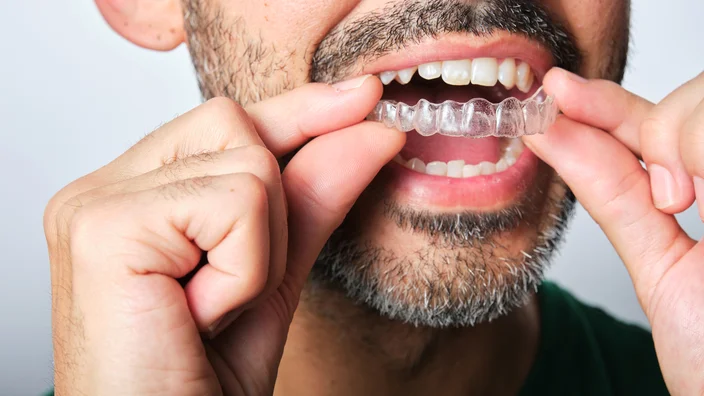
In terms of patient compliance, the success of treatment with clear aligners depends heavily on the patient’s discipline in wearing the trays for the recommended number of hours each day and not forgetting or neglecting them.
Any reduction in wearing time will slow tooth movement, extend the treatment duration, or compromise the final outcome.
Traditional braces, being fixed to the teeth, do not require the patient to remember to wear them. However, the patient must be diligent about oral hygiene, follow dietary restrictions, and attend follow-up appointments regularly.
Accordingly, clear aligners demand a higher level of personal commitment to consistent wear, whereas traditional braces require daily commitment to careful cleaning, dietary instructions, and scheduled visits.
Which Is Better: Clear Aligners or Traditional Braces?
Choosing between clear aligners and traditional braces depends on your specific case and needs—there is no single option that suits everyone.
Traditional braces, whether metal or ceramic, are usually better for complex dental problems such as severe crowding, pronounced misalignment, or major bite issues (malocclusion). They give the orthodontist greater control over tooth movement and, being fixed in place, do not depend on how disciplined the patient is about wearing them.
Clear aligners, on the other hand (such as Invisalign and similar systems), are often preferred by adults and teenagers who want a discreet orthodontic option that is easy to remove for eating and brushing. They are most suitable for mild to moderate cases, provided the patient is committed to wearing them for the recommended number of hours each day.
So, if you prioritize aesthetics and flexibility in your daily routine, clear aligners may be a good choice. But if your dental problem is more complex or you need a faster, more predictable outcome, your dentist or orthodontist may recommend traditional braces to achieve the best treatment results.
How to Choose the Right Type of Orthodontic Treatment for Your Case
Choosing between clear aligners and traditional braces should be based on an accurate diagnosis of your dental condition and daily lifestyle needs—not just appearance.
Your orthodontist will first assess the degree of crowding, the presence of spacing between teeth, your bite pattern (such as open bite, crossbite, or overbite), and any functional jaw problems. Based on this clinical evaluation, they determine whether clear aligners can fully correct the issue or whether conventional metal braces would provide better control and precision, especially in more complex or severe cases.
Other factors also influence the choice, including your age, how committed you can be to wearing clear aligners for the required number of hours each day, your preference for a more discreet and aesthetic option during treatment, your budget, and the expected treatment duration.
The most reliable way to choose the optimal orthodontic option for your situation is to have a detailed consultation with an orthodontist. During this visit, they will explain the differences between clear aligners and traditional braces in terms of expected outcomes, treatment time, cost, and comfort level, helping you make an informed decision that suits both your oral health and your lifestyle.
Dental Care During Orthodontic Treatment
How to Clean Traditional Braces
With traditional braces (metal or ceramic brackets and wires), oral hygiene becomes more meticulous, as food particles can easily get trapped around the brackets and between the wires.
You should brush your teeth after every meal using a soft, small-headed toothbrush, paying special attention to the area between the gumline and the brackets, and around the wires, using gentle circular motions.
Use an orthodontic toothbrush (interdental brush) or orthodontic floss/threaders to clean tight spaces between the teeth and under the archwires. This significantly reduces the risk of cavities and gum inflammation.
Your dentist may recommend a fluoride toothpaste and an antibacterial mouthwash to support oral hygiene and protect the enamel during orthodontic treatment.
Following the correct cleaning routine with traditional braces helps maintain a healthy smile and prevents white spot lesions or decay from appearing once the braces are removed.
Foods to Avoid During Orthodontic Treatment
Choosing the right foods is a key part of caring for your teeth while wearing braces, whether you have clear aligners or traditional braces.
With fixed traditional braces, you should avoid hard foods such as hard nuts, ice cubes, poorly popped popcorn kernels, and very tough meats, as they may break brackets or bend the wires.
Sticky foods like chewing gum, caramel, toffee, and gummy candies should also be avoided, as they cling to the braces, promote plaque buildup, and increase the risk of tooth decay.
With clear aligners, you should always remove them before eating, and try to limit sugary drinks, carbonated beverages, and strongly colored juices, as they can stain both the teeth and the aligners.
Following a soft, balanced diet that emphasizes cooked vegetables, cut-up fruit, and dairy products helps protect both your teeth and your appliance, and supports better treatment outcomes.
How to Maintain Your Results After Orthodontic Treatment
Oral care does not end when the braces come off; maintaining your orthodontic results is a crucial part of post-treatment dental care.
After treatment, your orthodontist will usually prescribe a retainer—either a clear removable type or a fixed lingual retainer bonded behind the teeth. It’s essential to wear it exactly as instructed to prevent your teeth from shifting back to their original positions.
Continuing a daily oral hygiene routine with brushing, flossing, and mouthwash—especially around a fixed retainer, if present—is important to keep the gums healthy and the teeth stable in their new alignment.
Regular dental checkups and monitoring of your previous orthodontic treatment and retainer help detect any unwanted tooth movement early on.
You should also avoid harmful habits such as nail-biting or using your teeth to open packages, and maintain a balanced, low-sugar diet to preserve the straight smile you achieved through orthodontic treatment.
Best Orthodontist in Jeddah
Dr. Wael Ghanam – Orthodontist and Dentofacial Orthopedics Specialist
Dr. Wael Ghanam is considered one of the leading orthodontists and dentofacial orthopedics specialists in Jeddah, particularly for patients who want to understand the difference between clear aligners and conventional braces and determine which option is best for their case.
He has extensive experience in accurately diagnosing malocclusion and dental crowding, then designing an individualized treatment plan using either conventional metal braces or clear aligner systems.
Dr. Ghanam relies on comprehensive clinical examinations, digital radiographs, and 3D dental models to achieve optimal results in terms of both function and facial aesthetics.
This systematic, evidence‑based approach makes him a strong choice for anyone seeking the best orthodontist in Jeddah who offers advanced treatment solutions that combine effectiveness with cosmetic appeal.
He is also keen on explaining the advantages and limitations of each type of orthodontic treatment in simple, understandable language, helping patients make informed decisions that suit their lifestyle and budget.
This style of communication, together with strict adherence to international standards of sterilization and high‑quality dental materials, enhances patients’ trust and makes the orthodontic treatment journey safer and more comfortable.
Why Do Patients Choose Batal Dental Clinic?
Batal Dental Clinic is a preferred destination for patients seeking clear aligners or conventional braces based on an accurate diagnosis and a carefully tailored treatment plan.
The clinic’s orthodontists rely on advanced technologies such as 3D imaging and detailed tooth-movement analysis to determine the most suitable type of orthodontic treatment for each case—whether clear aligners for discreet, aesthetic correction, or traditional metal braces for more complex orthodontic needs.
The clinic also prioritizes patient comfort through well-organized appointments and meticulous, regular follow‑ups to monitor treatment progress, while clearly explaining the differences between clear aligners and conventional braces in terms of treatment duration, expected results, cost, and daily care requirements.
All of this is provided in a sterile clinical environment, by a team specialized in orthodontics for both children and adults, making Batal Dental Clinic a trusted choice for anyone seeking a harmonious smile with safe treatment and long-lasting results.
Book an Orthodontic Consultation at Batal Dental Clinic in Jeddah
To decide confidently between clear aligners and traditional braces, it’s best to start with an orthodontic consultation at Batal Dental Clinic in Jeddah, where your case can be thoroughly assessed and a treatment plan tailored to both your functional and cosmetic needs.
During the visit, the orthodontist will examine your teeth and jaws, take the necessary radiographs, then explain the advantages and limitations of clear aligners versus conventional fixed braces, based on the severity of your malocclusion, expected treatment duration, and your budget.
You’ll also receive clear answers to common questions about total treatment time, number of follow‑up visits, expected level of discomfort, and how to care for your orthodontic appliance to maintain the health of your teeth and gums throughout treatment.
Batal Dental Clinic in Jeddah is distinguished by its use of modern orthodontic systems and advanced digital imaging technologies that help predict the final outcome with greater accuracy, giving you a realistic preview of your future smile before treatment even begins.
You can easily schedule your orthodontic consultation by calling the clinic or booking online, choosing the time that suits you best and taking a well‑informed first step towards a straighter, healthier smile with confidence.