
How long does dental implant surgery take? Recovery time and treatment steps in detail.

How long does each stage of dental implant treatment take?
Duration of Initial Assessment and Preparatory Procedures
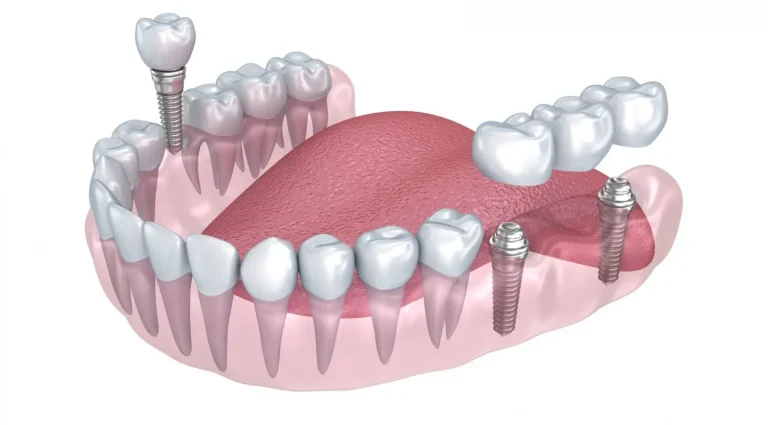
During the initial assessment and preparation phase for dental implants, the dentist typically needs about 30 to 60 minutes in the first visit to perform a clinical examination, take radiographs, and evaluate bone density.
In some cases, a 3D CT scan (CBCT) may be required, which can add one or two days to obtain the results and accurately plan the implant placement.
Overall, this phase usually takes from one day up to about a week, depending on how quickly the tests are completed and the treatment plan is finalized.
This step is crucial to ensure the success of the implant procedure and to help shorten the duration of the subsequent stages as much as possible.
Duration of the Dental Implant Surgery
The implant surgery itself is generally one of the shorter stages of treatment.
In straightforward cases involving a single implant, the procedure usually takes about 30 to 60 minutes.
When multiple implants are placed in the same jaw, the surgery may extend to two hours or more, depending on the number of implants and the condition of the jawbone.
This time frame includes anesthetizing the patient, preparing the surgical site, placing the implant fixture, and then suturing the gum.
Despite its relatively short duration, this stage is the core of the implant process, upon which all remaining phases are built.
Duration of Osseointegration (Bone Healing After Implant Placement)
Once surgery is completed, the most critical phase begins: the time required for bone healing and osseointegration of the implant with the jawbone.
Osseointegration typically takes about 3 to 6 months, depending on the patient’s age, bone quality and density, and overall health status.
In the lower jaw (mandible), integration may be slightly faster than in the upper jaw (maxilla) due to differences in bone density.
Throughout this period, the dentist monitors the stability of the implant to confirm the success of this stage before proceeding to the final prosthetic restoration.
Strict adherence to the dentist’s instructions and maintaining good oral hygiene help shorten the healing period and increase the success rate of the procedure.
When Is the Final Crown Placed?
The final tooth (implant crown) is fitted once complete bone healing and firm integration of the implant are confirmed.
For most patients, this is usually between 3 and 6 months after implant surgery.
The dentist typically needs two to three visits to place the abutment, take impressions, try-in the crown, and then cement or screw-retain the final prosthesis permanently.
With certain immediate implant systems, a temporary crown can be placed on the same day as the implant surgery, then replaced with the definitive crown once healing is complete.
At this stage, the dental implant treatment is complete, and the patient regains chewing function and an esthetic appearance that closely mimics natural teeth.
What factors affect the duration of dental implant treatment?
Condition and Density of the Jawbone
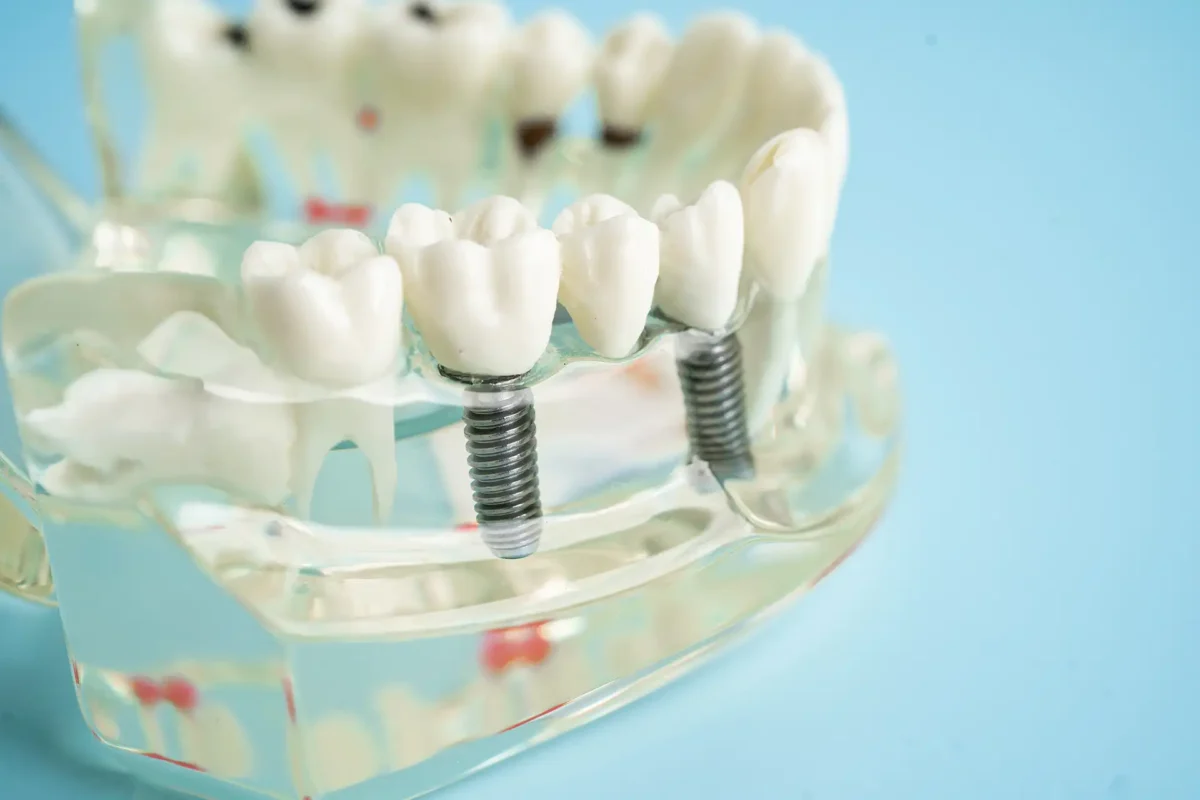
The condition and density of the jawbone are among the most critical factors influencing both the duration and success of dental implant treatment.
If the bone is strong, dense, and of sufficient thickness, the dentist may be able to place the implant immediately after extraction or within a relatively short time frame.
However, when there is bone loss or weakness in the jaw due to long‑standing tooth loss or periodontal disease, the patient may require additional procedures such as bone grafting before implant placement.
This extra step extends the overall treatment time, as the grafted bone typically needs several months to heal and integrate with the jaw before the final implants can be placed.
Accurate assessment of the jawbone using a CT scan (such as CBCT) is therefore essential to estimate the expected duration of implant treatment for each case individually.
Number of Implants Needed
The number of teeth to be replaced has a direct impact on how long implant treatment will take.
In cases where only a single tooth is being replaced, treatment time is often shorter, and it may sometimes be possible to use immediate implant protocols or a single‑visit approach, provided that clinical conditions are favorable.
In contrast, when multiple teeth or a full arch are being restored with implants, the dentist needs more detailed planning, longer clinical sessions, and a longer healing period to monitor the stability of each individual implant.
In addition, fitting bridges or fixed prostheses over multiple implants requires extra time for try‑ins and adjustments, which further increases the total duration of the implant treatment.
Need for Bone Grafting or Sinus Lift
The need for bone grafting or a sinus lift procedure is one of the main reasons dental implant treatment can take longer, especially in the posterior maxilla (upper back jaw).
When the vertical height of bone beneath the maxillary sinus is insufficient or the bone is too thin, the dentist may need to perform a sinus lift, with or without the addition of synthetic or natural bone graft materials.
After this surgery, the newly augmented bone must be given adequate time to heal and integrate, which typically ranges from about 4 to 9 months before implants can be placed safely.
Thus, the more preparatory procedures a patient requires—such as bone grafting or sinus lifting—the longer the overall implant treatment plan will be.
Smoking and Chronic Systemic Diseases
Smoking and certain chronic conditions—such as poorly controlled diabetes and immunological disorders—significantly affect both the duration of implant treatment and the healing phase.
Smokers often need more time for bone and soft tissues to heal around the implant, and the dentist may advise stopping smoking before and after surgery to reduce complications, which effectively extends the treatment timeline.
Similarly, patients with diabetes, hypertension, or cardiovascular disease usually need their medical condition to be stabilized in coordination with their physician before starting implant therapy, which may necessitate postponing the procedure or splitting it into several stages.
All of these factors influence how quickly the implant osseointegrates (bonds) with the bone, and therefore determine the total time needed to complete treatment and place the final fixed restoration.
Dentist’s Experience and Technology Used
The experience of the implant dentist, along with the technologies and equipment available in the clinic, plays a major role in shortening treatment time without compromising safety or outcomes.
The use of digital 3D planning, CBCT imaging, and guided surgical templates helps the clinician determine the ideal position of the implant with high precision, reduce surgical time, and promote faster recovery.
Moreover, the dentist’s expertise in selecting the appropriate implant protocol for each case—whether immediate or conventional loading—and in managing compromised bone or sinus‑related issues contributes to reducing the number of visits and minimizing complications that could delay treatment.
Choosing an experienced implantologist and a specialized center is therefore an important investment in shortening overall treatment time and achieving long‑term stable results.
Can the duration of dental implant treatment be shortened?
Yes, in many cases the total treatment time for dental implants can be reduced compared to the conventional timeline. However, this depends primarily on the condition of the jawbone, the health of the gums, and the treatment plan designed by the dentist.
For some patients, immediate dental implants can be an option, where the implant fixture and a temporary crown are placed on the same day the tooth is extracted. This approach reduces the number of visits and shortens the overall treatment period, provided there is sufficient bone density and no active infections or periodontal disease.
Modern technologies such as 3D cone-beam computed tomography (CBCT) and computer-guided implant surgery also help speed up the process with higher precision, and often reduce the need for additional procedures such as bone grafting, which can shorten part of the implant timeline.
Nevertheless, there is still a safe medical limit to how fast osseointegration (the fusion of the implant with the bone) can occur, and this cannot be rushed. Any attempt to shorten the duration of dental implant treatment must therefore be based on a well-considered clinical decision that balances the patient’s desire for quicker results with the long-term stability of the implant and the avoidance of implant failure or later complications.
Post-Implant Care to Speed Up Healing
Oral hygiene after dental implant surgery

Post‑implant care to speed up healing begins with keeping the mouth clean in a way that does not disturb the surgical site.
During the first 24 hours, patients are advised to avoid vigorous rinsing or frequent spitting to prevent dislodging the blood clot that forms around the implant.
After this period, an antiseptic mouthwash prescribed by the dentist can be used, rinsing gently without forcefully swishing the cheeks.
The remaining teeth and oral cavity should be cleaned with a soft‑bristled toothbrush, avoiding direct contact with the implant area in the first few days. Once the outer tissues have partially healed, that area can be brushed carefully.
Maintaining good hygiene of the tongue and interdental spaces using dental floss or interdental brushes (after consulting the dentist) reduces the risk of infection and supports the success of the implant and the healing of the surrounding gum and bone.
Recommended and restricted foods
Food choices after dental implant surgery are a key part of postoperative care, helping to accelerate healing and minimize discomfort.
In the first few days, it is preferable to stick to soft, cool or lukewarm foods such as yogurt, lukewarm soup, mashed potatoes, and smoothies, while chewing on the side opposite to the implant.
Hard foods such as nuts, crusty bread, and tough meats should be avoided, as well as sticky or chewy items like gum and hard candies, since they may put pressure on the implant or reopen the wound.
It is also advisable to stay away from very hot or very cold foods, carbonated and sugary drinks, and smoking, as these can delay bone and soft‑tissue healing and increase the risk of peri‑implant infection.
Following an appropriate diet during the recovery period helps stabilize the implant and can shorten overall healing time after dental implant surgery.
Importance of medications and postoperative instructions
Adhering to medications and postoperative instructions is a fundamental component of implant aftercare, crucial for faster healing and long‑term implant stability.
Antibiotics, analgesics, and medicated mouthwashes are prescribed in specific doses and for defined durations; irregular use can increase the risk of infection or even implant failure.
Following the dentist’s advice regarding adequate rest, avoiding strenuous physical activity, and not pressing on or manipulating the sutures or implant area all contribute to faster healing of bone and soft tissues.
Regular follow‑up appointments with the dentist are also essential to monitor osseointegration and gum healing, and to detect any complications that could affect the long‑term success of the implant.
Warning signs that require urgent dental review
An important aspect of post‑implant care is being alert to any abnormal signs and acting promptly.
Pain that intensifies over time instead of subsiding, severe swelling that does not improve after 48–72 hours, or persistent bleeding that does not stop with gentle pressure are all signs that require immediate dental assessment.
The presence of pus, foul odor from the implant site, any mobility of the implant, or marked difficulty in opening the mouth or swallowing may indicate infection or a problem with implant stability.
Early intervention by the dentist in such cases reduces the risk of complications, helps preserve the implant, and allows the overall treatment plan for dental implants to continue in the shortest possible time with the highest chance of success.
Do dental implants last a lifetime?
Dental implants are considered one of the most durable solutions for replacing missing teeth. They can last for several decades and may even remain in place for a lifetime if properly cared for.
The lifespan of a dental implant depends on several factors, most notably:
- The quality and density of the jawbone and how well the implant integrates with it (osseointegration)
- The dentist’s expertise and the surgical and prosthetic techniques used
- The patient’s commitment to oral hygiene and regular follow‑up visits with the dentist
While the titanium implant fixture anchored in the jawbone typically lasts for a very long time, the ceramic crown attached to it may need to be repaired or replaced after about 10–15 years due to normal wear, chipping, or changes in the color and properties of the restorative materials.
In summary, dental implants are a long‑term, and potentially lifetime, investment—provided you maintain meticulous daily care of your teeth and gums, avoid harmful habits such as smoking and excessive biting forces (like teeth grinding), and keep up with regular dental check‑ups to monitor the implant and ensure its stability over the years.
The Best Dental Implant Specialist in Jeddah
Dr. Ahmed Al‑Husseini: Dental Implant Specialist in Jeddah
Dr. Ahmed Al‑Husseini is considered one of the leading names for anyone looking for a top dental implant specialist in Jeddah, especially for patients who want to know how long the entire implant process takes—from initial planning through to final prosthetic restoration.
He relies on a comprehensive clinical examination and 3D imaging (CBCT) to estimate the approximate treatment time for each case, whether it involves immediate implants that can sometimes be completed in one or two visits, or conventional implants that require several months for the implant to fully osseointegrate with the jawbone.
His experience stands out in accurately assessing the appropriate treatment duration for each patient and in designing a clear treatment plan that includes a detailed schedule of appointments and required visits, helping patients organize their time and understand each stage they will go through during the dental implant journey.
Choosing a dental implant specialist in Jeddah with the expertise of Dr. Ahmed Al‑Husseini usually means shortening the overall treatment time as much as safely possible, without compromising the quality or safety of the implants, while prioritizing optimal functional performance and aesthetic outcomes for the final restorations.
Why Do Patients Choose Batal Dental Clinic?
Batal Dental Clinic is a preferred destination for patients seeking successful dental implants in the shortest possible time, while maintaining the highest standards of safety and quality.
The clinic’s dentists rely on advanced digital technologies, including 3D implant planning, to determine the optimal implant position. This approach shortens the procedure time and promotes faster osseointegration (bone healing around the implant).
High‑quality dental implants are used under strict sterilization protocols, with a dedicated operating room specifically equipped for implant surgeries, ensuring predictable, stable, and long‑lasting results.
The medical team begins with a comprehensive assessment of the jaw, bone density, and the condition of adjacent teeth, then develops a clear treatment plan that explains to the patient how long each phase will take: the surgical stage, the osseointegration period, and the final prosthetic restoration.
By focusing on pain control and time efficiency through well‑organized appointments and continuous post‑operative follow‑up, patients are able to regain their smile and chewing function with confidence, within a carefully planned time frame tailored to their individual case.
Together, these factors make Batal Dental Clinic a trusted reference for anyone seeking a dental implant experience that is safe, relatively fast, and delivers excellent aesthetic and functional outcomes.
Book Your Dental Implant Appointment at Batal Dental Clinic in Jeddah
If you’re wondering how long dental implant treatment takes and looking for a trusted center in Jeddah, you can easily book a dental implant appointment at Batal Dental Clinic by phone or online.
At our clinic, we begin by assessing your condition through a clinical examination and 3D imaging (CBCT scan) to design an accurate treatment plan, determine the number of visits, and estimate the duration of your implant treatment based on bone density and gum health.
We use advanced implantology techniques that help shorten chair time and promote faster osseointegration, while providing you with a clear explanation of every stage of the procedure and the expected healing period before fitting the final prosthetic restoration.
Whether you need a single-tooth implant or multiple implants, our specialized team will help you choose the most suitable treatment option for your medical condition, schedule, and budget.
Book your appointment now at Batal Dental Clinic in Jeddah to receive a professional consultation on treatment duration and a personalized implant plan that ensures a long-lasting smile and comfortable chewing function over the long term.