
Is Invisalign suitable for my case? And how do you know if clear aligners are the best option for you?

What is Invisalign and how does it work?
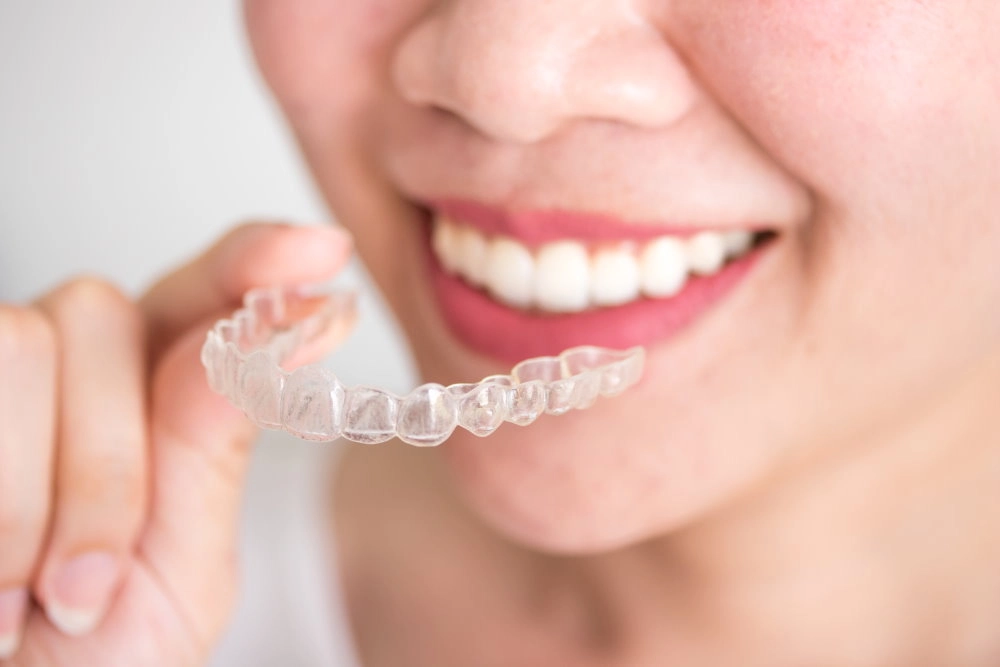
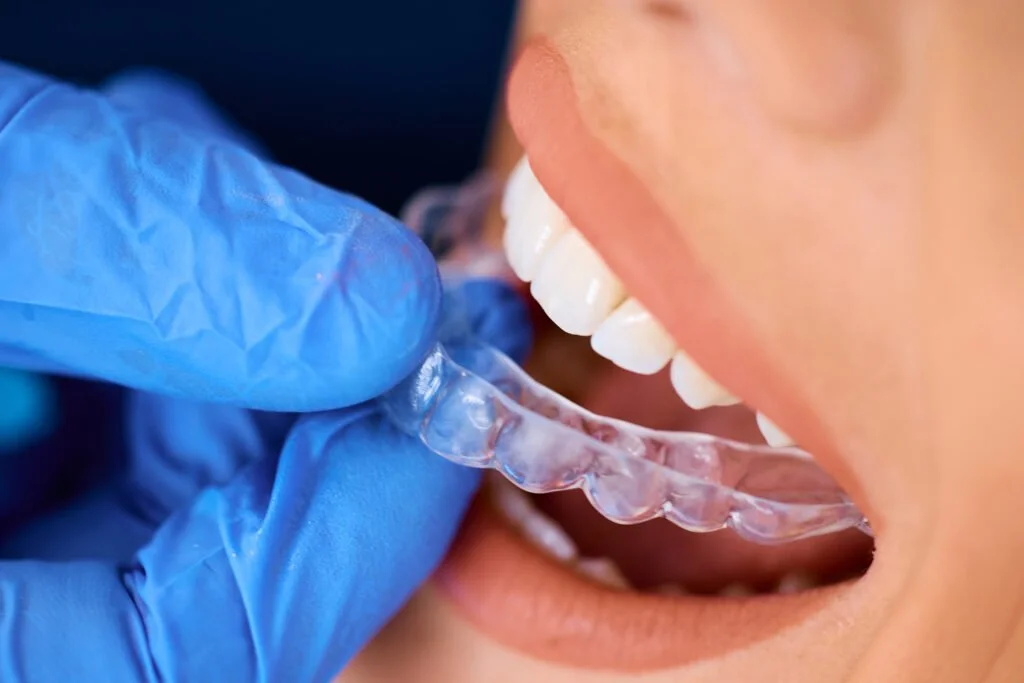
Invisalign is a clear orthodontic system that uses a series of custom-made transparent plastic aligners as a comfortable, nearly invisible alternative to traditional metal braces.
Each set of Invisalign aligners is designed based on digital 3D scans of the mouth. Using these scans, the dentist or orthodontist creates a detailed treatment plan that maps out the movement of each tooth step by step.
Invisalign works by applying gentle, controlled pressure to the teeth. The aligners are changed approximately every 1–2 weeks, allowing the teeth to gradually shift into their ideal positions without sharp pain or significant discomfort.
For optimal results, Invisalign aligners should be worn around 20–22 hours a day. They can be removed temporarily during meals and for brushing and flossing, which makes Invisalign a practical option for people who want a discreet, hygienic, and lifestyle-friendly orthodontic solution.
By understanding how Invisalign works, patients can more easily determine—together with their dental specialist—whether this treatment is suitable for their specific case.
Is Invisalign suitable for my case?
Whether Invisalign is right for you depends on how severe your dental misalignment is and the nature of your orthodontic problem. This clear-aligner system tends to deliver its best results in cases of mild to moderate crowding, small gaps between teeth (spacing), and certain bite issues such as mild to moderate open bite or crossbite.
Invisalign is often a good option for adults and teenagers who can commit to wearing their clear aligners 20–22 hours a day and following their orthodontist’s instructions closely, as treatment success relies heavily on consistent use.
It may not be the ideal solution for severe skeletal discrepancies, such as pronounced jaw protrusion, major bite abnormalities, or cases that require more complex orthodontic interventions, including fixed appliances (traditional braces) or orthognathic (jaw) surgery.
The most accurate way to determine if Invisalign is suitable for you is to undergo a comprehensive assessment with an orthodontist. This typically includes digital X-rays, a detailed bite analysis, and an evaluation of each individual tooth position. Based on this, your orthodontist will design a personalized treatment plan and explain the expected results with clear aligners compared with traditional braces, along with the estimated treatment duration and cost—helping you decide confidently whether Invisalign is the most appropriate option for you.
What conditions can Invisalign treat?
Dental Crowding
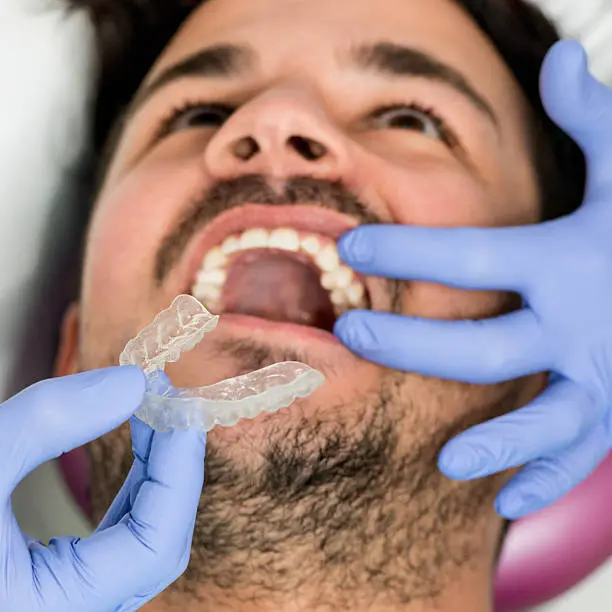
Dental crowding is one of the most common conditions treated with Invisalign, especially in people who don’t have enough jaw space for the teeth to align properly.
Invisalign gradually moves the teeth to create adequate space for each tooth, which improves the appearance of the smile and makes it easier to clean the teeth and access all surfaces.
This doesn’t just enhance aesthetics; it also lowers the risk of tooth decay and gingivitis caused by food debris accumulating in tight, hard‑to‑reach areas.
If you have mild to moderate crowding and are wondering whether Invisalign is suitable for you, it is often an effective and more comfortable alternative to conventional metal braces.
Gaps Between Teeth (Spacing)
Spaces between the front or back teeth are another issue that Invisalign can manage effectively, particularly when the gaps are mild to moderate.
Invisalign works by gradually bringing the teeth closer together, reducing open spaces, improving the overall smile, and giving the dental arches a more harmonious appearance.
Closing gaps between teeth is not only a cosmetic concern; spacing can lead to food impaction, difficulty pronouncing certain sounds, and may affect the bite (occlusion) over time.
For many people seeking a discreet, nearly invisible way to close gaps between their teeth, Invisalign is a comfortable and practical treatment option.
Protruding Front Teeth
Protruding upper front teeth significantly affect the appearance of the smile and self‑confidence, and in many cases they can be corrected with Invisalign.
Invisalign gradually retracts the protruding front teeth toward a more ideal position, provided that the degree of protrusion is mild to moderate and does not require surgical intervention.
Correcting dental protrusion doesn’t just improve the look of your smile; it also helps optimize the bite and reduces the risk of fractures or wear of the front teeth.
If you have mild to moderate protrusion and are asking whether Invisalign is right for you, your dentist will typically assess the jaw relationship and available space before confirming if this treatment is appropriate.
Mild to Moderate Malocclusion
Invisalign can correct a range of mild to moderate malocclusion problems, such as a mild deep bite, minor open bite, partial crossbite, or a slight midline deviation.
Through a series of clear aligners, Invisalign adjusts the position of the upper and lower teeth so they fit together more ideally when you bite, which helps relieve uneven pressure on the teeth and the temporomandibular joint (TMJ).
Improving the bite doesn’t only enhance the smile; in some cases it can also help reduce TMJ pain and headaches associated with malocclusion.
However, severe bite disorders or significant skeletal jaw discrepancies may fall beyond what Invisalign alone can correct, and your doctor will determine on a case‑by‑case basis whether this therapy is suitable.
Relapse After Previous Orthodontic Treatment
Invisalign is an excellent option for people who have undergone orthodontic treatment in the past and later noticed their teeth shifting out of alignment or new gaps forming over time.
In such cases, the required corrections are usually relatively minor, making clear aligners a quick and practical way to bring the teeth back into proper alignment.
Invisalign can be used to correct mild tooth tipping or to close small spaces that have appeared after inconsistent retainer use, without having to go back to full fixed metal braces.
If you’ve had braces before and noticed your teeth moving again, Invisalign is often one of the most suitable options to maintain a straight smile in a comfortable and discreet manner.
When Is Invisalign Not the Right Choice?
Severe Cases That Require Conventional Braces
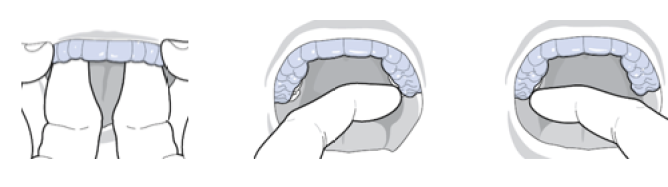
In certain complex cases of dental crowding or pronounced misalignment, Invisalign may not be the ideal option, as it relies on controlled, incremental tooth movements.
Problems that involve significant tooth rotation or the need to move teeth over relatively large distances usually require traditional orthodontic treatment with metal or ceramic brackets and wires to achieve optimal results.
If you’re wondering, “Is Invisalign suitable for my case?”, your dentist may recommend conventional braces instead, especially when your condition calls for greater control over tooth movement, or when your treatment goals are more complex and require additional measures such as elastics (rubber bands) or auxiliary appliances.
Complex Jaw (Skeletal) Problems
Complicated jaw discrepancies, such as a pronounced protrusion of the upper or lower jaw, or a marked mismatch between the jaws, often cannot be corrected with Invisalign alone.
In these situations, the main issue lies in the jaw position (skeletal discrepancy) rather than just the alignment of the teeth, which may necessitate conventional orthodontic treatment with specialized appliances, or even orthognathic surgery in collaboration with an oral and maxillofacial surgeon.
When assessing whether Invisalign is suitable for you, your dentist or orthodontist will evaluate the severity of your malocclusion (your bite) and determine whether it can be improved using clear aligners only, or if a more comprehensive treatment plan with fixed appliances is required.
Gum Disease and Bone Loss
If you have active periodontal disease or noticeable loss of the supporting jawbone around your teeth, Invisalign is generally not the first choice until the underlying condition has been properly treated.
Tooth movement with Invisalign or any other form of orthodontic treatment requires healthy gums and sufficient supporting bone; otherwise, tooth mobility can worsen and gum recession may progress.
Therefore, before deciding whether Invisalign is appropriate for your case, your periodontal health must be assessed. Any gingivitis or periodontitis should be treated by a periodontist or qualified dentist first, after which the possibility of safely using clear aligners can be reconsidered.
Poor Compliance with Wearing Aligners
Invisalign’s success relies heavily on the patient’s commitment to wearing the clear aligners for 20–22 hours a day.
If you already know that your lifestyle, work conditions, or daily habits will prevent you from keeping the aligners in for most of the day, Invisalign may not be suitable, as inadequate wear time delays treatment and can compromise the final outcome.
In such cases, fixed traditional braces may be a more appropriate choice, as they are bonded to the teeth around the clock and do not depend on the patient’s memory or discipline, allowing treatment to progress more predictably.
Does age affect Invisalign success?
Age itself is not a major barrier to successful Invisalign treatment; what matters far more is the condition of the teeth and gums, and how well the patient follows the orthodontist’s instructions.
Invisalign can be used for teenagers, adults, and even older patients, provided they have healthy jawbones and no active periodontal disease or severe tooth wear.
In adults, Invisalign treatment may take a little longer than in teenagers because bone remodeling slows with age. However, clear aligner therapy still shows high success rates when the case is appropriately selected and a precise treatment plan is followed.
Success largely depends on wearing the aligners 20–22 hours a day, attending regular follow‑up appointments, and treating any issues such as dental caries or gingivitis before starting.
So if you’re wondering, “Is Invisalign suitable for me at my age?”, the decisive factor is your orthodontist’s assessment of your jawbone and gum health and the severity of your malocclusion—not the number on your ID card.
How Is Your Case Assessed at Batal Dental Clinic?
Clinical Examination of the Teeth and Jaws
At Batal Dental Clinic, your assessment always starts with a thorough clinical examination of your teeth and jaws to determine whether Invisalign is a suitable option for you.
The orthodontist evaluates your bite (occlusion), areas of spacing or crowding, and the position of the upper and lower jaws, in addition to assessing the gums and temporomandibular joints (TMJs).
This examination helps identify whether your case is mild, moderate, or complex, and whether Invisalign can safely deliver the results you’re aiming for.
During the clinical exam, you’ll also be asked about your dental and medical history, previous treatments, and any functional complaints such as difficulty chewing or jaw pain. This allows the clinician to build a complete picture of your condition before moving on to advanced digital planning.
Radiographs and 3D Digital Scanning
After the clinical examination at Batal Dental Clinic, the next step is radiographic imaging and 3D digital scanning to evaluate your case in greater detail and assess your suitability for Invisalign.
Panoramic and cephalometric (lateral skull) X‑rays are taken to study the tooth roots, bone density, jaw position, and any hidden issues that cannot be detected through clinical examination alone.
An intraoral 3D scanner is then used to create a precise digital model of your teeth, replacing traditional, often uncomfortable impression materials.
These digital models display each tooth individually and its exact position in the jaw, helping the orthodontist accurately assess the degree of crowding or spacing and confirm that Invisalign is a safe and effective option for your case.
Digital Treatment Planning
Based on the clinical exam, radiographs, and 3D digital scan, the team at Batal Dental Clinic develops a customized digital treatment plan that shows how each tooth will move throughout your Invisalign treatment.
Advanced clear‑aligner software is used to place your current dentition into a virtual model, then plan tooth movement step by step until achieving the most ideal occlusion possible.
This plan outlines the expected number of Invisalign stages (aligner sets), the amount of adjustment required for each tooth, and whether you’ll need any minor adjunctive procedures such as interproximal reduction (IPR) or small composite attachments to enhance the precision of tooth movement.
In this way, your assessment at Batal Dental Clinic becomes a practical, structured process that flows directly into a clear treatment plan you can review and discuss before getting started.
Expected Results and Treatment Duration
As part of your assessment at Batal Dental Clinic, the anticipated outcomes of Invisalign treatment and the approximate treatment duration are explained transparently.
Using the digital plan, you can see a simulation of your projected smile at the end of treatment, helping you form a realistic expectation of what Invisalign can achieve for you.
The treatment duration is then estimated according to the severity of your case, the number of aligner stages, and how consistently you wear your aligners each day.
During this consultation, your orthodontist clarifies the difference between purely cosmetic improvements and functional therapeutic goals, and whether Invisalign alone is sufficient or should be combined with other treatments.
This approach allows you to know from the outset whether Invisalign is appropriate for your case, what results you can expect, and how long it will likely take to achieve a straighter, healthier smile.
Advantages of Invisalign Compared to Traditional Braces
Invisalign offers several advantages over conventional braces, making it an appealing option for anyone wondering, “Is Invisalign right for my case?”
Because the aligners are almost completely transparent, they provide a far more aesthetic appearance than traditional metal brackets, which is especially important for adults and professionals who want to maintain a confident smile throughout treatment.
Invisalign trays can be removed during meals and oral hygiene, which helps keep the gums healthy and reduces the risk of food trapping and tooth decay that can occur with fixed metal appliances.
They are also generally more comfortable, as they are made from smooth, custom‑fitted material without wires or sharp edges that could irritate the cheeks or tongue.
In addition, Invisalign allows you to monitor your progress step by step through a series of sequential aligners digitally planned by your orthodontist, giving you a clearer idea of the anticipated treatment duration compared with some conventional orthodontic approaches.
Although Invisalign is not suitable for every complex orthodontic case, these benefits make it a preferred choice for many patients seeking effective, comfortable, and discreet teeth straightening.
Best Invisalign Doctor in Jeddah
Dr. Wael Ghanam: Orthodontist and Invisalign Specialist in Jeddah
Dr. Wael Ghanam is considered one of the leading names in orthodontics and Invisalign treatment in Jeddah, thanks to his extensive experience in managing both simple and highly complex cases.
He is keen to carry out a thorough assessment of each patient’s case before starting an Invisalign treatment plan, to ensure that clear aligners are truly the most suitable option according to the teeth position, bite, and jaw relationship.
By combining solid clinical expertise with advanced digital treatment planning, Dr. Wael Ghanam helps his patients in Jeddah achieve accurate, predictable results, while maintaining an attractive, natural appearance throughout the course of treatment.
Choosing an experienced orthodontist like Dr. Wael Ghanam when searching for the best Invisalign provider in Jeddah guarantees a safe, well‑structured treatment plan, regular follow‑up appointments, and clear explanations of every stage of the process.
By adhering to up‑to‑date, evidence‑based clinical protocols in Invisalign therapy, Dr. Wael Ghanam places patient comfort and treatment effectiveness at the top of his priorities, making him an excellent choice for anyone wondering: “Is Invisalign right for my case in Jeddah?”
Why Do Patients Choose Batal Dental Clinic for Invisalign Treatment?
At Batal Dental Clinic, every patient receives a thorough assessment that answers the key question: “Is Invisalign the right option for my case?” This is based on a comprehensive clinical examination, detailed 3D digital imaging, and a fully customized treatment plan.
Invisalign therapy is carried out under the supervision of experienced dentists with expertise in clear aligner orthodontics. Each treatment stage is explained in simple, understandable terms, including how long to wear the aligners and how to care for them to achieve the best possible results.
The clinic relies on advanced digital technologies to simulate the expected final smile before starting treatment. This gives patients a clear, realistic preview of what Invisalign can achieve in their specific case.
Batal Dental Clinic also takes into account the patient’s comfort and daily routine by offering flexible appointment times, structured follow‑up visits, and clear instructions that support consistent aligner wear. This helps patients reach a straighter, healthier smile with minimal disruption to their lifestyle.
All these factors together make patients confidently choose Batal Dental Clinic for Invisalign when they are looking for an effective, discreet orthodontic solution tailored to their individual needs.
Book an Invisalign Assessment at Batal Dental Clinic in Jeddah
To determine whether Invisalign clear aligners are suitable for your case, you can book an Invisalign assessment at Batal Dental Clinic in Jeddah with a dentist specialized in clear orthodontic aligners. During this visit, your teeth alignment, bite (occlusion), and any crowding or spacing issues will be evaluated in detail.
During the assessment, the dentist will perform a comprehensive clinical examination, take digital scans or photographs, and request the necessary radiographic studies. Afterwards, you’ll receive a clear explanation of the proposed treatment plan, expected duration, total cost, and any available installment options, along with a comparison between Invisalign and traditional braces in light of your lifestyle and preferences.
Booking an Invisalign consultation in Jeddah at Batal Dental Clinic helps you make an informed, evidence-based decision. You will know whether clear aligners can effectively correct your condition, or if you might achieve better functional and aesthetic results with another type of orthodontic treatment.