
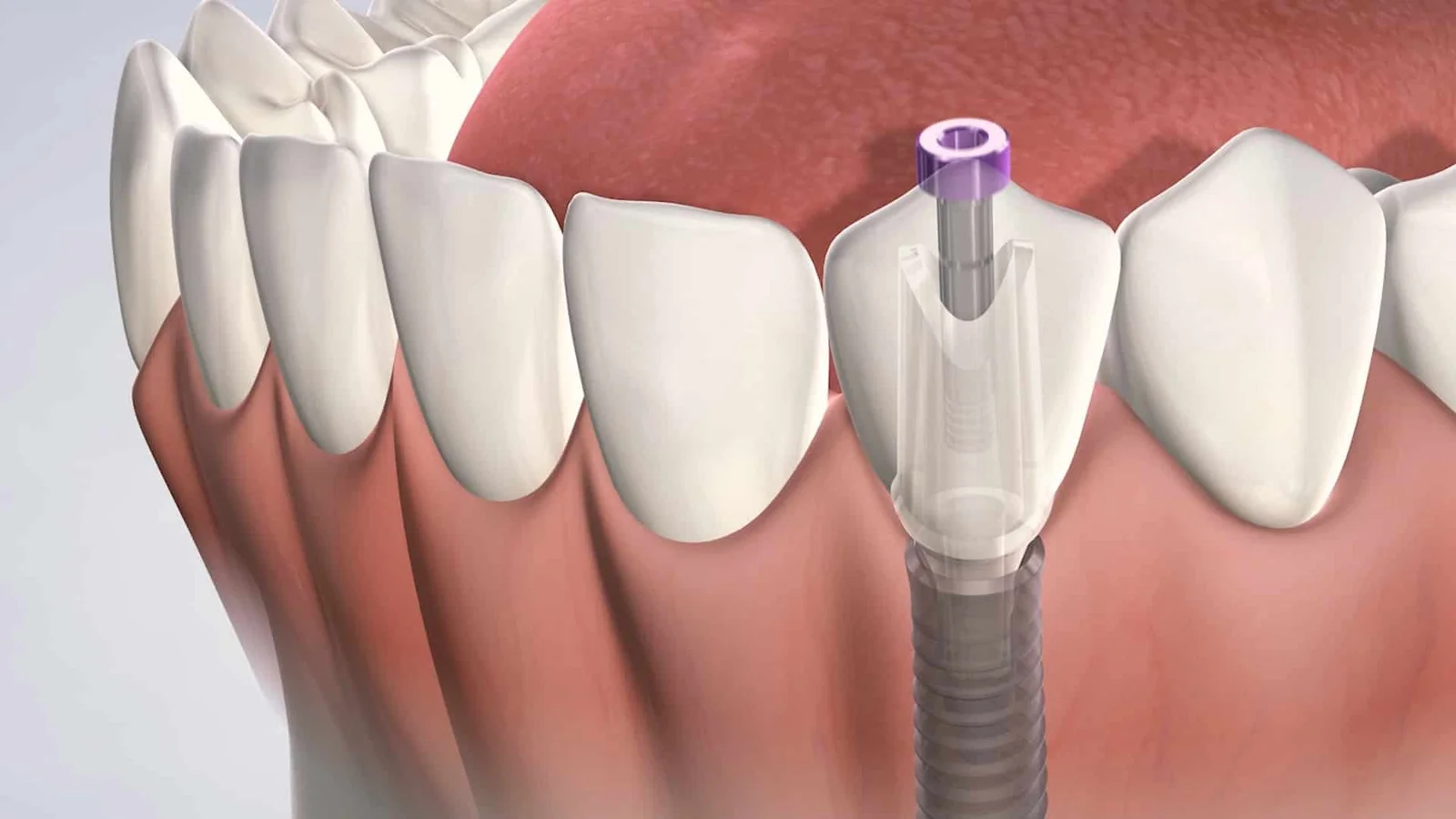
Are dental implants painful? And what is normal pain after the procedure?

Are Dental Implants Painful?
Many people wonder whether dental implants are painful before deciding to undergo the procedure. In reality, implant placement is usually performed under local anesthesia, which significantly minimizes—if not completely eliminates—pain during the surgery for most patients.
After the procedure, it’s normal to experience mild to moderate pain or discomfort in the treated area, similar to what patients may feel after a tooth extraction. This is usually easy to control with painkillers prescribed by the dentist, along with carefully following post-operative care instructions.
The level of pain varies from one person to another and depends on several factors, including bone condition, the number of implants placed, the implant surgeon’s experience, and the individual’s pain threshold and healing response.
Overall, most patients report that the discomfort associated with dental implant surgery is less than they had anticipated, and that the short-term inconvenience is far outweighed by the long-term benefits of restoring proper dental function, improving appearance, enhancing chewing efficiency, and smiling with confidence.
Will I Feel Pain During Dental Implant Placement?
In most cases, patients experience little to no pain during dental implant placement, as the dentist uses local anesthesia to completely numb the gums and surrounding area. This makes inserting the implant fixture into the jawbone a very comfortable procedure.
Once the anesthesia wears off, you may feel mild pain or discomfort similar to what you might experience after a tooth extraction. This is usually easy to control with analgesics (painkillers) prescribed by your dentist, provided you follow the post‑operative instructions carefully.
Many people worry and often ask: “Are dental implants painful?” However, the actual experience is usually much easier than they expect—especially when treated by a dentist specialized in implantology and when modern techniques are used, such as flapless (non‑surgical) implant placement or computer‑guided (digital) implant surgery. These methods help shorten the procedure time and reduce postoperative swelling and discomfort.
Overall, dental implants are considered a safe procedure, with manageable, short‑lived pain that is far outweighed by their long‑term benefits for chewing function, appearance, and self‑confidence.
Is Dental Implant Surgery Painful After the Procedure?
Pain During the First 24 Hours
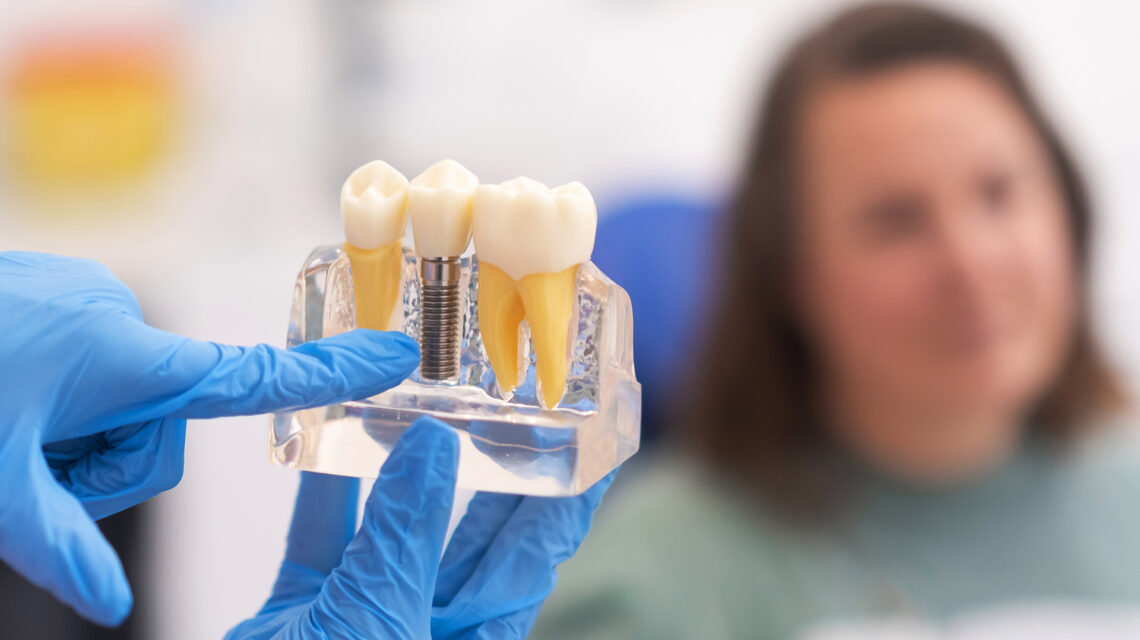
The first 24 hours after dental implant placement are usually the most sensitive period, and this is when patients most often wonder: “Does a dental implant hurt after the procedure?”
In most cases, the pain at this stage is moderate and manageable. It’s often comparable to the discomfort felt after a tooth extraction or a minor surgical procedure in the gums.
The pain typically appears as the local anesthesia wears off and may be accompanied by mild swelling in the gums or cheek. This is a normal inflammatory response of the body to the surgical procedure.
Dentists usually prescribe appropriate analgesics, which play a major role in controlling pain during the first day, allowing most patients to carry on with their daily activities with some precautions.
Following the dentist’s post‑operative instructions—such as avoiding chewing on the implant side and using cold compresses—helps significantly reduce pain and discomfort during this initial period.
Pain During the First Week
When answering the question “Does a dental implant hurt after the procedure?” it is important to look at how pain behaves over the first week after surgery.
From day two to day seven, pain typically starts to subside gradually, evolving from sharp pain into a mild feeling of discomfort or pressure in the implant area.
Discomfort may increase slightly while eating or cleaning the teeth around the implant site. This is considered normal as long as the pain remains tolerable and is not associated with severe swelling or ongoing bleeding.
Most patients only need pain medication during the first few days, and their need for analgesics decreases as the gums heal and the implant becomes more stable.
However, if the pain during the first week is severe, or if it worsens instead of improving, the dentist must be informed. Unusual or escalating pain after dental implant surgery can be a sign of infection or impaired wound healing.
When Does the Pain Start to Subside?
To accurately answer “Does a dental implant hurt after the procedure?” we need to clarify when pain usually begins to resolve.
In the majority of cases, patients notice a marked improvement in pain after 3–5 days, and the discomfort becomes mild or nearly absent by the end of the first week.
As osseointegration (the process of the bone fusing with the implant) continues over the following weeks, any sharp pain disappears. At most, there may be a slight sensation of pressure during chewing in the early healing phase.
If the implant surgery is performed correctly, and the patient carefully follows instructions—such as avoiding smoking and maintaining good oral hygiene—most patients experience little to no pain after the first two weeks.
Persistent, intense pain beyond this period is not normal and warrants immediate evaluation by the dentist to ensure the implant is healthy and to rule out infection or implant failure.
How long do swelling and pain last after dental implant surgery?
Experiencing some swelling and pain after getting a dental implant is normal and expected. These symptoms usually peak within the first 48–72 hours after the procedure, then gradually begin to subside.
In straightforward cases, mild to moderate pain typically lasts about 3 to 5 days and is usually well controlled with the painkillers prescribed by your dentist. Swelling can persist for about 5 to 7 days before it completely resolves.
If the implant placement is combined with additional procedures such as bone grafting or a sinus lift, the duration of pain and swelling may be slightly longer, sometimes up to around 10 days. This is still considered normal as long as the symptoms keep improving with time.
It’s important to keep an eye on how severe the pain and swelling are. If you still have intense pain or noticeable swelling after a week, or if you develop unusual bleeding, a bad smell, or a feeling of heat around the implant site, you should contact your dentist immediately to rule out infection or other complications.
Following your dentist’s post‑operative instructions—such as using cold compresses during the first two days, taking your medications on schedule, and avoiding smoking and hard foods—plays a major role in reducing the duration of pain and swelling and promoting faster healing.
What factors influence pain intensity?
Number of Dental Implants
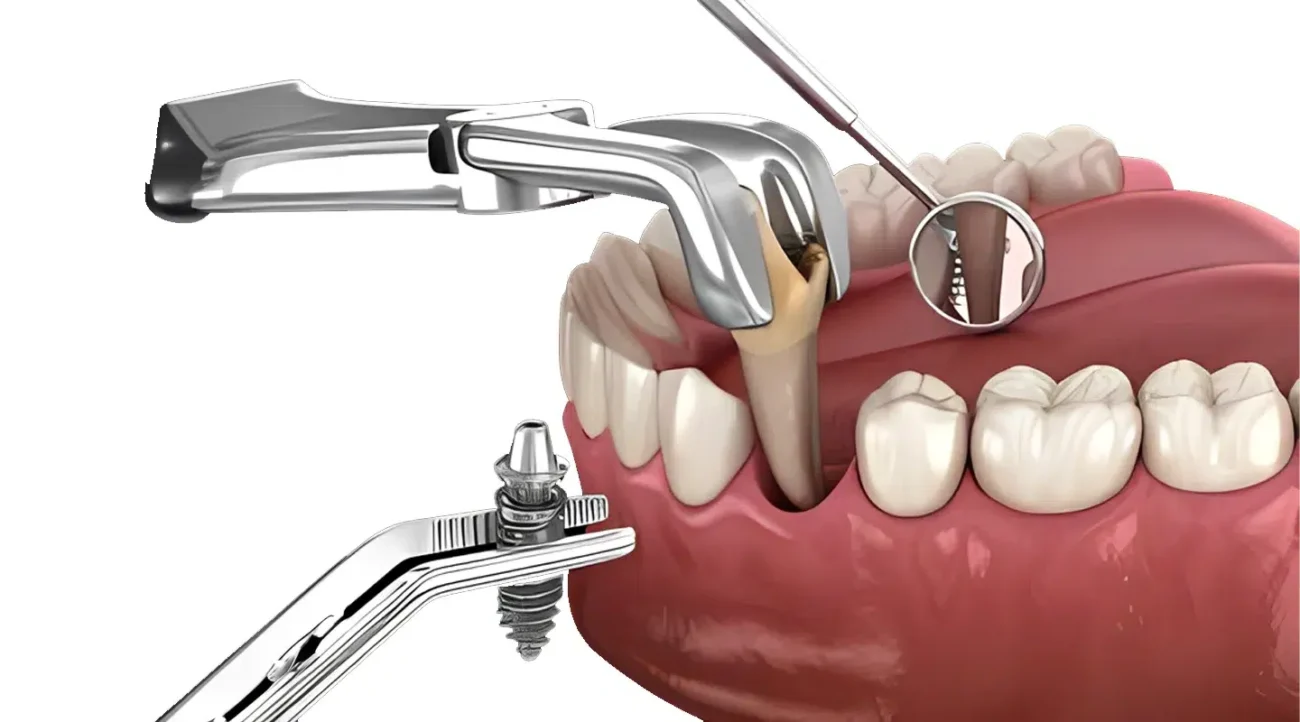
The more implants placed in a single session, the longer the surgical time, which may increase the intensity of post-operative pain and discomfort.
A single dental implant usually causes mild to moderate pain that can be controlled with simple analgesics, whereas placing multiple implants in the upper or lower jaw can lead to more swelling and a stronger feeling of pressure in the first few days.
However, post-implant pain is not determined by the number of implants alone; it also depends on factors such as the surgical technique, the condition of the bone and gums, and how well post-operative instructions are followed.
Condition of the Gums and Bone
The health of the gums and the quality of the surrounding bone are among the most important factors influencing the level of pain after dental implant surgery.
When the gums are healthy and the bone is dense and strong, the procedure is usually simpler and less invasive, which generally means less pain and a faster recovery.
In contrast, a history of gum infection, severe bone loss, or chronic periodontal disease can make the surgery more complex and increase the likelihood of pain and swelling after the procedure.
For this reason, an implant dentist carefully evaluates the condition of the gums and jawbone before treatment and designs a treatment plan that minimizes pain and potential complications as much as possible.
Need for Bone Grafting
The need for bone grafting before or during implant placement has a direct impact on the expected level of post-operative pain.
Adding a bone grafting procedure means a more extensive surgical intervention in the jaw, which may require wider incisions in the gums and additional bone preparation. This often results in more swelling and temporary pain compared with placing an implant alone.
Nevertheless, bone grafting is essential in cases of reduced bone volume or poor bone quality to ensure implant stability and long-term success. In most cases, pain related to bone grafting can be effectively controlled with appropriate pain medication and strict adherence to post-operative care instructions.
Dentist’s Experience and Techniques Used
The implant dentist’s experience and the techniques they use play a crucial role in determining the level of pain during and after the procedure.
A skilled and experienced implant dentist is better able to plan accurately, select the ideal implant position, shorten surgical time, and employ advanced approaches such as guided implant surgery or flapless techniques. These methods help reduce tissue trauma and swelling, thereby minimizing pain.
In addition, the proper choice of anesthesia, the use of modern surgical instruments, and meticulous suturing techniques all contribute to making the implant experience less painful and more comfortable for the patient.
Therefore, it is always advisable to choose an implant dentist with solid experience and up-to-date knowledge of modern techniques to reduce pain and achieve the best possible treatment outcome.
How can dental implant pain be relieved?
Using Cold Compresses
Cold compresses are one of the simplest and most effective ways to relieve dental implant pain and reduce post‑operative swelling.
It is recommended to apply a cold pack or an ice bag wrapped in a soft cloth to the cheek on the side of the implant for 10–15 minutes, then remove it for the same duration, and keep alternating in this way during the first 24–48 hours after surgery.
Cold therapy helps limit inflammation, ease pain, and reduce facial swelling around the implant site.
Avoid placing ice directly on the skin or inside the mouth to prevent cold burns or tissue irritation.
Following your dentist’s instructions regarding how long and how often to use cold compresses greatly contributes to making the dental implant experience less painful and more comfortable.
Medications and Painkillers After Implant Placement
Medications and analgesics play a key role in controlling dental implant pain during the first few days after surgery.
Dentists often prescribe painkillers such as paracetamol (acetaminophen) or ibuprofen, and may add stronger analgesics if needed, along with an antibiotic to prevent infection and an antiseptic mouthwash.
It is important to take all medications on schedule, adhere to the prescribed doses, and not stop them on your own even if the pain starts to decrease, as regular use helps maintain pain relief and control inflammation.
Do not take any additional painkillers without consulting your dentist, especially if you have stomach or kidney problems, or if you are on long‑term medication for other conditions.
Sticking to the medication plan as recommended by your dentist significantly reduces dental implant pain and supports faster and safer healing.
Rest and Avoiding Strenuous Activity
Getting enough rest in the first few days after dental implant surgery is essential for reducing pain and speeding up recovery.
You should avoid strenuous physical activity such as heavy lifting, high‑intensity exercise, or repeated bending over during the first 48–72 hours after implant placement.
Keeping your head slightly elevated while sleeping, by using an extra pillow, helps reduce swelling and pressure on the implant area, which in turn eases discomfort.
It is also best to avoid touching the implant site with your tongue or fingers, and not to fiddle with the sutures, as this can irritate the wound and increase pain.
The more the patient rests and stays away from demanding activities, the more comfortable and less painful the post‑implant period will be.
Appropriate Foods After the Procedure
Choosing the right foods after dental implant surgery greatly helps in reducing pain and preventing irritation of the surgical site.
It is preferable to rely on soft, easy‑to‑chew foods such as yogurt, lukewarm soup, mashed potatoes, chilled non‑acidic fresh juices, and smoothies, while avoiding hard or crunchy foods that require forceful chewing.
You should avoid very hot foods or drinks in the first few days so as not to exacerbate inflammation and pain around the implant.
Try to chew on the side opposite to the implant, and stay away from very spicy, acidic, or crunchy foods such as nuts and potato chips.
Following a soft, balanced diet after implant surgery reduces mechanical stress on the implant, makes eating more comfortable and less painful, and promotes faster and safer wound healing.
What should you avoid after dental implant surgery?
After having a dental implant placed, it’s essential to completely avoid smoking, as it slows down wound healing and compromises the stability of the implant within the jawbone.
It’s also advisable to steer clear of hard or sticky foods such as nuts, caramel, and chewing gum during the first few days, so you don’t place excessive pressure on the implant or trigger additional pain at the surgical site.
Avoid drinking extremely hot or very cold beverages immediately after the procedure, as they can increase sensitivity in the implant area and interfere with the formation of the blood clot that is crucial for proper healing.
Do not use straws for the first 24–48 hours, because the negative pressure created by suction can increase bleeding and delay recovery.
Refrain from touching the implant site with your tongue or fingers, and avoid “checking” the wound yourself to prevent introducing bacteria that could cause infection and unnecessary pain.
It’s also recommended to avoid intense physical exertion and strenuous exercise for the first two to three days after implant placement, since elevated blood pressure may worsen swelling and discomfort.
Following your dentist’s instructions regarding medications, antiseptic mouth rinses, and dietary guidelines is the most effective way to minimize post‑operative pain and support the long‑term success of your dental implant.
When Should You See a Dentist Immediately?
Persistent severe pain
It’s normal to experience mild to moderate pain in the first few days after dental implant surgery. However, if the pain remains severe, or starts to worsen after about a week, this is a warning sign that requires an urgent dental check‑up.
Ongoing, intense pain following implant placement may indicate osteitis or peri‑implant mucositis, nerve compression, or early failure of osseointegration between the implant and the surrounding bone.
Do not ignore pain that does not respond to over‑the‑counter analgesics or is severe enough to wake you from sleep. Early assessment by your dentist helps identify the cause quickly and protect the implant from serious complications.
Abnormal bleeding or swelling
Mild bleeding and slight swelling during the first 24–48 hours after implant surgery are expected. However, if the bleeding is heavy, continues for an unusually long time, or returns after it had stopped, you should see your dentist immediately.
Similarly, marked swelling that keeps increasing, or is accompanied by difficulty opening the mouth, swallowing, or breathing, may indicate acute infection or a hematoma that requires medical intervention.
Monitoring post‑operative bleeding and swelling is a key part of implant aftercare. Any abnormal changes should never be ignored, so that a minor issue does not progress to a more serious infection or complicated inflammatory condition.
Signs of inflammation or infection
Pronounced redness of the gums around the implant, noticeable warmth in the area, discharge of pus (yellow or green exudate), or persistent bad breath despite proper oral hygiene are all signs that call for immediate dental evaluation.
In addition, fever, a general feeling of fatigue, and pain in the implant area may indicate an infection that requires systemic antibiotics and/or local debridement around the implant.
Leaving peri‑implant inflammation untreated can lead to peri‑implantitis and progressive loss of the supporting bone. It is therefore essential not to rely solely on painkillers or mouthwashes, and to visit your dentist promptly if you notice any of these symptoms.
Implant mobility or feeling that it is loose
A dental implant should be firmly anchored in the bone and should not move when pressure is applied or during chewing.
If you feel that the implant itself is moving, or you notice mobility of the implant‑supported crown when you touch it with your tongue or while eating, this is an important warning sign that requires immediate dental assessment.
Implant mobility may indicate failure of osseointegration, peri‑implant infection, or excessive forces caused by an unbalanced bite (malocclusion).
Early diagnosis in such cases may allow the dentist to stabilize or salvage the implant, or to plan an appropriate alternative treatment before further bone loss occurs or neighboring teeth are affected.
Best Dental Implant Specialist in Jeddah
Dr. Ahmed Al‑Husseini: Dental Implant Specialist in Jeddah
Dr. Ahmed Al‑Husseini is considered one of the leading names for anyone seeking a top dental implant specialist in Jeddah, especially for patients who are worried about one question in particular: “Are dental implants painful?”
Dr. Al‑Husseini has extensive hands‑on experience managing complex cases of tooth loss, with a particular focus on advanced implantology techniques designed to minimize discomfort as much as possible.
In his clinic, he relies on meticulous pre‑operative planning using 3D imaging (CBCT), which allows for precise implant positioning and helps shorten the duration of the procedure and reduce post‑operative pain.
If you are looking for a dentist who takes the time to walk you through each step of the dental implant process and clearly explains what to expect in terms of pain and potential complications, then choosing a doctor like Ahmed Al‑Husseini in Jeddah offers you a combination of clinical expertise and genuine concern for patient comfort.
He also emphasizes comprehensive treatment planning that covers both the surgical implant placement and the follow‑up phase, to ensure proper osseointegration and to minimize any possible discomfort during the healing period.
For anxious patients or those with a low pain threshold, Dr. Al‑Husseini discusses suitable options for anesthesia and analgesia tailored to each case, making the dental implant experience in Jeddah safer and more reassuring.
With this approach, choosing the best dental implant doctor in Jeddah becomes not just a matter of reputation, but a matter of trusting a clinician who understands your fear of pain and addresses it using evidence‑based, practical methods.
Why Do Patients Choose Batal Dental Clinic for Dental Implants?
At Batal Dental Clinic, dental implants are performed with the highest safety standards, while keeping discomfort to a minimum through precise digital planning and the use of advanced anesthesia techniques tailored to each patient’s condition.
Our dentists rely on comprehensive examinations and 3D imaging to determine the ideal implant position, which helps shorten the treatment time and reduces post-operative swelling or discomfort.
We use globally certified dental implants and premium-quality biomaterials that promote faster healing and greater comfort after surgery.
The medical team is committed to explaining every step of the procedure and addressing patients’ concerns about pain, providing clear post-operative care instructions and appropriate medications to control any mild discomfort that may occur.
This meticulous attention to detail, combined with strict sterilization protocols and a comfortable treatment environment, is why many patients choose Batal Dental Clinic for dental implants that are as pain-free as possible, with long-lasting aesthetic and functional results.
Book Your Dental Implant Appointment at Batal Dental Clinic in Jeddah
If you’re still wondering whether dental implants are painful and looking for a trusted clinic in Jeddah, you can book an appointment at Batal Dental Clinic, where every stage of the implant procedure is carefully planned to minimize pain and discomfort as much as possible.
At Batal Dental Clinic, the dentists rely on the latest 3D imaging technologies and advanced local anesthesia techniques. This allows them to perform dental implant surgery safely and gently on both the gums and jawbone, with a clear explanation of each step beforehand to ease anxiety and alleviate fear of pain.
You can contact the clinic by phone or book your appointment online at a time that suits you, and receive a detailed professional consultation to assess whether dental implants are suitable for your case. You’ll also get a thorough explanation of pain-control options before and after the procedure, so you can enjoy a comfortable treatment experience and long-lasting functional and aesthetic results.