


Why is a child’s first dental visit so important?
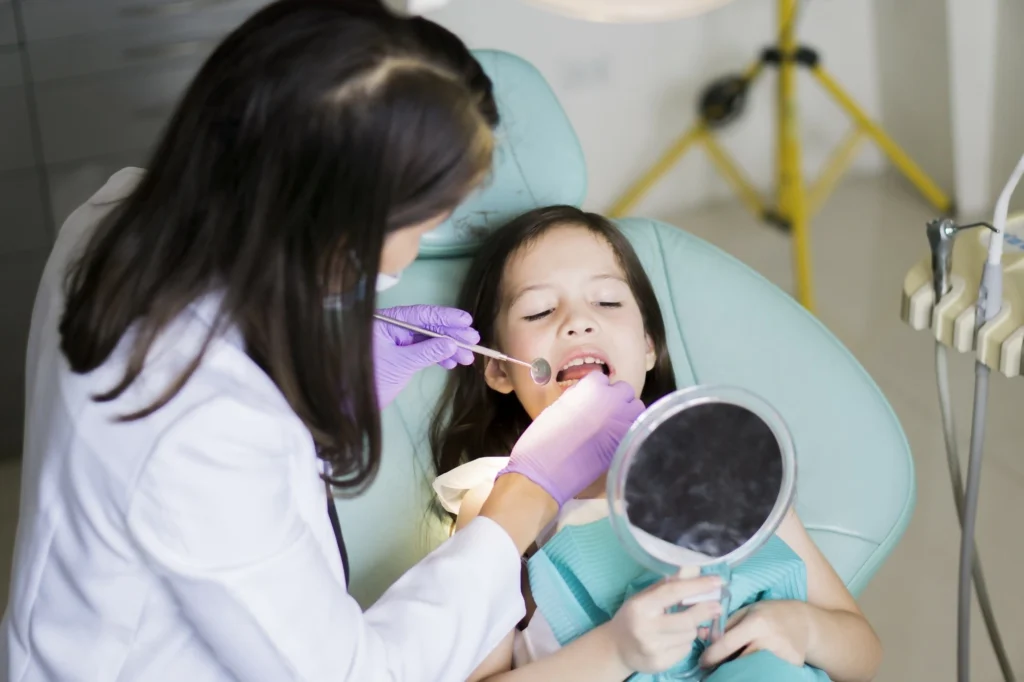
A child’s first visit to the dentist is a key step in preventing tooth decay and establishing healthy oral habits from the very beginning.
Through this early check-up, the pediatric dentist can identify any issues related to tooth or jaw development and address them promptly before they progress.
During the visit, parents are guided on:
- The correct technique for cleaning their child’s teeth
- When and how to introduce fluoride toothpaste
- Dietary recommendations that help reduce the risk of early childhood caries
An early dental visit also helps the child become familiar with the clinic setting and the dental team, which can significantly reduce fear and anxiety in future appointments and encourage better cooperation with the dentist.
So, the importance of a child’s first dental visit goes far beyond a simple check-up; it lays the foundation for long-term oral and dental health.
When should a child have their first dental visit?
International pediatric dental associations recommend that a child’s first visit to the dentist should be scheduled within six months of the eruption of the first primary (baby) tooth, and no later than the child’s first birthday, whichever comes first.
During this early visit, the pediatric dentist examines the gums and the newly erupted teeth to ensure they are developing properly, and to detect any early issues such as early childhood caries (baby bottle tooth decay) or enamel developmental defects.
The dentist also explains to parents how to clean their child’s teeth correctly, how to choose an age-appropriate toothbrush and fluoride toothpaste, and which dietary habits help prevent tooth decay, such as limiting sugary foods and drinks and avoiding nighttime milk bottles.
The first dental visit is not only about treatment; it is mainly about building a positive, comfortable relationship between the child and the dentist, reducing future dental anxiety, and setting up a regular follow‑up schedule—typically every six months—to maintain oral and dental health from the earliest years.
What happens during a child’s first visit to the dentist?
Dental, Gum, and Oral Examination
During a child’s first visit to the pediatric dentist, the dentist performs a comprehensive examination of the teeth, gums, and entire oral cavity.
Using a small dental mirror and a focused light source, the dentist checks for early tooth decay, signs of gingivitis, or any ulcers or lesions in the mouth.
This gentle assessment helps detect potential problems at an early stage, before they cause pain or require complex treatment.
The pediatric dentist also evaluates the child’s overall oral hygiene and how the teeth come together (occlusion), and records all findings in the child’s file for follow‑up in future visits.
Assessment of Dental and Jaw Development
As part of the first pediatric dental visit, the dentist evaluates the growth and development of the teeth and jaws in relation to the child’s age.
They examine the position and alignment of the primary (baby) teeth and how the upper and lower jaws close together, to ensure there are no bite problems (malocclusion) or early signs of dental crowding.
In some cases, the pediatric dentist may recommend regular follow‑up or future dental radiographs to monitor the eruption of permanent teeth and jaw development.
This early assessment makes it possible to intervene at the right time to correct any issues in jaw growth or tooth alignment before they become more complicated.
Evaluating the Child’s Risk of Tooth Decay
A key component of the first pediatric dental visit is assessing the child’s risk for dental caries (tooth decay).
The pediatric dentist asks parents about the child’s eating habits, how often sweets are consumed, and the timing of the last bottle or meal before bedtime.
They also assess oral hygiene, check for any early carious lesions or existing fillings, to determine the child’s future risk of developing cavities.
Based on this evaluation, the dentist designs a personalized preventive plan, which may include scheduling recall visits, using topical fluoride, or applying dental sealants to the permanent molars later on.
Providing Home Care Instructions for Parents
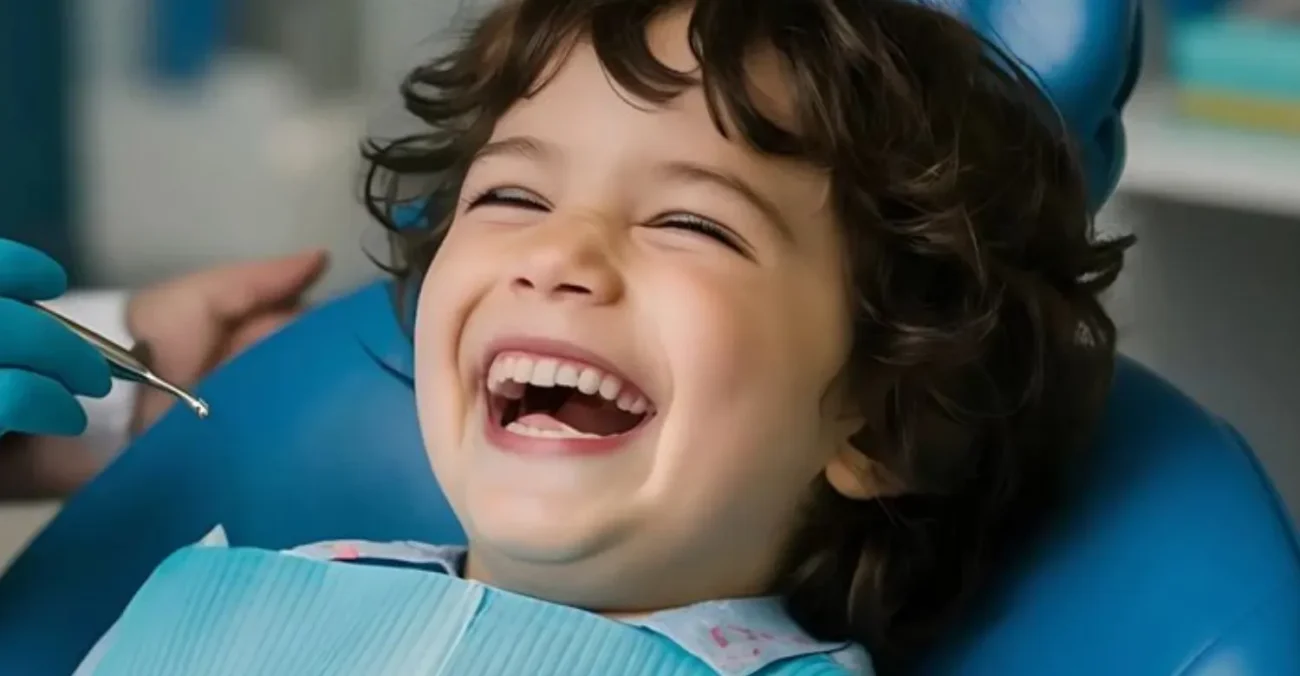
Lastly, during the first pediatric dental visit, the dentist dedicates time to educating parents about proper home care.
The pediatric dentist explains the correct tooth‑brushing technique, how often the child’s teeth should be brushed, and the appropriate type of toothbrush and toothpaste for the child’s age.
They also highlight foods and drinks that increase the risk of tooth decay, and outline the best dietary habits to maintain healthy teeth.
These practical guidelines are designed to help parents protect their child’s teeth at home and reduce the likelihood of needing complex dental treatments in the future.
How to Prepare for Your Child’s First Dental Visit
Preparing your child for their first visit to the pediatric dentist starts with a calm, positive conversation about what will happen, avoiding words that may sound scary such as “injection” or “pain.” Instead, emphasize that visiting the dentist helps keep their teeth strong and healthy.
It can be very helpful to read a storybook or watch a simple educational video about a child’s first dental visit so your child can form a reassuring mental picture of the clinic, the dentist, and the instruments.
Try to schedule the appointment at a time when your child is usually relaxed, not hungry or tired—morning appointments are often best.
Before the visit, gently brush your child’s teeth and let them bring a favorite toy or blanket to the clinic to help them feel secure.
Prepare a list of questions for the dentist about how to clean your child’s teeth properly, the appropriate use of fluoride, and a tooth‑friendly diet, so you can make the most of the visit.
Make an effort not to show any anxiety in front of your child. When they see that you are calm and confident about going to the dentist, they are more likely to feel comfortable and cooperative during their first examination.
How can parents manage a child’s fear of the dentist?
Addressing a child’s fear of the dentist should start well before the appointment. Parents can calmly explain why children need to see a pediatric dentist and how these visits help keep their teeth strong and healthy, using positive, reassuring language and avoiding any threats or scary descriptions.
Reading children’s books or watching short videos about dental visits can also help create a positive picture in the child’s mind.
On the day of the appointment, it’s best to choose a specialized pediatric dental clinic. A pediatric dentist (specialist in pediatric dentistry) is trained to handle children’s anxiety, introduce the instruments in a simple, friendly way, and give the child time to feel comfortable before starting the examination.
It’s important that parents do not show their own anxiety in front of the child, and instead offer gentle encouragement and praise, or small non‑material rewards, once the visit is over.
Starting dental check-ups at an early age, before the child experiences any pain, is also recommended. This helps the child get used to the dental environment without associating it with pain or negative experiences.
With these steps, a child’s fear of the dentist can gradually decrease, and dental visits can become more comfortable experiences that support good oral health in the long term.
Caring for Your Child’s Teeth After the First Dental Visit
Brushing your child’s teeth the right way
Once your child has had their first dental visit, proper toothbrushing becomes a cornerstone of their oral care routine.
Use a soft‑bristled toothbrush with a head size appropriate for your child’s age, and apply only a very small amount of fluoride toothpaste (a smear the size of a grain of rice for children under 3, and a pea‑sized amount thereafter).
Teeth should be brushed twice a day—once in the morning and once before bedtime—making sure to clean all surfaces: the front, the back, and the chewing surfaces.
Move the toothbrush gently in small circular motions rather than scrubbing harshly, to avoid irritating the gums or wearing down the enamel.
It’s important for parents either to brush their child’s teeth for them or to supervise closely until the child has good manual control of the brush, usually up to about 7–8 years of age.
Parents can build on the guidance given by the dentist at that first visit to establish a consistent daily oral‑care routine, which significantly lowers the risk of future tooth decay.
Choosing the right toothbrush and toothpaste
Selecting an appropriate toothbrush and toothpaste is a key step in caring for your child’s teeth after the first dental visit.
Choose a toothbrush with soft bristles and a small head that fits comfortably in your child’s mouth, allowing access to all teeth without injuring the gums.
It’s best to stick to children’s toothbrushes recommended by your child’s dentist at the first visit; these are ergonomically designed for small hands and help reinforce the brushing habit.
For toothpaste, use a children’s fluoride toothpaste with an age‑appropriate fluoride concentration, as fluoride strengthens tooth enamel and helps prevent cavities.
Avoid using large amounts of toothpaste, and teach your child not to swallow it. Emphasize rinsing and spitting out after brushing.
Parents should review the dentist’s recommendations regularly to choose the most suitable toothbrush and toothpaste for the child’s age and dental condition.
Tooth‑friendly foods
An important part of caring for your child’s teeth after the first dental visit is focusing on foods that promote oral health.
Calcium‑rich foods such as milk and dairy products (yogurt and cheese) support the development and strengthening of tooth enamel in children.
Fresh vegetables like carrots, cucumbers, and celery help clean the teeth naturally and stimulate saliva flow, which protects teeth against acids and harmful bacteria.
Low‑sugar fruits such as apples and pears are a better choice than sweetened juices, as they provide vitamins and fiber while reducing the teeth’s exposure to sugars.
Drinking water regularly—especially fluoridated water where available—helps rinse away food debris and strengthens teeth over the long term.
By maintaining a balanced diet, parents can reinforce the dentist’s advice given at the first visit, promote their child’s oral health, and reduce the need for future dental treatment.
Foods that increase the risk of tooth decay
To protect your child’s teeth after the first dental visit, it’s essential to identify and limit foods that increase the risk of cavities.
Sticky sweets such as caramel, chewy candies, and lollipops cling to the teeth for long periods, creating an ideal environment for cavity‑causing bacteria.
Soft drinks and sweetened juices, including those marketed for children, are high in sugars and acids that weaken tooth enamel—especially when sipped frequently between meals.
Savory snacks like chips and salted crackers break down into simple sugars in the mouth and tend to lodge between teeth, raising the risk of decay if teeth are not cleaned thoroughly.
Dentists often recommend, after the first visit, setting specific times for eating sweets instead of allowing them throughout the day, and brushing afterward—or at least drinking water immediately after.
By cutting back on harmful foods and monitoring what the child eats on a daily basis, parents can protect their child’s teeth, preserve the benefits of that first dental visit, and help maintain a healthy smile for years to come.
When Should You See a Pediatric Dentist Urgently?
Sudden Toothache
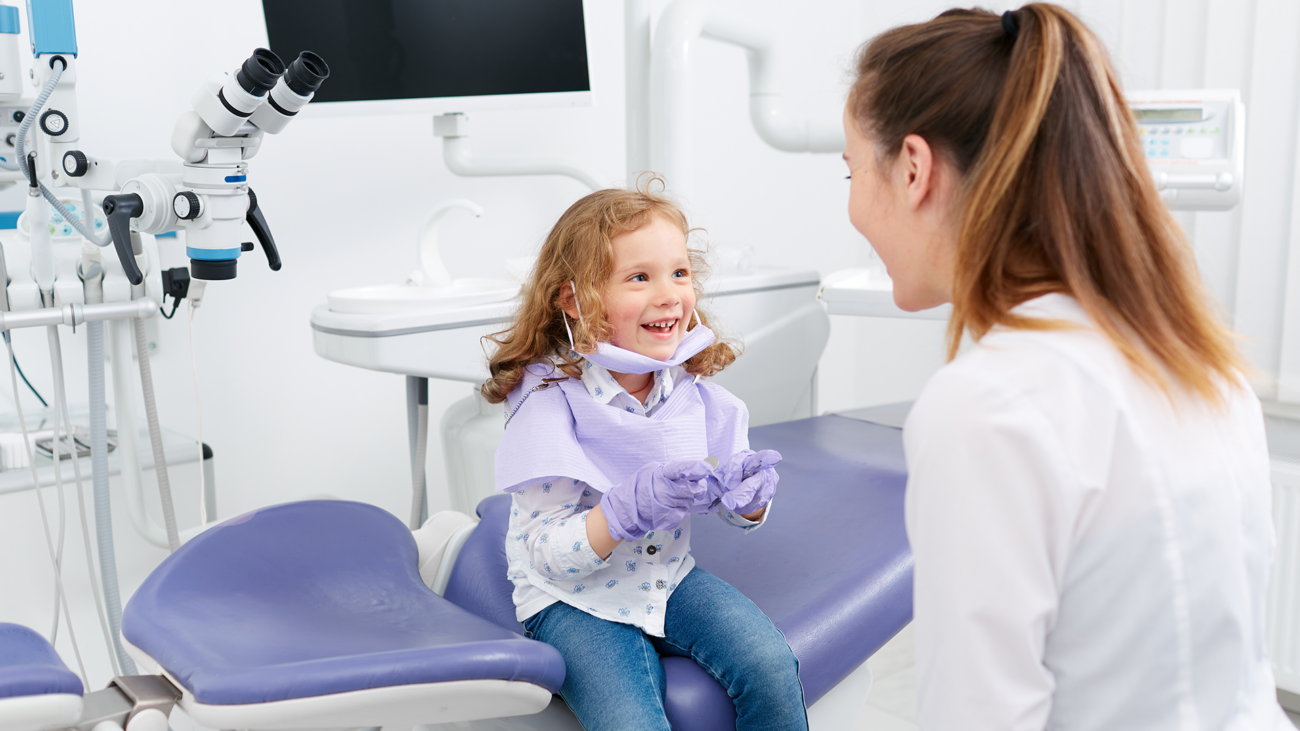
A sudden toothache in children is one of the clearest warning signs that require an urgent visit to the dentist, especially if the pain is severe or wakes the child from sleep.
This type of pain may indicate deep dental caries, pulpitis (inflammation of the tooth nerve), or a dental abscess beneath the tooth, which can lead to complications if not treated promptly.
If the toothache lasts for more than a few hours, does not improve after giving age-appropriate pain relief, or is accompanied by marked sensitivity to cold or heat, an emergency appointment with a pediatric dentist is necessary to accurately diagnose the cause and start immediate treatment.
Swelling or Infections
The sudden appearance of swelling in the gums, cheek, or around a tooth in a child is a clear reason to seek urgent dental care.
Swelling is often a sign of infection or an abscess, and may be accompanied by pain, redness, or difficulty opening the mouth or chewing.
If parents notice that the swelling is rapidly increasing, or if it is associated with fever, they should not wait, as oral infections can spread to other parts of the body.
In such cases, an emergency visit to a pediatric dentist is essential to drain the infection and prescribe the appropriate treatment before the condition worsens.
Tooth Fractures or Oral Injuries
Tooth fractures or mouth injuries in children during play or from falls are among the situations that demand an urgent dental consultation.
A fractured tooth may be associated with pain, bleeding, or discoloration, and the pulp or tooth root can be affected even if the fracture seems minor.
If part of a tooth breaks off, it is advisable to keep the fragment in milk or clean water and go immediately to a pediatric dentist, as timely intervention may allow restoration of the tooth or even saving it.
If a foreign object becomes embedded in the gums or lips, or if there is a deep cut inside the mouth, the dental visit should not be delayed to prevent infection and avoid problems that could affect the development of permanent teeth.
Abnormal Bleeding
Abnormal bleeding from the gums or mouth in children requires attention and an urgent dental visit if it is heavy or does not stop.
Bleeding may occur after a mouth injury, tooth extraction, or as a result of severe gingivitis, and in all these cases, the duration and amount of bleeding should be carefully monitored.
If oral bleeding does not stop after applying pressure with a clean gauze pad for 10–15 minutes, or if the child has recurrent bleeding with no obvious cause, a prompt visit to a pediatric dentist is necessary to identify the underlying problem and plan appropriate treatment.
Early evaluation of abnormal bleeding helps detect gum disease or underlying bleeding disorders and protects the child from potentially serious complications if left untreated.
How to Choose the Best Pediatric Dentist in Jeddah
Pediatric Dentistry Expertise
When choosing the best pediatric dentist in Jeddah, specialized experience in children’s dentistry is crucial.
Look for a dentist who holds a formal qualification or additional training in pediatric dentistry, along with years of experience managing a wide range of conditions such as caries in primary (baby) teeth, correction of harmful oral habits, and monitoring the growth and development of teeth and jaws.
An experienced pediatric dentist can accurately assess your child’s oral health, then design a treatment plan tailored to their age and stage of development, with a strong emphasis on early prevention to avoid complex procedures in the future.
You can assess a pediatric dentist’s experience by reviewing their professional profile on the clinic’s website, reading parents’ reviews in Jeddah, and checking the scope and quality of services they offer to children of different age groups.
Child-Friendly Communication and Behavior Management
One of the most important criteria in choosing the best pediatric dentist in Jeddah is how they interact with children, especially if this is your child’s first visit to the dentist.
A good pediatric dentist uses simple, friendly language, explains each step of the procedure to the child, and helps them feel safe rather than scared.
They also rely on behavior management techniques such as positive reinforcement, small rewards, and involving the child in making choices (for example, choosing the color of the filling or the toothbrush), which helps reduce dental fear and anxiety.
Ask the clinic about the dentist’s experience in treating anxious children or children with special needs, and observe for yourself how the dental team interacts with your child from the moment you enter the clinic.
Clinic Environment and Facilities
The clinic environment plays a major role in choosing the best pediatric dentist in Jeddah, as children are highly sensitive to the atmosphere around them.
Look for a pediatric dental clinic with cheerful décor and soothing colors, and a dedicated children’s area with toys or books to help ease your child’s tension before they go into the treatment room.
The clinic’s equipment is another key indicator: it should include up‑to‑date devices designed for pediatric patients, child‑appropriate and safe dental materials, and strict adherence to instrument sterilization and infection‑control protocols.
Advanced clinics may also provide screens to show cartoons or children’s programs during treatment, which helps distract the child and makes their experience with the dentist more comfortable and positive.
The Importance of Regular Follow‑Ups
Choosing the best pediatric dentist in Jeddah is not about a single visit; it is about building an ongoing relationship with a dentist you and your child can trust.
Regular check‑ups with a pediatric dentist—typically every six months—allow for early detection of dental caries, monitoring the eruption and alignment of permanent teeth, and addressing any occlusal problems or oral habits such as thumb sucking.
A good pediatric dentist will establish a clear follow‑up plan, remind you of upcoming appointments, and provide detailed guidance on toothbrushing techniques, appropriate fluoride use, and nutrition that supports children’s oral health.
In this way, dental visits become a routine part of your child’s healthcare, rather than an emergency response only when there is pain or an acute problem.
Best Pediatric Dentist in Jeddah
Dr. Abdelhadi Helali – Pediatric Dentistry Specialist
Dr. Abdelhadi Helali is considered one of the leading names for anyone looking for the best pediatric dentist in Jeddah, thanks to his specialized expertise in pediatric dentistry and his calm, reassuring manner with children.
He focuses on providing a comfortable and safe treatment experience for the child—from the moment the family arrives at the clinic until the end of the visit—which helps reduce children’s fear of going to the dentist.
Dr. Helali follows the latest evidence-based pediatric dental protocols, including early detection of dental caries, and develops individualized treatment plans tailored to each child’s age and level of cooperation.
He also places great emphasis on preventive care, by educating parents about the importance of regular check-ups, healthy dietary habits, and proper at-home oral hygiene techniques for children, to ensure long-term oral and dental health.
Choosing Dr. Abdelhadi Helali as part of your search for the best pediatric dentist in Jeddah means your child will receive specialized care that addresses both medical and psychological aspects, placing their comfort and confidence at the top of the priorities.
Why Do Parents Choose Batal Pediatric Dental Clinic?
Many families choose Batal Pediatric Dental Clinic because it combines specialized pediatric dental expertise with a welcoming, child‑friendly atmosphere from the very first visit.
The clinic’s team is specifically trained in pediatric behavioral and psychological management, which helps reduce children’s fear of the dental chair and turns the appointment into a positive, educational experience.
Batal Pediatric Dental Clinic focuses on early detection of dental caries and jaw and tooth development problems, using modern equipment and gentle treatment techniques tailored to children’s sensitive teeth.
The dentists also make it a priority to educate both parents and children on proper oral hygiene habits, and they provide a structured follow‑up plan to support a healthy smile over the long term.
This combination of specialized care, clear communication with parents, and a safe, encouraging environment for children helps make dental visits easier—and is a key reason Batal Pediatric Dental Clinic is a preferred choice for many families.
Book Your Child’s Appointment at Batal Dental Clinic in Jeddah
Easily book your child’s appointment at Batal Dental Clinic in Jeddah by phone or online, and ensure they receive specialized pediatric dental care that meets the highest standards of safety and sterilization.
At Batal Dental Clinic, children are welcomed in a calm, child‑friendly environment designed to reduce dental anxiety, with a medical team trained in pediatric behavior management and gentle communication to encourage children to care for their teeth.
Booking a visit for your child at Batal Dental Clinic includes a full range of pediatric dental services such as routine check‑ups, caries (tooth decay) treatment, professional teeth cleaning, topical fluoride application, placement of pit and fissure sealants, as well as dietary counseling to support your child’s oral health.
Choosing Batal Dental Clinic in Jeddah means monitoring your child’s dental development from the earliest stages and enabling early detection of problems such as malocclusion or tooth decay before they progress, helping to avoid more complex treatments in the future.
You can select appointment times that fit your family’s schedule, with flexible booking options and automated visit reminders, making pediatric dental appointments a simple step toward a healthy, confident smile for your child.